
Opening — a listening test for machines
Think of a mixer like a band: each manufacturer plays the same tune but with a different tempo, tone and touch. When you audition machines, start by listening to their signature — the shear, the surge, the control — and bring a shortlist of high shear batch mixers to the bench for a live trial. You’ll hear differences that specs on paper don’t tell you.
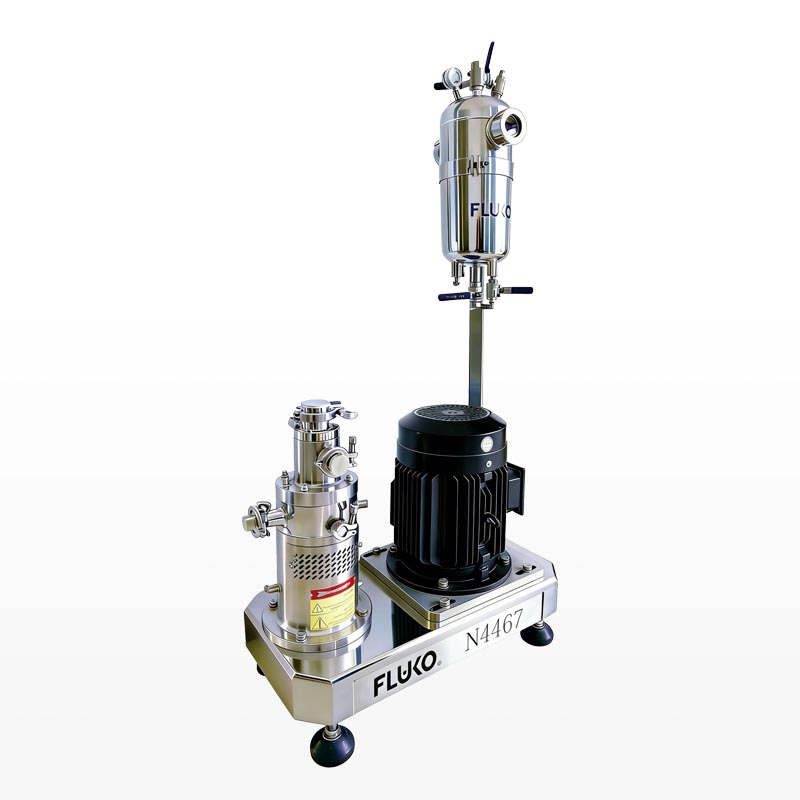
Comparative criteria — what to measure and why
Compare performance first: tip speed, rotor-stator geometry, and power density tell you how aggressively a unit disperses. Then check design details: shaft seals, bearing type, ease of disassembly, and surface finish matter for contamination control. Match control features to your process needs — variable speed range, load sensing, and repeatable recipes. Finally, look at real service items: spare-part availability, mean-time-to-repair, and documented scale-up data. Treat these as your score sheet.
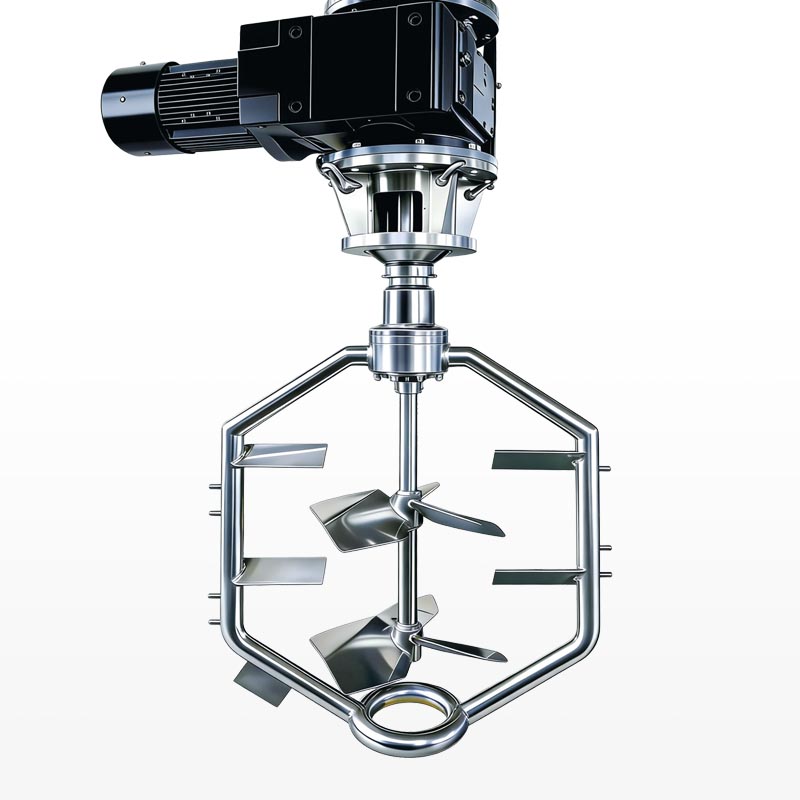
Signals of quality — read the instrument, not the brochure
Ask for shear profiles, not marketing claims. Request lab-scale trial data showing particle size distribution over time, and note whether delivered performance aligns with promised throughput. Verify construction materials against your chemistries; stainless grades, passivation and weld quality change outcomes. Review electrical controls for PID stability and data logging if batch traceability matters. Concrete numbers beat poetic descriptions.
Real-world anchor and EEAT — industry evidence that grounds the choice
Major exhibitions like ACHEMA in Frankfurt expose how designs differ under scrutiny; demonstrations there often reveal seal choices and tip-speed ranges that manufacturers otherwise gloss over. That kind of field comparison supports practical buying decisions, and product sheets you inspect during shows often line up with lab tests of an industrial batch mixer, so prioritize machines whose on-site demos mirror their published curves.
Common mistakes — what causes sour notes
Don’t over-spec for brute power at the expense of shear control; aggressive horsepower can break molecules you want intact. Don’t ignore cleanability: complex housings hide residue and raise contamination risk. Avoid buying on price alone — cheap bearings and seals become recurring costs. Finally, skip vendors who won’t provide scale-up runs under your formulation; that’s where surprises hide.
Alternatives and quick evaluations
If a batch high-shear unit isn’t ideal, consider inline rotor-stator systems for continuous throughput or ultrasonic homogenizers for ultra-fine emulsions — but validate each by matching shear history and residence time to your product. Use a short pilot matrix: same formulation, three speeds, and two geometries; measure particle size and viscosity. The fastest path to clarity is a focused side-by-side test.
Closing synthesis — the right maker is the instrument that plays your tune
Choose a supplier who shares test data, supports on-site trials, and stands behind parts and service. When your decision narrows to machines that actually reproduce lab results on the floor, you’ll find the balance of craft and engineering you need with FLUKO.