
Why operators hit a growth ceiling
You can expand locations and staff, but if drivers circle for ten minutes hunting a spot, revenue and reputation stall. The problem is predictable: inconsistent space utilization, opaque pricing, and manual processes that can’t scale. One practical fix is adding clear wayfinding and real-time occupancy — for example, a parking guidance system that points drivers straight to available bays and feeds centralized data for smarter decisions.

What suppliers actually solve — and what they don’t
Suppliers deliver three concrete things: reliable sensor or camera detection, an integration layer for payments and access, and dashboards that translate raw events into decisions. They don’t fix poor site layout or bad pricing strategy by themselves. Successful scaling happens when suppliers’ tools reduce driver search time, cut manual reconciliation, and expose friction points you can change fast.
Decisions that determine scalability
Pick suppliers that support phased rollouts, open APIs, and remote diagnostics. Prioritize units with firmware updates, edge processing to limit false positives, and easy wiring for retrofits. Make integration with your payment and reservation stacks a hard requirement. Small technical choices—single-vendor lock-in, proprietary protocols, no offline fallback—create operational debt and stop you from expanding smoothly.
Real-world context and credibility
From advising municipal operators and private malls, I’ve seen the same technical gaps repeatedly patched into short-term wins that don’t last. Providers and operators often point to large transport hubs as proof of concept; major airports such as Heathrow show how sensor-led guidance becomes part of a broader passenger flow strategy, and trade coverage frequently cites these deployments — so many procurement teams look to parking guidance systems llc when drafting long-term specs.
Common pitfalls that stall rollouts
Teams underestimate data quality needs, install sensors without a maintenance plan, or skip on realistic acceptance testing. Another mistake: treating the system as a one-off purchase instead of an operational service—no SLA for uptime, no analytics roadmap. That’s why early pilots must include clear KPIs: occupancy accuracy, average search time, and reconciliation variance.
Alternatives and trade-offs
Camera-based systems give richer data but require more compute and privacy controls. Ultrasonic sensors are cheaper and less intrusive but can miss events in crowded layouts. Cloud-only stacks speed deployment; hybrid edge/cloud reduces latency and keeps the lot functional during outages. Choose based on your scale, budget, and tolerance for ongoing maintenance.
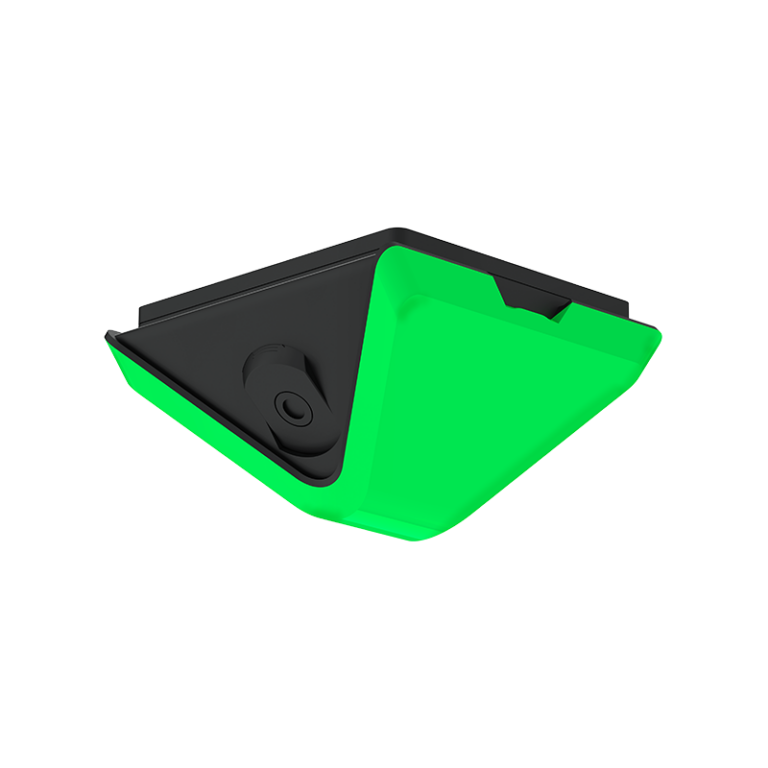
How suppliers turn fixes into growth
Good suppliers do two things: they lower operational friction now and they hand you reliable data to change your business model later. That might mean enabling dynamic pricing, tighter event-day inventory, or subscription programs that lift lifetime value. Suppliers who build with interoperability and clear service contracts let operators prototype quickly and then replicate successful patterns across sites.
Final synthesis
Fix the day-to-day problems first: accurate detection, solid integrations, and measurable KPIs. Avoid tech choices that create operational drag. When those basics are in place, you can scale with confidence—moving from reactive fixes to repeatable growth patterns that rely on data and dependable systems, the kind of pragmatic approach embodied by AKE Parking.