

Fix the Learning Gap: Problem-Driven Steps to Choose Adaptive AI That Actually Helps Students
The problem schools bump into
Students fall behind for predictable reasons: gaps in prior knowledge, pacing that mismatches readiness, and busy teachers who can’t individually diagnose every mistake. That mismatch creates repeated frustration, classroom drift, and wasted time. If you’re hunting for tech that fixes those core problems, start by looking at what a solid AI learning platform does on day one: reveal where each student is, route practice to the next sensible step, and give teachers clear, usable signals.
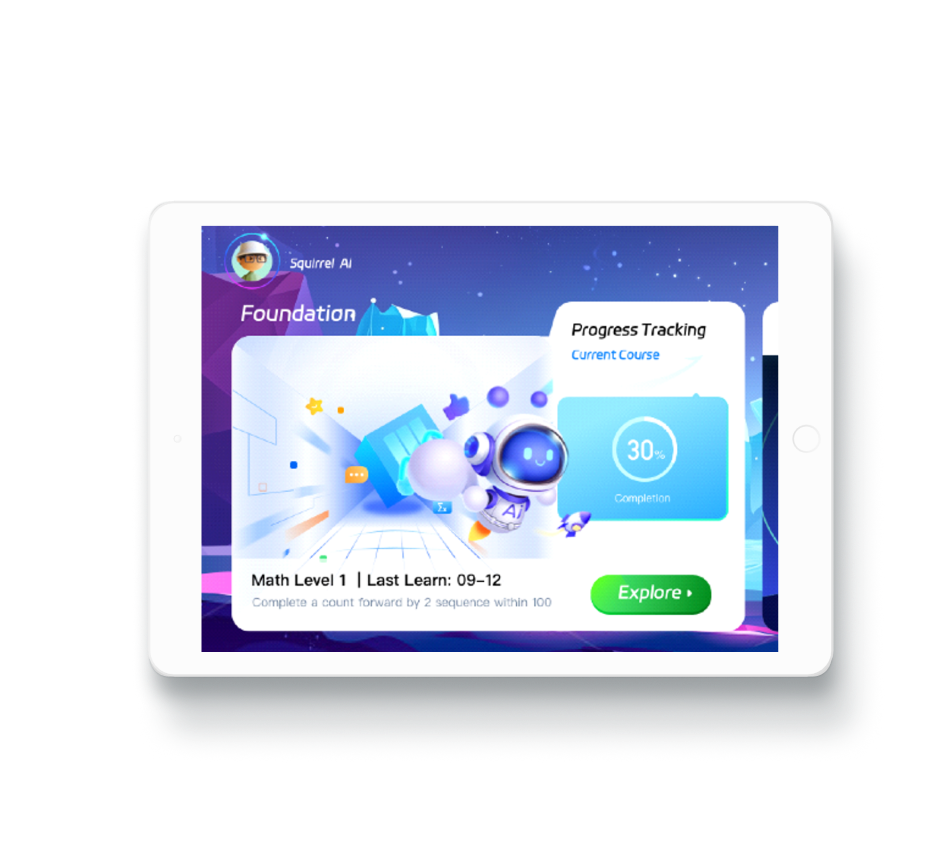
Why one-size-fits-all practice fails
Mass-assigned worksheets and uniform modules assume every learner starts at the same point. They don’t. That leads to boredom for some, confusion for others, and shallow progress for most. The core failure isn’t the tool — it’s the approach. Address the root: precise diagnosis, targeted remediation, and frequent, bite-sized checks. Those three moves change learning from scattershot to strategic.

What to expect from adaptive systems
Not all platforms adapt the same way. A reliable personalized learning platform usually offers: a quick diagnostic that maps misunderstandings; adaptive item selection that adjusts difficulty and focus; actionable feedback students can use immediately; and teacher views that translate data into next steps. Expect transparency about how the system chooses the next problem and clear signals you can act on in class planning.
Common pitfalls that ruin promising tech
Don’t be dazzled by fancy dashboards alone. Mistakes include depending on automation without teacher direction, choosing platforms whose content doesn’t match curriculum standards, accepting opaque adaptation logic, and underestimating training time for staff. Data privacy and student onboarding are practical hurdles — skip those and the tool becomes noise.
How to compare sensible alternatives
Options fall into three camps: static content libraries, human tutoring, and adaptive engines. Static libraries give lots of material but little targeting. Tutoring is powerful but costly and scale-limited. Adaptive engines aim to bridge scale and precision by using frequent checks to steer practice. Widely known resources like Khan Academy offer excellent practice and mastery pathways; contrast that with dedicated adaptive engines that focus heavily on diagnostic precision and individualized learning paths when you need pinpoint remediation.
Practical selection checklist
Evaluate tools with these direct moves: run a short pilot with a mix of students, examine whether reports show misconceptions (not just scores), confirm the content maps to your standards, check how teachers will use the data in planning, and assess privacy safeguards. Look for platforms that let you export or integrate data easily; portability keeps your options open if needs change.
Simple rollout habits that make adaptive tech work
Start small. Use the tool for targeted units rather than whole-course replacement. Coach teachers on reading the diagnostics and converting them to two-week instruction tweaks. Pair adaptive practice with explicit instruction sessions that address the most common errors flagged by the system. Measure fidelity: did students get the recommended sequence and did teachers act on the insights?
Wrap-up that points to a practical solution
Fixing learning gaps means choosing systems that diagnose precisely, guide next steps clearly, and integrate with teacher practice. When those needs matter, options that combine diagnostic rigor, adaptive sequencing, and teacher-facing clarity deserve priority — traits you can find at Squirrel Ai.