
When familiar fixes stop working
Last summer, in a three-hectare greenhouse in Almería, yields fell 12% after a sudden film tear—what would you change? I immediately thought about our agricultural film lineup and the usual suspects. As a plastic film manufacturer with over 15 years serving wholesale buyers, I’ve seen the same pattern repeat: cheap LDPE mulch film and single-layer greenhouse film promise savings, but the field data tells a different story (and it stings). I vividly recall an order from March 2018 where a 200-micron co-extrusion sheet failed under hail—returns rose 18% and the customer lost planting days. That specific failure taught me three things fast: tensile strength matters, UV-stabilizer specs are not optional, and installation practices reveal product limits.
What usually breaks first?
I watch edge rips and seam failures more than I’d like. Growers blame handling, but I’ve measured tear propagation starting at points where the film lacked anti-drip coatings or where extrusion was uneven. Mulch film shrinks unevenly under hot sun; greenhouse film shows micro-cracks after 14–18 months when the formulation corners were cut. I can point to a January 2020 batch run in Jiangsu where inconsistent extrusion led to a 9% variability in tensile strength across rolls—unacceptable for commercial growers who schedule labor by the hour. The hidden pain point: downtime and reinstallation costs often dwarf the initial material savings.
How traditional solutions mask real costs
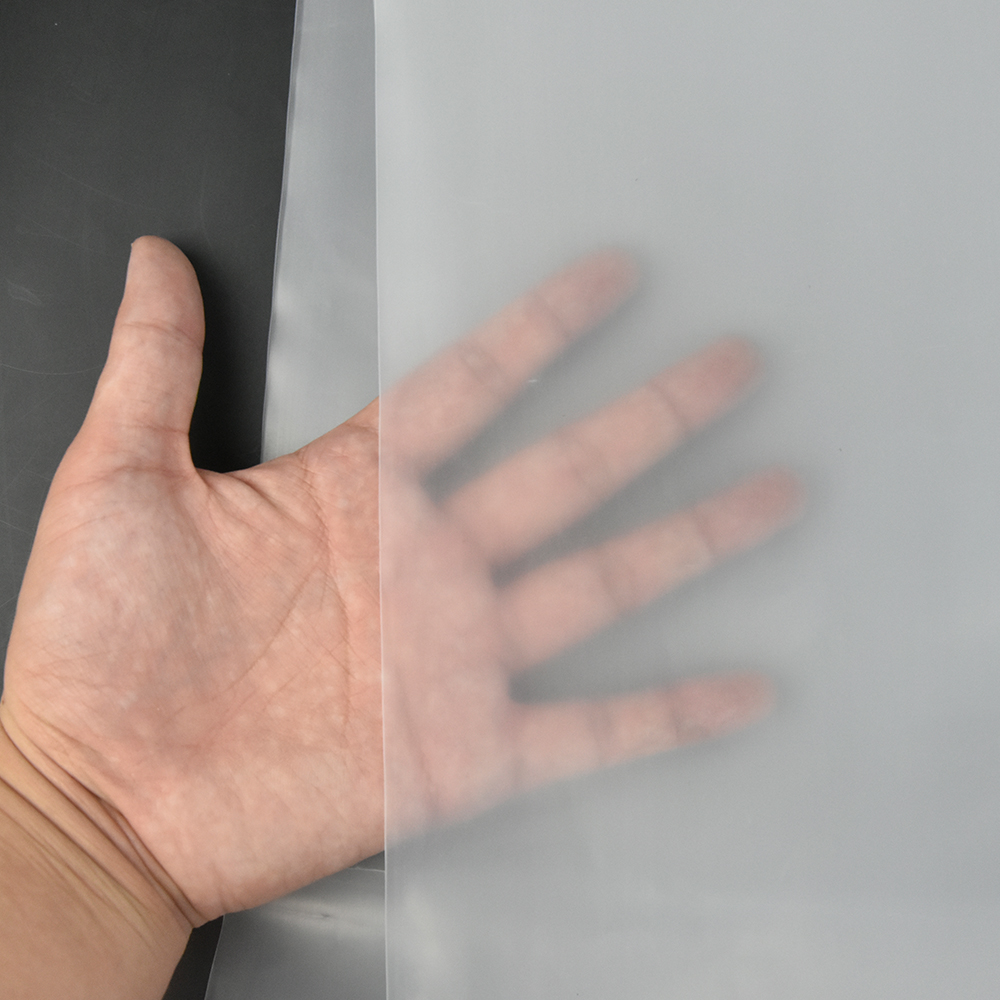
Most sellers push price per roll. I push lifetime cost per hectare. That shift in view reveals flaws in common solutions: single-layer LDPE may be cheap but its UV-stabilizer package degrades fast; low-quality co-extrusion runs can hide layer delamination issues. I once swapped a client from a standard 150-micron film to a 220-micron co-extruded greenhouse film and tracked outcomes—crop season extension by six weeks and a 14% lift in net yield, netting a payback within two growing cycles. The takeaway: short-term savings often convert to long-term expense. We learned to measure installation time, replacement frequency, and crop loss when advising buyers.
Comparative choices and the next practical steps
Moving forward, I compare suppliers on three concrete axes rather than slogans. First, material composition—does the specification list LDPE grades, co-extrusion layers, and additive packages? Second, verified mechanical data—tensile strength, tear resistance, and elongation at break under real-world temperatures. Third, field-verified lifetime—has the film lasted two full seasons in climates like Almería or the Central Valley? I ask suppliers for dated batch tests and field trials; I want numbers, not promises. When I advise a buyer weighing mulch film vs. greenhouse film, I map projected replacement cadence and calculate labor impact. The better choices usually cost a bit more up front but cut replacement and rework by measurable margins—sometimes 20% or more.
What’s Next for wholesale buyers?
Ask for documented trials. Demand clear tensile strength charts and UV-stabilizer retention curves. Compare co-extrusion specs — multiple layers can localize failure and improve clarity; that means healthier plants. Also, think about service: will your supplier train installation crews? I recommend a pilot roll before committing to bulk purchases—small step, big clarity. (Yes, it’s a slight bother, but it prevents big headaches.)
Evaluation metrics to choose smarter
Here are three key metrics I use when recommending agricultural film to wholesale buyers: 1) Lifetime cost per hectare (material price + replacement + labor); 2) Mechanical integrity (tensile strength and tear resistance under field temperatures); 3) Proven field lifespan (documented seasons in similar climates). Measure these, and you’ll be buying performance, not promises. I’ve used this checklist since a 2016 procurement where switching suppliers cut overall film-related downtime by 32%—I still bring that case up in meetings. Short interruption—note the small wins and scale them—and you’ll see compound benefits. For solid supply and tested products, consider discussing needs with HGDN.