
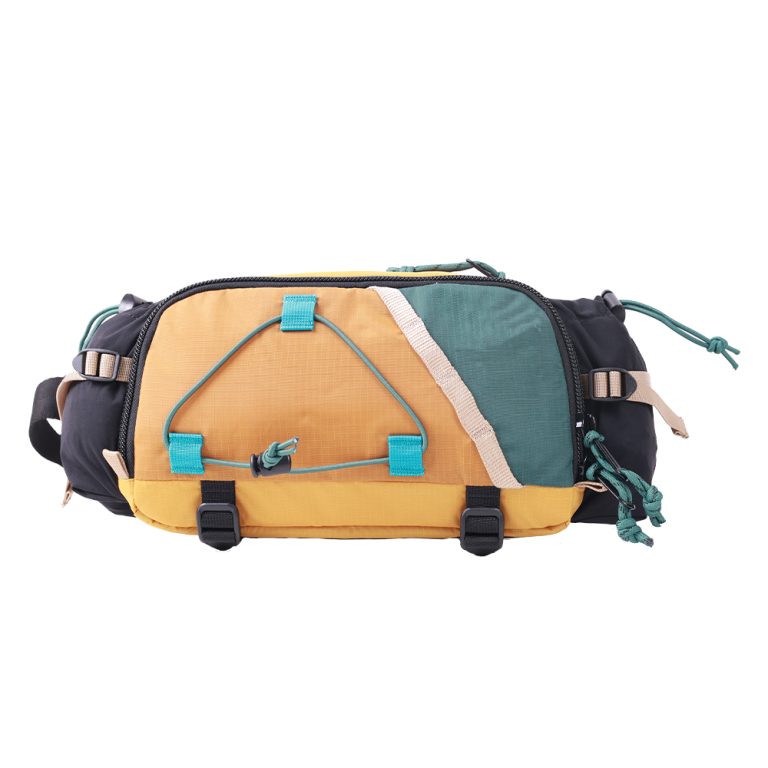
I’ve been around sewing tables and shipping docks long enough to know what matters when you’re ordering custom bags for real use, not just the photo shoot. Start by asking what the bag must do for the end-user. If it’s meant for day hikes and quick hands-free carry, an outdoor sports waist pack performs very differently from a city tote; build requirements change. From years advising hikers and makers who tested gear on the Appalachian Trail, I learned how fit, modular pockets, and buckle strength decide whether a pack becomes a favorite or a regret — which is why a well-made convertible waist pack can make or break a small product line.
Start with the user’s needs — be specific
Begin with a clear list: target body types, typical loads, weather exposure, and the expected lifetime. Write these down. A manufacturer can match materials and stitching only if you can say exactly whether the bag will hold a water bottle and a camera, or a laptop and paperwork. Small details like whether zippers must be taped for rain or whether straps need quick-release buckles matter more than price per unit at first.
Check materials and construction — ask for specifics
Don’t accept “heavy-duty” as an answer. Request denier counts for nylon or polyester, PU coating weight, thread type and stitch count per inch, and hardware specifications (tensile strength for buckles, metal vs. plastic). Ask for photos of factory sample cuts and seams. A single folded corner photo won’t cut it — ask for close-ups of high-stress zones: strap anchors, base corners, and zipper ends.
Samples and iterative testing
Ordering a prototype is non-negotiable. Expect several iterations. Use a three-step test: wear trial, load trial, and weather trial. Put weight in the bag as your customer would, leave it loaded for a day, then check seams and webbing. Wet the fabric and see how water beads or soaks through. Take notes and send them back. Good factories respond with practical fixes; ones that sidestep details will not help your product survive retail returns.
Manufacturing capacity and minimums
Match your order size to the factory’s capacity. Small runs often go to workshops that do excellent handwork but struggle with consistent lead time for larger batches. Larger plants offer scale and automated seams but might require higher MOQs (minimum order quantities). Ask about simultaneous orders: will your run share tooling or line time with others? That affects deadlines and consistency.
Quality control and inspection routines
Ask for the QC checklist and how it’s enforced. Do they inspect every unit or sample by lot? What tests do they run — drop tests, strap pull tests, waterproofing checks? Request photos from each inspection batch and insist failures be corrected before shipment. If you can, arrange an independent pre-shipment inspection by a third party that uses measurable pass/fail criteria.
Communication and transparency
Lines open when problems come up. Track how fast the factory answers technical questions. Slow or vague replies predict missed deadlines. Ask for a production timeline with key milestones and consequences if milestones slip. Choose partners who propose solutions, not excuses. Keep records of design approvals and agreed changes — verbal promises fade fast.
Cost structure and true unit cost
Don’t fixate on unit price alone. Factor in sampling costs, tooling, shipping, duties, inspection fees, and expected returns from defects. Calculate the cost of a failed launch: unsold inventory, rushed reorders, and customer refunds. A slightly higher per-unit cost from a reliable maker often costs less in the long run than repeated reworks.
Common pitfalls to avoid
Skipping a thorough sample test to save money. Approving vague material descriptions. Failing to secure intellectual property and design files. Overlooking packaging and labeling requirements that can delay customs. Expect miscommunications; document everything and insist on sign-off at key stages.
Alternatives and how to evaluate them
If a factory can’t meet your MOQ or technical standards, consider contract producers who consolidate small runs, or local workshops for prototypes. Compare samples side-by-side: make a checklist and score each on the same criteria — seam strength, hardware durability, fabric feel, and finish. The cheapest sample rarely wins once you score for performance and return risk.
Bringing it together
Decide based on how well the manufacturer solves your user’s problem, not on promises. A maker who asks the right questions about usage, materials, and testing has the perspective to guide practical choices. When you need production that holds up in real use and scales predictably, look to partners with documented processes and a record of consistent samples — the value of reliable decisions shows up in fewer returns and happier customers, which is exactly the kind of partnership I recommend with ChangRong.