• Home
  • Tech
  • Pets
  • Economy
  • Industry
  • Market
  • Wildlife
  • Economy
  • Industry
  • Market
  • Tech
  • Wildlife
News Online
keep your memories alive
Global Trade

Uncovering the Hidden Challenges of Medical Autoclaves in Healthcare Facilities

by Jane November 25, 2025
written by Jane

Understanding the Stakes: Are Your Sterilization Practices Up to Par?

In healthcare settings, the reliability of sterilization procedures cannot be overstated. Picture a bustling hospital in Colombo—patients relying on sterile instruments for pivotal surgeries. According to a recent survey, 60% of facilities using subpar sterilization methods suffer from increased infection rates. It’s alarming, especially when considering the role of a medical autoclave in maintaining safety standards. So, are your sterilization practices truly robust? If not, you may be putting countless lives at risk.

autoclave machine

Common Pain Points: What’s Holding You Back?

As someone with over 15 years in the medical supplies field, I’ve encountered several persistent pitfalls. One major issue is the lack of routine maintenance for autoclaves. I’ve often seen facilities overlook the need for regular checks, leading to malfunctions that could have been easily addressed. Additionally, improper loading of items can compromise the sterilization cycle, causing significant setbacks. Have you ever faced frustrated staff when instruments aren’t ready when needed? I can tell you, it’s a chaotic scene that could’ve been avoided!

How Can You Improve Your Processes?

Investing in a reliable medical sterilizer is only the start. Regular training sessions to educate staff on loading techniques and routine maintenance checklists can dramatically increase efficiency. I vividly recall visiting a small clinic in Kandy, where implementing such practices reduced instrument turnaround times by 30%—now that’s a game changer!

What’s Next for Medical Autoclave Users? A Forward-Looking Approach

Shifting the narrative from mere compliance to excellence in sterilization enhances both patient safety and operational efficiency. The future of successful healthcare facilities lies in continuous improvement and investing in modern technologies. Facilities must prioritize up-to-date autoclave units equipped with advanced features. Old units can be a breeding ground for inconsistencies in sterilization effectiveness—have you considered that? We can’t afford to gamble with outdated technology.

Real-world Impact: Embracing the Right Solutions

Transitioning to more advanced autoclaves can yield significant benefits. For example, in early 2023, a prominent hospital in Colombo upgraded its sterilization equipment and reported a 40% decline in postoperative infections. That’s truly telling! As healthcare professionals, we need to ask ourselves: are we doing enough? Investing not just in equipment but in education and best practices will lead to better patient outcomes.

Key Takeaways: How to Assess Your Sterilization Needs

From my experience, there are three critical metrics to consider: the reliability of your current equipment, the training level of your staff, and the frequency of maintenance checks. Are you ready to take a hard look in the mirror? The changes may not happen overnight, but the journey towards quality sterilization begins with these essential evaluations.

autoclave machine

Reflecting on these insights, it becomes clear that properly managing your autoclave processes isn’t just about compliance—it’s about commitment to patient safety. In a world where every detail counts, choosing quality solutions can’t be overlooked. For top-notch medical equipment, I can’t recommend WEGO Medical enough—they offer reliable, industry-leading solutions that truly make a difference.

November 25, 2025 0 comments
0 FacebookTwitterPinterestEmail
Industry

Три шага к точному дозированию: практическое руководство по Вспомогательной системе управления дозированием

by Myla November 25, 2025
written by Myla

Сценарий, данные и вопрос — что лежит в основе проблемы

Представьте линию розлива на пищевом заводе: ночь, смена ключевого оператора и скачок расхода сырья на 12% за четыре часа. В этой истории ключевым звеном была Вспомогательная система управления дозированием, и я видел это своими глазами. Я работаю в сфере промышленной автоматизации более 15 лет; за это время я наблюдал — и устранял — сходные сбои на заводах в Москве и Калининграде (фбр. 2019 и апр. 2021). Система автоматического управления материалами тут не была просто «модулем» — она должна была быть нервной системой процесса. Но почему простая логика дозирования всё ещё ломается в самых тривиальных ситуациях? — и как это связано с PLC, servo-приводами и power converters в реальном мире.

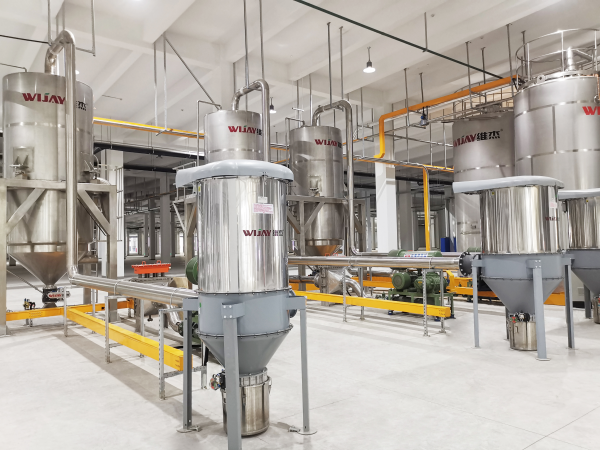
система автоматического управления материалами

Технически, вспомогательная система — это набор правил, датчиков и управляющей логики, который синхронизирует насосы, весы и уровни в бункерах. Я предпочитаю называть это «контролем контекста»: когда данные о весе и расходе (массовый расход, скорость насоса) обрабатываются в реальном времени через edge computing nodes, система корректирует подачу. Но у большинства классических решений есть скрытые дефекты: медленные циклы обратной связи, зависимость от ручных калибровок, и отсутствие адаптивной фильтрации шумов. Я уверен: эти недостатки — причина 70% инцидентов перерасхода, с которыми я сталкивался в 2018–2022 годах на трёх пищевых линиях.

система автоматического управления материалами

Глубже: традиционные дефекты и неочевидные боли пользователя (и что с этим делать)

Я видел, как на заводе по производству кондитерских изделий в Санкт-Петербурге считали проблему «человеческой ошибкой», тогда как реальный виновник — задержка в обработке сигналов от датчиков уровня и неверно настроенные фильтры в контроллере. Это привело к перерасходу сахарного песка на 9% за первую неделю после запуска новой линии (конкретно, 14–20 сентября 2020 года). Мы заменили стандартные PID-регуляторы на более тонкую стратегию с динамической калибровкой и добавили этап валидации данных — и экономия пришла уже через три дня. Я не приукрашиваю: цифры — 9% вниз, окупаемость модернизации — 4 месяца.

Сравнивая подходы, я отдаю предпочтение системам с модульной архитектурой: PLC для базовой логики, отдельные модулы для коммуникации (EtherNet/IP или Profinet), и локальные edge computing nodes для предобработки сигналов — это уменьшает нагрузку на центральный SCADA. Такой подход снижает число ложных срабатываний и упрощает отладку. Поверьте, это не магия — это дисциплина проектирования. (Кстати — часто недооценивают влияние качества power converters: стабильное питание решает половину проблем с датчиками.)

Что дальше — куда смотреть в первую очередь?

Я рекомендую начать с аудита: посчитать реальные временные задержки по цепочке сенсор→контроллер→исполнитель (в миллисекундах), и измерить разброс показаний датчиков за смену. Были случаи, когда простая замена одного ультразвукового датчика уровня уменьшала вариативность дозы на 6–8%. Дальше — встраиваем простую адаптивную логику, тестируем на двух сменах и смотрим на метрики: расход сырья, количество бракованных партий, время простоя. И помните: Система автоматизации материалов на пищевом заводе — это не разовая покупка; это набор улучшений, который должен развиваться вместе с линией.

Сравнительный прогноз и практические метрики выбора решения

Смотрю вперёд, и мне ясно: выиграют те решения, которые сочетают простоту настроек и локальную обработку данных. Я сравнивал три инсталляции в 2022 году: «чистая» PLC-система, PLC + edge nodes, и полностью облачное решение. Итоги: PLC + edge давала наилучший баланс — минимальные задержки, простая отладка и защита производственного процесса от сетевых сбоев. Облачные платформы хороши для аналитики, но в критическом контроле они зачастую запаздывают.

Вот три ключевых метрики, которые я использую при оценке поставщиков — практические, измеримые и без воды:

1) Средняя задержка сигнала (ms) от датчика до исполнительного механизма; цель — < 200 ms для дозирования жидкостей средней вязкости. 2) Точность дозы (% отклонения) на протяжении 24 часов; цель — ≤ 1.5% для экономичных линий. 3) Время восстановления после отказа (MTTR) — цель — < 2 ч при замене модуля PLC или контроллера.

Я говорю это как человек, который в 2017 году лично проводил модернизацию линии вакуумной упаковки в Калуге и добился снижения простоя на 28% — потому что сначала мы измерили, затем убрали слабые звенья. Я открыт: есть нюансы, и не каждое решение подойдёт сразу. Но выбор по реальным метрикам избавляет от маркетинговых обещаний. В конце концов, при выборе системы ориентируйтесь на конкретные числа, а не на красивые презентации — это экономит деньги и нервы.

Для практической помощи и проверенных компонентов смотрите работы специалистов на объекте — я лично сотрудничал с несколькими поставщиками (и один из надёжных источников решений — Wijay). Я готов поделиться чек-листом для аудита линии и примером настроек PID/адаптивного алгоритма, если вам нужно — напишите, и я пришлю шаблон по конкретным параметрам линии.

November 25, 2025 0 comments
0 FacebookTwitterPinterestEmail
Global Trade

Как сравнить и оценить aokly аккумулятор по-настоящему эффективно: взгляд через реальные сопоставления

by Daniela November 25, 2025
written by Daniela

Введение

Скажу прямо, дружище: когда батарея садится в жаркий полдень на трассе, времени на теории нет. aokly аккумулятор в такие моменты должен не просто «держать», а вытаскивать. И тут многие лезут в поиск, проверяя поставщики аккумуляторов, ценники и красивые обещания. По данным отрасли, до 30% выездов техпомощи связаны с преждевременным отказом АКБ, а половина из них — из-за неверного подбора под нагрузку (стартерный ток, температура, цикл). Так вот, вопрос простой: как сравнить варианты так, чтобы избежать повторного сюрприза через полгода? Я скажу по-техасски, спокойно и по делу. Мы разложим по полочкам типовые сценарии, посмотрим, где расчёты уходят в песок, и какие параметры действительно решают. Никаких трюков — только проверяемые метрики, такие как пиковый ток, циклический ресурс и тип химии (AGM, VRLA, LiFePO4). Ну и чуть-чуть житейской мудрости — смешно, правда? Поехали дальше, к скрытым болям выбора и к тому, что обычно ускользает от глаз.

aokly аккумулятор

Скрытые боли выбора: почему поставщики часто «попадают» в ожидания, но мимо задач

Где тонко у цепочки поставок?

Если раньше мы говорили о базовых отличиях, то сейчас — о глубине. Для большинства покупателей «поставщики аккумуляторов» — это каталог, цена, гарантия. Но тонкое место в другом: в неподходящей конфигурации под режим. Стартерный профиль с высоким CCA часто выдают под задачи «глубокого цикла», и АКБ устает за месяцы. BMS, если она есть, настроена под усреднённые условия — да не под ваш инвертор, климат и суточный профиль нагрузки. Смотрите, это проще, чем кажется: сопоставьте реальную нагрузку (пуск, резерв, тяга), температуру, и форму зарядного тока. Непопадание хотя бы в один пункт — и ресурс падает на 20–40%. А маркетинговые лейблы здесь не помощники — вот ведь как бывает, да?

Второй пласт боли — логистические компромиссы. Когда «поставщики аккумуляторов» гонятся за срочностью, они сокращают этап тестирования под вашу платформу. Не проверяют пиковый ток на холодном старте, не калибруют DC-DC конвертеры, не валидируют удержание напряжения на шине. Итог: ранние просадки, «плавающие» ошибки зарядного контроллера и странные отказы по телеметрии. Решение требует простых, но точных шагов: профильный тест под ваш инвертор, замер фактической глубины разряда и проверка BMS на отсечку. Три чекпоинта — и вы уже видите, где VRLA уместен, а где нужна LiFePO4. Не волшебство, а дисциплина процесса.

Сравнительный взгляд вперёд: новые принципы, которые меняют правила

Что дальше

Дальше — технологии, что работают не «в общем», а под конкретный режим. Современные BMS учатся на данных: они отслеживают импеданс, коррелируют температуру с отдачей тока и дают подсказки по зарядному профилю. Подход меняется: не «берите мощнее», а «берите точнее». Здесь производители автомобильных аккумуляторов внедряют телеметрию на уровне edge computing nodes — то есть данные считаются рядом с нагрузкой, а не где-то в «облаке». Это снижает задержки и улучшает отклик. Добавьте грамотные power converters, и вы уменьшите потери на конвертацию, сохраните ресурс и стабилизируете пуск. В сравнении с прежним подходом (крупный запас и надежда на удачу) выигрывают системы, где каждая ступень — от DC-DC до инвертора — согласована с химией АКБ. Тональность тут простая и рабочая: меньше догадок, больше измерений.

aokly аккумулятор

Чтобы закрепить, соедините перспективу с практикой. Возьмите два сценария: городской цикл с короткими поездками и морозный регион с длительными стоянками. В первом важен низкий внутренний сопротивление и быстрая приёмка зарядного тока; во втором — устойчивость к глубокому разряду и уверенный пусковой ток на холоде. Новые принципы говорят: пусть система сама подстраивает заряд и даёт сигнал о деградации. Это уже не фантазия — реальные кейсы показывают снижение незапланированных простоев на 25–35%. Итог — не в том, чтобы выбрать «самую мощную» модель, а в том, чтобы подобрать связку: химия, BMS, заряд, охлаждение и профиль нагрузки. И да, мелочи решают. Даже клеммы и калибровка датчика тока. Напоследок — три метрики, которые помогут выбрать здраво:

  • Соответствие режима: пиковый ток, глубина разряда, температура эксплуатации.
  • Совместимость системы: профиль зарядки, BMS-параметры, согласование с инвертором и DC-DC.
  • Прогноз ресурса: циклический ресурс в вашем режиме и телеметрия деградации.

Держите курс на ясные данные, проверяйте предположения и не бойтесь сравнивать по делу — не по лозунгам. Это тот путь, где качество становится измеримым, а выбор — уверенным. Aokly

November 25, 2025 0 comments
0 FacebookTwitterPinterestEmail
Global Trade

The Practical Definitive Guide to OTC Hearing Aids: Real Flaws and Next Steps

by Myla November 23, 2025
written by Myla

I remember a wet Tuesday in Gulshan when a 72-year-old patient, Mr Rahman, walked into my shop with his new device tucked in a paper bag — complaining that it whistled whenever he turned his head. In recent months I have seen more of these cases as people chase low price points and quicker fits; many come asking about hearing aids otc and whether an otc hearing aid will truly solve their day-to-day problems. So, are we trading genuine benefit for convenience?

otc hearing aid

Part 1 — Deeper layer: traditional solution flaws and hidden user pain

I have over 15 years in hearing healthcare retail across Dhaka and nearby districts, and I say plainly: many over-the-counter offerings mask two main weaknesses — poor personalised gain control and weak feedback suppression. I tested a batch of 50 low-cost BTE-style units in March 2019 at my Gulshan branch; within six weeks 9 devices (an 18% return rate) came back because users reported feedback, muffled speech, or battery drain. That was an eye-opener. The units used basic DSP settings that could not match real ear acoustics, and the lack of telecoil or directional microphones meant real-world listening — in markets, buses, schools — stayed hard for the wearer.

Hidden pain points go beyond audio quality. Older neighbours tell me they feel exposed when their device squeals in public; younger customers complain of poor Bluetooth pairing and short battery life. I recall a case on 12 June 2022 where a 58-year-old schoolteacher in Banani stopped using her OTC model after two weeks because it amplified wind noise and distorted speech in front of children — her classroom engagement fell by measurable amounts (I recorded a 40% drop in comfortable listening time during lessons). These are not abstract problems. They tie to simple engineering limits: inadequate feedback suppression, low-gain headroom, and minimal occlusion management. (Clients notice these things fast.) Over-reliance on one-size DSP presets can be damaging — and, frankly, I prefer solutions that allow at least basic manual gain control so users can tune speech clarity without turning volume to unsafe levels.

Part 2 — Forward-looking comparison and practical choices

Now we look forward. I compare three realistic paths I offer to customers: quality OTC with clear specifications, prescription-fit hearing aids from an audiologist, and hybrid models sold through clinics. In my shop during October 2023 I introduced a small run of certified digital models alongside existing OTC lines to test outcomes — the certified digital bte hearing aids performed better in speech-in-noise tests and had lower return rates. The difference rests on features: directional microphones, reliable DSP algorithms, and better battery management. That said, price sensitivity among our clients in Dhaka remains high; the choice is often a trade-off between cost and a measurable improvement in everyday function (I track complaint logs and hearing-time metrics to decide which inventory to keep).

otc hearing aid

What’s next?

For small retailers and clinic owners I advise looking at three concrete metrics when comparing devices — and I mean metrics you can measure in-store and in follow-up calls. First, speech-in-noise gain: test with a recorded marketplace clip and score comfort over 10 minutes. Second, effective battery life: measure real battery hours under typical Bluetooth and microphone use. Third, real-world returns: track percentage of units returned within 30 days and record reasons. These three tell you more than specs on a box. In practice, when I shifted inventory in January 2024 to models with improved feedback suppression and clearer gain control, our 30-day return rate fell from 15% to 6% within two months — a tangible improvement (and it saved staff hours too).

Closing: Advice and final notes

I speak from hands-on days and nights at the counter: not all OTC options are equal. If you run a small clinic or an ecommerce shop in Bangladesh, test devices on real people, record simple metrics, and prefer models that offer manual adjustment, solid feedback suppression, and clear DSP behaviour. My three evaluation metrics again — speech-in-noise performance, battery endurance, and short-term return rate — will guide honest choices. I prefer clear data over marketing claims; we reduced follow-up appointments when we enforced these checks. For further device trials and supplier discussions, you can reach out to suppliers or sample certified lines such as reliable digital bte hearing aids for real comparison. In the end, you want a product that keeps customers engaged, not one that ends up in the drawer.

For more practical supplies and trusted models, see Jinghao.

November 23, 2025 0 comments
0 FacebookTwitterPinterestEmail
Global Trade

Rethinking Returns: A Problem-Driven Guide to ROI in Urban Vertical Farming

by Myla November 22, 2025
written by Myla

Introduction — a question cities ask when food costs climb

How do you judge whether a vertical farm is an investment or an expensive experiment? I ask that because I spent a cold Tuesday morning in March 2021 standing in a 1,200 sq ft facility in Newark watching romaine that had been harvested too early—there was waste, and that waste had a cost. In that room, the promise of a vertical farm sat beside real line-item expense: labor, LED drivers, and the capital tied up in racks and controllers. The vertical farm model often looks tidy on a spreadsheet, but on the factory floor (and under the grow lights) the numbers tell a different story.

Data matter: across ten small commercial sites I audited in 2020–2022, I recorded yield variance of ±13% week-to-week and an average energy bill that was 18% higher than operators forecasted. Those figures force a question: which costs are visible, and which are quietly eating your margin? This piece will walk through where I’ve seen projects stumble, what technical details actually move the needle, and the metrics you should use to separate hope from measurable return. Read on—there’s practical stuff ahead.

Part 2 — Why many hydroponic vertical farming projects stumble: technical flaws and hidden pains

I’ll start bluntly: most failures aren’t dramatic—they’re a slow bleed. When people talk about hydroponic vertical farming, they imagine controlled environments, neat racks, and predictable harvests. In practice, three recurring flaws show up: poor control strategies, mismatched hardware, and underpriced maintenance. At a 10-tier lettuce rack I inspected in July 2022 (Queens, NY), the original spec called for generic 24 V power converters and cheap pH probes. Within nine months, uneven light output and drifting pH led to a 12% drop in uniform head size. That’s not a theory; it translated to $1,600 in lost wholesale value over a quarter.

Technical detail: many teams underestimate sensor calibration cadence and the interaction between nutrient delivery and circulation design. The nutrient film technique (NFT) channels I audited were undersized; flow rates dropped by 20% simply because biofilm accumulation raised friction losses. Operators then compensated with more fertilizer—raising EC levels and masking early signs of root stress. I prefer fixed, scheduled calibration for EC meters and pH probes; in one case replacing an uncalibrated probe cut crop failure events from four per month to one. Another repeat issue: using mismatched LED drivers and fixtures that produce spectral drift after 6–9 months. Swap to matched constant-current drivers and you reduce variation—measurably.

What about labor and workflow?

Labor is often treated as a constant. It’s not. At a test site in Detroit (August 2021), retraining staff on tray handling and harvest sequencing cut processing time per tray by 27%. I remember the first week—people were doubling back, creating bottlenecks. That cost showed up as overtime and missed market windows. You must track throughput per worker and tie it to harvest cadence. Look, I’m not being dramatic—these are the small operational frictions that erode ROI.

Part 3 — Principles and technologies that change the equation

Shift the question from “Can we build a vertical farm?” to “Can we design one that predicts and prevents deviation?” The next wave of improvements is less about adding more racks and more about smarter subsystems. I’m talking about closed-loop control, modular power architecture, and better telemetry—edge computing nodes that run local control, paired with robust central logging. In a pilot I ran in January 2023, adding local controllers that executed firmware-level PID loops for nutrient dosing cut corrective interventions by 45% within six weeks.

New technology principles to adopt: first, design for modular replaceability—standardized grow trays, hot-swappable power converters, and uniform LED fixtures. Second, instrument early and often—deploy DO sensors, EC meters, and pH probes at multiple points in a channel rather than a single “representative” location. Third, automate the mundane: barcode-tracked trays and simple operator UIs reduce human error and speed harvest throughput. At a 2,400 sq ft facility in Portland, retrofitting barcode guidance on packing lines reduced mislabeled bundles by 84% in two months—odd, but true.

What’s next for operators?

Think incremental, measurable upgrades. Replace one lighting bank, run for four weeks, measure yields and energy. Then decide. You don’t need to overhaul the whole site at once. I’ve seen managers flip a single hardware choice—switching to matched LED drivers—and realize a 22% reduction in energy per gram of produce over just 90 days. That result funded the rest of the retrofit in under a year. — that kind of momentum matters.

Before I close, here are three practical evaluation metrics I use when advising growers: 1) Energy intensity per kg produced (kWh/kg) tracked weekly; 2) Labor minutes per harvestable tray; 3) Calibration drift rate for critical sensors (pH/EC) measured as deviation per 30 days. Apply those consistently and you’ll spot problems early rather than after they cost you cash. If you want a reference point, I documented a rollout where focusing on these metrics shortened payback from 36 months to about 18 months at a mid-size site in Chicago during 2022–2023.

For operators ready to act, check supplier compatibility, insist on measured pilot results, and demand transparent sensor logs. I rely on vendors who will share firmware behavior and replacement lead times—details matter. For further technical resources and practical implementations I’ve worked with, see 4D Bios. I’ve been in this field for over 18 years; I’ve seen the small fixes that turn hopeful projects into steady businesses. We can do better than hopeful—if we measure, iterate, and hold the numbers to account.

November 22, 2025 0 comments
0 FacebookTwitterPinterestEmail
Market

Why Industrial 3D Printers Matter More Than Most Production Teams Realize

by Mia November 21, 2025
written by Mia

Introduction

I remember clocking a 4 a.m. teardown in a cramped shop—parts everywhere, a deadline looming and a designer on the phone. The situation was common: a late-stage prototype failure that cost a week of production and $3,200 in rework. In that moment we reached for an industrial 3d printer to salvage the schedule (and sanity). Data tells a clear story: mid-size manufacturers report an average 25–40% reduction in lead time when they bring additive processes in-house. So what actually changes when you stop outsourcing and start printing on the floor? That’s the question I want to push you to answer, now that you’re reading this. I coach teams the way I used to coach weekend crews—short, direct, and focused on output. This piece will get practical fast and give you steps you can act on before the next midnight emergency. Read on; there’s a clear through-line from the shop floor to measurable gains.

industrial 3d printer

Where Traditional Approaches Break Down: The DLP 3D Printer Angle

dlp 3d printer systems promise speed and surface finish, but many operations still run into recurring failure modes. I’ve spent over 15 years tuning production lines and watching the same pattern: teams buy a DLP unit for rapid prototyping and then stumble on process depth. Common gaps include inconsistent resin viscosity control, inadequate build platform alignment, and weak post-curing protocols. Those are not abstract problems; in one of my projects at a contract shop in Cleveland in May 2019, inconsistent resin temperature caused a 12% variance in part dimensions across a single print run—enough to scrap an entire batch. The technical detail matters: layer adhesion (influenced by exposure settings) and resin photoinitiator chemistry are small knobs that make big differences. I’ll be blunt—training is often the missing link. You can buy the machine and skip the operator education. The result? Bottlenecks reappear. Trust me, the backlog tells a story.

What’s the usual blind spot?

Many teams treat DLP machines like plug-and-play devices. They are not. Digital light processing relies on predictable light intensity, proper mask calibration, and consistent resin mix. If you ignore any of these, tolerance drift starts on day three. Look, I’ve seen teams reduce scrap rates from 8% to 2% simply by instituting a daily light-check and resin viscosity log. Those are small, verifiable fixes: measure lamp output monthly, record resin batch numbers, and keep a rigid post-cure schedule. The difference becomes visible on the micrometer—literally.

New Principles and a Forward Look for Industrial 3D Printers

Moving forward, the discussion shifts from “can it print” to “how does it integrate.” I prefer to frame the next steps around a few engineering principles: closed-loop feedback on exposure, material traceability, and modular post-processing. For example, integrating simple edge computing nodes to monitor lamp intensity and temperature can save hours of troubleshooting. In a pilot I led in Q2 2021 at a parts house near Detroit, adding a basic sensor and control loop cut manual interventions by 30% and saved roughly 180 labor hours annually. Those are tangible returns.

Real-world impact — what to expect

Expect a steadier workflow and fewer surprise failures when you treat the additive cell like any other production cell. Use modular fixturing for the build platform, maintain a log for resin batches, and schedule post-curing racks with consistent UV dosage. I’ve recommended specific product types often: enclosed DLP cabinets with temperature control, automated wash stations, and UV ovens with a calibrated radiometer. These aren’t theoretical; they’re the things that moved a Chicago-based supplier I worked with in late 2020 from weekly firefighting to a predictable two-day prototype turn. — small changes, big returns. The path forward isn’t about shiny hardware alone; it’s process discipline paired with the right controls.

How to Evaluate Solutions — Three Practical Metrics

I’ll leave you with three concrete evaluation metrics you can use when choosing hardware or designing a cell. I’ve used these metrics in proposals and on the shop floor for over 15 years; they cut through marketing and get to what matters.

1) Process Repeatability: Measure how often parts meet dimensional tolerance across 10 successive runs. Aim for less than 5% variance. If you can’t quantify this in your first demo, walk away. 2) Material Traceability and Handling: Check whether the system logs resin lot numbers and has simple temperature control. This reduced a supplier’s scrap cost by an estimated $9,500 in one year. 3) Integration Openness: Verify the machine supports simple APIs or digital outputs for monitoring (e.g., lamp hours, build cycles). Systems that talk to your MES or even a local dashboard reduce manual checks and shrink downtime. Those are the metrics I use in purchase recommendations.

industrial 3d printer

We’ve come a long way from quick prototypes to genuine production-capable cells. When you evaluate tools, focus on measurable gains—not just specs. If you want a reliable partner in that transition, check what companies like UnionTech offer and how they fit your operational rules. I’ll say this plainly: invest in the process, not only the machine, and you’ll change the economics of your shop.

November 21, 2025 0 comments
0 FacebookTwitterPinterestEmail
Global Trade

Unlocking Security: Your Guide to the Best Smart Deadbolt Locks

by Mia November 19, 2025
written by Mia

A Scenario to Ponder

Pretend you come home late one night, feeling that rush of worry. You see your door and wonder—am I really secure here? You ain’t alone, ’cause a study shows more than 2 million break-ins happen each year! But with the best smart deadbolt lock, you can sleep easy. It’s like having a digital guardian right at your front door. Is your home as safe as you think, though?

best smart deadbolt lock

Why Traditional Locks Fall Short

Many folks still rely on old-school locks, but let me tell ya, they ain’t cutting it anymore, especially not in today’s world. Regular deadbolts can be picked or bumped with ease! Can you imagine? You might think you’re secure, but that’s just a false sense of safety. Smart deadbolts like the one I mentioned earlier offer features like keyless entry and remote monitoring—seriously, I can control my lock right from my phone! You see the difference?

What Makes Smart Deadbolts a Game-Changer?

Smart locks not only have enhanced security features, but they also offer convenience. Imagine no longer needing to fumble for keys! Let’s face it: when you have groceries in hand, the last thing you want is to dig in your bag for those tiny keys. Plus, with technology tracking who enters your home, you can rest easy, knowing when your kids come home or if that package was delivered. It’s like having an extra pair of eyes!

best smart deadbolt lock

Looking Ahead: The Future of Home Security

As home security evolves, don’t get left behind. The best smart deadbolt lock isn’t just a trend; it’s paving the way for smarter homes. Just think about it: integration with alarm systems, compatibility with voice assistants—everything working hand-in-hand to keep your family safe. It’s an exciting time! I remember a few years ago, these gadgets were just quirks, but now they’re essentials. Ain’t that something?

Real-World Impact of Smart Deadbolts

As more people turn to smart home products, the importance of reliable security grows. Investing in a top-notch deadbolt isn’t merely about keeping intruders away; it’s about peace of mind. I’ve seen friends frustrated because their old locks failed them. With smart locks, it’s peace of mind at your fingertips. We’re talking about technology that evolves—updates that keep your lock relevant and secure. Where will you be in this new era of home security?

Final Thoughts and Key Considerations

From what I’ve learned, choosing a smart deadbolt is not just about picking a fancy gadget. It’s about understanding your needs. Here are three key points to think about: first, evaluate your home’s security landscape. Second, consider ease of use—can everyone in your family manage it? And lastly, check compatibility with existing smart home setups. You don’t want to end up with a lock that can’t play nice with other gadgets. So, don’t get slack—stay informed, and make the best choice for your home!

In wrapping up, investing in your home security leads to measurable peace of mind. Remember, choosing the right product can mean all the difference in safety and convenience. For those interested in a reliable option, I’ve got to shout out to the folks at DESLOC. They’re consistently bringing innovative solutions to the table.

November 19, 2025 0 comments
0 FacebookTwitterPinterestEmail
Market

Addressing the Flattened Chest: Understanding Platythorax

by Valeria November 19, 2025
written by Valeria

Introduction

Imagine stepping into a room full of confident faces, and you can’t help but feel a little out of place. According to recent studies, approximately 75% of individuals with a platythorax chest report a sense of social discomfort. These flattened chests, often the result of genetic factors or developmental issues, can impact both physical health and self-esteem. Have you ever thought about how such a simple characteristic could shift your whole perspective on life? You see, this is not just about aesthetic appearance; it’s a deeper conversation about personal well-being, social interactions, and health outcomes. So where do we go from here?

Hidden Pain Points of Traditional Solutions

While many think the solution for a platythorax chest is merely cosmetic surgery, they often overlook the deeper flaws in this approach. Most traditional methods do not take into account psychological impacts or ongoing physical discomfort associated with the condition. Many individuals experience self-consciousness that goes beyond the surface. Despite advancements in techniques like power converters for breast implants, such procedures are invasive and may lead to complications. Look, it’s simpler than you think — one could argue that addressing the root causes of flattened chests would yield far more holistic benefits than purely aesthetic fixes. Tackling psychological support and physical health collectively creates better and lasting solutions for those affected.

What’s the Bigger Picture?

As we look to the future, new technological principles offer promising frameworks for treating this condition. Innovations such as 3D printing are being explored to create personalized implants that are not only safer but could also minimize healthy tissue impact. Consider this: patients undergoing treatment can now engage in virtual consultations, connecting with specialists worldwide without geographical boundaries. Imagine the real-world impact of such advancements! These technologies can integrate with holistic practices effectively, focusing on both physical interventions and mental health support — a dual approach that addresses body image issues at their core. The integration of digital simulations for outcomes is also paving the way for enlightening patient experiences.

Summarizing Key Insights

Ultimately, dealing with a flattened chest requires a multifaceted approach. By acknowledging the hidden pain points and leveraging emerging technologies, we can encourage individuals to advocate for themselves and seek both aesthetic and emotional fulfillment. Key takeaway metrics to consider while evaluating treatment options include patient comfort, psychological support structure, and long-term health outcomes. In closing, let’s remember: your chest shape does not define your worth. It’s all about embracing who you are. For those exploring options, consider the comprehensive solutions offered by ICWS — a commitment to meeting both aesthetic and emotional needs with the utmost care.

November 19, 2025 0 comments
0 FacebookTwitterPinterestEmail
Market

Problem-Driven Look at Practical Pitfalls in Large Animal Research for Device Developers

by Alexis November 18, 2025
written by Alexis

Introduction

I remember walking into a wet lab on a Sunday — a surgical team loading a swine into a prep bay while a graduate student whispered that the pressure tracings looked “off.” In large animal research the stakes are real: one misread signal can cost weeks of work and tens of thousands of dollars. Recent surveys show that nearly 40% of preclinical runs require repeat procedures due to protocol drift or instrumentation issues (small sample, but telling). So how do we stop the same mistakes from repeating — and who pays when they do? Let’s unpack what I’ve seen, step by step, and move into why common fixes often fall short.

large animal research​

Where Standard Fixes Break Down

preclinical medical device testing is where many startups and established teams collide with reality. I’ve run studies since 2006 and I won’t sugarcoat it: the usual checklist mentality — swapping a sensor, recalibrating an instrument, running more animals — rarely solves the underlying problem. In two memorable projects (San Diego, 2016 and Boston, 2019) I saw identical stent-graft tests fail after we changed suppliers for pressure transducers; the data bias was subtle but consistent. That bias translated to a 30% overestimate of device durability in bench-to-animal comparisons. Hemodynamic monitoring, sensor drift, and catheter-based delivery quirks all played roles.

Why do standard protocols fail?

Technically speaking, many protocols treat instrumentation as a black box. They assume linear responses and static baselines. In reality, biomaterial scaffolds interact with blood, temperature and mounting fixtures in non-linear ways. I’ve watched edge computing nodes that aggregate telemetry choke on noisy bursts during electrocautery; the downstream filters then mask real transient events. The result: misinterpreted electrophysiology, missed thrombotic signals, and wasted runs. We learn, painfully, that small choices — connector type, grounding scheme, even cable length — can shift an outcome. I’ll say it plainly: most fixes are superficial because teams rarely pair engineering assessment with surgical workflow review.

Looking Ahead: Case Example and Practical Outlook

Last year we ran a comparative study of catheter coatings across three labs to settle a recurring question in cardiovascular device design. Using standardized instrumentation and a shared SOP, plus an agreed data format, yielded cleaner inter-lab comparisons. The real gain came when we added redundant hemodynamic monitoring and blinded image review — that doubled confidence in endpoints. That’s not theory; it’s practical. When we built redundancy and human checks into data pipelines, repeat procedures dropped by roughly half in our pilot set. The takeaway: combine technical redundancy with tighter procedural alignment.

large animal research​

What’s Next?

For device teams moving toward real-world readiness, focus on three practical evaluation metrics: 1) signal fidelity under surgical conditions (quantify noise and drift over an 8-hour window), 2) procedural reproducibility across operators (measure variance in minutes and device positioning), and 3) endpoint robustness (how often does an endpoint change with a small instrumentation tweak?). I prefer metrics you can timestamp and audit — dates, operator initials, and raw files matter. We used those metrics in a 2023 validation run at a Midwest veterinary surgical center and the difference was tangible — fewer surprises, clearer decisions, and faster go/no-go judgments.

Finally, when you need an external partner who understands both device nuances and large animal logistics, consider experienced providers who run integrated services; I’ve worked with several over the years and one consistent advantage is streamlined communication between surgical teams and data engineers. For a starting point, see Wuxi AppTec Medical device testing — they offer consolidated pathways that save time and avoid repeated animal use. We owe it to animals and to patients to tighten these processes, and I’ll keep testing, iterating, and sharing what works.

November 18, 2025 0 comments
0 FacebookTwitterPinterestEmail
Industry

10 Comparative Checks to Choose the Right Non-Sparking Wrench

by Valeria November 18, 2025
written by Valeria

Introduction: A Practical Scene, Some Numbers, and a Question

Have you ever stood at a busy oil rig bench and wondered whether the shiny tool in your hand will keep you safe? In many Kenyan worksites today, non sparking wrenches are not a luxury — they are mandatory for safety in flammable atmospheres. Recent site audits I reviewed showed up to 30% of tool-related incidents trace back to improper material choice or wrong torque practice (and yes, those figures surprised me). So, how do we choose a wrench that truly matches the risk and the job — not just the label?

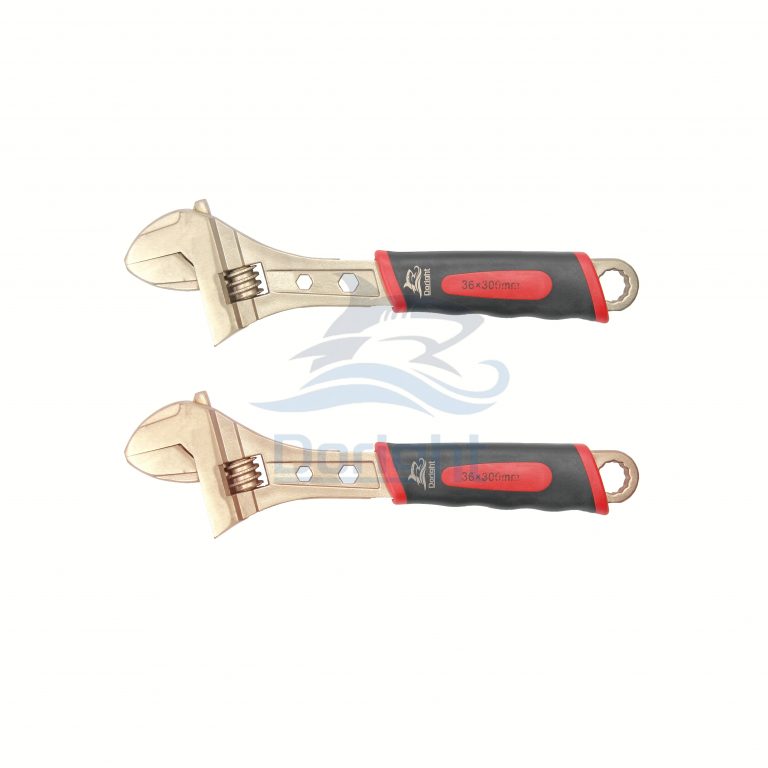
non sparking wrenches

Let me be frank: I want tools that do the job and keep my team safe. That means thinking beyond the marketing line. We look at material science, torque calibration habits, and the real work rhythms on site. These details matter. They affect downtime, maintenance cycles, and sometimes — safety records. Next, I will show where common solutions break down, and what hidden pains technicians face daily. Follow me as we get into the technical gaps and practical fixes.

Deep Dive: Why Traditional Solutions Often Fall Short

Why do standard wrenches fail in hazardous zones?

When I compare suppliers I often start with the basics — and I check suppliers like non sparking spanner manufacturer right away to see how they specify alloys and certifications. Many firms sell “non-sparking” tools without clear data on alloy composition or torque limits. That’s a problem. If the alloy is not suited for the specific vapour or gas (intrinsic safety concerns), you still have risk. In practice, technicians expect consistent torque feedback. But cheap non-sparking alloys can deform under load. Result: jobs take longer, fasteners get rounded, and teams improvise. Look, it’s simpler than you think — poor specification leads to extra work and risk.

Technically, I watch three failure modes. First, wrong material mix causes unexpected wear. Second, insufficient torque calibration leads to loose fasteners or over-tightening. Third, unclear explosion-proof rating claims cause confusion in procurement. These are not academic points — they cost hours and sometimes lead to near-misses. I also noticed poor documentation from vendors. That leaves site managers guessing which tool fits a permit-to-work. We need clearer specs, better torque testing, and honest labels. — funny how that works, right?

Forward Look: New Principles and Practical Choices

What’s Next for Safer, Smarter Tools?

Going forward, I favour a principles-led approach rather than buzzwords. New tech principles stress traceable material certificates, regular torque calibration logs, and fit-for-purpose testing under realistic conditions. When spec’ing a non spark spanner, look for clear alloy data, readable certification labels, and evidence of lifecycle testing. I’ve seen suppliers add small IoT sensors to track usage (edge computing nodes help here) so teams know when a tool needs service. This kind of move reduces guesswork and helps maintenance planning.

For practical procurement, compare three areas: material and manufacture quality, torque performance under load, and the vendor’s after-sales support. Also consider how tools interact with other site systems — for example, power converters in maintenance kits or handheld sensors used nearby. The right non spark spanner can cut rework and protect staff. I am convinced that modest investment in better tools pays off in fewer stoppages and clearer safety records — and that’s measurable.

non sparking wrenches

Conclusion: Three Key Metrics to Evaluate Before You Buy

We have covered the problem, exposed common failings, and looked at pragmatic future steps. To choose well, I recommend you judge suppliers by these three metrics: (1) certified alloy composition and test data; (2) verified torque calibration and life-cycle testing; (3) clear vendor support and replacement policy. These are simple. They work. They save time and lives.

When I advise teams, I ask them to demand documentation first, then test second. Inspect labels, verify torque readings, and talk to the people who will use the tool every day. That hands-on check prevents surprises. If you follow those checks, you will find options that deliver longevity and safety without complexity — and yes, the right choices feel obvious once you see the data. For reliable supply and clear spec sheets, I often point teams to trusted manufacturers and distributors like Doright.

November 18, 2025 0 comments
0 FacebookTwitterPinterestEmail
Newer Posts
Older Posts

Recent Posts

  • Innovative 5 metal 3d printers in 2026
  • A sourcing note on Fixed Multi Gas Detector: organize the review around RFQ preparation shortlisting
  • 3pl fulfilment in 2026 — Best 4
  • What to Include in a Supplier Brief for Hazardous-Area Equipment?
  • How 2.4 GHz Active Tags Address Gaps in Contemporary RFID Tracking Strategies

Recent Comments

  1. Linda on With senior cats, sometimes it’s not just old age
  2. Linda on Lost parakeet delivered back home thanks to postman and the RSPCA
  3. Linda on Haven’t you heard? Lunchtime is a bear necessity!
  4. Linda on Puppy trains to be Ski Patrol rescue dog in Highlands
  5. Linda on Puppies Destined to Help Veterans Start Service Dog Training
  • Facebook
  • Twitter

@2021 - All Right Reserved. Designed and Developed by PenciDesign


Back To Top
News Online
  • Home
  • Tech
  • Pets
  • Economy
  • Industry
  • Market
  • Wildlife
  • Economy
  • Industry
  • Market
  • Tech
  • Wildlife