
Opening the problem
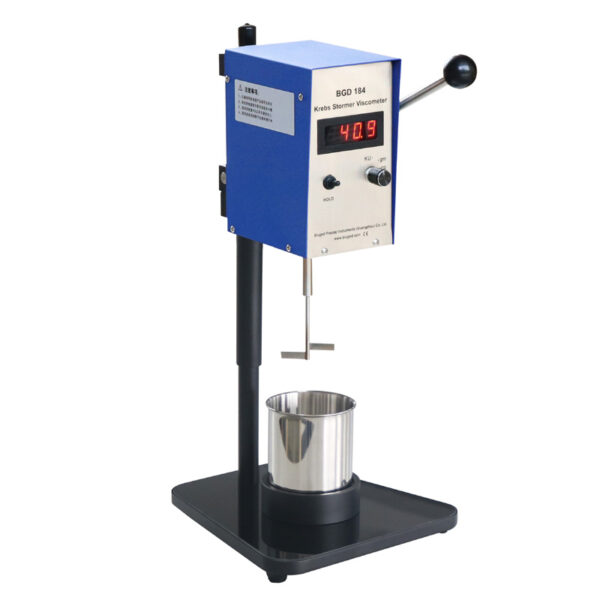
Specifications speak like dry columns, but the laboratory must sing. When product teams hand over viscosity requirements without context, procurement and bench scientists scramble to find instruments that measure what matters. For liquids and semi-solids the choice often rests on rotational devices; thus an early, honest look at rotational viscometers saves time and avoids mismatched expectations. The problem is simple to state: unclear requirements lead to the wrong mechanics on the bench and a cascade of retests, delayed releases, and fragile data.
Why this problem matters
Wrong instrument choice changes decisions. Formulators read viscosity numbers as truth; a mis-specified spindle, an ignored temperature control, or a device with inadequate torque yields values that do not translate to scale-up or customer use. The consequence is not just an extra round of measurements — it is product variance, supply uncertainty, and extra months of validation that a tight schedule cannot afford.
Defining clear measurement requirements
Begin with the measurable: shear rate range, temperature range, sample volume, expected viscosity span, and repeatability goal. State whether you need shear-thinning curves, single-point viscosity, or dynamic testing. Specify acceptance criteria: maximum allowable deviation, required calibrant traceability, and reporting format. These concrete items convert a vague need into procurement-ready specifications and make vendor responses comparable.
Choosing the instrument: trade-offs and alternatives
Rotational viscometers cover a broad set of needs, but they are not the only option. Capillary viscometers excel for Newtonian, low-viscosity fluids; falling‑ball methods suit simple oils; rheometers offer instrument-level control for complex, structured systems. Ask what you must measure rather than which brand you prefer. If you need flow curves and thixotropy, a bench rheometer is the right tool; if you require routine QC at a single shear point, a calibrated rotational unit with the correct spindle and temperature bath is the pragmatic choice.
Experience, standards, and trust
Years at the bench teach a clear rule: traceable calibration and documented procedures matter most. Labs that attend global instrumentation forums such as Pittcon find consistent vendor practices and peer-reviewed methods that align instrument capability with test intent. Implement calibration schedules, use certified reference fluids, and enforce temperature control during runs. For everyday lab work a well-maintained lab viscometer yields repeatable results when combined with written SOPs and periodic inter-lab comparisons; these practices demonstrate expertise and assure stakeholders that results are authoritative and trustworthy.
Common pitfalls and how to avoid them
Do not select by price alone. Beware of three recurrent mistakes: choosing instruments with insufficient torque for heavy samples, neglecting thermal equilibration, and skipping spindle validation. Fix these by requiring torque curves in vendor datasheets, mandating a documented temperature hold period, and requesting calibration certificates for spindles and standards before shipment. Record ambient conditions and sample handling steps in every run log.
Acceptance testing and delivery validation
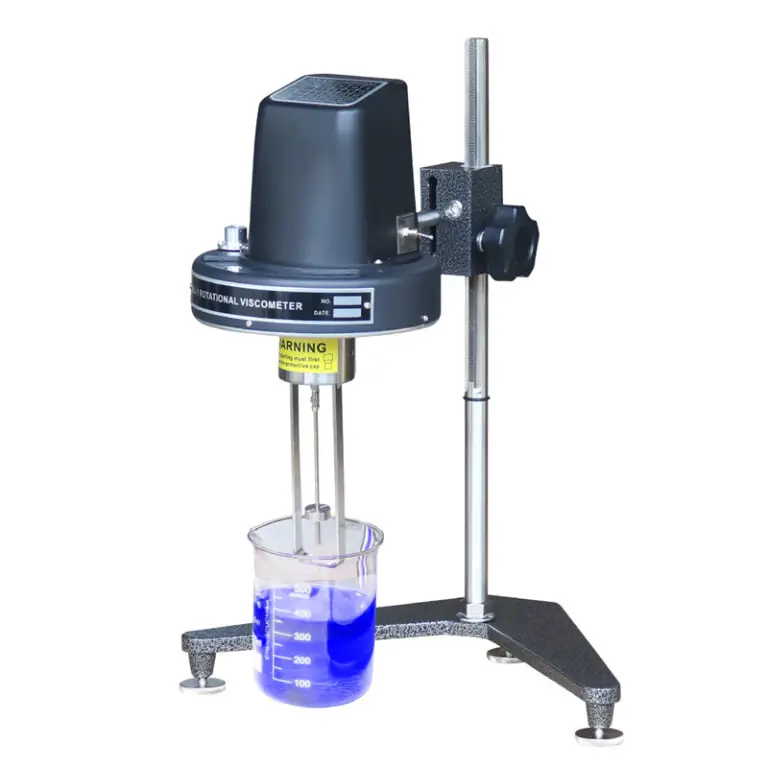
Acceptance testing should mirror intended use. Create a short validation protocol: run reference fluids across the expected viscosity range, confirm repeatability over multiple operators, and verify temperature stability. Include an out-of-box checklist that records spindle compatibility, accessory delivery, software version, and calibration documentation. Hold the supplier accountable for training on the delivered configuration.
Closing synthesis
A measured approach resolves the problem: specify what you will use the data to decide, test instruments against that purpose, and insist on traceability and documented practice. Such clarity transforms procurement from guesswork to a reliable engineering step, and that is the quiet value a disciplined partner brings to the bench—precise instruments, proven methods, and service that aligns with laboratory intent as embodied by BIUGED.