
Introduction
Pectus excavatum is a chest wall shape that can narrow space for the lungs and the heart. The wang procedure is one option people consider today. Many families hear about pectus excavatum surgery after a game-day scare, a gym class test, or a routine checkup. Picture a teen who gets winded on a short run; the parent worries, the coach notices, and the questions start. Data say the condition shows up in about 1 in 400–1,000 people, often in boys, and can affect stamina and self-image. Yet choices are not simple—Nuss, Ravitch, hybrid, or wait-and-see. Which path helps most, with the least trade-offs, and for whom (adolescent, adult, asymmetric chest)? Here’s the frame: define the problem clearly, compare what outcomes matter, and watch for hidden costs. One more thing—community stories can be loud, but they are not the same as measured results. So, how do we cut through the noise and pick a smart route? Let’s set the stage, then move to what old fixes miss, and what newer methods try to solve next.

Where Traditional Fixes Miss the Mark
Why do old fixes fall short?
Look, it’s simpler than you think: older playbooks often focused on a one-size bar or an open cut, not the person’s exact chest map. That can mean longer pain, visible scars, or bars that don’t match asymmetric ribs. Some patients report chronic discomfort tied to intercostal nerve irritation. Others get bar shift when coughing or training—funny how that works, right? Classic methods did not always model chest biomechanics ahead of time. Without 3D CT reconstruction or finite-element thinking, the sternum might be pushed, not guided. Thoracoscopy helps with safety, but if the plan is generic, the result can still feel generic.
Hidden pain points show up in the journey, too. Perioperative care varies a lot; one hospital uses cryoanalgesia, another relies on basic nerve blocks, and recovery time swings wide. Adults often heal slower and face higher stiffness, yet many studies mix teens and adults, masking risk. Families want fewer nights in the hospital and less missed school, but they get unclear timelines. And in complex chests—think rotation, deep asymmetry—the lack of patient-specific stabilizers can raise reoperation odds. These gaps are why people look again at modernized pathways and clearer metrics.
Comparative Outlook: Principles Powering the Next Wave
What’s Next
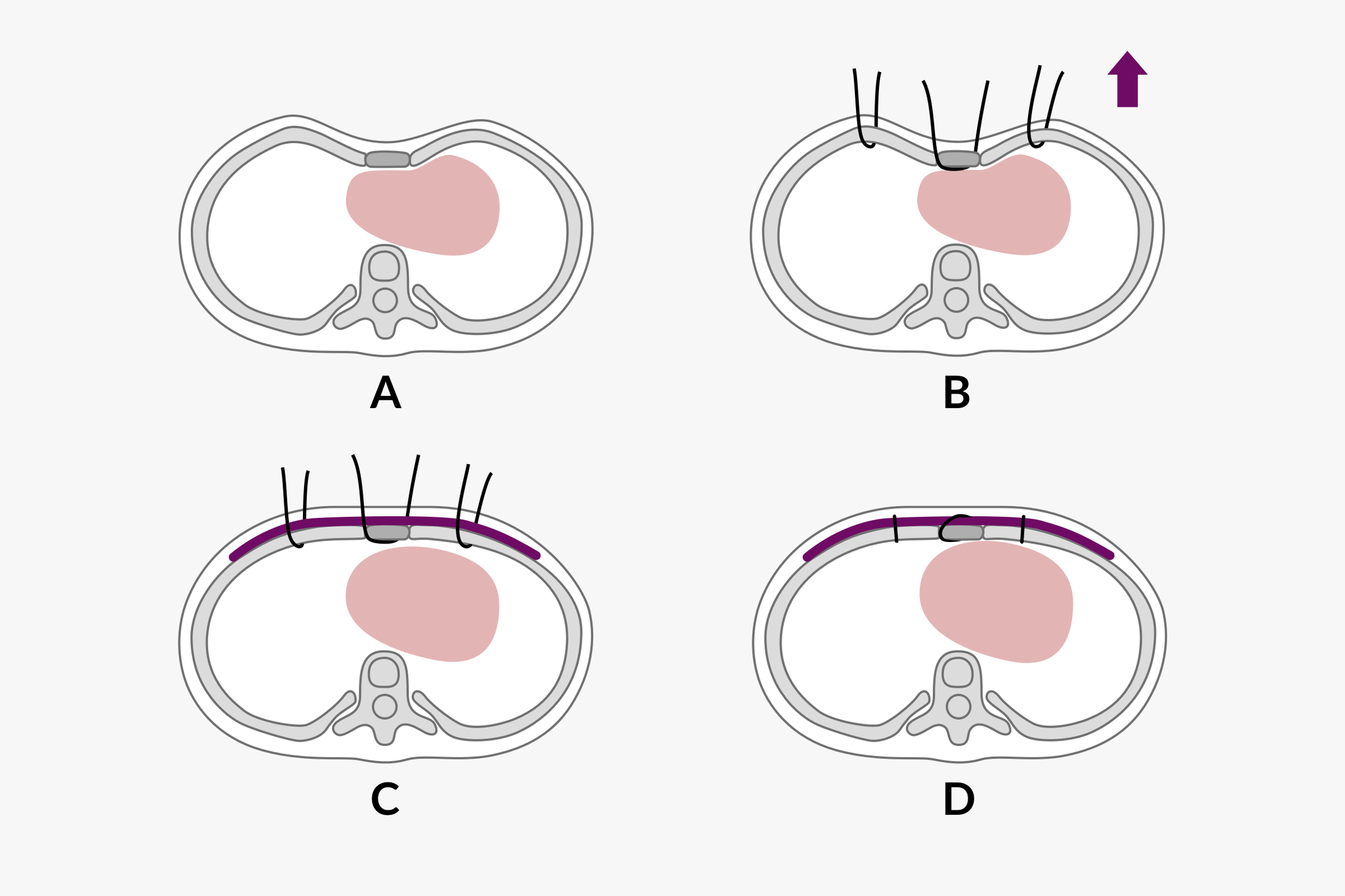
Newer approaches make a simple promise: match the plan to the chest, not the chest to the plan. That means pre-op segmentation of the deformity, targeted sternal elevation for safe passage, and better bar-to-rib coupling. Teams now lean on 3D CT reconstruction to map depth and rotation, then simulate force lines. Intraoperative navigation and measured traction aim to reduce blind passage risks. Stabilizers are more refined, and multi-point fixation can tame torque. The idea is less trauma, better biomechanical stability, and cleaner perioperative care. When you compare any method—including surgery for pectus excavatum—stack it against these principles, not just a label. Methods evolve; physics stays the same.
We also see gains in pain control and return to life. Cryoanalgesia protocols, enhanced recovery after surgery, and calibrated activity ramps can cut hospital days and speed return-to-sport. Adult pathways now include bone-density checks and staged rehab. The lesson from above: older fixes missed personalization and consistency; newer ones try to engineer both— and yes, that matters. To choose well, use three simple metrics: 1) Fit-to-deformity score: does the plan use imaging and patient-specific force logic? 2) Recovery profile: expected pain days, nights in hospital, and time to school/sport. 3) Risk ledger: rates of bar displacement, reoperation, nerve pain, and scar impact at 12–24 months. Keep it human, keep it measurable, and keep it comparative. For deeper context and up-to-date pathways, see ICWS.