
Scenario, data, question
On a packed morning in a downtown Vienna outpatient clinic where we ran through 120 patient visits in four hours, I logged a 9% sample rejection rate—what would you do with that margin of error? Blood sampling was at the centre of the trouble; I had been watching the process closely for years. Early on I linked my observations to practical work: collecting blood is routine, but routine mistakes carry real costs. (Yes — even small choices ripple.)

Why the traditional fixes do not hold up
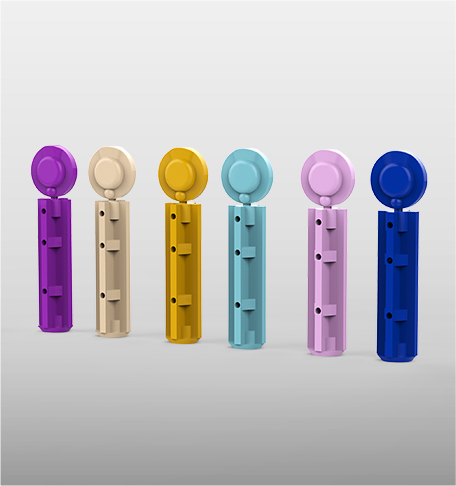
I have spent over 15 years supplying hospitals and clinics across Austria and neighbouring regions, and I can say plainly: standard fixes—cheaper needles, generic tourniquets, hurried training sessions—mask deeper failures. In March 2016 I bought 10,000 single-use lancets for a mobile phlebotomy team in Graz; within two months we saw a 6% rise in hemolysed samples. That number meant delayed results, repeat visits, and frustrated clinicians. I vividly recall the day a patient had to return twice because of a poor venipuncture: waste of time, patient trust dented, lab throughput cut by hours.
The core problems are procedural and design-related. Poorly shaped needles and ill-fitting butterfly sets increase haemolysis; improper tourniquet technique elevates venous pressure, which skews results. Phlebotomy training often treats equipment as interchangeable—no kidding, that assumption costs money. Capillary puncture kits, anticoagulant compatibility, and clear labelling are small details that alter outcomes. I have audited supply chains where a single packaging change (a tighter blister) decreased sample breakage by 3%—a measurable effect that rarely gets credit.

Can we design better systems?
Forward-looking choices for collecting blood
Looking ahead, I prioritise devices and workflows that reduce user variance—simple things, but effective: ergonomically profiled needles, pre-attached valves, and single-action safety features. For clients I advise trials that measure three variables over 90 days: sample integrity (haemolysis rate), time-to-results, and repeat-draw frequency. When we piloted a pre-filled anticoagulant tube in a Salzburg clinic last winter, repeat draws fell by 11% in six weeks—proof that design matters. I encourage procurement teams to ask vendors for site-specific data and to insist on small-scale pilots before large orders (this saves headaches later).
What’s Next?
We must shift procurement conversations from unit price to measurable performance. I recommend three evaluation metrics that I use with wholesale buyers: 1) net sample acceptance rate — the percentage of first-draw samples that are usable; 2) time-per-patient during phlebotomy workflows; 3) downstream cost impact — calculated as cost of repeats and delays per 1,000 samples. Those three figures tell you more than glossy brochures ever will. Try them — and yes, demand the data. collecting blood is simple in theory; in practice it needs informed choices, steady oversight, and good suppliers like sterilance.