

Quantifying the problem and the intervention
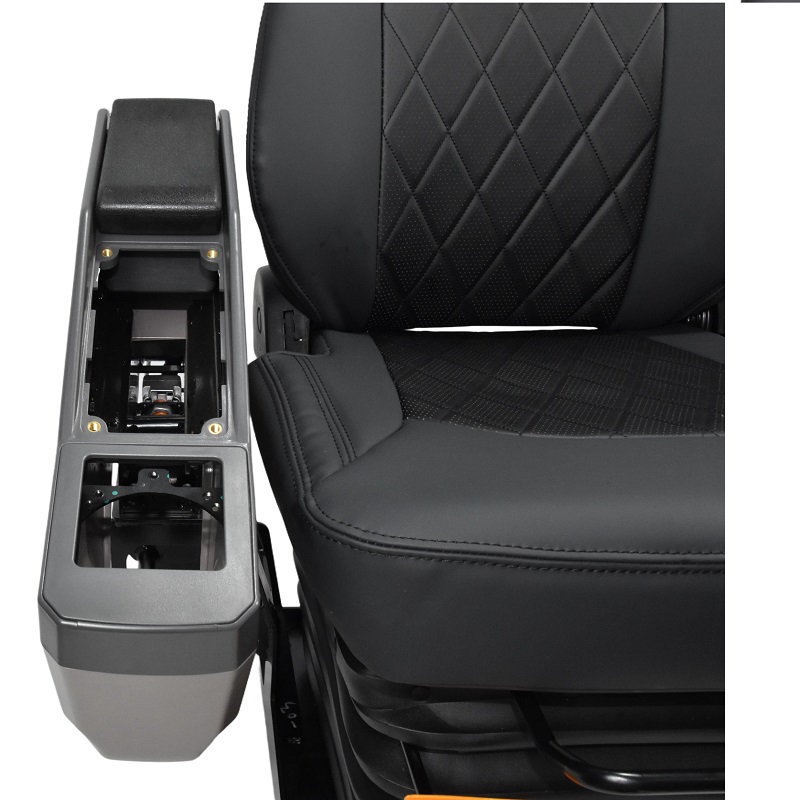
Fleets that track operator health and machine uptime consistently find one low-cost lever with outsized effects: the seat. Field logs show chronic vibration exposure and poor lumbar support correlate with accelerated wear on cab mounts, control linkages, and hydraulic fittings. Deploying a modern construction machinery seat is an intervention with measurable inputs and outputs — whole-body vibration (WBV) in m/s², operator discomfort scores, and mean time between failures (MTBF) are all useful metrics to track before and after replacement.
Which metrics matter and how to measure them
Use objective, repeatable metrics. Start with WBV (ISO 2631 framework) to capture vibration damping performance. Record operator-reported discomfort on a visual analogue scale (0–10) and track MTBF for related subsystems (cab mounts, hydraulic hoses, joystick assemblies). Monitor downtime hours per thousand operational hours (DH/1000) and maintenance cost per machine per year. These metrics let you convert ergonomic upgrades into lifecycle economics — not guesses, but delta values you can report to stakeholders.
Evidence from operations and a real-world anchor
During the 2020 Midwest harvest season in Iowa, several contractors documented lower complaint rates after retrofitting seats with improved shock absorption and seat suspension. Maintenance logs from those fleets showed fewer vibration-related repairs on cab mounts and reduced cable wear — qualitative field evidence that aligns with lab expectations. This real-world anchor strengthens the causal chain: better vibration damping and lumbar support lower operator fatigue, which in turn reduces harsh inputs and component stress.
Retrofit vs OEM replacement — a comparative view
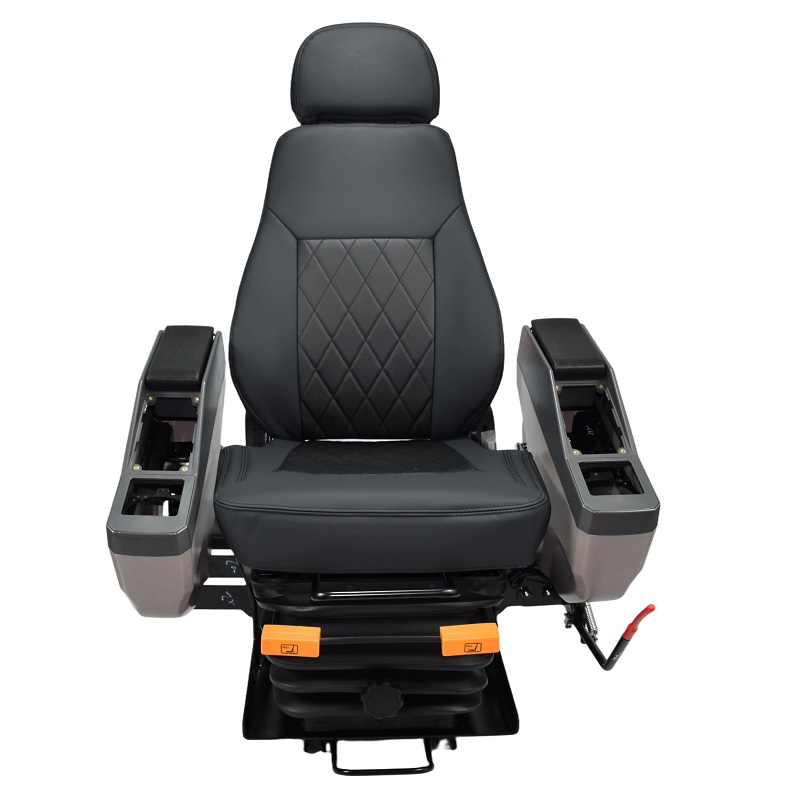
A retrofit program often beats waiting for OEM replacement when you model total cost of ownership. Compare alternatives across three dimensions: upfront unit cost, integration complexity (mounting adapters, seat frame), and measurable performance gain (WBV reduction). Common mistakes: ignoring suspension compatibility, using non-certified mounting hardware, and skipping baseline measurements. Retrofit with certified equipment seats that match existing seat bases to keep installation time under one hour per machine — that keeps labor cost predictable.
Implementation steps and expected outcomes
Operationalize the upgrade in phases. Phase 1: baseline measurement (WBV, VAS discomfort, MTBF). Phase 2: pilot 5–10% of fleet with seats that have targeted features — suspension seat, adjustable lumbar support, and high-density seat cushion foam. Phase 3: measure deltas at 30, 90, and 180 days. Typical, conservative outcomes to plan for are: reduced operator-reported discomfort, fewer vibration-related repairs, and a modest extension of service intervals. Track cost-per-hour improvements and use them to build a payback timeline.
Common pitfalls and how to avoid them
Avoid three recurring errors. First, selecting seats on aesthetics rather than measured WBV attenuation. Second, skipping operator fit testing — a seat that reduces WBV but feels wrong to the operator will be bypassed. Third, failing to document pre- and post-upgrade metrics; without them, you lose the ability to prove ROI. Small procedural fixes — standardized test runs, consistent mounting hardware, and routine inspection of seat suspension — eliminate most problems quickly. — These steps keep the program defensible to operations managers.
Advisory: three golden rules for selecting seats that increase longevity
1) Prioritize measurable vibration damping: require vendor-supplied WBV reduction curves or lab test data tied to ISO/SAE methods. 2) Insist on serviceability: choose seats with replaceable cushions and modular suspension so small repairs don’t force full-seat replacement. 3) Tie purchases to KPIs: require a pre-post plan using MTBF and DH/1000 so procurement decisions map to lifecycle savings. These rules transform a subjective comfort buy into a capital decision with traceable returns.
Source One provides the seat options and the implementation support that make these metrics actionable — a practical bridge from data to durable equipment performance. —