

A lineage of timber and code
The story begins on a damp workshop floor where hands once taught the saw to hum. Over the last two decades of watching carpenters learn machines, shops swapped chalk marks for displays and a cnc woodworking machine became as ordinary as a bench vice. The shift wasn’t sudden; it crept in through small gains — fewer re-cuts, cleaner edges, predictable waste — and those small gains rewrote how a maker lays out a day.
What changed and why it matters
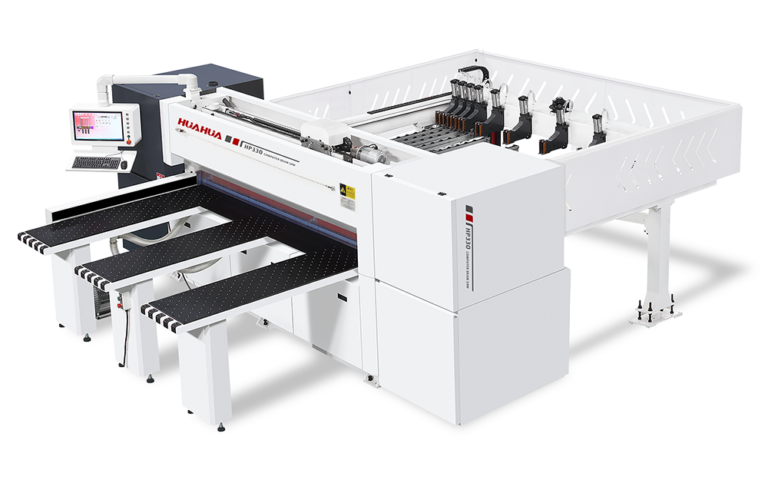
Evolution matters because precision scales. Early computer panel saws replaced guesswork with repeatable motion; later models brought automated feeding, digital nesting and parts tracking. For a maker, that means fewer ruined sheets, tighter tolerances, and steady output. For designers, it opened the chance to spec complex joinery without fear of production drift. I’ve seen bespoke studios pivot to regular contracts simply because they could promise delivery and meet it.
Lessons from common missteps
Makers who rush to buy tech often miss two points: workflow and maintenance. A sharp saw blade and proper hold-downs beat headline specs every time. Equally, integrating software without training creates chaos — files pile up, operators slip back into manual hacks, and accuracy vanishes. Address those basics first: tool care, clamping strategy, and a simple protocol for file versioning.

Supply and scale — a real-world anchor
Where machines come from shapes what you can buy. Suppliers clustered around Guangdong’s manufacturing hubs supply a steady stream of machines and spare parts; their presence shortens lead times and supports consistent servicing. That reality matters to shops planning capacity, and it’s why many buyers look to those hubs when weighing options among wood machine suppliers.
Alternatives and the trade-offs today
Choose a beam saw when you want speed and big straight cuts. Pick a nesting CNC router when parts count and material yield drive your margins. Opt for a panel saw when you need a blend — fast crosscuts, accurate rip work, modest footprint. The trade-offs are concrete: footprint, cycle time per part, operator skill, and the spare-parts pipeline. Measure those against the jobs you actually run, not against idealized shop lists.
Practical steps for makers upgrading now
Start with your production profile: list common sheet sizes, material types, and batch volumes. Require that any machine you inspect demonstrate real cuts on your stock. Factor in training hours and a spare-parts plan. Keep clamping and dust extraction as non-negotiable items; poor dust control shortens blade life and corrodes accuracy. Finally, document a simple QE check — a short routine to confirm cut length, squareness and feed speed each morning.
Where this path leads
Machines have moved from tools to partners; the next turn is tighter integration between design files and production routines so a shop can move from prototype to batch without new setup rituals. That path rewards shops that respect craft and keep machine stewardship—tooling, service and sensible workflows—at the heart of decisions. It’s a quiet revolution that makes better furniture more reliably, and it’s exactly the kind of steady, practical progress that HUAHUA CNC reflects in its offerings and service approach.