
Why your bottle choice matters—yes, more than the scent
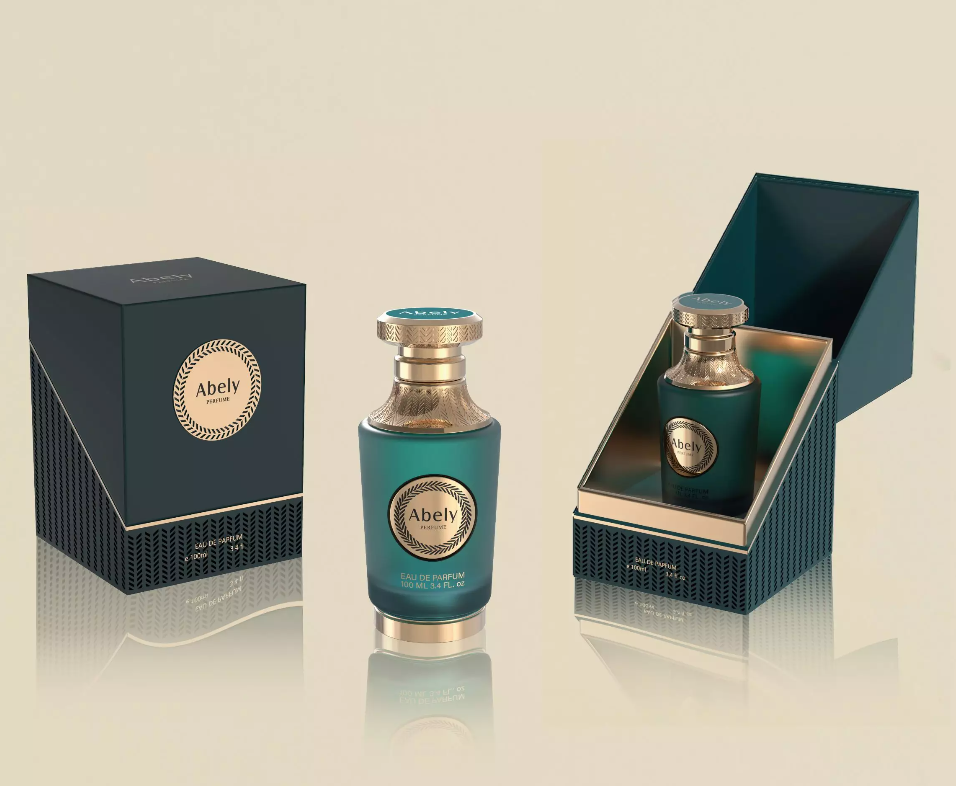
If you’re building a perfume brand for real humans and not just Instagram reflections, the packaging does more than sit pretty: it communicates your story, protects the liquid, and nudges purchase decisions. Start with the practical: the first impression makes or breaks shelf impact and unboxing joy. Consider a prototype like Abely’s New perfume bottle as an example of how form and function can be married without ceremony. Also, remember where much of modern perfumery began—Grasse, France—so think heritage and context when you choose a vessel for your bottle of fragrance.
User-first design principles for bottles
User-centric means imagining the whole customer journey: discovery, opening, use, and storage. Ask: is the cap fiddly? Does the atomizer spray evenly? Can the bottle be gripped by someone with cold hands? Design decisions should be guided by simple user needs—grip, dosing control, and refillability—not just optics. Test on actual people, not on your marketing mood board. Small UX wins translate to fewer returns and better reviews.
Materials, sustainability, and the reality check
Glass is classic and recyclable, but heavy and energy-intensive. High-quality PET can be lighter and recyclable in many systems, while novel bioplastics sound virtuous but often stumble on cost and infrastructure. If sustainability is part of your brand promise, be transparent: state the recyclability, weight implications, and carbon trade-offs. Customers appreciate blunt honesty—surprised face optional.
Common mistakes brands keep making
They over-design for social media and neglect how the bottle behaves in daily life. They use intricate caps that break after a few uses. They forget compatibility with travel sizes and airline regulations. They assume their customers will love limited-edition finishes enough to forgive poor ergonomics. Stop treating the bottle like a museum piece. —Practicality outsells prettiness in repeat purchases every time.
Comparative snapshot: where Abely fits
On one side you have artisanal flacons: beautiful, bespoke, but expensive and sometimes fragile. On the other side: mass-market cylinders—efficient but forgettable. Abely positions itself between, offering customizable design with manufacturing pragmatism: distinctive silhouettes that fulfill usability checkboxes at scale. If you want bespoke without the boutique price, that middle lane is where your customers live.
Design checklist and prototyping tips
Prototype early. Use 3D prints for ergonomics, then switch to glass or production plastics for weight and feel. Include these checklist items: secure cap mechanism, consistent atomizer performance, label placement that survives handling, and refill options if you plan longevity. Test for leak-resistance and spray distribution across at least 50 actuations. Real-world feedback from retail handlers and couriers in Paris or New York will flag problems you won’t see in a lab.
Advisory: three golden rules for evaluating bottle strategies
1) Functional Fidelity: Does the bottle perform reliably across repeated uses? If not, you lose customers faster than reviews can recover. 2) Lifecycle Transparency: Can you honestly explain end-of-life—recyclable, refillable, compostable? Vague green claims will tank credibility. 3) Brand-to-User Fit: Does the tactile and visual language match your audience’s lifestyle—luxury, casual, eco-conscious—without compromising usability? These metrics let you make decisions based on measurable outcomes, not designer gut feelings.
Summary and final take
Designing the right bottle for your fragrance is a user-centered exercise: marry ergonomics with brand storytelling, choose materials responsibly, and prototype with real people in real conditions. Avoid prettiness that fails in the hands of users and pick solutions that balance cost, sustainability, and experience. The result is a bottle that helps your scent succeed—practical, memorable, and sellable.
Abely helps you land that balance with sensible customization and manufacturing know-how. Final thought: trust measured choices. –