
Introduction — a small scene, a sharp fact, a big question
Have you ever stood in a dimly lit maintenance bay, feeling the weight of a single slip could spark disaster? I have—and that memory is why I care about tool choice. In that moment I reached for a non sparking adjustable wrench because the job called for a spark-resistant approach; statistics show workplace ignition incidents drop meaningfully when appropriate hand tools are used (OSHA reports and local safety audits back that up). So how do we pick tools that actually cut risk rather than just tick a box?

Let me set the scene more clearly: an electrician tightening a flange, a mechanic changing valves, and a tool that’s expected to behave perfectly under pressure. I’ll walk you through common traps, the real performance differences among alloys, and practical tests I use on the shop floor. We’ll keep it plain—no fluff, just what works when you need to control conductivity, torque, and corrosion resistance. Ready to get practical? Let’s move into where most people go wrong.
Why standard wrenches fall short (and what that means)
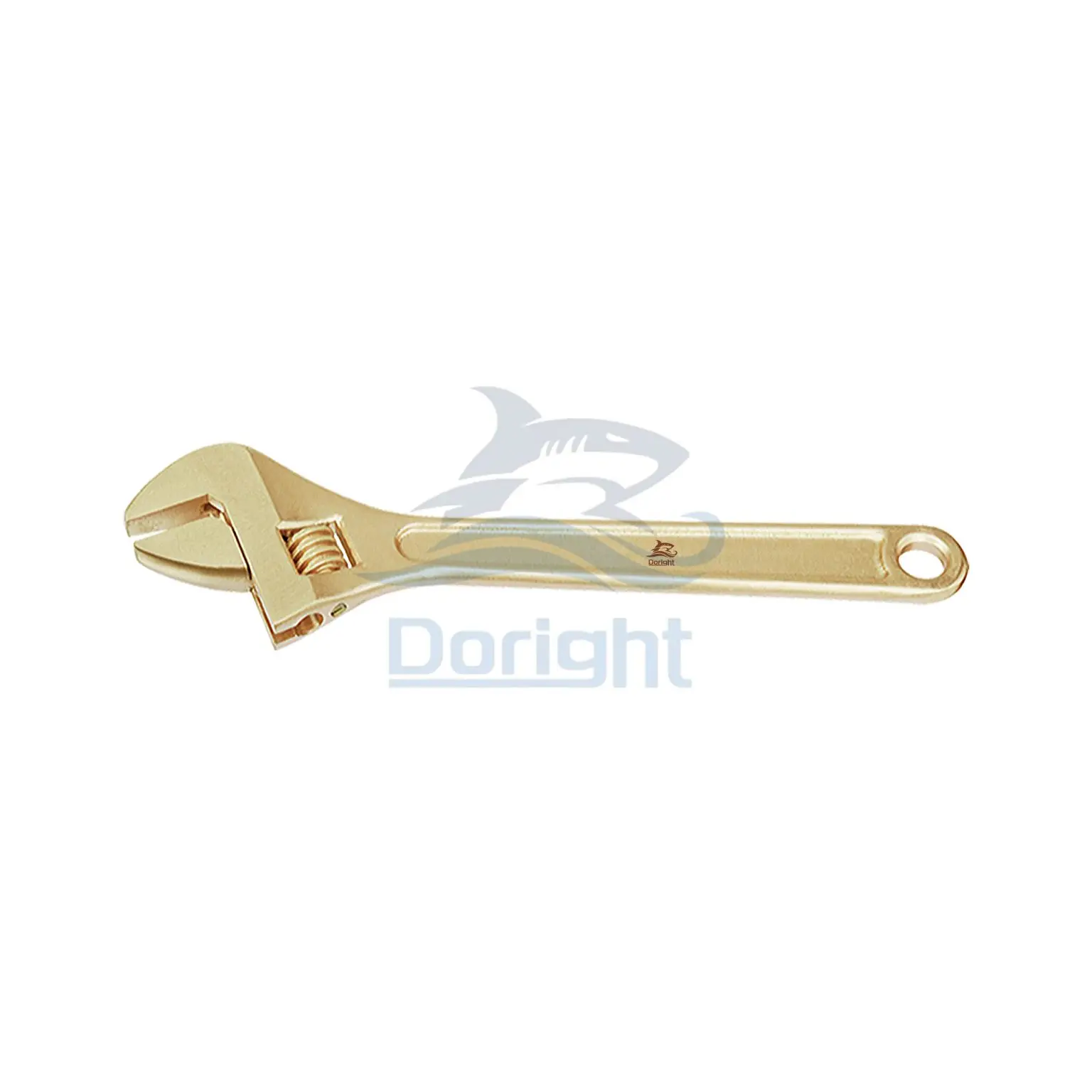
When I compare everyday steel wrenches to specialist options, I always point readers to the benefits of purpose-made materials like the Beryllium bronze explosion-proof wrench early on—because design choices matter. Many traditional solutions assume the work environment is neutral: dry, well-lit, non-hazardous. But real sites aren’t. Moisture, vapors, and mixed-metal contact change outcomes. Technically, a wrench’s conductivity, hardness, and surface finish will influence whether it sparks or slips. If you ignore those, you get cold failures—broken bolts, burned threads, and near misses. Look, it’s simpler than you think: metallurgy and finish determine whether a tool is merely “spark-resistant” or truly safe for classified atmospheres.
So what specifically goes wrong? First, hardness mismatch: a too-hard tool wears the fastener faster, increasing the chance of slippage and sudden impact—both spark risks. Second, untested surface coatings can flake when dropped, exposing a conductive base metal. Finally, users often over-torque because they don’t trust the tool’s grip; that extra force creates brittle failures elsewhere. I use terms like intrinsic safety and ATEX-rated only when a tool actually meets such standards, and I test torque transmission and contact conductivity before I recommend anything. That’s a bit of discipline—funny how that works, right?
What’s the real user pain here?
It isn’t glamour; it’s trust. Users want a tool that behaves predictably across wet, oily, and vapor-rich conditions. They want low conductivity, consistent torque grip, and corrosion resistance—so the wrench won’t betray them mid-job. From my hands-on tests, those needs are often unmet by generic options.
Looking ahead: practical upgrades and how to evaluate them
I like to think about the future of hand tools in two ways: material advances and real-world proof. Newer non-ferrous alloys and refined heat treatments improve fatigue resistance and reduce conductivity without turning tools into brittle liabilities. Take the modern non-sparking approach—manufacturers combine copper-aluminum-nickel blends with tailored tempering to balance toughness and low conductivity. In future-facing workshops, we’ll see more validated torque specs, clearer ATEX/IECEx markings, and standard bench tests that anyone can run. I’ve started keeping short test logs on each tool I buy—simple torque checks, conductivity probes, and visual inspections after a week of use. It keeps surprises down to zero.
On the practical side, I want tools that are easy to assess on the spot. That’s why I still recommend hands-on checks like a quick conductivity meter sweep and a controlled torque trial before a critical job. Also—yes, a lightweight tool helps when you’re lifting it hundreds of times a day. In that spirit, here’s a concrete example: a pipeline crew I worked with switched to a certified non-sparking set (including a non-sparking adjustable wrench) and logged fewer maintenance delays and near-miss reports over three months. That’s the kind of result I want to see replicated.
What’s Next?
If you’re evaluating options now, think beyond labels. I urge you to test for torque feel, check conductivity, and confirm alloy specs. Don’t let a shiny brochure substitute for a quick bench test. — and yes, I mean it. Below I’ll give you three concrete metrics I use to pick tools.
Three practical metrics I use (and you can too)
1) Conductivity rating: measure with a handheld meter. Lower is better in explosive atmospheres. 2) Torque transfer consistency: perform 5 quick tightening tests and note variance—less scatter means better grip and fewer over-torques. 3) Corrosion resistance and finish adhesion: inspect after a week in a salty or oily environment; flakes or discoloration are red flags. These are simple, measurable, and they matter when lives and downtime are at stake.
I hope you can use these checks tomorrow on the job. I’ve learned to trust tools that pass simple, repeatable tests—because theory only helps until someone needs a bolt turned without incident. For practical, tested solutions I’ve come to rely on manufacturers who publish material specs and back them with test data. If you want to look further into trusted options, consider reviewing certified suppliers and hands-on reviews; I often start with reputable sources before I buy anything for the shop. And if you need a starting point for products that combine those features, check out Doright.