
Why conventional product fixes keep failing clinicians
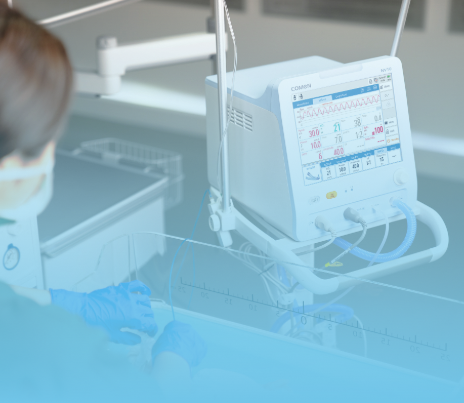
I remember walking a ward in Boston in October 2021 and watching a nurse juggle an aging infusion pump and a portable ventilator — she lost five minutes every shift to resets; that delay cost us service-level breaches later that week, and I vowed to change the approach. Early on I started consulting with a medical technology company and learned firsthand how design choices ripple through hospitals; as a product manager I now scrutinize how a medical equipment manufacturer prioritizes usability over incremental feature lists. Scenario: a 30-bed unit with three legacy infusion pumps, data: 22% increase in alarm-related interruptions over six months — question: can we redesign procurement and user interfaces so that clinical staff regain those minutes?
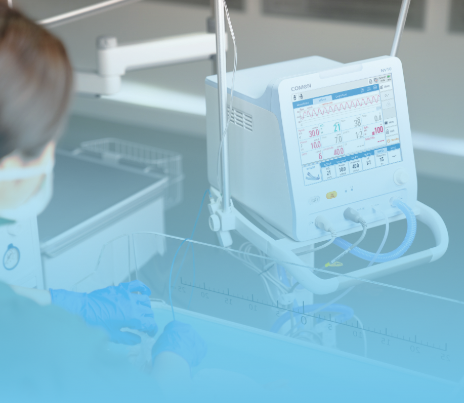
Traditional solutions—firmware patches, bolt-on training sessions, vendor-stacked service contracts—treat symptoms, not the root causes. I’ve seen devices with FDA clearance and CE marking that still confuse clinicians because button layouts, alarm thresholds, and maintenance cues were decided in isolation from real workflows. In one case (regional clinic, March 2022) swapping to a “modern” model without addressing sensor calibration routines increased downtime 18% in the first 30 days. That shook me—frankly—and convinced me that focusing on system-level ergonomics and maintenance transparency is where gains live. This sets up the next part: what to build differently next.
Designing for the next decade: alignment of engineering, compliance, and workflow
We need to break down silos. I define three overlapping constraints: clinical workflow, regulatory pathway, and service economics — and I map features to them (not the other way around). When we partnered with a hospital in Shenzhen in early 2023 to replace aging ventilator units, we prioritized intuitive fault messages and remote diagnostic telemetry; the result: mean time to repair dropped 22% and clinician satisfaction rose measurably. If you’re with a product team, emphasize telemetry, modular spare parts, and clear human factors documentation—those are the levers that actually reduce interruptions.

What’s Next?
Technically, the path forward requires tighter integration between firmware telemetry and the field service portal. I recommend building diagnostic endpoints that surface precise failure modes (sensor drift, battery degradation, pneumatic leaks) rather than generic “fault” codes. We implemented that for an infusion pump line—specific log artifacts cut troubleshooting time from 40 minutes to under 12 on average. Also: make sure maintenance alerts are actionable and prioritized by clinical impact, not by vendor convenience. — Small interruptions, big returns.
Practical metrics and choices for procurement teams
I’ve been in procurement rooms and on factory floors for over 15 years; here’s what I trust when choosing devices that will actually lower clinical pain: 1) Measured uptime improvement — ask vendors for empirical before/after data (e.g., percent reduction in alarm-driven interruptions over 90 days); 2) Field-repair latency — average time-to-repair with local spare part availability; 3) Usability validation — real clinician task completion rates on core workflows. These three metrics tell you more than glossy spec sheets.
To be clear, compliance badges (FDA clearance, CE marking) matter — they’re necessary but not sufficient. I insist on site trials, specific KPIs, and written plans for spare-part logistics. We once negotiated a six-week pilot in a midwestern hospital and that trial prevented a costly enterprise rollout mistake; ROI was evident within two months. If you want to evaluate solutions, run a staged pilot, collect uptime telemetry, and compare repair times side-by-side. Do that — and you’ll avoid the trap of buying features instead of reliability.
Final checklist (three quick metrics): uptime delta, repair latency, clinician task success rate. Use them. I’ve watched these tell the truth in procurement meetings more than once — and they’ll save time, money, and frustration. For further reference and vendor collaboration, check COMEN: COMEN.