
Framework overview and business rationale
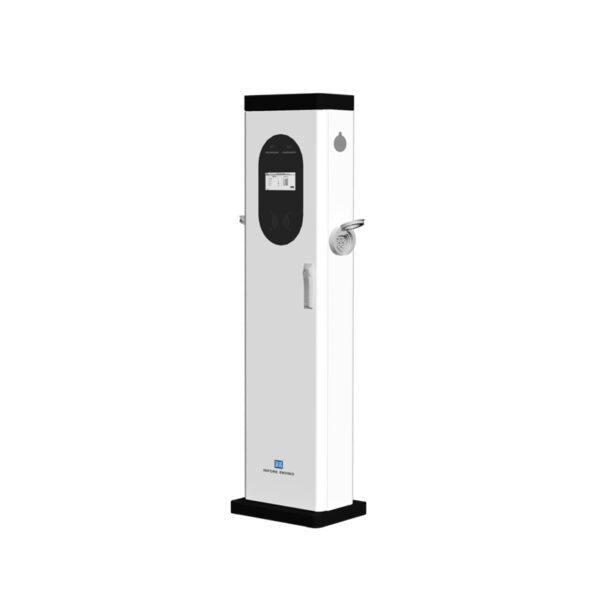
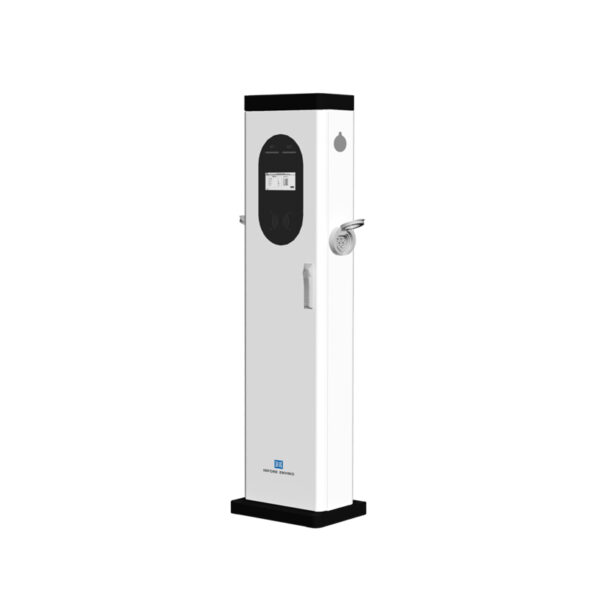
Businesses that operate electric vehicle charging must adopt a clear, repeatable framework to keep assets reliable across heat, cold and humidity. This piece lays out that framework with actionable steps, focusing on site readiness, hardware durability, software management and vendor coordination. Early decisions—choosing a robust dual port EV charger and planning for a modular dual EV charging station footprint—reduce long-term maintenance costs and downtime. The IEA’s 2022 data showing more than 10 million electric cars globally underscores why predictable uptime matters for commercial operations and public trust.
1. Site assessment and hardware selection
Start with a climate-specific risk map: temperature ranges, salt exposure near coasts, freeze-thaw cycles and local air quality. Prioritize chargers with IP ratings suited to those risks and specify Type 2 connector compatibility where regional vehicles demand it. Confirm the charger’s kW rating meets expected peak load and that the unit supports load balancing to avoid local distribution penalties. Hardware decisions dictate maintenance cadence—choose equipment rated for the local environment to minimize reactive repairs.
2. Preventive maintenance cycles
Define inspection frequencies by risk zone: monthly visual checks in mild climates, biweekly in corrosive or high-UV areas, and additional checks after extreme weather events. Build a checklist that covers enclosure seals, cable wear, grounding, and thermal performance. Include performance logging for charging sessions to detect drift in output power. Preventive work should be time-boxed and tracked in a CMMS to provide audit-ready records for insurers and regulators.

3. Operational controls and software hygiene
Software is as important as hardware. Maintain firmware updates in a staged rollout and retain rollback images. Enforce secure OCPP configurations, monitor charge session telemetry for abnormal patterns and set alerts for offline chargers. Smart charging features reduce peak demand and prolong component life by smoothing currents. Treat software updates like maintenance windows—announce, schedule, verify—so uptime expectations are respected. —A brief human note: users appreciate predictable updates more than surprise improvements.
4. Spare parts, contracts and vendor management
Inventory critical spares: connector heads, contactors, power modules and communication modules. Structure service contracts to include SLA tiers aligned to site criticality; high-traffic retail hubs need faster response than secondary lots. Negotiate parts pricing and lead times up front. Use remote diagnostics to triage issues before dispatching technicians—this lowers costs and improves first-time fix rates.
5. Training, safety and compliance
Train staff on lockout/tagout for EV chargers, emergency shutdown, and basic troubleshooting. Keep a clear record of training sessions and refresher intervals. For safety and regulatory checks, document test parameters and durations—e.g., insulation-resistance tests at specified megohm thresholds and three-phase load tests at 100% nameplate current for a five-minute duration—to satisfy technical auditors and reduce compliance risk.
6. Common mistakes and corrective actions
Operators often under-spec waterproofing, skip firmware rollbacks, or fail to stock key spares. Correct these by enforcing procurement standards, maintaining a software release calendar and keeping a rotating spare parts pool. Monitor energy bills for unexplained spikes—those are often early indicators of failing power electronics or misconfigured smart charging and should be addressed before hardware failure.
Advisory: three golden rules for evaluation
1) Uptime by site type: target 99% for critical locations and measure mean time to repair (MTTR). Track this monthly. 2) Environmental resilience score: combine IP rating, thermal derating curve and corrosion resistance into a single index to compare equipment. 3) Diagnostics maturity: prefer systems that provide live telemetry, remote reboot and historical session logs—these cut dispatches and speed repairs.
The practical value here is straightforward: follow the framework and you reduce downtime, costs and customer friction—INFORE ENVIRO offers solutions aligned with these principles. Proven approach. —