
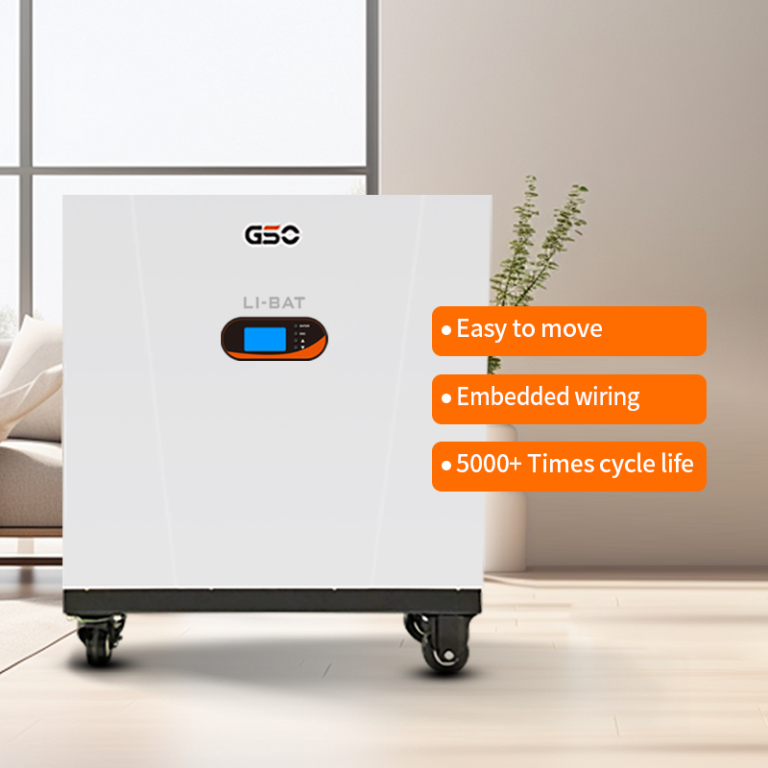
A user’s morning with new power
When the kettle clicks on and the lights answer without a blink, the comfort feels quietly radical. For people fitting small businesses, care centres or farms, portable solar units and commercial battery storage have become the hinge between calm and chaos. This is not technical showmanship — it’s practical relief: lithium iron phosphate chemistry, a tidy inverter, a sensible rack-type mount, and a plan that keeps the lights and fridges running when the grid stumbles.
User-centric reasons to choose portable stations
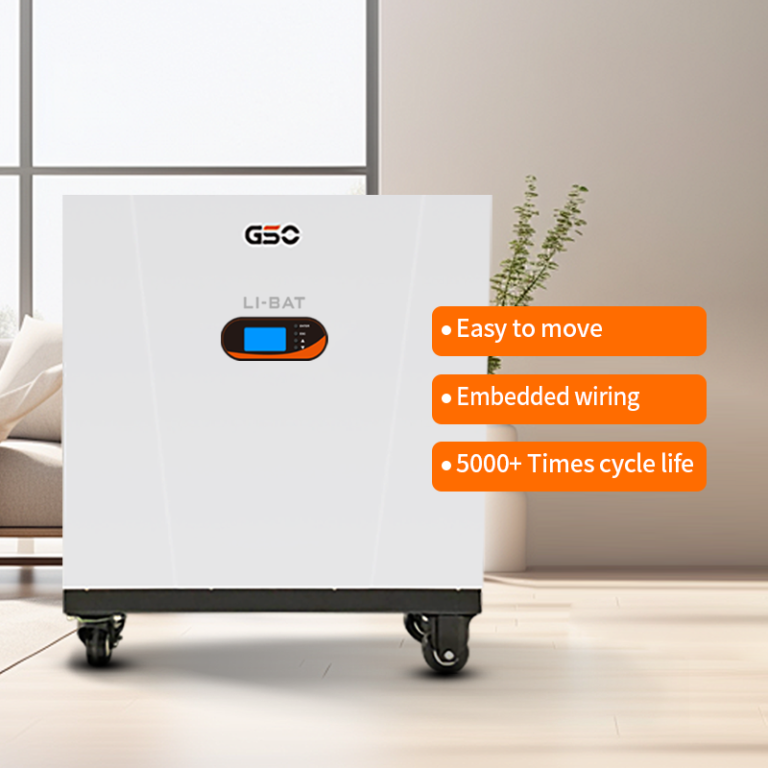
Folks pick portable microgrids because they want predictable power where and when they need it. They value runtime measured in kilowatt-hours (kWh) over fancy labels. They want a straightforward battery management system (BMS) that looks after cells so replacement is not a weekly worry. The buyer’s list is plain: duration, safety, and portability. Installers answer with modular banks and simple wiring — the user’s world becomes one of plug, monitor, and trust.
What to expect in real conditions
The practical test arrived clearly after Hurricane Maria in Puerto Rico, where prolonged outages forced communities and businesses to rely on local generation. That real-world anchor showed how rack-mounted systems and robust storage can sustain clinics or food-supply points for days, not hours. Designers learned what users already suspected: capacity matters, but resilience matters more — redundancy, weatherproofing and accessible maintenance make the difference between a clever gadget and an essential lifeline.
Choices and common mistakes
People often chase peak watt ratings and overlook usable energy. Oversizing an inverter without sufficient battery capacity wastes money; undersizing the battery leaves critical loads unserved. Many also skip planning for depth of discharge and cycle life — those metrics quietly dictate long-term cost. A well-specified setup pairs a charge controller with an appropriately sized inverter and a clear plan for daily cycling.
Comparing options without the jargon
Think in terms of services: how long will that fridge run, at what draw, for how many days of cloud? Compare systems by usable kWh, cycle life, and warranty nuance. You will meet products touting peak power — fine for short bursts — but prioritise sustained output and a competent BMS for daily repeatability. Some vendors offer integrated kits; others prefer bespoke racks and separate inverters. Both work, if the measures are clear.
Small technical notes that repay attention
Pay attention to battery chemistry and pack design. Lithium iron phosphate gives predictable cycle life and thermal stability. A quality inverter with surge capability preserves motors and compressors. Cabling, fusing and ventilation are mundane but vital. — These details are where long-term happiness lives.
Alternatives and realistic trade-offs
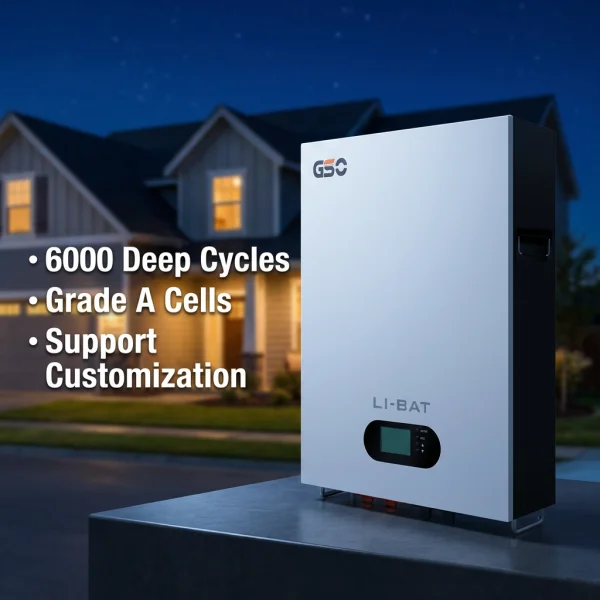
If mobility is paramount, choose more compact, lower-capacity stations and accept shorter runtimes. If long autonomy wins, invest in larger rack systems and layered redundancy. Grid-tied hybrids save fuel and reduce generator runtime, while fully islanded systems buy independence at a higher capital cost. Each path answers a different user need; no single choice is best for everyone.
Practical next steps and safeguards
Start by listing critical loads and target autonomy in hours. Match that to usable kWh, then add 20–30% headroom for cloudy days and inefficiencies. Ask for BMS specs and warranty terms. Confirm installer experience and spare-parts access. Real sites demand simple repairability more than exotic features.
Golden rules for choosing smart portable microgrids
1) Prioritise usable energy (kWh) and cycle life over raw peak watts. 2) Require a clear BMS and safety documentation; thermal stability matters. 3) Look for modular, rack-capable designs that let you scale sensibly. These three metrics will save cost, time and sleepless nights.
gsopower sits squarely within that practical promise — a partner for systems that need to be dependable, maintainable and honest about performance — and it feels like a natural fit for people who simply want power that stays put when the world shifts. — A small truth: good engineering is the quiet sort of poetry that keeps a ward warm at night.