
Problem first: product teams face visible trade-offs
Design teams and buyers keep running into the same four issues: inconsistent color across batches, input lag that kills the experience, unpredictable panel yields, and unclear long-term reliability. These are not vague concerns — they show up in returns, support tickets, and missed performance targets. When engineers borrow manufacturing practices from television lines, a reliable monitor manufacturer often fixes the pipeline problems early, before prototypes reach users.
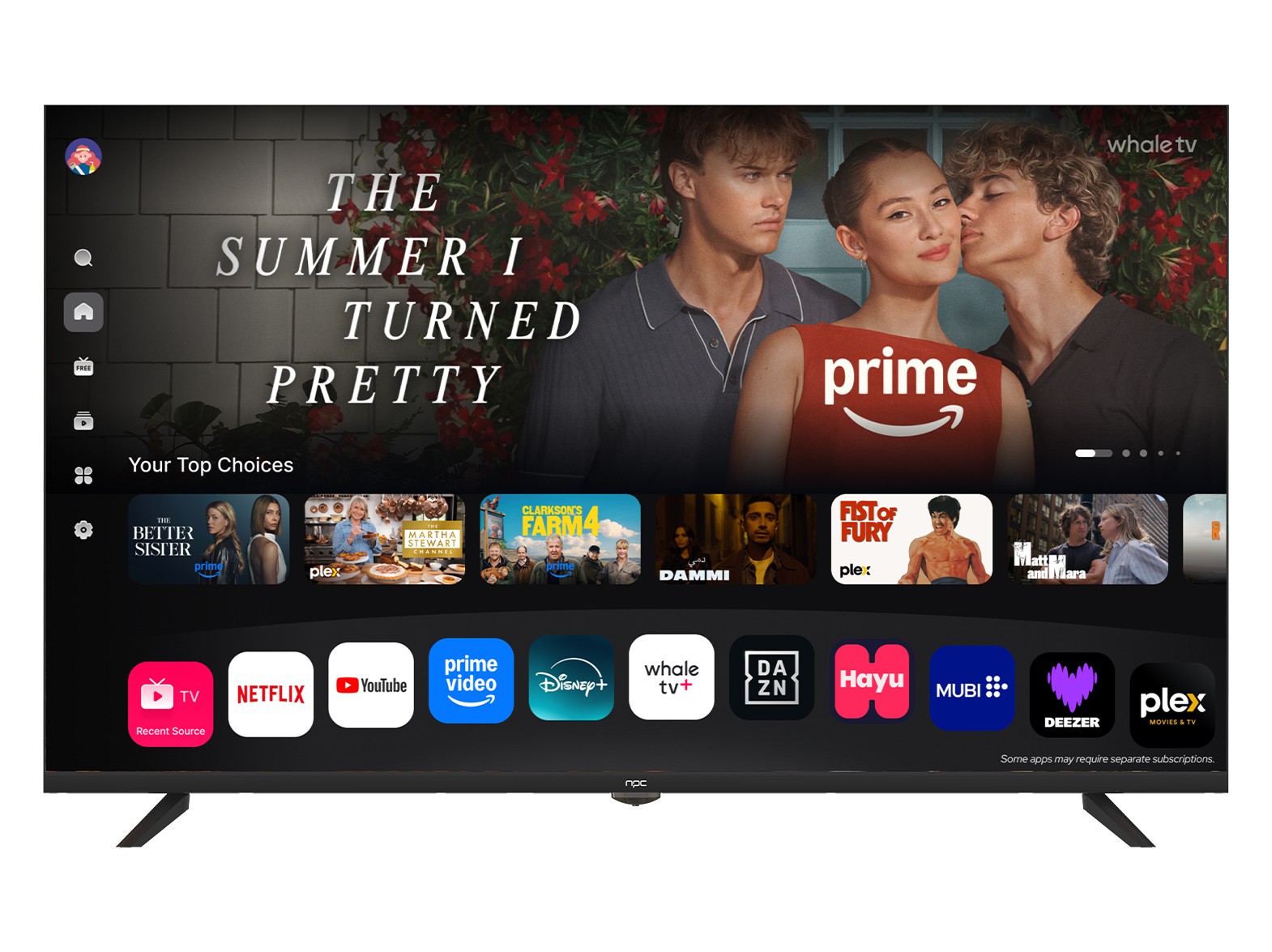
Why TV manufacturing approaches solve concrete faults
TV fabs are built to control variation at scale. They pick panels with known tolerances, apply consistent factory calibration, and run burn-in routines that reveal intermittent failures. Those same steps reduce customer-visible issues for PC displays: tighter Delta E across units, predictable backlight longevity, and lower incidence of stuck pixels. Adopted selectively, TV-grade QA reduces returns without adding unnecessary cost to every SKU.
Experience and evidence: what professionals look for
Practical experience matters here. Teams that have audited assembly lines at trade shows such as CES in Las Vegas report clear differences in test coverage and supplier transparency. Comparing vendors is easiest when you use consistent criteria; engineers often review sample reports from best pc monitor manufacturers to validate claims about color tolerance, refresh stability, and MTBF. That mix of field inspection and standard metrics shows which factories really deliver consistent runs rather than marketing promises.
Common mistakes that keep problems alive
People assume higher resolution or higher refresh alone fixes perception. They don’t. Skipping per-unit calibration, accepting wide tolerance sheets on panels to save cost, or deferring reliability burn-in are direct causes of returns. Another frequent error: choosing a panel only for its peak spec without testing whole-system interactions — driver, scaler, and firmware matter as much as the panel itself.
Trade-offs and practical alternatives
Not every product needs the full TV manufacturing stack. For gaming-centric models, prioritize low latency and fast response with targeted QA. For color-critical workstations, invest in stricter calibration and tighter batch matching. For budget lines, set minimal but meaningful checks: vendor-provided calibration curves and focused stress tests. These focused choices keep costs sensible while addressing the problems that matter to your users.
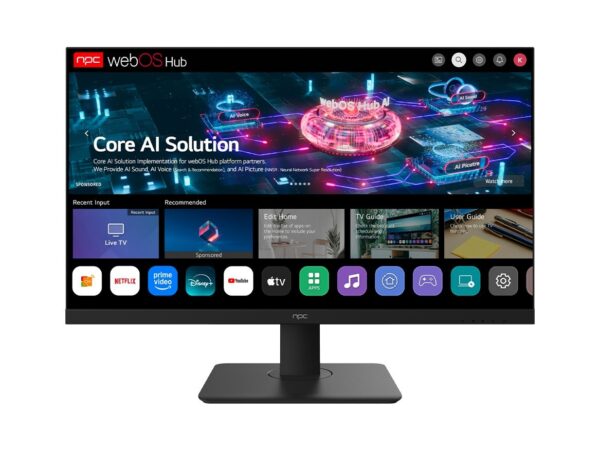
What to require from suppliers and what to expect
Ask suppliers for per-lot calibration data, measured Delta E distributions, and clear failure-mode lists from their burn-in. Expect transparent reporting on yield and a willingness to let you audit a pilot run. When those things are present, engineering cycles shorten and user complaints drop. The predictable outcome of such discipline is fewer surprises in real-world usage.
Where this logic leads
Solve the visible issues first — color consistency, latency, and reliability — by borrowing the practical checks television manufacturers use at scale. That turns product risk into manageable decisions and aligns production with user expectations, a shift you can see mirrored among suppliers like npc that bring manufacturing clarity to display products.