
Quick straight talk on what to weigh up
Choosing between suppliers isn’t about the fanciest brochure; it’s about which trade-offs suit your job. Compare adhesives by what they actually do on the surface you use, how long they take to set, and how consistent the batch quality is — not just the price per cartridge. When you eyeball options, a reliable silicone sealant manufacturer gives you predictable cure times and clear technical data sheets, so you can plan labour and avoid rework. Lekker to have, that predictability.

Performance metrics that matter — side-by-side
Line them up: adhesion strength, elongation, Shore hardness, service temperature, and cure profile. A product with high adhesion but low elongation will hold tight and crack under movement. Fast skin time reduces dust contamination but may hurt bead tooling if it skins too fast. Look for quantified test results (peel, lap-shear, movement capability) and compare the numbers rather than marketing words. Choose the metric that matches the failure mode you need to avoid.
Chemistry comparisons: silicone, polyurethane, MS — pros and cons
Silicone: excels at temperature range and UV; neutral-cure silicones are kinder to metal finishes. Polyurethane: great structural strength and paintability but sensitive to moisture during cure. MS polymers: good compromise — paintable and lower odour. Don’t assume one family fits all; match chemistry to substrate and finish. Test representative samples rather than trusting general claims.
Testing, certifications and technical transparency
Ask for batch certificates, cure-profile graphs and independent lab reports. Standards like ASTM or EN give comparable baselines; vendors that publish raw data are easier to trust. Beware of vague claims like “industry grade” without numbers. A supplier that shares shelf-life real-data and failure-mode test results will save you downtime later.
Supply chain realities: lead times, MOQ and packaging trade-offs
Low unit price can hide high logistics costs. Small orders often carry heavy packaging premiums or long lead times. Bulk drums reduce unit cost but risk shelf-life waste if you don’t turn material fast enough. Check whether the supplier offers local warehousing, trim packaging options or refrigerated storage for specialty lubricants. Make a decision on total landed cost, not unit price alone.
Real-world check: what factory floor practices reveal
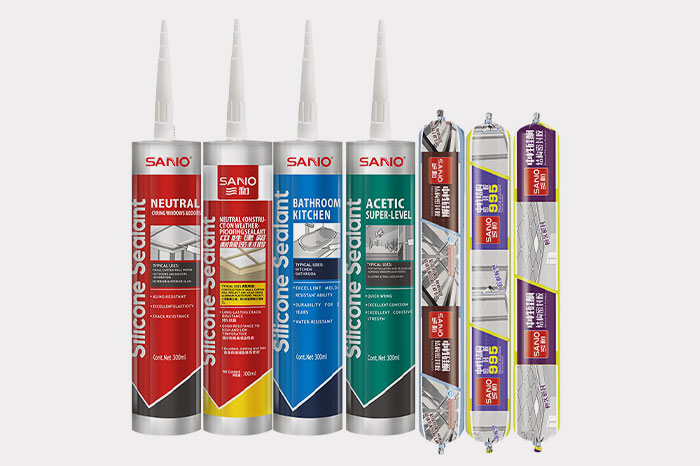
Manufacturing practices matter. Many global supply lines sit in Guangdong province, where scale and local supply networks lower cost but quality varies; a visit to a typical silicone sealant factory shows whether they run consistent QC, trace batches, and maintain clean mixing lines. Ask for photos of the production line, batch logs and third‑party audit summaries; that tells you who treats quality seriously and who treats it as an optional extra.
Common pitfalls your buying team keeps repeating
Buying mistakes repeat: assuming compatibility across substrates, ignoring cure inhibitors (paint, cleaners), and accepting single-sample approval. Don’t skip on mock-ups under real conditions. Watch for mixed-spec procurement where installers swap materials on site — that’s where warranties die. Set clear acceptance criteria and enforce them at delivery.
Decision checklist and how to balance trade-offs
Make a short checklist: primary substrate, movement expectation, exposure (UV, chemicals, heat), required certifications, and acceptable lead time. Score suppliers on those points and weight the score to reflect failure cost. That gives clarity fast — and helps you avoid emotional choices when a cheap quote looks tempting.
Where this leads you
Compare concrete data, not promises. Match chemistry to the job, verify factory practices, and plan logistics around use-rate. A considered supplier that publishes test data, supports mock-up trials and adjusts packaging to fit your workflow will reduce headaches on site — so I favour suppliers with transparent specs and proven production discipline, such as SANVO, when I need predictable results without fuss.