Key Questions Project Teams Should Ask When Procuring Explosion‑Proof Lighting
A short scene: a procurement snag that could have been avoided
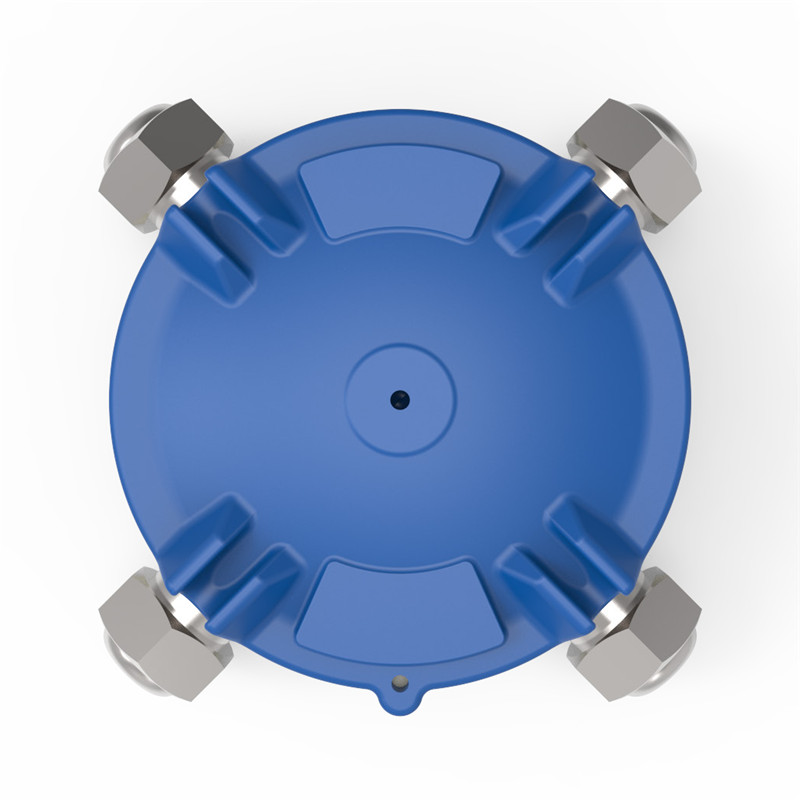
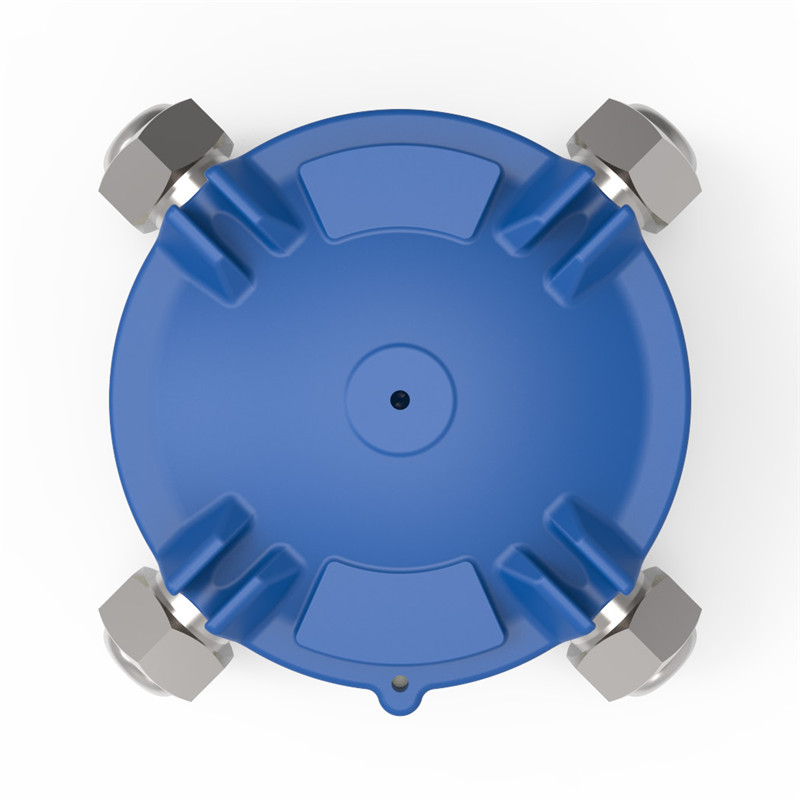
A site manager receives competing quotes, the facilities team flags unfamiliar terminology, and the engineer asks for clarifications that keep coming back to procurement—this is the tight spot many projects hit. When everyone is trying to translate needs into a purchase order, clarity about physical items such as an exterior electrical junction box or a weatherproof junction box becomes part of a bigger coordination problem: who verifies what, when, and how decisions flow into contracts?
Who owns the decision—and who needs to be consulted?
Ask which stakeholder signs off on final selection: operations, engineering, procurement, or safety? Who will confirm compatibility with site logistics and who will assess vendor documentation? Which party is responsible for approvals, and how will disagreements be escalated? These questions prevent last‑minute rewrites of purchase orders.
What must the specification package include for a fair vendor comparison?
Request clarity about the scope of supply and the documents vendors should submit. Should suppliers include drawings, installation coordination notes, lead-time estimates, and spare‑parts lists? How will the project team compare proposals that use different terms or incomplete documentation?
Which questions should you ask suppliers and the verifying engineer?
Frame procurement queries as direct prompts: Can the supplier provide complete product documentation and traceable provenance? What logistical constraints affect delivery and storage? What evidence will the verifying engineer require before authorizing acceptance? Keep the conversation focused on documentation, coordination, and roles rather than on technical specification details that only a qualified engineer should settle.
Common procurement pitfalls to watch for
Confusion about who reviews technical papers, accepting partial documentation to meet schedule pressure, and overlooking long lead times lead to costly changes. Another frequent issue is responsibility drift—no single party taking ownership of final verification—so proposals stick in review. Identify those traps early and agree who will close them.
How to align timelines, commercial terms, and site readiness
Match purchase milestones with on‑site milestones: who confirms site access for deliveries, and who confirms staging and handling requirements? What contractual remedies exist for late deliveries or missing documentation? Make these commercial questions explicit during vendor selection so they’re reflected in terms and purchase orders.
Lifecycle considerations that belong in procurement conversations
Ask about availability of replacement parts, typical procurement lead times from the vendor, and the vendor’s process for supplying spares. Who manages obsolescence risks and how are spare parts priced and packaged in proposals? These are procurement concerns that affect total cost of ownership without getting into technical instructions.
How decisions get recorded and verified
Insist on a single source of truth for decisions and approvals: a revision‑controlled specification package, a log of written clarifications, and a documented sign‑off trail. Who will maintain that record and how will final acceptance be evidenced so procurement can release payment with confidence?
A final note that ties the questions together
Asking the right questions early reduces ambiguity, speeds approvals, and keeps scopes aligned across teams—answers to procurement, scheduling, documentation, and lifecycle questions reveal where proposals differ and where follow‑up is required; those clarifications make vendor comparisons meaningful and help teams see how materials from suppliers such as sunleem fit into the overall evaluation without turning procurement into guesswork.