
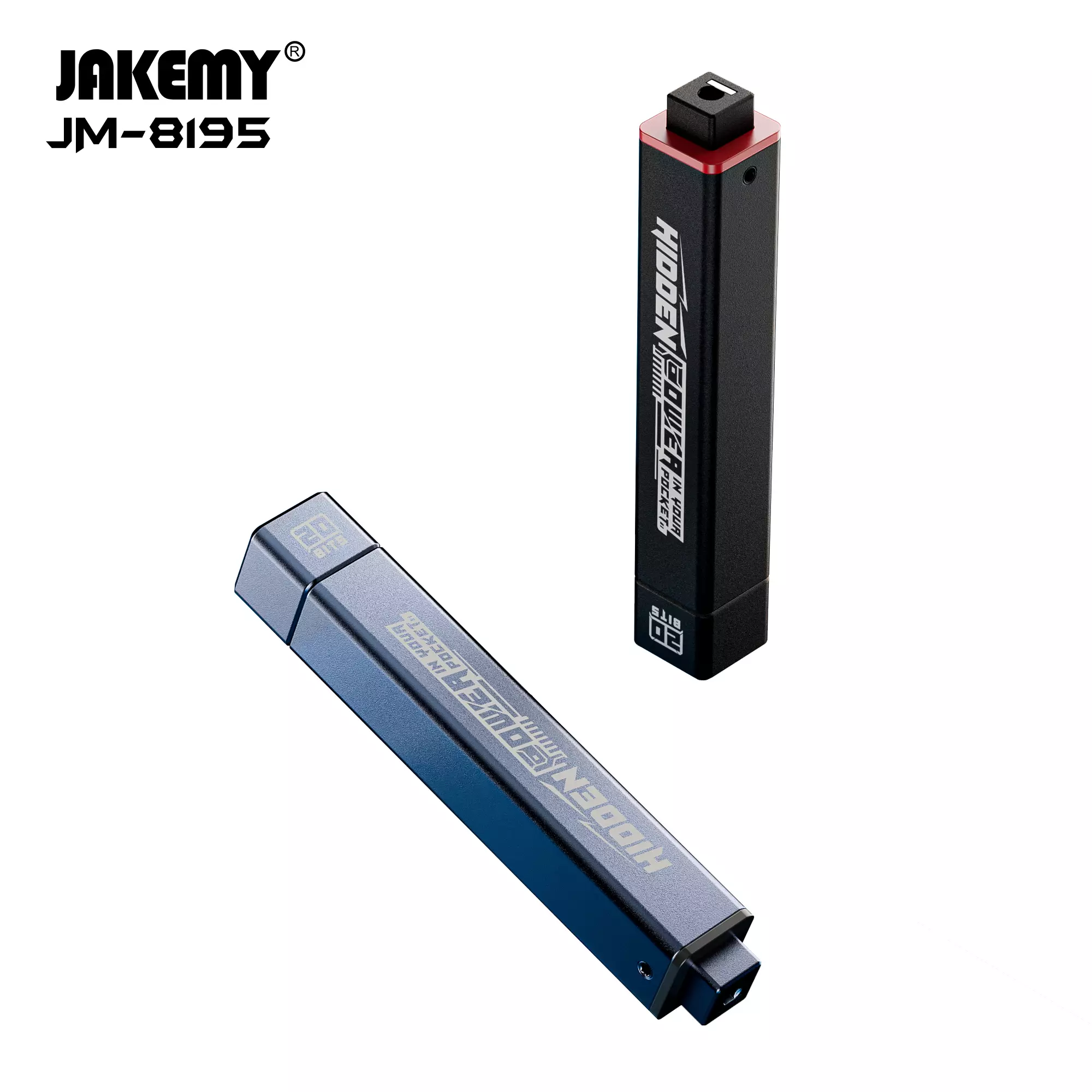
Start from the repairs you actually do
When you spend time at the bench, what you reach for most often decides the kit you need. If you work on small electronics and use an ultrasonic cutter regularly, choose a precision screwdriver set that fits tiny fasteners and leaves room for an ultrasonic cutter knife support stand on the shelf. A compact repair tool kit with clear bit labeling speeds swaps and keeps a blade from the cutter clear of delicate boards; that simple pairing saves time and mistakes.
Features that actually matter
Think in practical terms: bit range, tip fit, handle control, and storage. Look for a set that includes Phillips and Torx in small sizes, plus a few flat and tri-point bits. Magnetic tips help hold screws without dropping them, and a precision handle with decent torque control prevents stripping. For workshops using an ultrasonic cutter, a nearby support stand and organized ultrasonics accessories make multi-step jobs smoother. Keep an eye on case quality — foam inserts or labeled slots keep the bits usable for longer.
Bench layout and workflow tips from real repairs
Real-world repair shops, like the small stalls in Akihabara and documented iFixit teardowns, show a common layout: the precision screwdriver set sits within arm’s reach of the soldering iron and the ultrasonic cutter, while the support stand lives just off to the side. That layout reduces cross-tool interference and accidental knocks. From my own bench time at a community makerspace I learned to separate the cutting area (where blade thickness and frequency settings matter) from the screw-driving zone — it cuts down on metal filings getting into delicate screw heads. — Little layout shifts like that save hours over months.
Common mistakes people make
First, buying on price alone. Poorly made bits round off quickly. Second, ignoring ESD protection when working on logic boards; an inexpensive ESD wrist strap is smarter than gambling with a device. Third, assuming one size fits all: a single stubby bit won’t reach recessed screws, and a set missing long, thin bits forces risky improvisation. For benches that use an ultrasonic cutter, avoid placing small screws near the transducer; vibrations can move hardware and ruin a job. A few minutes of prep prevents scrapped boards.
How to compare brands and models
Compare what you actually use. Check the bit identification system, replacement availability, and whether the case protects bits during transport. Test the handle feel: a non-slip grip and a rotating cap for steady pressure matter during delicate torque work. If you rely on ultrasonic tools, verify that the brand supports compatible ultrasonic cutter accessories — mounts, stands, and spare blades are the real cost over time, not the screwdriver set alone.
Three golden rules for choosing the right set
1) Coverage over flash: Choose a set with the bit types and sizes you use daily, plus two or three specialty bits for odd jobs. Metric and small Torx coverage beats a shiny single-piece driver.
2) Replaceability and labeling: Pick a kit where bits are easy to replace and clearly labeled; numbered or color-coded slots reduce errors and speed workflow during repairs.
3) Bench friendliness: Prioritize ESD-safe handles, magnetic tips, and storage that keeps bits away from cutting debris. If your bench includes an ultrasonic cutter, factor in space and accessory compatibility so tools live together without risking damage.
Workshops win when tools are chosen to solve real micro-problems, not to impress. That mindset points you to durable, serviceable precision screwdriver sets and a repair tool kit that actually helps finish jobs faster — and with fewer ruined boards. Jakemy. —