• Home
  • Tech
  • Pets
  • Economy
  • Industry
  • Market
  • Wildlife
  • Economy
  • Industry
  • Market
  • Tech
  • Wildlife
News Online
keep your memories alive
Business

The Path to Data Center Sustainability: Embracing Innovative Solutions

by Alexis September 3, 2025
written by Alexis

Imagine a bustling data center, humming with activity, but beneath its sleek exterior lies a troubling reality—significant energy consumption and environmental impact. As we face the urgent need for sustainability, data center sustainability must be prioritized more than ever in our approach to energy usage and resource management.

data center sustainability

The Flaws of Traditional Solutions

Traditional data centers often operate on outdated systems that lack efficiency, which can lead to exorbitant energy costs. Why do failures always occur during peak loads? This is primarily due to the rigid infrastructure that cannot adapt to fluctuating demands. Such systems throw away energy in desperate attempts to cool overheating servers, leading to an unnecessary waste of resources. Moreover, the reliance on non-renewable energy sources exacerbates the environmental crisis. Through this lens, we can see that the pitfalls of conventional approaches have prompted the quest for greener solutions.

The Principles of New Technologies

Now, let’s consider the innovative paths leading us toward more sustainable practices. Advanced technologies like virtualization and modular design are paving the way for better resource management. Look, it’s simpler than you think! By leveraging these technologies, data centers can significantly reduce their carbon footprint and improve overall system efficiency. For example, edge computing nodes enable content to be processed closer to the source rather than relying on centralized facilities, thereby cutting down latency and energy consumption. Sustainable practices such as using renewable energy sources and implementing robust cooling systems are also crucial in this shift toward sustainability.

The Benefits of Transitioning to Sustainable Practices

When data centers adopt sustainable practices, the benefits can be quantified. Studies indicate that companies can reduce their energy costs by up to 30% when they invest in a green infrastructure. This translates into immediate financial savings and a positive impact on the environment. Additionally, organizations that prioritize sustainability often see enhanced brand reputation and customer loyalty, as consumers increasingly favor environmentally conscious entities. With these new technologies, the road to a sustainable future appears bright, promising not only economic gain but a safeguarding of our planet’s future.

Conclusion: Evaluating Your Data Center Solutions

Always verify these 3 metrics when choosing sustainable solutions for your data center: ① Energy Efficiency ② Carbon Emissions Reduction ③ Scalability for Future Growth. A green data center solution should be at the forefront of your strategic planning, allowing you to stay ahead of both market demands and environmental responsibilities. With numerous options available, identifying the right partner is crucial.

data center sustainability

When it comes to implementing a comprehensive green data center solution, the expertise of a dedicated provider can make all the difference. Green data center solution experts are available to guide you through the transition, ensuring you maximize sustainability while keeping costs manageable.

Ultimately, the need for a dedicated focus on sustainability is clear. Opting for a green data center solution can drastically reshape your operational framework, enhance your environmental stewardship, and lead to financial advantages. Innovations in technology create opportunities for improved infrastructure, showing that sustainable practices are not merely necessary—they are beneficial. For those seeking out a commendable partner in this journey, Data Center Asia stands out as a reputable manufacturer with supply advantages that can support your sustainability goals.
September 3, 2025 0 comments
0 FacebookTwitterPinterestEmail
Industry

The Future of Diabetes Management: The Closed Loop Artificial Pancreas

by Harper Riley September 2, 2025
written by Harper Riley

Introduction: Reimagining Diabetes Control

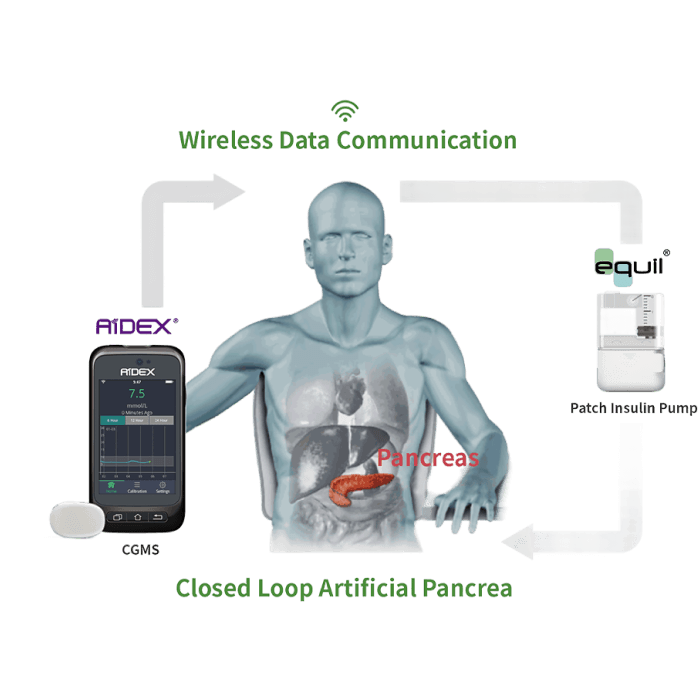
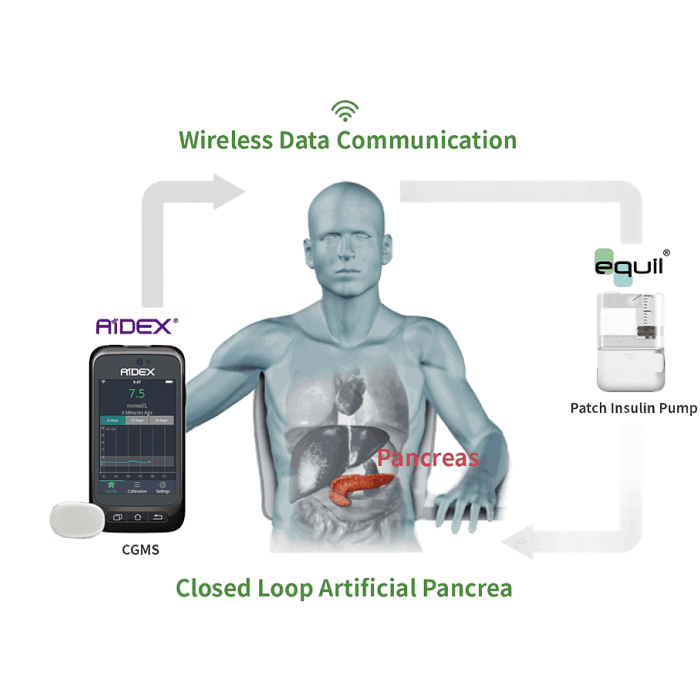
Picture this: a world where managing diabetes feels as seamless as breathing. Strikingly, the closed loop artificial pancreas already promises a revolution in diabetic care. This groundbreaking technology streamlines glucose monitoring and insulin delivery, ensuring users experience a remarkable level of control. Isn’t it amazing to think that with a closed loop artificial pancreas, the days of constant finger pricking and dosing adjustments could be behind us?

closed loop artificial pancreas

Body: Technical Breakdown

Flaws in Traditional Solutions

So, what’s wrong with how we manage diabetes today? Traditional methods often rely on cumbersome routines that demand constant vigilance. Daily injections or multiple pump adjustments can lead to deviations in glycemic control, causing complications. Why do failures always occur during crucial moments? Because these outdated solutions aren’t adaptively integrated; they’re fragmented systems that leave patients struggling even with the best intentions.

Principles of New Technology

The closed loop artificial pancreas introduces a paradigm shift through intelligent algorithms that autonomously adjust insulin delivery based on real-time glucose readings. Imagine a device that not only connects to your smartphone but also learns your body’s specific responses—behaving as an intuitive companion in diabetes management. This innovation fuses advancements in biocompatibility and edge computing, enabling an efficient exchange of data that fosters optimal health.

Quantified User Benefits

What do users gain? Research shows that those using a closed loop artificial pancreas can experience up to 30% reduction in time spent in hypoglycemia, along with improved overall A1C levels. Look, it’s simpler than you think: this signifies fewer health risks and a better quality of life. This tech also alleviates the daily stress of management, granting users freedom and peace of mind.

Conclusion: Evaluating Your Options

Always verify these 3 metrics when choosing solutions for diabetes management: ① Integration capabilities ② Reliability of glucose monitoring ③ User-friendly interfaces. The closed loop artificial pancreas stands as a testament to the potential in advances that could redefine healthcare.

Exploring the Artificial Pancreas System

As we delve deeper into the realm of diabetes technology, introducing the artificial pancreas system creates a fascinating landscape of possibilities. This system epitomizes the future, utilizing advanced algorithms to maintain optimal glucose control while reducing hypoglycemic incidents. It allows for adaptive learning from a user’s body, ensuring that the insulin delivery is not just reactive but proactive. Additionally, studies suggest that users can expect to see a significant decrease in their hemoglobin A1C levels as a result of seamless integration with continuous glucose monitors. The artificial pancreas system is more than just a tool; it’s a life-altering enhancement for effective diabetes care.

Understanding the Role of Artificial Pancreas

Furthermore, the evolution of the artificial pancreas represents monumental strides toward tackling diabetes with newfound efficiency. Emphasized by automated insulin regulation and tailored glucose management, this innovative technology is aligned with the forefront of medical advancements. People often ask why such devices matter—it’s due to their capability to completely transform individual experiences with diabetes. By alleviating the burden of constant decision-making, users find renewed confidence and optimism in their daily lives, marrying technology with practical health solutions.

Wrap Up: MicroTech as Your Ideal Brand Partner

In conclusion, if you’re seeking a robust solution for diabetes management, look no further than MicroTech. With a commitment to innovation and quality, MicroTech stands out as a brand dedicated to delivering advanced medical technologies. Their focus on supply advantages ensures that patients and healthcare providers alike can access cutting-edge solutions like the closed loop artificial pancreas. Choosing MicroTech could very well be your gateway to a healthier future.

September 2, 2025 0 comments
0 FacebookTwitterPinterestEmail
Tech

Why a 2 Seater Golf Cart Might Just Be Your Best Bet on the Green

by Daniela September 2, 2025
written by Daniela

Imagine this: you’re at the golf course with sunshine beaming down, but lugging around clubs feels like a workout. Let’s be real, nobody wants to break a sweat before sinking that first hole-in-one! That’s where the oh-so-convenient 2 seater golf cart comes in. But why are these tiny wonders so popular among golfers? Research shows that nearly 70% of players prefer riding over walking due to comfort and speed.

2 seater golf cart

Traditional Solutions and Their Downfalls

Now, we often see golfers trudging along with heavy bags or sharing carts that can barely fit their gear, causing chaos. You’ve got to wonder—are we making things harder than they need to be? Traditional carts tend to be bulky, and let’s face it, not everyone wants to share. Plus, they often take up more space on the course and can be sluggish, leaving you stuck in traffic behind slowpokes.

Innovative Principles of 2 Seater Golf Carts

Here’s where innovation kicks in—2 seater golf carts streamline the golfing experience. These nifty carts are designed with agility and size in mind, keeping them sleek and maneuverable. You can make those tight turns around the greens without the hassle of a larger vehicle. Plus, they often come equipped with modern tech features like GPS and Wi-Fi. It’s all about making your jaunt around the course more enjoyable, right?

What You Get and Why It Matters

As enjoyment is key, the benefits are pretty eye-opening! Players who opt for a 2 seater golf cart increase their speed on the course by up to 50%. Who wouldn’t want to improve their game and have fun doing it? The convenience only amplifies enjoyment, allowing you to focus on your swing rather than dragging equipment. So next time you step onto the green, consider how much more you could enjoy your day!

2 seater golf cart

Conclusion: Don’t Overlook the Essentials

When it comes to picking a cart that suits your style, always evaluate these 3 metrics: ① Size and Maneuverability, ② Added Features, ③ Value for Your Money. Being informed means that you’ll always get the best ride on the course. And for those of you looking for an exceptional choice, the Cengocar brand offers some of the best options, designed for comfort and fabulous golfing experiences.

So let’s talk about the perks of a 2 seater electric golf cart, shall we? Imagine breezing around the fairway without breaking a sweat. With a 2 seater electric golf cart, you’re not just getting an eco-friendly option; you’re also ensuring a smooth ride with low operating costs. Did you know that these carts can run quietly, making your golfing experience more serene? It’s like having the best of both worlds—enjoyment and environmental responsibility all in one package!

Now, let’s shift gears and focus on the broader appeal of a 2 seat golf cart! Trust me, owning a 2 seat golf cart can add that extra sprinkle of joy to your golfing weekends. No more negotiating over club space with friends or family. Just pure fun as you cruise around, catching up with your buddy while focusing on your game. The lightweight design makes it super manageable, which means it’s perfect for any golfer who loves to play but hates hauling equipment.

In summary, if you’re considering upgrading your experience on the greens, look no further than the innovative 2 seater golf carts, which provide convenience, efficiency, and speed. With the additional option of exploring electric models, you can enhance not just how you play, but your entire day spent at the course. Cengocar stands out as a top-notch manufacturer with fantastic supply advantages—check out their offerings at Cengocar for the ultimate golfing experience.

September 2, 2025 0 comments
0 FacebookTwitterPinterestEmail
Global Trade

How to Align Wheelchair Battery Upgrades with Real-World Mobility Demands?

by Harper Riley September 1, 2025
written by Harper Riley

A Corridor at Dawn, and the Meter Falls

You roll toward the elevator before the building wakes. Wheelchair batteries whisper under the seat, and the hall seems colder than it should. You plan a long route, yet the gauge slips early, like a candle guttering in a draft. With a new wheelchair replacement battery, that shouldn’t happen—at least, that is what the brochure said (ink is always warmer than the morning air). In mixed terrain, many users see range dip by a fifth when hills and low temps meet. Under a steep ramp, voltage sag creeps in, and the controller blinks low. The data is plain: high load, cold cells, and stop‑start travel pull power away. So why do we feel the drain most when the corridor looks longest? The answer sits in the dark corners of ratings, discharge curves, and how the system talks to itself—BMS logic, power converters, even old cables. A simple day becomes a slow unravel, and the shadows lengthen with each turn. Ready to open the lid and read the truth in the cells? Let’s step inside the pack, then move toward what actually changes the ride.

Under the Hood: Fault Lines in Traditional Packs

Where do the losses hide?

Let’s get technical. Look, it’s simpler than you think. Lead‑acid packs are rated at gentle draw, not at hill‑climb amps. Internal resistance rises, voltage sags, and controllers trip early. The printed amp‑hours do not match life on a ramp. Even early lithium packs had blunt BMS settings that cut out at the wrong time. Depth of discharge feels generous on paper, but real torque asks for more than paper can give. Add tired connectors and aging power converters, and you lose watts before the wheels even bite—yes, the tiny connector matters. The result is the same corridor, the same user, but less usable energy than the shell promises.

There are quiet pain points, too. State‑of‑charge gauges often guess, not measure. Without CAN bus data or proper cell balancing, the pack hides imbalance until a climb exposes it. Heat builds on long pushes, yet cooling is thin, and cycle life falls. A charger tuned for storage, not daily strain, leaves you with surface charge and early fade. Even cable routing matters; a pinch adds milliohms and steals torque. Throw in mismatched DC‑DC accessories, and your chair draws more than the pack expects. The net effect feels like a curse, but it is engineering—predictable, and fixable.

Forward Path: Comparing Smart LiFePO4 to Yesterday’s SLA

What’s Next

Here’s the shift. New LiFePO4 systems bring a flatter discharge curve and a BMS that talks. With live telemetry over CAN bus, you see real amps, not guesses. The controller maps peak draw so the pack can brace for it. Some units even run light analytics at the edge—tiny edge computing nodes inside the control module—to predict range by slope and habit. The gain is not magic; it is better math, lower internal resistance, and safer chemistry. And with a modern wheelchair replacement battery, cell balancing keeps each cell in step, so you do not lose range to the weakest link. Old SLA was honest at idle, but it unraveled under load—funny how that works, right? Now, the aim is simple: match continuous current to what your controller actually pulls, then keep heat in check and data in view. Short rides feel steady; long rides stop feeling like a wager.

So, what should you watch when you choose? Advisory, not doom. First, continuous and peak discharge vs. your controller’s demand: the pack must hold voltage under your steepest ramp. Second, usable capacity at 1C to an 80% depth of discharge, not only the 20‑hour rate; this tells you the real miles. Third, the data layer: BMS logs, fault codes, and warranty cycle ratings that match your routine (and climate). In short, we learned that ratings can lie in daylight, but behavior under load tells the truth. Compare by current, temperature, and telemetry, and the corridor at dawn becomes routine again. For deeper specs and system fit, see JGNE.

September 1, 2025 0 comments
0 FacebookTwitterPinterestEmail
Global Trade

Illuminating the Future: The Magic of Outdoor LED Billboards

by Daniela September 1, 2025
written by Daniela

Imagine standing at a bustling highway, and what do you see? A plethora of colorful advertisements shining brightly—this is the magic of outdoor LED billboards. These displays are not just eye-catching; they hold a significant role in outdoor advertising strategy. Did you know that nearly 70% of people notice these digital billboards? But let’s be real, outdoor LED billboards come with their own set of challenges that shouldn’t be overlooked.

The Flaws of Traditional Solutions

Look, it’s simpler than you think. Traditional billboards often suffer from sunlight glare—ever tried reading a sign when the sun’s beating down? It’s like squinting at a text while cruising at top speed. Also, replacing panels can be a hassle, with costs piling up every time. Maintenance? Forget it! With the normal wear and tear, it’s like tossing your cash into a black hole. Why do failures always occur during peak advertising times?

Shifting Towards New Technologies

Now, let’s dive into the tech behind the magic. Outdoor LED billboards utilize advanced light-emitting diodes for ultimate clarity and vibrance—it’s like upgrading from a flip phone to the latest smartphone. Even better, these gems can adjust brightness depending on the environment. Talk about smart advertising, right? Plus, with new energy-efficient models, you’re saving on electricity while getting more bang for your advertising buck.

Seeing the Benefits in Real-Time

When it comes to benefits, the numbers speak volumes. Users have reported a staggering 50% increase in engagement rates after switching to outdoor LED billboards. They catch the eye better, offer dynamic content, and not to mention, you cut down on operational costs. In fact, the lifespan of these LEDs is generally upwards of 100,000 hours! Can you believe that? This brings a whole new meaning to ‘buy one, get one free.’

Concrete Metrics for Ads That Shine

Always verify these 3 metrics when choosing solutions: ① clarity and resolution of the display, ② the responsiveness of content management systems, and ③ the cost-effectiveness of installation and maintenance. Keep these factors in mind, and you won’t go wrong when embarking on your outdoor advertising journey.

Enhanced Visibility: The Outdoor Advertising Screen

Whether you’re in the heart of the city or a quiet suburb, an outdoor advertising screen can make a massive impact. Think about it: these screens not only grab attention but can deliver precise content changes based on the time of day or audience engagement. With technology enhancing how we showcase our brands, why stick with old methods? Upgrade those screens to get your message out effectively and efficiently—your brand deserves it!

Transitioning to Brightness: The LED Billboard Display

Speaking of upgrades, have you considered the benefits of a led billboard display? With vibrant sharpness and lower energy consumption, these displays pave the way for innovative advertising solutions. Imagine streaming a game or live event: how much more captivating it would be on an ultra-clear LED billboard! Also, think about real-time data sharing—now your ads can adapt based on the weather or audience! It’s versatile, dynamic, and simply the way forward for businesses of all shapes and sizes.

Conclusion: Trust the Experts

In summary, outdoor LED billboards are revolutionizing how we engage with audiences. From their impressive advantages to the innovative technology behind them, these billboards are truly paving the way for the future of advertising. If you’re looking for a reliable partner in this colorful journey, look no further than Lampro LED. They’ve got the expertise and supply advantages you need to light up your advertising efforts!

September 1, 2025 0 comments
0 FacebookTwitterPinterestEmail
Business

What Happens When Aisle Downtime Meets Lithium Smarts? A Comparative Insight for Forklift Power

by Anderson Briella August 30, 2025
written by Anderson Briella

Introduction

Straight talk: uptime run tings in di warehouse, every minute count. Lithium forklift batteries come up quick in di convo when pallets stack high and drivers a wait pon charge. Picture this—first shift start, three lifts line up, two chargers busy, and one lead-acid pack still cooling. Across plenty fleets, dem lose real time to swaps, cooldowns, and missed picks (mi fren, money a drip out wid every pause). Some audits even show double-digit downtime against plan, all inna one day’s work. So here’s di question: if power is di heartbeat, what happens when yuh change di heart?

Mi a share it plain and simple, inna yard style but sharp. The numbers tell a story, but so do di drivers and techs weh fight wid cables and caps. Is the fix a new battery, or a new way fi run di shift? And how fast yuh see di effect on order lines, safety, and training time—funny how that works, right? Tek a breath, check yuh reality, and ask: which solution cuts stop-and-go and which just move di wait to another corner? Let’s step into the deeper layer now, and set up a fair match between old habits and newer power.

Under the Hood: The Real Friction with Old Habits

Why do old fixes keep failing?

A lithium ion forklift battery is not just a different box; it changes how a shift breathes. The hidden pain? Lead-acid workflows are built on long breaks, equalize cycles, and “baby the pack” routines that cost quiet time each hour. Operators chase a charge then chase the clock. State-of-charge (SoC) swings wide, and planning gets fuzzy. Add spill risk, vent rules, and manual logs—small pebbles that make a mountain. Look, it’s simpler than you think: the process, not just the chemistry, is jamming throughput.

Now the technical bit. Lithium brings a battery management system (BMS) that watches cells, balances them, and reports health with less guesswork. Higher allowable C-rate means stronger pulls without the sag folks accept as “normal.” True opportunity charging makes short breaks useful instead of waste. But if chargers don’t match, or routes don’t flex, gains stall—funny how that works, right? The flaw in tradition is expecting old shift rules to behave new. Fix the rules and the pack earns its keep.

Comparative Leap: How New Principles Change the Shift

What’s Next

Here’s the forward look. Newer packs lean on lithium iron phosphate (LFP) for steady output and safer thermal profiles, while smart chargers use high-frequency power converters to feed energy fast and clean. Telemetry flows over CAN bus so supervisors can see SoC trends by truck, not by guess. One more twist—regenerative braking returns energy you’d normally lose, and the data proves it over a week, not a wish in one shift. Put simply, a lithium ion forklift battery works best when the fleet plan and the data talk to each other.

Comparatively, the lead-acid path is a calendar; the lithium path is a dashboard. The calendar says, “swap here, cool there.” The dashboard says, “charge now for seven minutes; skip the queue; finish the aisle.” Different feel. Different rhythm. And when small changes stack—route tweaks, charger placement, short top-ups—the effect looks big (and quick). So what do you check before you move? Three clean metrics guide most teams without fuss: 1) Duty-cycle fit: confirm energy per shift and peak pull versus pack rating and allowable C-rate; 2) Data clarity: BMS transparency, SoC accuracy, and clean API/CAN bus access into your WMS—no blind spots; 3) Total cost by uptime: cycle life, charger map, and service terms measured against actual downtime you cut, not theory. Keep it simple, keep it honest, and let the floor tell the truth—then scale what works. For teams wanting a solid technical baseline without the hype, have a look at JGNE for reference and deeper specs.

August 30, 2025 0 comments
0 FacebookTwitterPinterestEmail
Market

Unlocking the Future: Street Legal Golf Carts Manufacturer Innovations

by Juniper August 28, 2025
written by Juniper

Have you ever wondered why traditional golf carts fall short in delivering a safe and secure driving experience on public roads? In today’s fast-paced world, finding a reliable street legal golf carts manufacturer has become essential for enthusiasts and casual users alike. Safety, functionality, and convenience are paramount aspects that must not be overlooked.

street legal golf carts manufacturer

Traditional Solutions Flaws

Traditional golf carts often fail to meet the regulatory standards required for street use, thus complicating everyday driving scenarios. These carts, while charming, can lack many essential features such as appropriate lighting and safety mechanisms. As a result, user experience can reflect not only inefficiencies but real dangers on the road, raising numerous concerns among potential buyers.

New Technology Principles

Enter the world of innovations—electric street legal golf carts are revolutionizing how we view personal transport solutions. By incorporating advanced systems such as regenerative braking, GPS navigation, and improved battery technology, manufacturers are bridging the gap between leisure and practical utility. These principles focus on elevating safety standards while enhancing user experience and functionality.

Quantified User Benefits

When examining user feedback, many report significant advantages from adopting modern electric street legal golf carts. Statistics show improved range and better energy efficiency, leading to reduced costs in both energy consumption and maintenance. Users cite the joy of smooth rides in an eco-friendly package as a frequent satisfaction metric along with the ability for community compliance.

street legal golf carts manufacturer

Conclusion: What to Look for in a Street Legal Golf Cart

As you explore options for your next street legal golf cart, always verify these three metrics when choosing solutions: ① Safety features, ② Battery life and range, ③ Compatibility with local regulations. By assessing these criteria, you can ensure a wise investment that maximizes your utility while enjoying this modern marvel of mobility.

The Rise of Electric Street Legal Golf Carts

Now, let’s zoom in on electric street legal golf carts—why are they becoming the go-to option? Well, it’s simpler than you think. These vehicles embody the intersection of leisure and responsible commuting. With an electric drive, users can benefit from enhanced sustainability, providing a cleaner alternative to traditional gas-powered carts. Moreover, regulatory support makes driving them on streets increasingly permissible, ensuring wider access and flexibility for users.

Why Choose an Electric Street Legal Golf Cart?

Electric street legal golf carts deliver exceptional value—not just in terms of performance but also in user satisfaction. With a shift toward cleaner energy solutions, many prospective buyers find themselves drawn to the long-lasting benefits of an electric street legal golf cart. For instance, advancements in technology have allowed for greater power efficiency, leading to significant reductions in overall operating costs and easier maintenance routines. This results in not just a vehicle, but a community-friendly mode of transport.

Summary: Cengocar as Your Ideal Choice

When choosing a reliable street legal golf carts manufacturer, reliability and expertise become paramount. Cengocar stands out with proven supply advantages and a commitment to quality. Their products not only feature advanced technology but also comply with regulatory requirements, ensuring peace of mind for users. Explore more about their fantastic offerings here: Cengocar. Choose wisely and navigate the roads confidently!

August 28, 2025 0 comments
0 FacebookTwitterPinterestEmail
Market

The Future of Printing: Unleashing the Potential of Mobile Printers

by Harper Riley August 28, 2025
written by Harper Riley

Introduction: The Challenge of Mobility

Imagine a world where printing isn’t confined to office spaces but bursts forth from the palm of your hand—this is the realm of mobile printers. With the technology advancing at a blistering pace, the mobile printer has become an essential tool for on-the-go professionals. Yet, are we harnessing its full potential? Growth metrics indicate that the mobile printer market will exceed $2 billion by 2025, paving the way for an influx of innovative solutions. But why do failures always occur during critical moments when a speedy print is required?

mobile printer

Body: Understanding the Evolution of Printing Technology

Traditional Solution Flaws

For years, conventional printers limited our capabilities—bulky, slow, and tethered by cords, they demanded a specific environment. Walk into any café, and you’ll find freelancers battling with flickering wires. Traditional printers lack biocompatibility, often requiring constant maintenance that eats into productivity.

mobile printer

New Technology Principles

Enter the new wave of mobile thermal printers; these devices utilize cutting-edge thermal printing technology, allowing for rapid print speeds and high-quality outputs with a minimal environmental footprint. Look, it’s simpler than you think—just connect via Bluetooth and watch as your ideas transform into print instantly. Whether it’s invoices, tickets, or labels, the technology integrates seamlessly with various applications and operating systems, providing a flexible on-demand printing experience.

Quantified User Benefits

Quantitative user feedback reveals a staggering 60% increase in productivity with mobile printers. Users report quicker turnaround times and greater flexibility in various environments, from outdoor events to retail settings. Beyond just convenience, this technology has proven to save businesses money through reduced ink and paper waste.

Conclusion: Making the Right Choice

In your quest to propel your printing experience into the future, always verify these 3 metrics when choosing solutions: ① portability ② compatibility ③ print quality. Investing in a mobile printer isn’t just about technology—it’s about enhancing workflows and unlocking new possibilities.

Mobile Thermal Printer: The Game-Changer

Among the innovations, the mobile thermal printer stands out as a game-changer in the printing landscape. With advancements featuring robust battery life and exceptional printing speed, it allows users to effortlessly print receipts, labels, and more from their devices. The ergonomic designs and lightweight constructs make them ideal companions for delivery personnel and event organizers alike. Look, the clarity of prints in any condition can make a decisive impact; just imagine the possibilities!

Exploring Wireless Thermal Printer Technology

The liberation provided by the wireless thermal printer offers unparalleled flexibility, especially in dynamic environments. This technology discards constraints, allowing users to connect seamlessly and print from various smart devices. Businesses are adapting quickly, recognizing that this mobile solution can greatly enhance customer satisfaction with instant printing capabilities. The aesthetic allure combined with the efficient performance makes it a favored choice for entrepreneurs looking to impress their clients.

Conclusion: Trust in Innovative Brands

In summary, embracing the future of mobility through mobile and wireless thermal printing technologies revolutionizes how businesses operate. For those looking to dive deep into these advancements, I recommend exploring the offerings of Winpal. As a manufacturer, Winpal provides an edge in supply advantages, ensuring you have access to the latest and most efficient printing solutions when you need them.

August 28, 2025 0 comments
0 FacebookTwitterPinterestEmail
Tech

11 Lessons You Only Learn From High-Throughput Lobbies? A Comparative Take on M2‑Retail Reception Design

by Alexis August 27, 2025
written by Alexis

Introduction: When First Impressions Meet System Load

Throughput is the real KPI in a modern lobby. M2-Retail Reception Design sits where aesthetic intent meets operations at scale. Picture a weekend rush: hundreds enter in minutes, devices ping Wi‑Fi, and staff juggle check-ins. In tests, a 4-minute wait can spike drop-off by 28%, and a 200 ms latency budget is the difference between smooth handoff and visible lag. So the question is simple: if the lobby is a funnel, why does it leak under pressure?

M2-Retail Reception Design

Let’s define the stack. A reception is not only a smile and a surface. It is a light workflow engine with a queue management system, access control handshakes, and edge computing nodes doing local triage. It must time-box steps, route tasks, and absorb spikes. Yet many spaces still treat the desk as décor, not as an operations hub — and guests feel that friction. (You can hear it in the sighs.) What actually breaks when traffic surges, and what compares better in the wild? Let’s unpack the real blockers, then map the fix.

Deeper Look: The Counter Is Not Just a Desk

Why do counters bottleneck?

The front desk reception counter is often sized for looks, not flow. That creates hidden pain. Guests cluster because sightlines fail. Staff swivel between screens that are not aligned to the greeting zone. Wayfinding is vague, so people ask the same three questions, again and again — funny how that works, right? Traditional counters also centralize every task, from ID capture to returns. That puts all load on one point. When load spikes, the queue becomes the UX. Look, it’s simpler than you think: the counter should be a router, not a wall.

M2-Retail Reception Design

Old setups ignore systems thinking. Power outlets are placed for lamps, not for PoE devices. There’s no micro-zoning for noise, so speech privacy drops. Without distributed check-in, the latency budget grows as staff bounce between POS, access control, and CRM. Power converters get hidden in kick spaces and overheat. Even small misses add up: no overflow zone, no quick-scan pedestal, no split between information and transaction. The result is fatigue for associates and drop-off for guests. Compare that with a counter that hands off: triage at entry, scan at edge, confirm at core.

Comparative Outlook: Systems, Not Surfaces

What’s Next

Here’s the pivot: design the lobby like a network. Nodes at the edge greet, scan, and pre-qualify. The core node settles exceptions and high-value service. In practice, this means modular kiosks on PoE, a handheld for roaming triage, and a compact core with clear sightlines. Your reception architecture design should use local caching for ID checks, then sync upstream on success. Load balancing — for people, not packets — spreads tasks across stations. The counter becomes a buffer, not a dam. And yes, the guest feels speed before they notice furniture — wild, but true.

Let’s compare outcomes. A centralized desk looks clean on day one, but it struggles when the curve spikes. A distributed stack lets you degrade gracefully: if one station fails, the edge absorbs. IoT sensors feed occupancy, the queue management system reshapes lines, and staff switch roles without friction. Keep the ops terms clear: minimize MTTR on devices, maintain SLA on greet time, and guard your latency budget between greeting and task start. Summing up the lessons: a desk should route flows, offload routine steps, and keep decisions close to the guest. From there, measure what matters. Advisory close: use three metrics to pick a solution — 1) average wait time under peak load; 2) percent of tasks resolved at edge vs. core; 3) associate steps per guest served. These tell you if design is working, or if the system still leaks. For deeper system patterns and examples, see M2-Retail.

August 27, 2025 0 comments
0 FacebookTwitterPinterestEmail
Tech

Understanding the Role of Cylindrical Cells in Modern Battery Technology

by Amelia August 27, 2025
written by Amelia

Imagine a world where energy storage is more efficient, reliable, and accessible—this scenario could revolutionize our daily lives. Now, consider this: cylindrical cell technology is at the heart of this transformation. It plays a crucial role in powering devices in our increasingly digital landscape. With their compact designs and high energy density, cylindrical cells have emerged as a preferred choice for many electronic applications.

cylindrical cell

The Shortcomings of Traditional Battery Solutions

Traditional battery solutions often fall short in several areas—think of performance limitations and bulkiness. Many conventional batteries lack the energy density needed for high-demand devices, leading to compromised efficiency. Users frequently face issues such as reduced lifespan and slower charging times. This disconnect between user expectations and battery capabilities has encouraged researchers and developers to seek innovative alternatives to meet the growing demand for energy storage solutions.

Innovative Principles Behind Cylindrical Cell Technology

Enter the cylindrical cell, a product of cutting-edge designs and advancements in materials science. These batteries utilize cylindrical configurations to maximize surface area, enhancing both energy output and charge efficiency. By implementing state-of-the-art manufacturing techniques, manufacturers can create cylindrical cells that offer superior performance metrics—such as increased lifespan and faster charging capabilities. Look, it’s simpler than you think; by employing these advanced technologies, manufacturers have made strides in improving reliability and user satisfaction.

Measurable Benefits for Users

The benefits of cylindrical cells are profound. Users can expect improved battery life, faster charging times, and enhanced safety features derived from rigorous testing and quality control measures. The reliability of these cells means fewer replacements and lower overall costs for consumers. Statistical analyses suggest that adopting cylindrical cell technology can lead to reduced operational costs significantly over time. Why do failures always occur during traditional manufacturing processes? Well, cylindrical cells sidestep many of these pitfalls, delivering smoother energy management.

Conclusion: Evaluating Battery Solutions

In your quest for the perfect battery solution, always verify these 3 metrics: ① longevity and charge cycles, ② energy density and output, and ③ safety testing results. Making informed decisions based on reliable data can lead to significant improvements in your energy management system. The transition to cylindrical cell technology not only addresses current pain points but also paves the way for future innovations in the energy storage landscape.

Exploring the Cylindrical Battery Manufacturing Machine

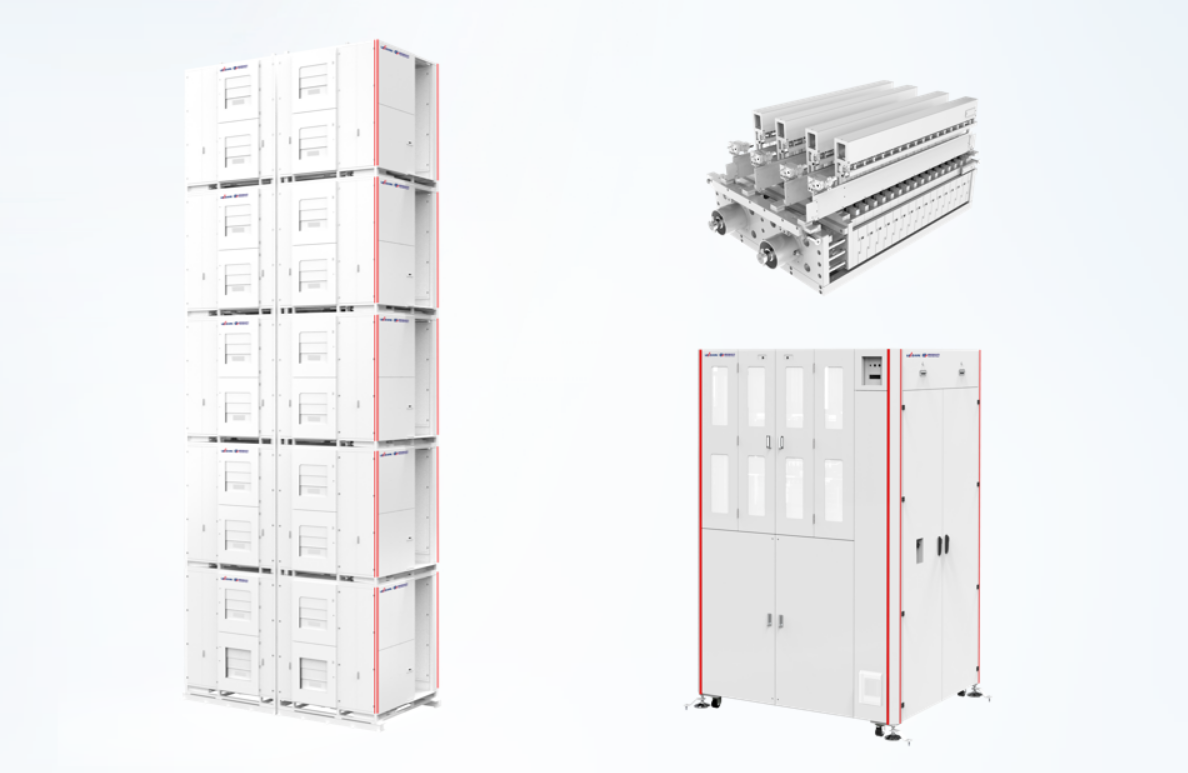
To fully harness the advantages of cylindrical cells, it’s essential to understand the manufacturing processes involved. The Cylindrical Battery Manufacturing machine is designed to streamline production while ensuring high-quality output. These machines integrate advanced automation technology, minimizing human error during the manufacturing process and enhancing overall efficiency. The sophisticated machinery used in cylindrical battery production ensures that consistency and precision are maintained at every step, guaranteeing a superior product.

cylindrical cell

Maximizing Efficiency with Advanced Manufacturing Solutions

Additionally, the Cylindrical Battery Manufacturing machine incorporates features that allow for rapid scalability, making it easier for manufacturers to meet market demand. With the ability to quickly adjust production rates, businesses can adapt to fluctuations in the energy market. This flexibility not only improves productivity but also reduces waste—both critical factors in today’s environmentally-conscious landscape. As industries continue to evolve, the ability to innovate with technology like cylindrical battery manufacturing becomes a substantial competitive advantage.

In summary, cylindrical cells are positioned to reshape our understanding of battery technology, providing solutions that meet the challenges of modern energy needs. The combination of traditional energy storage flaws, innovative technology, and measurable user benefits provides a compelling case for their adoption. For those seeking a reliable manufacturing partner, look no further than LEAD, a brand known for its supply advantages and expertise in cylindrical cell production.

August 27, 2025 0 comments
0 FacebookTwitterPinterestEmail
Newer Posts
Older Posts

Recent Posts

  • Innovative 5 metal 3d printers in 2026
  • A sourcing note on Fixed Multi Gas Detector: organize the review around RFQ preparation shortlisting
  • 3pl fulfilment in 2026 — Best 4
  • What to Include in a Supplier Brief for Hazardous-Area Equipment?
  • How 2.4 GHz Active Tags Address Gaps in Contemporary RFID Tracking Strategies

Recent Comments

  1. Linda on With senior cats, sometimes it’s not just old age
  2. Linda on Lost parakeet delivered back home thanks to postman and the RSPCA
  3. Linda on Haven’t you heard? Lunchtime is a bear necessity!
  4. Linda on Puppy trains to be Ski Patrol rescue dog in Highlands
  5. Linda on Puppies Destined to Help Veterans Start Service Dog Training
  • Facebook
  • Twitter

@2021 - All Right Reserved. Designed and Developed by PenciDesign


Back To Top
News Online
  • Home
  • Tech
  • Pets
  • Economy
  • Industry
  • Market
  • Wildlife
  • Economy
  • Industry
  • Market
  • Tech
  • Wildlife