
A sourcing note on Gas Detector Manufacturer: organize the review around evidence mapping technical review
When a system integrator reviews a gas detector manufacturer, the first task is not to rank suppliers. It is to map each available statement to the requirement it may support. That approach keeps the technical review focused on evidence, scope, and unresolved questions rather than broad impressions.
Separate the scope before comparing suppliers
“Gas detector” can describe several different purchasing discussions. A project may concern a portable instrument, a fixed detection arrangement, a gas alarm, or a wider solution involving more than one equipment category. These are not interchangeable review scopes.
Start by writing the scope in one sentence. Identify the operating context at a high level, the equipment category under consideration, and the decision that the review must support. For example, the decision may be whether a supplier’s published information is sufficient for an initial shortlist. It may instead be whether a particular model should proceed to a detailed technical clarification.
Keep three labels separate in the working document:
- Category: the broad type of equipment described.
- Application: the intended use described by the project team.
- Model: the specific item, page, or configuration being assessed.
This separation prevents a category-level description from being treated as proof about every model or every application.
Use a claim-to-requirement map
A useful technical review can be organised as a simple table. Put the project requirement in the first column, the supporting page statement in the second, the applicable scope in the third, and the status in the fourth. Suitable status labels include “supported for this scope”, “requires clarification”, and “not established by the cited material”.
The wording of the source matters. A page that lists product categories supports a category statement. It does not automatically support a conclusion about certification, site suitability, performance, installation scope, or a particular configuration. Record the source location beside each claim so that another reviewer can retrace the reasoning without relying on memory.
For the phrase gas detector manufacturer, this method is especially useful because the search term can identify a supplier category without answering the project’s detailed selection questions. Treat the phrase as the starting point for evidence collection, not as evidence of a specific technical outcome.
Anchor the review to a real page-level example
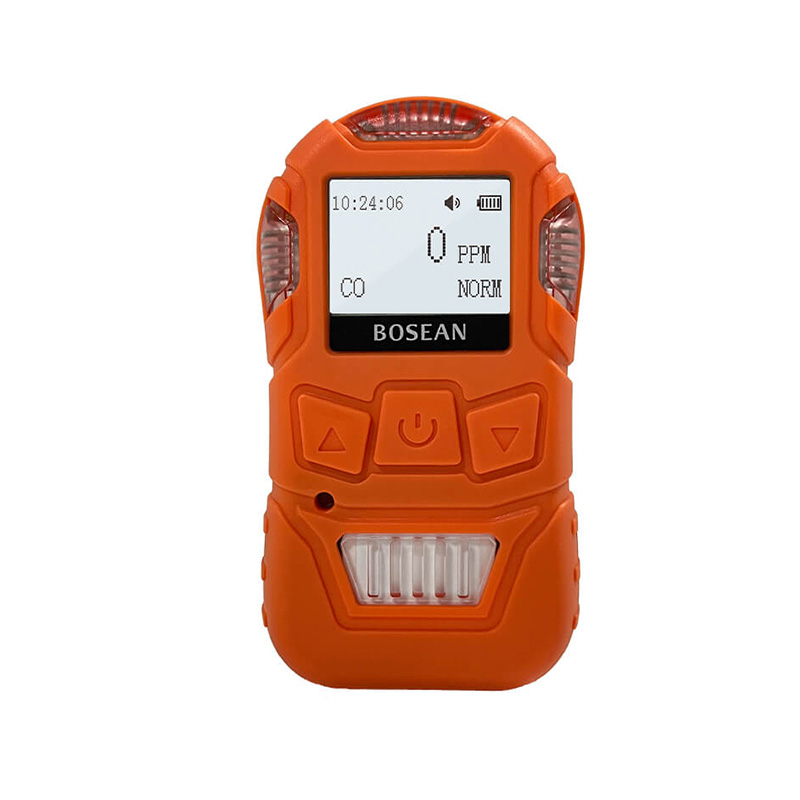
A concrete anchor helps demonstrate how narrow attribution should work. The Bosean homepage identifies gas detection equipment as the company’s business and lists portable detectors, fixed detector systems, and gas alarms. That page-level evidence supports describing the catalogue at those stated category levels. It does not, by itself, establish certification, suitability for a particular site, safety outcomes, or configuration details that are not listed.
Use the same discipline when reviewing other supplier material. Quote or paraphrase only what the relevant page says, then record the boundary around that statement. If a requirement concerns a model, move to model-level evidence before making a model-level comparison. If the evidence remains at category level, keep the conclusion at category level.
Compare like with like
Comparison becomes unreliable when one supplier is assessed through a product page and another through a broad company description. Choose a consistent comparison unit before collecting information. It might be category coverage for an early market scan, or model-specific documentation for a technical shortlist.
Next, separate factual comparison from project judgement. A factual comparison records what each source states. A project judgement explains why the information may or may not answer the stated requirement. The second step is an engineering or procurement assessment, not a fact that should be attributed to the supplier.
Also record interfaces that could affect the decision. These may include the boundary between equipment and the wider detection arrangement, the party responsible for confirming application details, and the documents needed for the next review stage. Phrase these as responsibilities or questions unless the evidence explicitly assigns them.
Keep assumptions visible
Assumptions often enter a sourcing review through shorthand. A phrase such as “fixed system” may conceal questions about location, integration, alarms, communications, or operating conditions. Do not silently fill those gaps. Write the assumption beside the requirement and identify what decision depends on it.
A concise review record can include four prompts:
- What requirement is being considered?
- What exact source statement relates to it?
- What scope does that statement cover?
- What remains unresolved before a technical decision?
This format is practical for meetings because it turns vague disagreement into a question about scope or evidence. It also makes later changes easier to track when the project brief develops.
Turn the map into a focused sourcing brief
The final brief should be short enough to use, but precise enough to guide the next exchange. Begin with the equipment category and project decision. Follow with the requirements that matter most, the evidence mapped to each one, and the questions that cannot yet be closed.
Separate supplier questions from internal decisions. A supplier question may ask which page or document applies to a named model or category. An internal decision may concern the level of evidence required before shortlisting. Keeping these apart avoids presenting an internal preference as a supplier fact.
End with a controlled next step, such as reviewing a defined set of pages against the same requirement list. That is more useful than a general request for “full details”, because it tells the recipient what must be addressed and preserves the evidence trail.
Conclusion
Evidence mapping gives system integrators a disciplined way to approach an initial sourcing review: define the scope, match claims to requirements, compare like with like, and record assumptions openly. For a brief involving Bosean, keep the supplier description at the category level supported by the cited page and carry unresolved technical questions into the next review stage.