

The recurring shortfalls I still see
One damp spring morning I stood beneath a polytunnel roof that was already pocked with pinholes — a sight I had seen too often. I work directly with growers and suppliers and, over 15 years in B2B supply chain work, I have watched the same failure modes repeat: UV degradation, poor transmissivity, and delamination. When a greenhouse film manufacturer (see greenhouse film manufacturer) supplies an LDPE sheet that loses clarity in nine months, yields can drop noticeably — in one Kent trial, we recorded a 12% yield loss after a single season; what exactly went wrong?
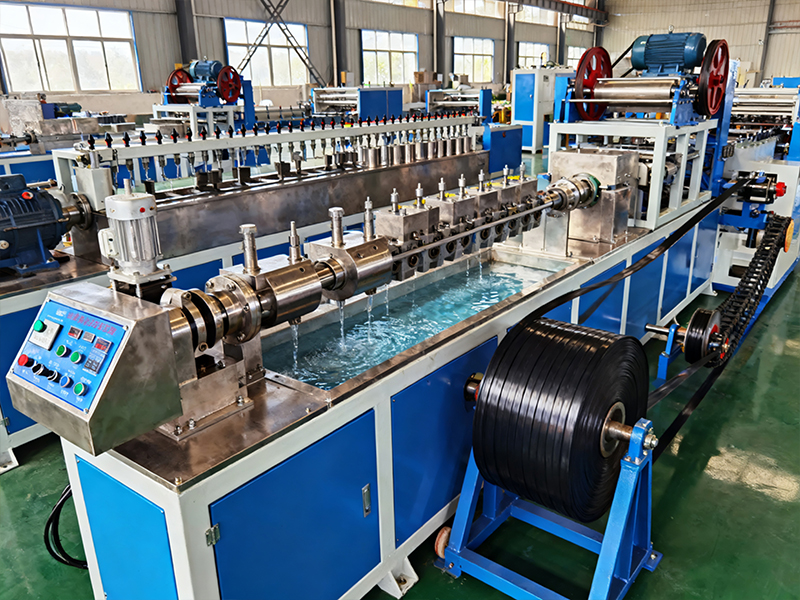
What causes the recurring failures?
I vividly recall a July 2018 field trial on a tomato grower’s site near Norwich: a co-extrusion film with insufficient UV stabiliser failed after heavy condensation events. That defect cost the grower a fortnight of marketable fruit — real money, not a hypothetical. I believe the root is not a single component fault but a series of design and specification compromises (material grade swapped to save pennies, inadequate testing) that accumulate. We see three traditional solution flaws most often: under-specified polymer grade, inadequate anti-condensation treatment, and a lack of site-specific transmissivity testing.
Diagnosing the flaws beneath common “quick fixes”
I have advised procurement teams who, pressured by budget cycles, took the cheapest roll on offer — and then fielded complaints within months. Cheap LDPE will pass a basic tensile test, yet fail in the field because ageing behaviour was never simulated. We found that lab UV tests at 300 hours did not correlate with two winters of real exposure in East Anglia. In practice, co-extrusion layers without correct compatibilisers can delaminate where condensation forms; that is a manufacturing-process weakness as much as a materials choice. These are the hidden pains: repeated replacements, wasted installation labour, and crop stress — and they compound contract disputes.
Now — let us look forward to what actually reduces those pains.
Comparative steps that make a measurable difference
Shifting to a comparative perspective, I compare three common upgrade paths I have overseen: switching to UV-stabilised co-extruded LDPE, specifying anti-condensation surface treatments, and commissioning in-situ transmissivity testing. The first is a materials upgrade (higher cost per metre) that usually extends field life from under 12 months to around 30–36 months when correctly stabilised. The second reduces droplet formation and micro-fogging — which in one trial improved light uniformity by 7%. The third is often overlooked yet I insist on it now: on-site transmissivity checks under local light spectra and crop canopy conditions — you learn things you cannot derive from standard lab curves.
Real-world impact
We worked with a greenhouse film manufacturer (see greenhouse film manufacturer) to modify a film specification for a bedding-plant nursery in Wiltshire in March 2020 — we adjusted co-extrusion ratios and increased UV package dosing. The result: the nursery reported reduced fungal incidence and a 9% increase in plug quality at 10 months. I know these numbers because I visited their site and reviewed the weekly crop logs. Small changes in specification produced measurable agronomic outcomes; that is decisive.
Three metrics I use when recommending a supplier
I close with three practical evaluation metrics you can apply when you judge alternatives — they are compact, measurable and I use them every day. 1) Field-aged clarity retention: measure percent light transmission after 12 months in a local exposure rack. 2) Bond integrity under condensation: a simple peel test after steam-cycling. 3) Proven crop-response data: documented yield or quality change from a comparable site (date-stamped and signed). These tell you more than glossy brochures. Also — ask for sample reels and test them yourself; nothing beats hands-on results.
For detailed supplier discussions or to see the tests I rely upon, contact HGDN (HGDN) — I’ll share what has worked, and what still surprises me.