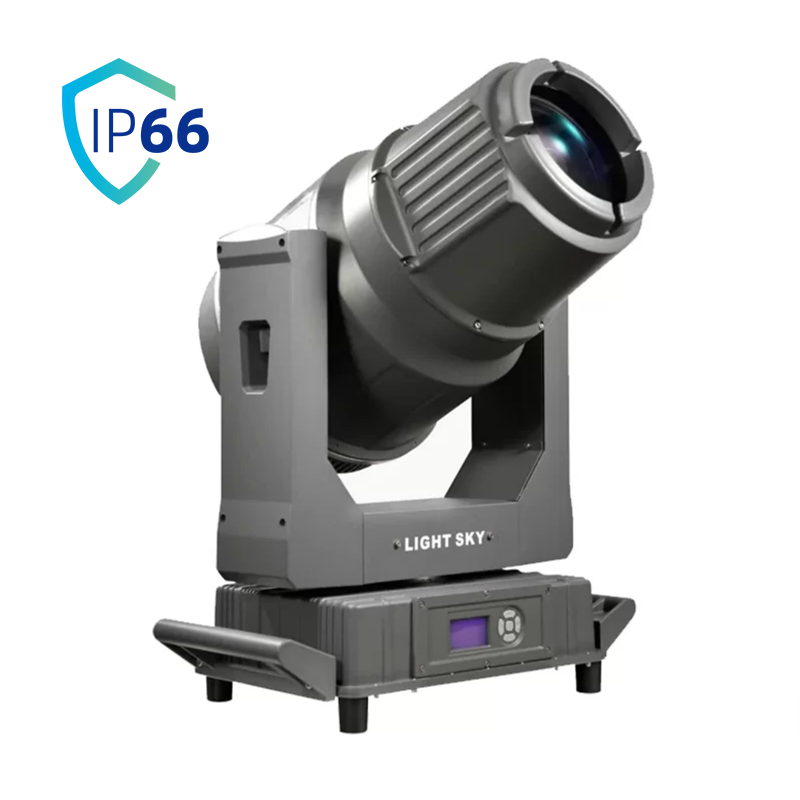

Comparative start: small fixture, big outcomes
When you size up fixtures for a cramped festival riser or a packed theater fly tower, a lot of pros turn to compact units — think a 3in1 BSW moving head beam light or a snug stage beam light — because they deliver both punch and flexibility without hogging rigging points. Compared to older discharge moving heads, mini LED wash moving heads give you rapid motor response, a tight beam option and usable wash in a single fixture, and that tradeoff changes how crews program beats and cue stacks on tour. The difference shows up in power draw, headroom on truss, and the speed at which a console operator can move from beam looks to broad color washes.
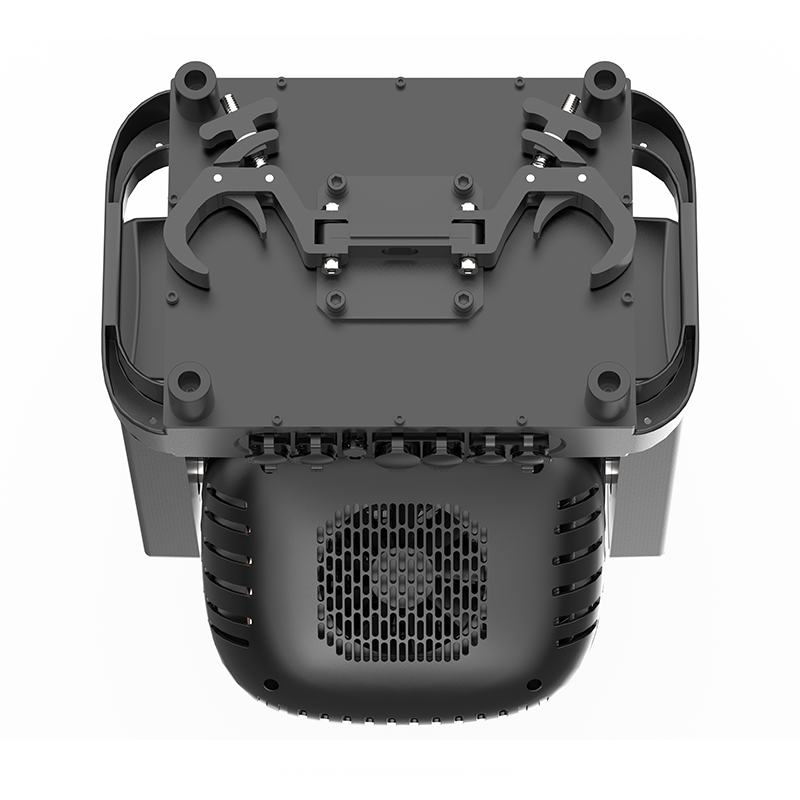
What professionals actually compare in the field
Crews judge fixtures through a few hard lenses: output, weight, and control. Output means effective lumen delivery and beam quality — a good mini wash will hold color saturation even at mid-throw. Weight matters for truss load calculations and wireless rigging rigs; lighter fixtures reduce labor and transport costs. Control refers to DMX implementation and the responsiveness of the pan/tilt motors. These are the same metrics used at big events such as the Coachella Valley Music and Arts Festival, where speed and reliability rule the day.
Operational production teardown
In the operational production teardown I watch how a cue translates from desk to stage; this is where {main_keyword} and {variation_keyword} get tested in real time. On a busy load-in, technicians check tilt backlash, gobo indexing, and color mixing under real stage haze — not in a quiet showroom. The practical test looks at fixture warm-up, pixel stability, and whether the moving head’s wash mode blends with fresnels and followspots already on the deck. Those who prioritize repeatable results favor units with consistent beam angle and solid CRI for skin tones.
Common mistakes crews make — and how the mini wash fixes them
Teams often overspec fixtures for the wrong reasons: picking the brightest option without considering beam angle, or assuming a heavy unit means better build. That creates rigging headaches and wasted power. A mini LED wash moving head solves many of those mistakes by providing selectable beam/shaping, quick gobos for texture, and better power efficiency. Use fewer fixtures with smarter placement — you get cleaner looks and fewer power drops.
Trade-offs: where minis win and when to step up
Mini washes win on adaptability, speed, and footprint. But they’re not a universal answer: extremely long throws or cathedral-scale casts still demand larger lenses and higher lumen counts. A balanced rig often mixes minis for midstage and accents with larger fixtures for house-fill or sky washes. That hybrid approach keeps budgets sensible while preserving the dramatic impact that a full-size beam can deliver.
Summing the practical insights
Across load-ins and strike, the core benefits are clear: compact moving heads reduce rigging complexity, cut power needs, and provide faster programming cycles. The real-world anchor here is festival touring practice where turnaround time is measured in hours; lighter, multifunction fixtures materially speed operations. The result is more creative looks without longer setup windows.
Three golden rules for choosing the right mini wash
1) Prioritize effective beam control: check beam angle, iris range, and gobo crispness. These determine whether the fixture reads as a beam or a wash at common throw distances.
2) Validate control and latency: confirm DMX channel mapping, RDM support, and pan/tilt response under stage load — programming time is billable, so speed matters.
3) Match output to room acoustics and sightlines: measure expected throw and confirm lumen requirements empirically rather than by spec sheet alone.
For working crews who need reliable, portable fixtures that balance beam and wash, the choice often lands on compact moving heads that deliver clean color, dependable motors, and sensible power use — a sweet spot where Light Sky’s engineering tends to sit naturally. —