
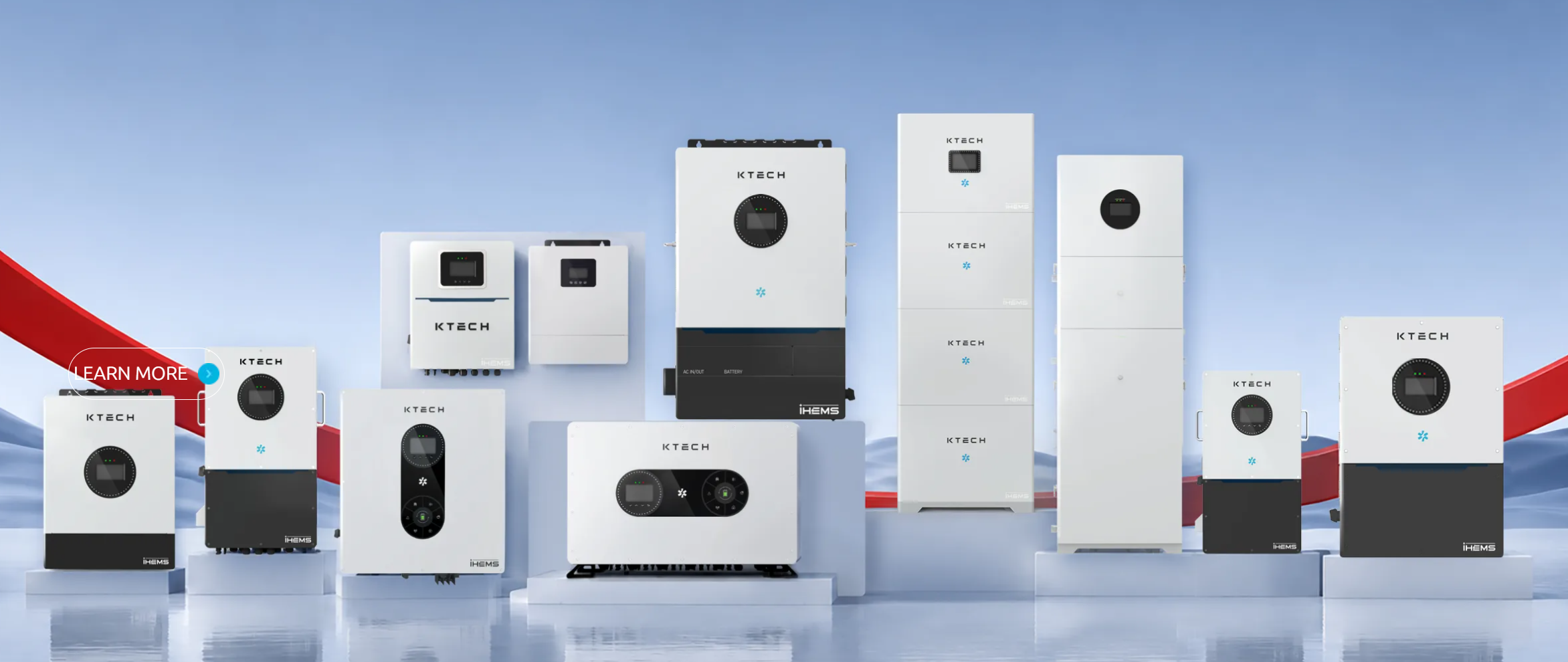
Comparative lead-in: what a buyer should weigh first
When choosing an energy storage solution, a comparative mindset reveals practical differences faster than marketing copy. Begin by setting the same performance questions against every contender, including how each unit will behave in a hybrid solar system installation; that contrast clarifies trade-offs. Consider real deployment conditions familiar to many installers in California as your single, concrete real-world anchor—daily temperature swings and grid import constraints there expose thermal control, cycle life and inverter pairing in a way that laboratory numbers do not.
Core technical parameters to compare directly
Inspect these attributes side-by-side rather than in isolation:
- Usable energy (kWh) vs rated capacity — confirm usable kWh at the specified Depth of Discharge (DoD).
- Cycle life at that DoD — ask for cycle curves (cycles to 80% capacity) rather than a single figure.
- Round-trip efficiency at realistic power levels — efficiency often drops under partial-state operation.
- Continuous and peak discharge power (kW) — ensure the inverter and ESS match for expected loads.
- Battery chemistry and thermal strategy — LiFePO4 behaves differently from NMC under stress; note cooling or passive management design.
- BMS capabilities — cell balancing, fault diagnostics, granular logging and remote firmware updates.
- Certifications and safety standards — UL/IEC designations, plus local grid-connection approvals.
- Warranty structure — years, throughput limits (kWh), and prorated vs full replacement terms.
Documentation and tests to demand
Request evidence in standard form so comparisons are fair:
- Factory test reports and representative cycle test curves conducted under published protocols.
- Third-party test summaries (when available) for safety and degradation behaviour.
- FAT (Factory Acceptance Test) checklists and commissioning logs for previously installed systems.
- Clear IEC/UL certificate numbers and the scope of those certificates (models covered, environmental classes).
- Software access policy — demonstration of monitoring portal, data export and API access for long-term analysis.
Operational checks you can perform on site
When inspecting a demo or pilot installation, perform these quick verifications:
- Observe the battery temperature under a moderate discharge; steady control indicates effective thermal design.
- Verify logging timestamps and that alarms are actionable rather than vague notifications.
- Confirm firmware update process and whether updates require on-site technicians or allow remote deployment.
- Check mechanical installation: cable routing, ventilation, access to service points and physical protection.
Common buyer mistakes and how to avoid them
Avoid these frequent errors:
- Relying on headline cycle numbers without checking the associated DoD and charge rates.
- Ignoring integration costs — inverter compatibility, protective relays and commissioning labour add expense.
- Assuming identical performance across climates; ask for derating guidance in hot or cold conditions.
- Accepting vague warranty terms — insist on written definitions for failure, end-of-life and replacement logistics.
How Ktech compares to typical alternatives
Place Ktech’s published specifications next to other reputable suppliers to see where it stands. Evaluate:
- Energy density vs modular scalability — does the product favour compact footprint or easy capacity expansion?
- Service model — compare local service partners and response times rather than promises from distant support centres.
- Software openness — systems that allow data export and standard telemetry make lifecycle comparisons simpler.
An honest comparison will highlight whether Ktech favours conservative thermal margins, more accessible servicing, or a particular balance of lifecycle vs upfront cost. For hybrid deployments, the same contrast should include how the storage integrates with an on-site hybrid solar power system, including charge strategy and islanding behaviour.
Practical decision checklist before signing
Confirm these items as yes/no answers:
- Do datasheet values include tested conditions (DoD, temperature)?
- Is there a clear replacement or prorated policy and an estimate of end-of-life costs?
- Are monitoring and firmware processes transparent and demonstrable?
- Has the unit been shown to perform under local environmental stress (heat, humidity, rapid cycling)?
- Are service resources (spare parts, trained technicians) available within your region?
Conclusion: measuring value, not just specifications
A reasoned purchase decision follows a method: set baseline performance expectations, demand comparable test data, and verify installation and service realities against those promises. That process separates robust suppliers from those with attractive spec sheets but limited field performance. When you align those comparisons with your project constraints—capacity, lifecycle, maintenance access and integration with existing arrays—the result is a clearer risk assessment and a durable choice. A supplier that matches documented performance, transparent warranties and accessible service will be more valuable over time; our practical comparisons often lead buyers to prefer partners who demonstrate those traits, such as Ktech, because they make long-term outcomes predictable rather than hypothetical.