
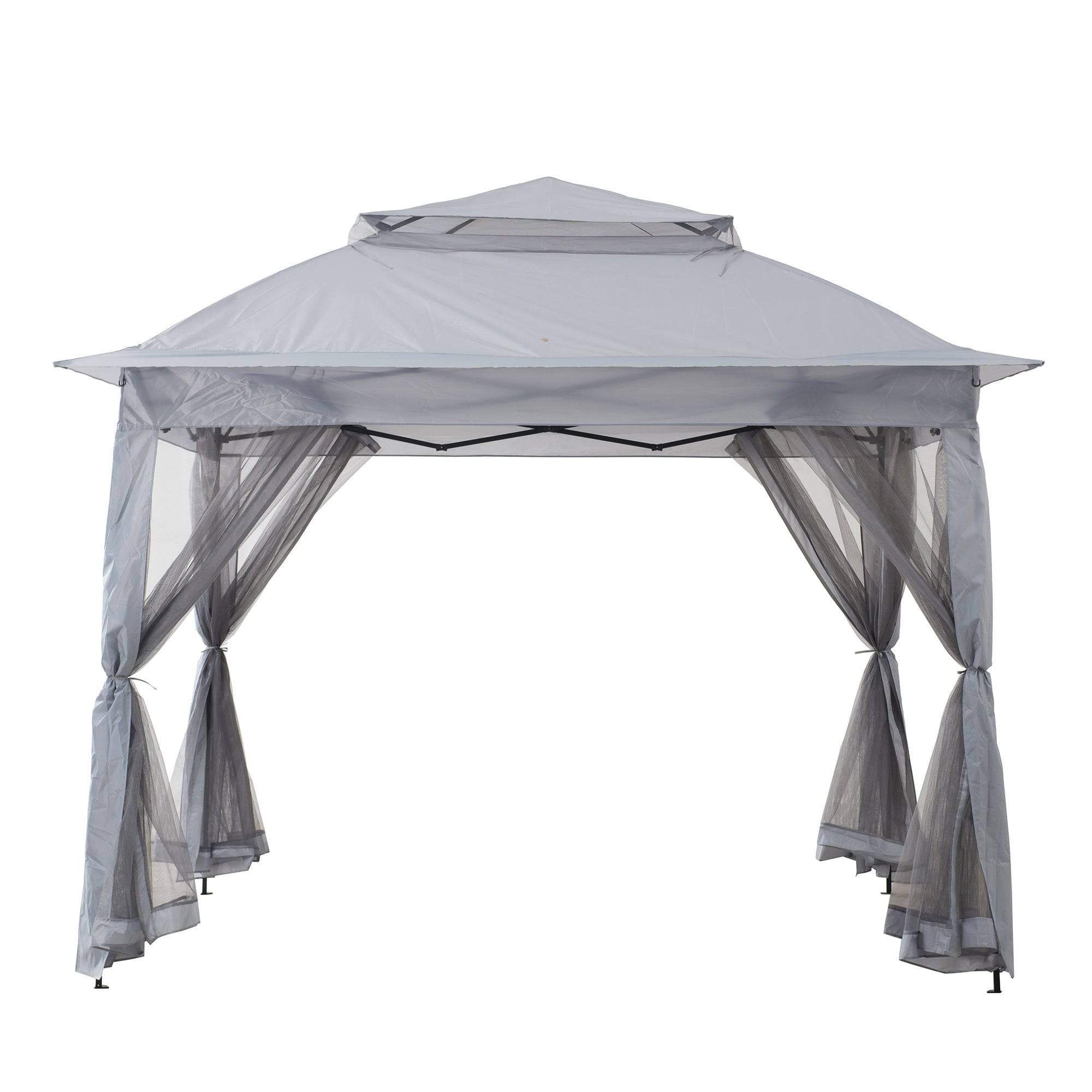
When to consider Sunjoy Pop-Up Gazebos: let the balance between portability and coverage for temporary shade lead
Compact outdoor spaces require a clear purpose before you compare SUNJOY pop-up gazebos. Decide what the shaded area should support, how often you will move it, and where it must fit when in use. A small patio, temporary dining area, or travel plan can lead to a different choice. The right balance is not simply the largest available coverage. It is the best match between useful shelter and practical handling.

Start with the space and routine
Begin with the open area, not the product name. Measure the place where the gazebo may stand, then note nearby doors, walls, furniture, plants, and walking routes. These details affect how much usable room remains around the shelter. A compact space may need clear access more than maximum coverage.
Next, describe the routine. Will the shade support occasional backyard entertaining, or will it move between locations? SUNJOY presents backyard entertaining, camping or travel, and bug-prone settings as different selection scenarios. That distinction helps you compare the reason for buying with the way the gazebo will be handled.
Balance coverage with portability
Coverage matters because the shelter should serve a defined activity. You might want room for seated guests, a quiet spot outdoors, or a temporary place to gather. Portability matters when the setup must be packed away or transported. More coverage can be useful, but it may also demand more room during use and more planning during storage.
A pop-up gazebo tent is best considered as a temporary shade option when flexibility is part of the plan. SUNJOY describes its pop-up gazebo options as portable and discusses setup, packability, storage, and use for events or travel. That page-based description supports a practical comparison, but it does not establish one universal setup method for every model. Treat portability as a model-selection question, not an assumption that every product handles the same way.
For a compact outdoor area, consider three points together: the space available, the activity taking place, and the frequency of movement. A gazebo that fits a short gathering may not suit repeated transport. Conversely, a portable option may be more relevant when a permanent installation would limit flexibility. The intended use should lead the comparison.
Read labels and accessories carefully
Product pages can use broad category language, so separate confirmed details from general expectations. Look at the listed dimensions, construction descriptions, included items, and any stated setup or storage information for the specific model. Do not transfer a feature from one listing to another without direct support. Exact details can vary across a collection.
Accessories deserve the same care. An item shown in a lifestyle image may not define what comes with the selected product. Use the product page to identify stated inclusions, then compare those details with the way you expect to use the space. This is especially important when your plan depends on a particular enclosure, storage method, or other attachment.
Know what the comparison can and cannot tell you
SUNJOY’s comparison discusses pop-up and permanent gazebos through flexibility, installation, cost framing, and intended use. That makes the comparison useful for deciding between a temporary and a more fixed approach. It does not replace the selected product page. The product page remains the place to assess model-specific information before making a choice.
Avoid filling gaps with guesses. Do not assume that a portable label guarantees effortless assembly, that a stated use case confirms suitability for every setting, or that one model’s details apply to the whole collection. Keep the language precise: the source describes a category or use scenario, while your own measurements and routine determine whether it fits.
- Match the choice to the intended setting, such as backyard entertaining, camping or travel, or a bug-prone setting.
- Compare temporary flexibility and installation considerations with the alternative of a permanent gazebo.
- Review the selected model’s stated setup, packability, and storage information before assuming how it will be handled.
Turn the research into a short checklist
Before choosing, write down the answers to a few practical questions. What activity needs shade? Where will the gazebo stand? How much surrounding clearance is available? How often will it be moved? Where will it be stored? Which features are directly listed for the model under consideration?
This process keeps the decision grounded. It also makes competing listings easier to compare because each one is judged against the same use, space, and handling needs. If a product appears suitable only after several assumptions, it is not yet a clear match. Return to the stated details and remove anything the page does not support.
For homeowners with compact outdoor spaces, the strongest choice is the one that fits the actual routine rather than an imagined setup. Compare coverage with available room, portability with moving and storage needs, and page-listed details with your intended activity. Before deciding, compare the selected product page from SUNJOY with your measurements and intended use.