
Introduction
I once watched a small toy plane get a new wing and suddenly fly better — that made me think about machines. Here’s a simple scene: you have a shop bench, a blue print, and a noisy friend called a 5-axis machine (DMG Mori, Mazak, Haas, Makino, Okuma are names you hear a lot). Data shows shops that refresh key equipment can cut cycle time by up to 30% (numbers matter — and so do lunch breaks). So I ask: when should you actually pull the trigger on a new setup? Let’s step toward the answer together — slowly, and with a snack.
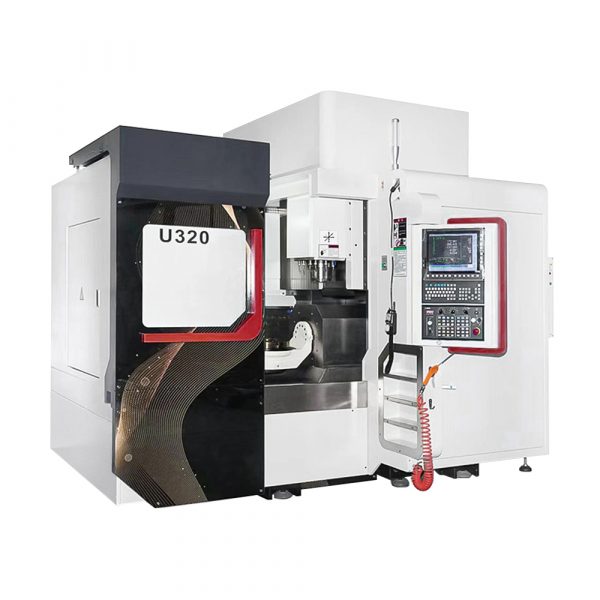
Why Traditional High-Speed Machining Centers Fall Short
I’ll be direct: many shops think a faster spindle is the fix-all, but that’s only part of the story. The high speed machining center promises speed, yet older layouts and worn components choke real performance. I’ve seen tight tool changers, tired servo drives, and beaten-up linear guideways turn a promising cut into chatter and scrap. Spindle speed alone won’t save you if toolpath optimization and workholding are ignored. Look, it’s simpler than you think: the machine is a system — not just a motor.
What breaks first?
Wear shows up in unexpected places: bearings, thermal drift, control latency. When axis interpolation stutters, precision collapses. You might gain rpm but lose accuracy; that’s a bad trade. I’ve fixed parts by tuning coolant management and rebalancing tools — small moves with real results. — funny how that works, right?
Looking Ahead: New Principles and Practical Choices
Now let’s move forward. I like to compare old fixes with new ideas so you can choose wisely. One clear trend is systems thinking: combine a capable brain (modern controller), smarter CAM strategies, and better mechanical design. For example, a modern cell that includes a cnc multi spindle machine in the line can shift bottlenecks and boost throughput without just pushing raw spindle rpm. That mix—software and hardware—gives you predictable throughput.
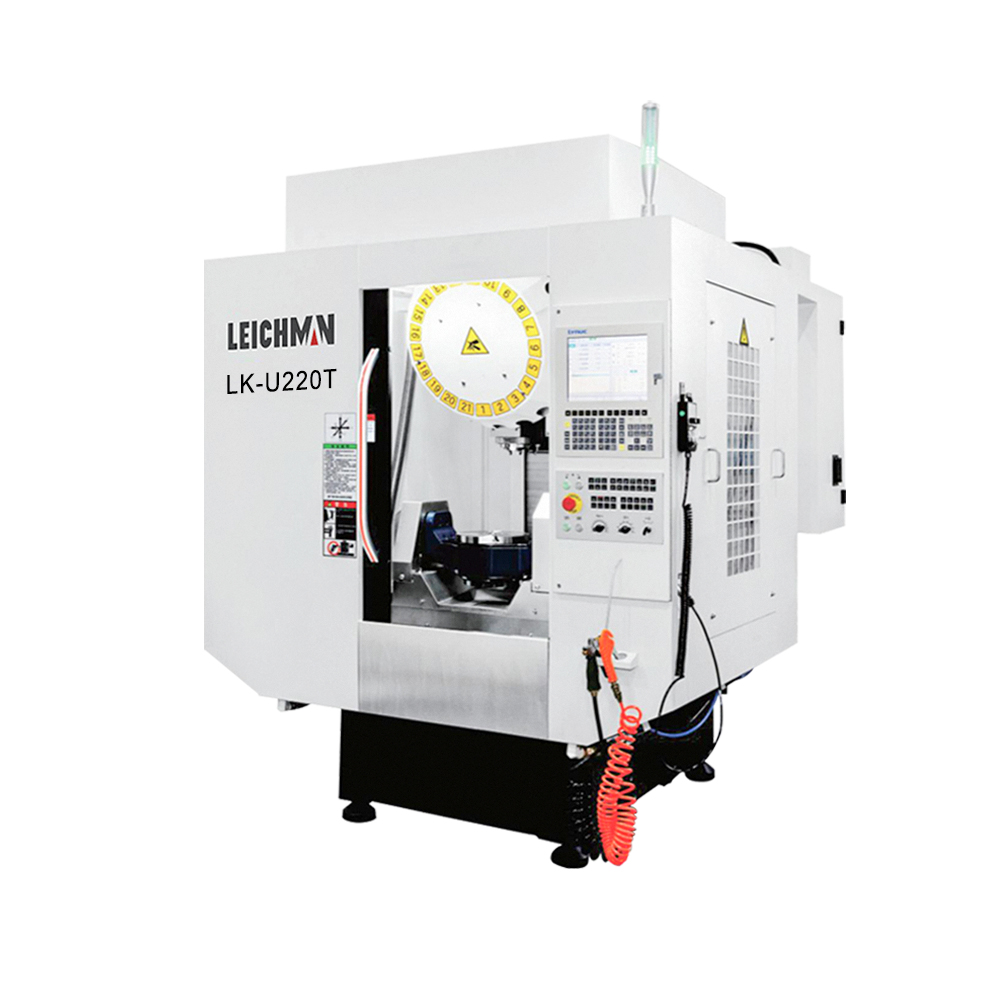
Here are three practical evaluation metrics I use when advising teams: 1) effective cycle time under real loads (not just a vendor spec), 2) repeatability after thermal soak, and 3) serviceability and spare-part lead times. Measure those and you’ll see where upgrades matter. I’d add: consider tooling expenses and program complexity — they pile up over months. I’ve watched shops cut costs simply by changing fixturing and streamlining G-code. — small changes, big wins.
To wrap up: don’t chase peak rpm as a lone prize. Instead, compare makers on system reliability, ease of integration, and lifecycle cost. When you do that, upgrade decisions become clear, practical, and — yes — a little less scary. For balanced, real-world options I usually point teams toward proven vendors and real case data; and if you want to look further into specific systems, I recommend checking Leichman for product details and resources: Leichman.