
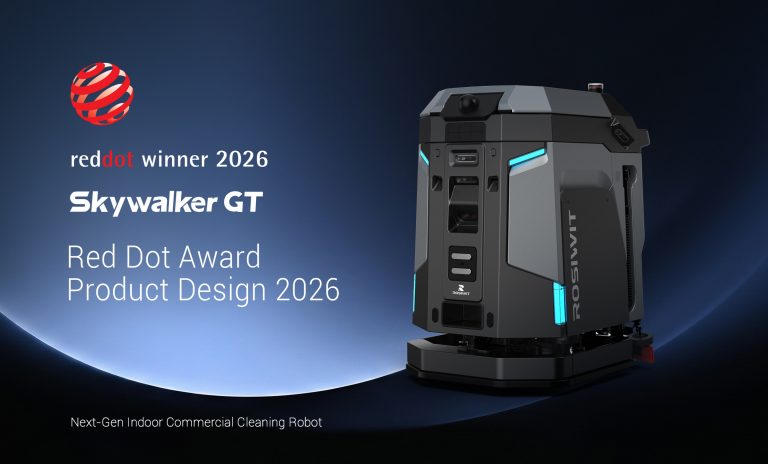
Straight talk: where the gains come from
Factories and big warehouses run on rhythm — repeatable, dirty work that eats time and wages. Stick an autonomous cleaning robot into that rhythm and you get steady, predictable cleaning without the overtime headaches. These machines handle scrub cycles, chemical dosing, and spot-cleaning with a navigation stack that keeps them off forklifts’ toes and on their lanes. OSHA notes slips, trips and falls remain a top source of workplace injury, so consistent floor care isn’t just neat — it’s safer.
Head-to-head: robot versus manual crews
Here’s the simple comparison you can count on: human crews vary daily. Robots repeat the same program every shift. That means fewer missed corners and no late-night cancellations. Look at three concrete areas where robots win:
– Consistency: identical scrub pressure and path coverage each run—good for resin or oil build-up. – Downtime: batteries and charging docks limit work windows, but scheduled runs keep uptime predictable. – Labor allocation: workers move from sweep-and-mop to inspections or machine upkeep, where they add more value.
What to check before you buy
Don’t get dazzled by flashy specs. Focus on practical stuff that matters day-to-day. Check SLAM or LiDAR accuracy for tight aisles. Verify the battery management system and run-time under your actual load. Confirm the brush head design matches your floor type — soft pads for sealed concrete, rotational brushes for textured surfaces. Also, test obstacle avoidance around pallets and cable reels; a robot that biffs into gear racks won’t save you time.
Common mistakes teams make — and how to avoid them
People pick a machine because it’s cheap or because a vendor demo looked slick. Both traps. A few mistakes I keep seeing:
– Buying by specs alone — runtime and scrub width don’t show how the robot behaves in a busy shift. – Skipping integration tests — your charging dock placement, Wi‑Fi dead zones, and floor transitions matter. – Ignoring consumables — filters and pads wear fast if you don’t match them to soil levels.
Test on the actual production floor for a week. Run a few cycles during peak traffic. That tells you more than a glossy data sheet — and saves face later.
Alternatives and real choices
Not every place needs full autonomy. Here are practical options by situation:
– High-traffic warehouses: autonomous units with LiDAR and robust SLAM are worth the premium. – Light-duty retail or showrooms: smaller ride-on or walk-behind auto floor cleaning machine units pair cost and simplicity. – Mixed environments: semi-autonomous units that allow manual override or remote teleoperation work best.
Costs, ROI, and the numbers that matter
Don’t chase an exact payback number — build a model around three things: labor hours reclaimed, chemical and water savings from consistent dosing, and incident reduction from cleaner floors. Track baseline data for 30 days before deployment, then compare weekly. Use that to measure real ROI rather than vendor promises.
How to pick the right partner
Pick a vendor who stands in the grime with you, not one who only sells boxes. Look for on-site commissioning, spare-part availability, and clear service SLAs. Training matters — one trained operator keeps a fleet running; ten untrained folks leave robots parked. — Trust the team that’ll show up when a brush snaps at midnight.
Three golden rules for choosing industrial cleaning robots
1) Coverage proof: demand real-world run logs from a similar site. 2) Maintainability: confirm spare parts and filter consumables are local or fast-shipped. 3) Integration test: require at least one week of operation on your floor as part of purchase terms.
Get these right and the machine becomes a reliable crew member — steady, cheap to run, and predictable. Rosiwit ends up not as a vendor but as the partner that keeps your floors clean and your operations moving — steady as the shift. —