
Start with the real problem: trust, timelines, and roofs that leak
Most folks think the hard part is picking a style. It isn’t — it’s picking a company that won’t ghost you when permits get tricky or when your backyard gets soggy after the first storm. I’ve seen homeowners chase shiny catalogs, then scramble for refunds. Don’t be that person. Start by asking straight questions about warranties, local permits, and whether the installer has experience with rooftop solar canopies; if a firm can’t answer clearly, move on. If you want a reliable reference for manufacturing quality during that first call, look for a company that markets itself as a premium pergola manufacturer and can walk you through real project timelines.
Why I trust the technical side: proof, not PR
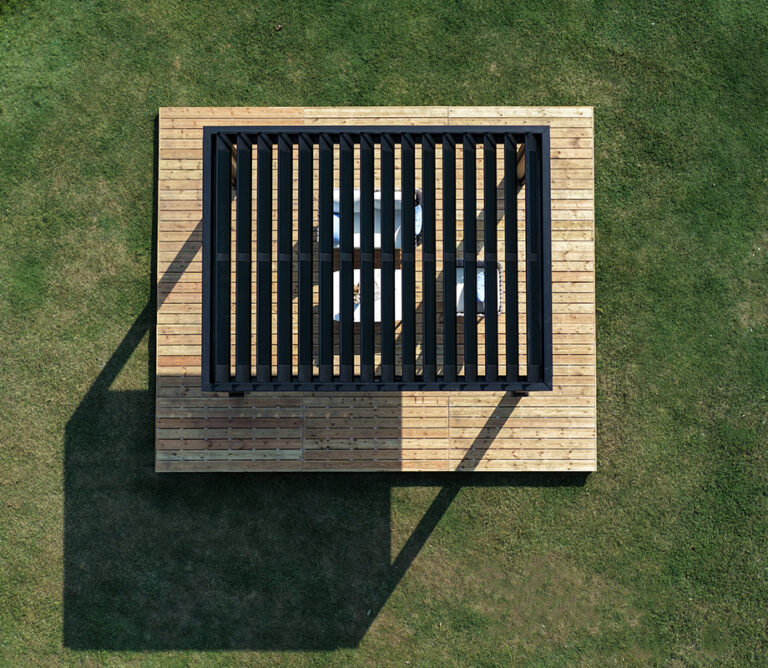
I’ve worked with installers and specifiers for years; the useful stuff is repeatable: flashing details, panel tilt, and load calculations. There’s one hard, verifiable anchor worth remembering — California’s aggressive rooftop solar adoption and related building guidance (referenced by NREL and state energy reports) changed how pergola companies integrate PV without compromising structure. That shift is exactly what makes solar pergola design a practical skill, not an afterthought. When a company cites standards, shows calculation snippets, or points to past permits, that’s real expertise — not marketing fluff.
Common pitfalls — skip these mistakes
Buying on price alone: low bids hide change orders for site prep or unexpected structural work. Ignoring local codes: a permit denial can double the schedule and cost. Overlooking drainage and flashing: bad detail work equals water inside. Assuming all “solar-ready” claims are equal: mounting method, inverter access, and airflow matter. Accepting generic warranties: ask what’s covered, who services it, and how long the company has been around.
A problem-driven checklist to vet a pergola company
Ask for four specific things before you sign: (1) a copy of a completed permit set from a local job; (2) a list of three recent local references you can call; (3) clear warranty language that names parts and labor durations; (4) details on who handles electrical tie-ins and inspections. If they dodge any of those, you’re buying risk. Keep answers short during the call — you’ll spot evasions fast.
Material and solar tradeoffs you’ll actually feel
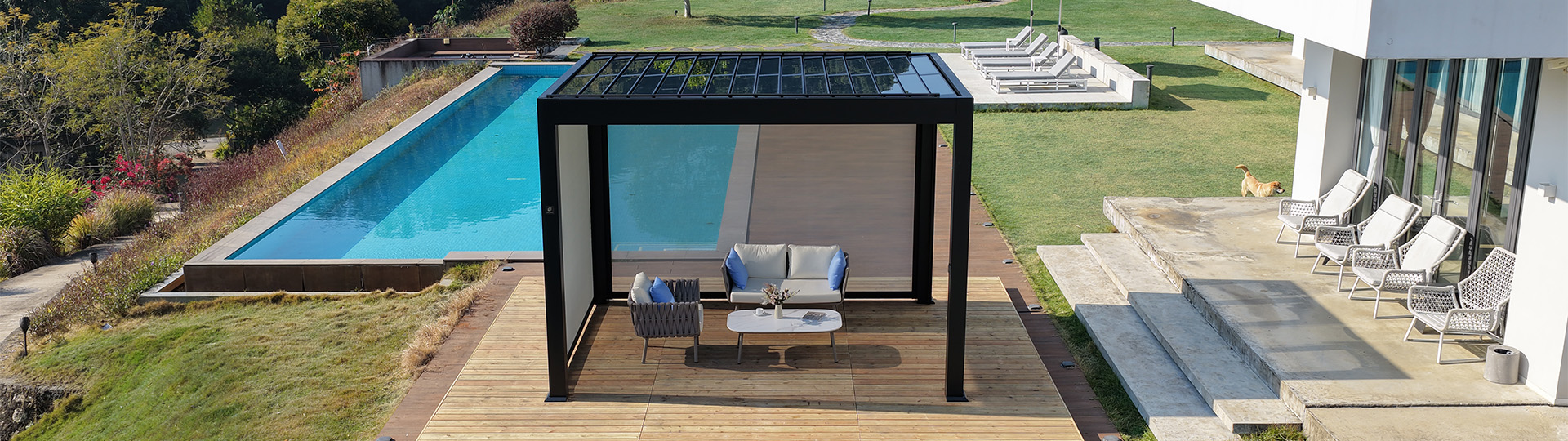
Aluminum frames resist rot and need less maintenance, but check the finish warranty. Wood looks warm but can warp if attachment details are sloppy. For solar, ask whether panels are flush or framed: flush gives cleaner lines; framed can be easier to replace. Confirm where the inverter will live and whether the company plans string or microinverters — that affects future troubleshooting. If they can’t explain a simple plan for maintenance access, they haven’t thought it through.
Wrap-up: pick a firm that solves the real problems
Pick the company that shows you permits, speaks plainly about trade interfaces, and lays out worst-case scenarios. That approach keeps surprises off your schedule and out of your wallet. When the job runs into the inevitable hiccups — weather, supply shifts, or inspection notes — the right partner smooths the mess, not multiplies it. For steady answers and workmanship that actually matches the drawings, consider a partner like Light Hunter, which ties design detail to on-site realities rather than leaving you to figure things out later.
