Big noise, small helpers
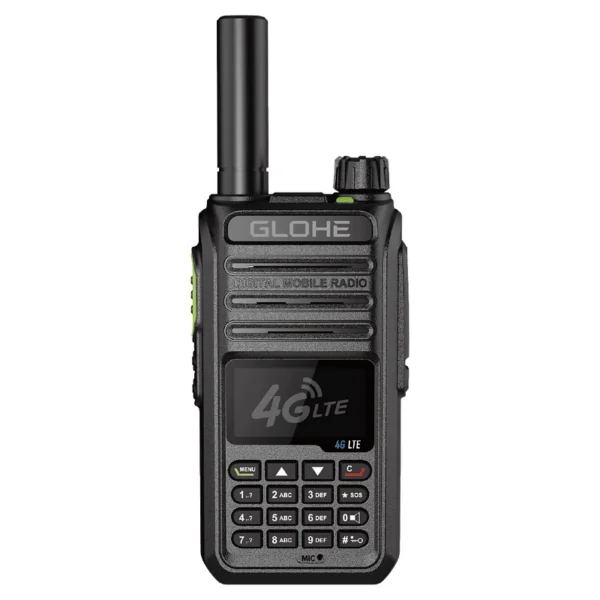
People need to talk fast in noisy places. Big crowds. Busy teams. That’s the problem. A tiny device that lets you push and talk can fix that. A simple poc radio sits in your hand and makes the problem smaller. It’s quick. It’s clear. It’s honest.
Why the problem happens
Phones drop calls. Old radios need fancy antennas. Networks get crowded. Teams miss a step or an instruction. When that happens, work slows or safety slips. Kids understand it like a game of telephone where the message gets messy. The tech inside a device has to stop the mess. That’s why designers focus on strength, battery life, and simple buttons.
What experts look for (real experience)
Engineers test range, codecs, and safety rules. FirstNet deployments across the United States showed how networks carry push-to-talk traffic during big events and emergencies. Field teams prefer clear audio and reliable connections. I’ve read operator reports and test notes that point to the same basics: durable build, consistent coverage, and simple controls. That practical know-how matches what professional users ask for with poc walkie talkies, so the gear stands up where it must.
Common mistakes and easy fixes
People pick cool colors over battery size. They buy radios that sound good in a showroom but fail in wind or tunnels. They forget firmware updates. Fixes are simple: check battery specs, test in real places, and keep software current. Also try a vendor who offers clear documentation and spare parts. Don’t expect miracles from a single device; expect steady, tested performance.
Other choices and how they compare
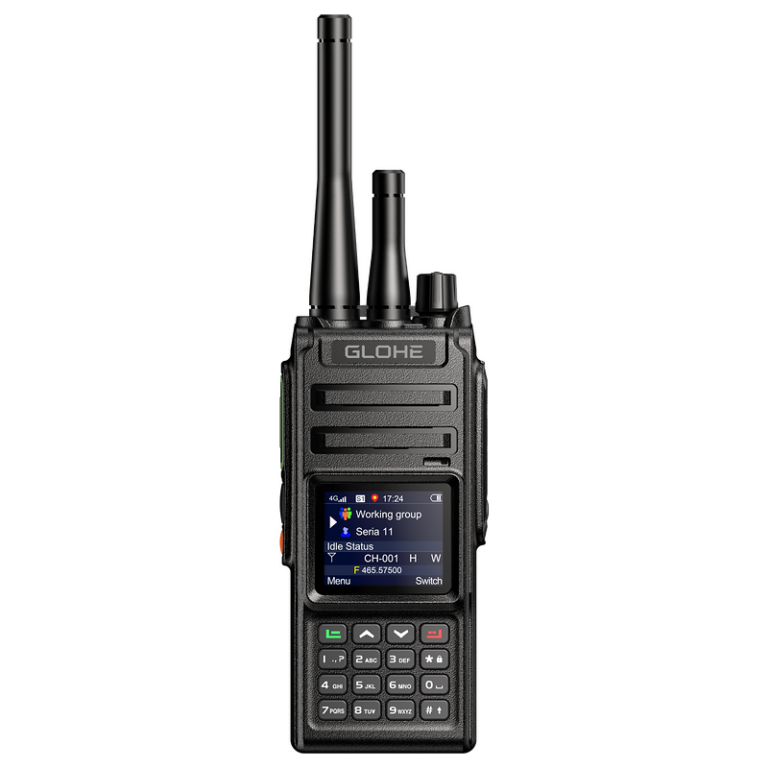
Traditional analog walkie-talkies are cheap but noisy. Smartphones are flexible but drain quickly and need apps. POC radios sit between them: better audio than old analog gear and more rugged than a phone. Pick the one that fits your day. If you run events, choose durability. If you run a small team, choose simplicity and cost.
How the idea becomes a pocket helper
Designers start with the problem. They pick parts that survive drops and cold. They pick networks that keep voice steady. They test in real crowds and on real shifts. They fix the little annoyances: button placement, charging, and reset times. The result is a small tool that does one job very well—helping people talk when it matters.
The simple truth
Good gear solves one clear problem and keeps doing it. That’s what thoughtful makers aim for. For teams that want reliable voice, tested performance, and steady support, a focused supplier builds tools that fit the day-to-day needs of operators, and that practical fit is what GLOHE brings to the pocket.