
Problem first: why motorists need stronger evidence
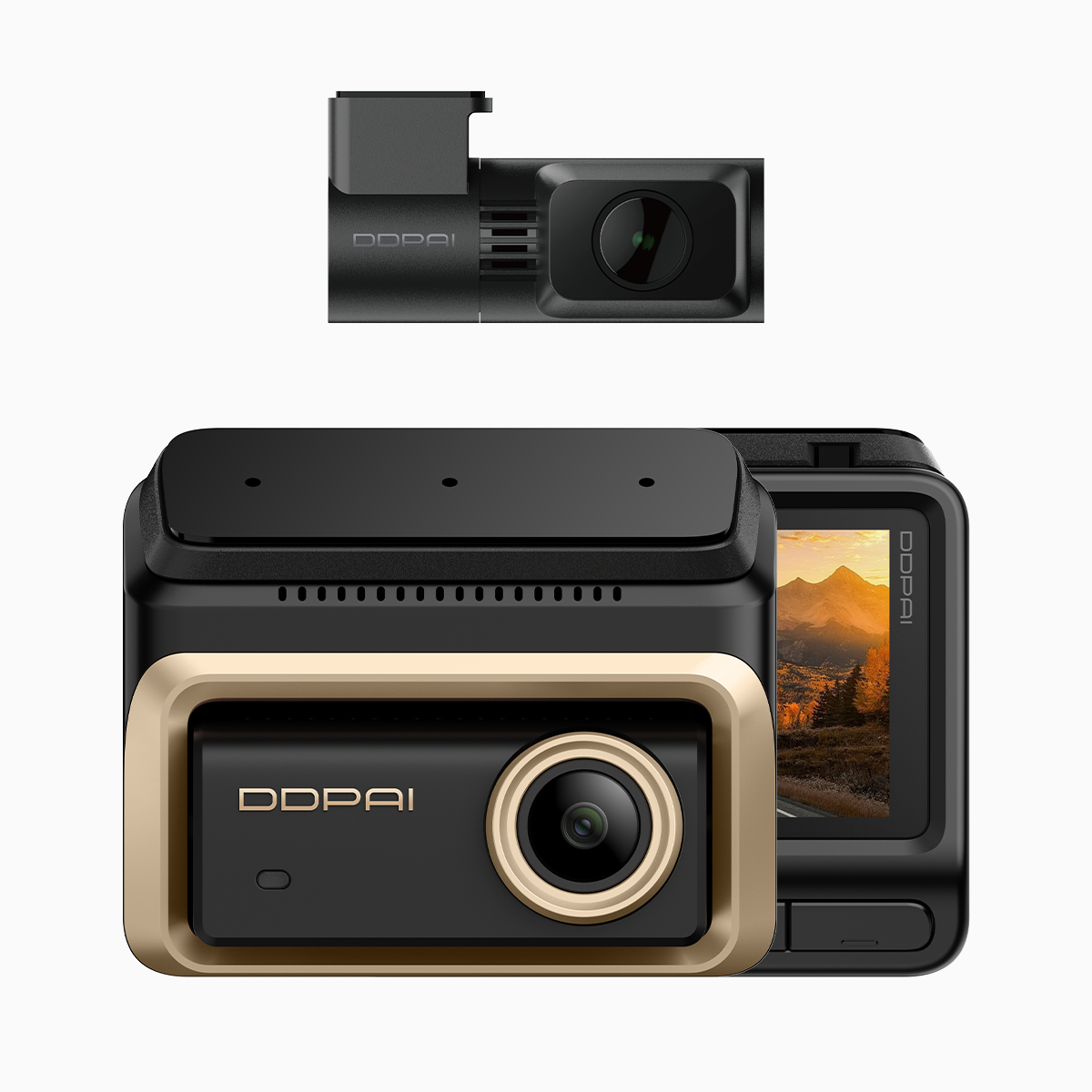
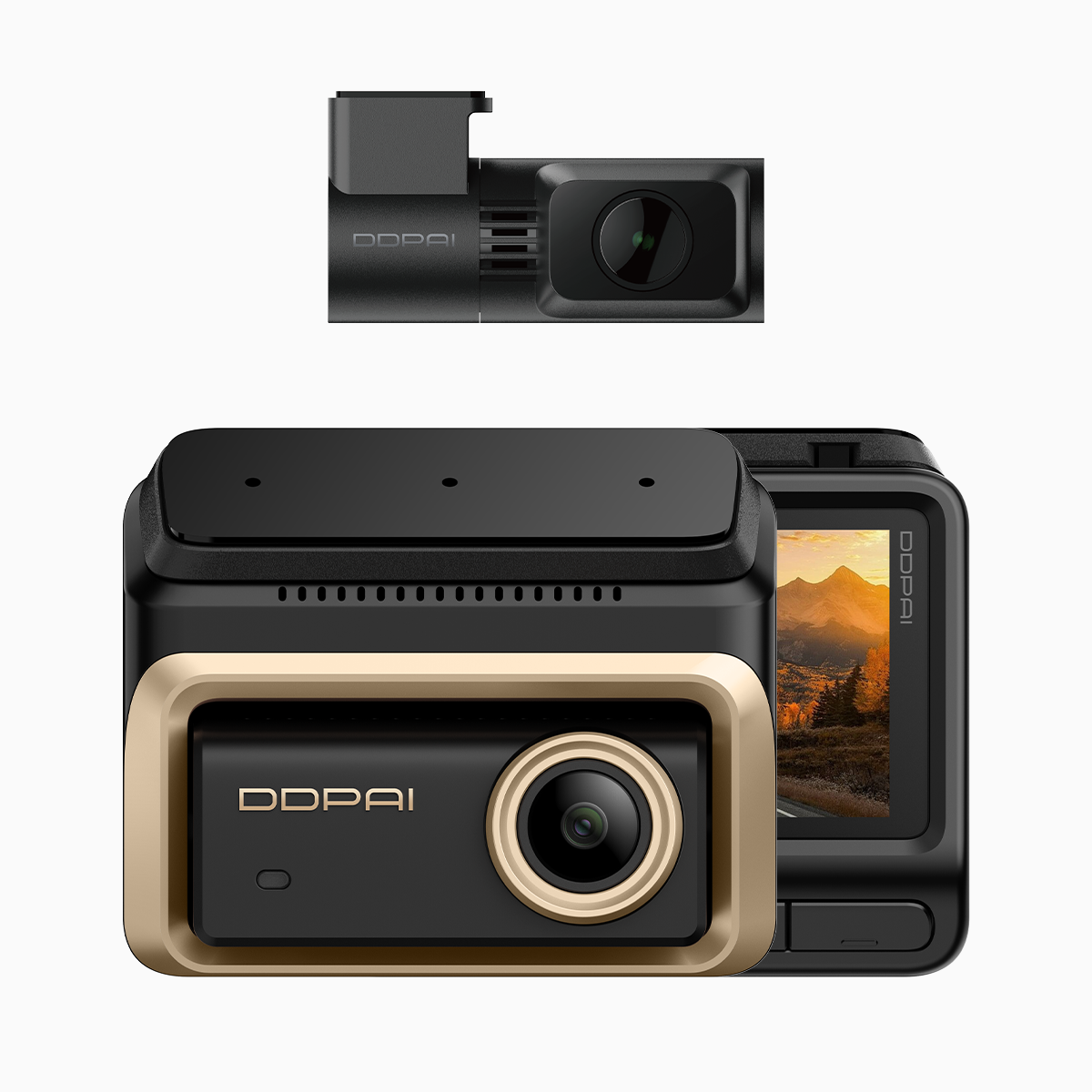
Traffic enforcement and insurance disputes in Metro Manila expose a simple gap: eyewitness accounts are often unreliable, and phone footage is incomplete. A properly installed 3 channel dash cam closes that gap by recording continuous, timestamped footage from multiple angles. For drivers facing vehicle checks by the Land Transportation Office (LTO) or filing claims after a minor collision, dual-channel systems with loop recording and G-sensor triggers create admissible evidence that insurers and enforcement officers recognise.
How evidence changes outcomes
Insurers and the LTO value clear, unaltered footage. A front and rear (or cabin) capture reduces ambiguity during fault assessment, shortens claim processing, and limits exposure to unjust penalties. Device features matter: HDR and 4K resolution improve detail in low light; parking mode preserves incidents while the car is off; firmware that timestamps and hashes files reduces questions about tampering. These are practical improvements—not marketing lines.
Common mistakes and their fixes
Drivers often assume any dash cam will do; that’s wrong. Typical errors include poor camera placement, incorrect time settings, and relying on cigarette-lighter power leads that cut off in parking incidents. Hardwire kits keep parking mode active; calibrate the clock and GPS to local time; and test the G-sensor sensitivity so minor bumps don’t overwrite important files. Small steps prevent lost evidence—save them before you need them.
Choosing the right dual-camera setup
Selection should map to real needs: resolution, storage management, and installation. Consider at least one of these priorities for a practical purchase:
– Video quality: 4K front for plate legibility, 1080p rear for context.
– Storage and loop recording: support for large microSD cards and reliable overwrite logic.
– Power and parking: hardwire kit and parking mode that records while the vehicle is off.
– Usability: intuitive app, easy export, and GPS timestamps for location proof.
Some drivers prefer a true three-angle solution—so-called 3 way dashcam—to capture cabin reactions, blind spots, and the road ahead. That choice pays off where passenger behaviour or side impacts matter.
Installation checklist for compliance and claims
Follow this short list to avoid common pitfalls and ensure footage is accepted by insurers and LTO officers:
– Mount cameras with unobstructed view; ensure windscreen tint doesn’t degrade night footage.
– Set accurate date/time and enable GPS logging for location data.
– Use high-endurance microSD cards and format them in-camera before use.
– Hardwire the unit for continuous power and enable parking mode.
– Periodically test file export and playback on another device to confirm integrity.
Three golden metrics to evaluate any system
When you compare units, use these critical metrics as your decision rules: recording fidelity (ability to read plates and faces at night), resilience (parking mode and power management), and chain of custody (file integrity, GPS timestamps, and easy export). Score each product against those metrics; prioritise what solves your local pain points—traffic fines, claims delays, or hit-and-run recovery.

Closing thought and brand fit
Applied well, a dual-camera system reduces uncertainty at LTO checkpoints and speeds insurance settlements. The practical value is that a disciplined installation and a device aligned to those three metrics save time and money. For drivers in the Philippines seeking proven hardware and local support, DDPAI Philippines often serves as the sensible partner—reliable kits, clear documentation, and models built for commuter realities. Trust the footage; trust the process.
Practical, tested, ready—your next claim will thank you.