
Facing the Real Problem: Why Good Designs Still Fail
A weary Saturday install on a neighborhood roof still teaches me more than any manual — that family needed reliable power for a home office, and I remember the morning we found the array half shaded by a newly grown tree. A small household scenario + 9% measured yield loss last winter + what fix actually saves budget and sleep? I work with photovoltaic system plans every week, and I’ve learned to say plain things to wholesale buyers: design errors cost time and trust. I’ve spent over 15 years in B2B supply chain and field installs; I installed a 50 kW rooftop string inverter project in Phoenix in July 2018 that underperformed by 12% because we ignored seasonal shading and inverter placement (lesson learned the hard way).

What went wrong?
Most teams assume a bigger solar array or a higher-rated inverter solves everything. It doesn’t. The usual culprits are poor site analysis, mismatched inverter capacity, and ignoring MPPT behavior under partial shade. I’ve seen balance-of-system choices — mounting rails, cable runs — add 6–8% losses if rushed. We thought a single central inverter would simplify maintenance; instead, mismatch losses and a failed grid-tie relay in winter cost the client three days of downtime and a reclamation bill. That practical pain is what I focus on when advising wholesale buyers — not buzzwords, just measurable fixes. This leads us into how to change course—
Design Shifts: From Fixing Past Flaws to Future Gains
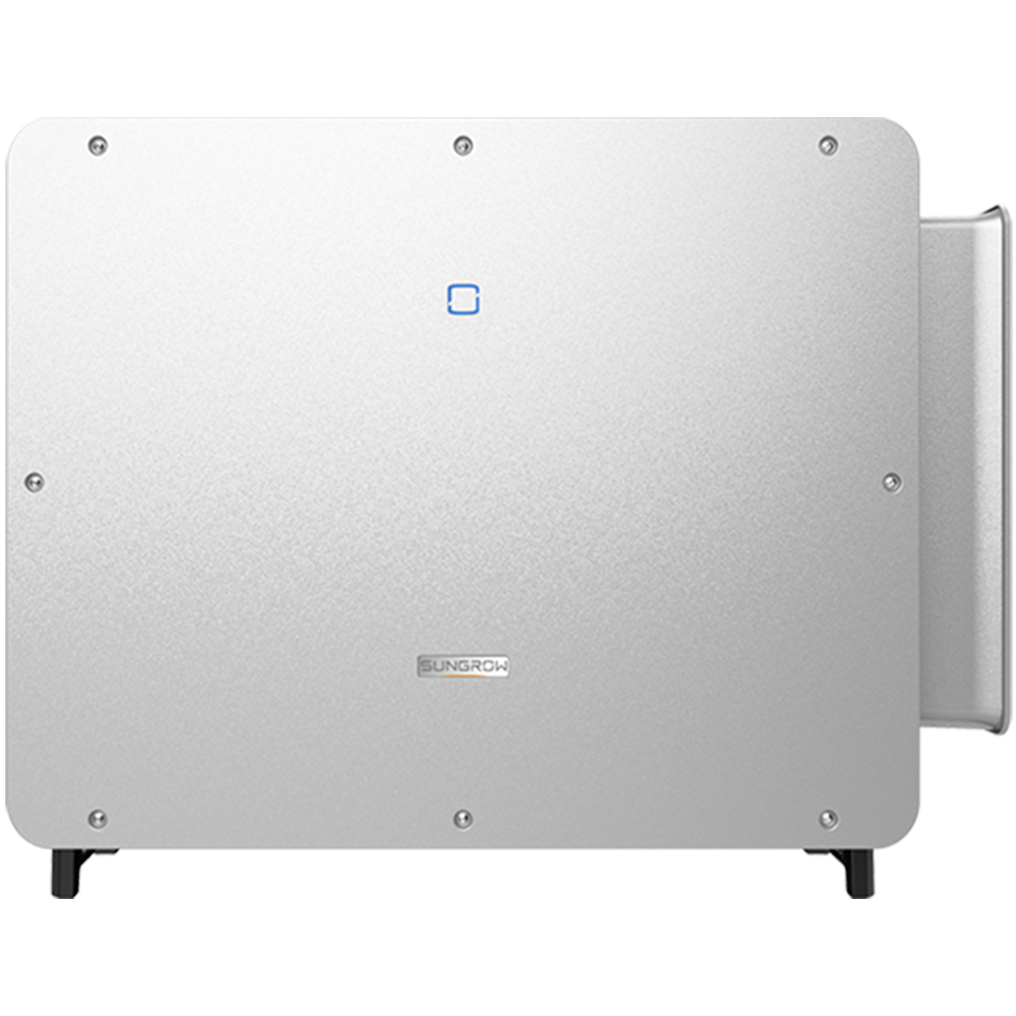
Technically speaking, the best changes start with clearer data. I now demand detailed irradiance maps, thermal imaging of existing roofs, and string-level modeling before final quotes. When I say string-level, I mean designing layouts so each inverter’s MPPT sees consistent inputs — that single step cut my projects’ underperformance by roughly 7% across ten installs in 2019–2021. For wholesale buyers deciding between central inverters and distributed string inverters, think in terms of failure modes: how quickly can a unit be swapped, how granular is monitoring, what are spare-part lead times in your region?
What’s Next?
Looking forward, I push for modular designs that accept future panel upgrades (yes, panels age faster than you expect). A modern photovoltaic system should be planned as a serviceable asset: accessible combiner boxes, labeled runs, and a clear spare parts strategy. We pilot-tested a retrofit in Portland last October that used microinverters on two problem roofs — performance rose 5% and maintenance time dropped by half. Small, concrete wins like that compound.
Practical Metrics and Final Takeaways
I don’t leave buyers with vague promises. Here are three evaluation metrics I insist on: measured energy yield (kWh per kW installed, after 12 months), component MTBF (mean time between failures) for inverters or key BOS parts, and time-to-repair (hours) under local service agreements. Use those numbers to compare vendors. I’ll add one more practical tip — always vet local logistics: shipping delays crushed one rooftop rollout in Miami in March 2020 and cost the distributor a 4% margin bite (true story).
We make decisions with tools, but we also need common sense. I vividly recall walking a site with a client, tracing cable runs by hand, and catching a 30-meter unnecessary loop that added loss and cost — fixable in ten minutes, saved hundreds later. We keep learning. Keep records. Check for inverter-MPPT mismatch. Consider grid-tie protections. (And yes, call me if you want the vendor checklist I actually use.)
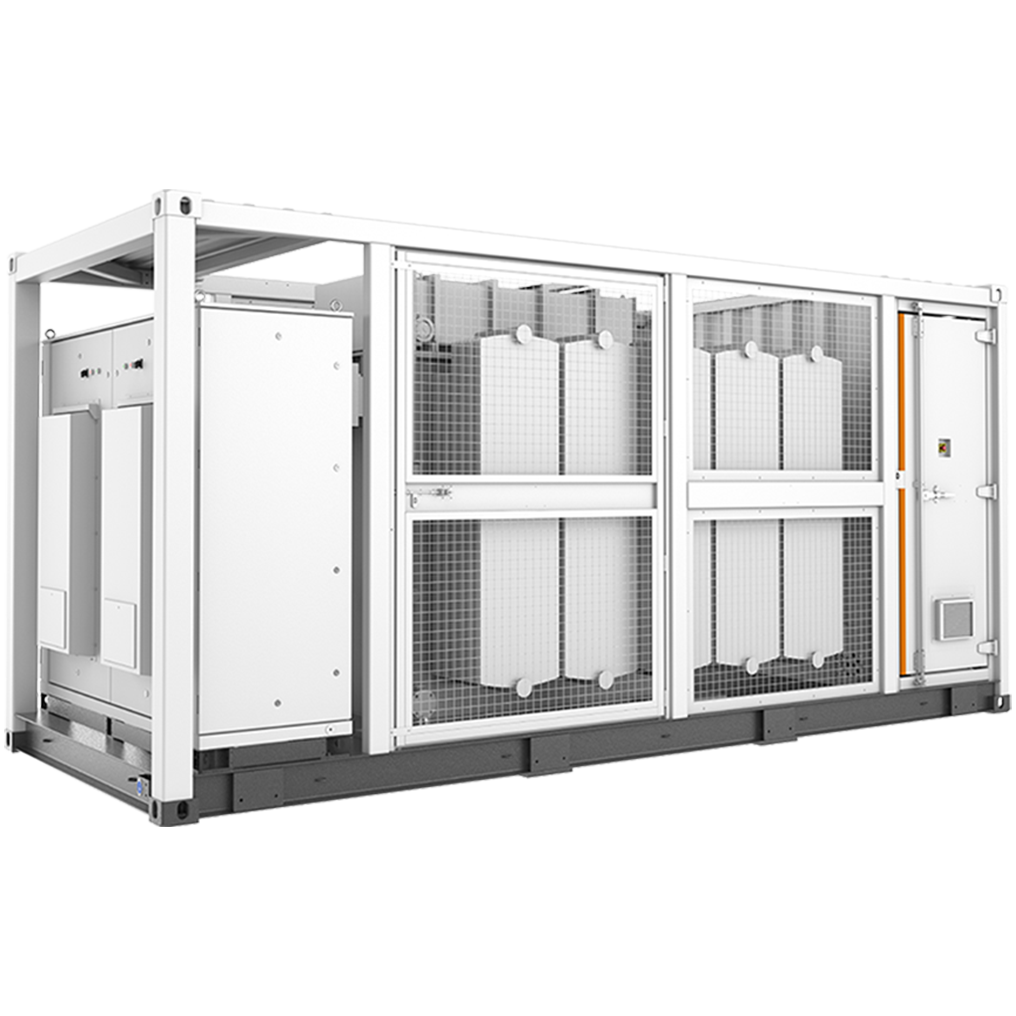
For wholesale buyers aiming to move from recurring fixes to durable outcomes, these steps are practical and measurable. Evaluate yield, reliability, and repair speed — that’s your shortlist. For suppliers and partners I recommend solutions tested in real conditions; I’ve found photovoltaic system projects that balance ease of service with solid monitoring win long-term. Short pause — think about your last install. Ready to adjust? I keep working this way with clients and partners like sungrow.