
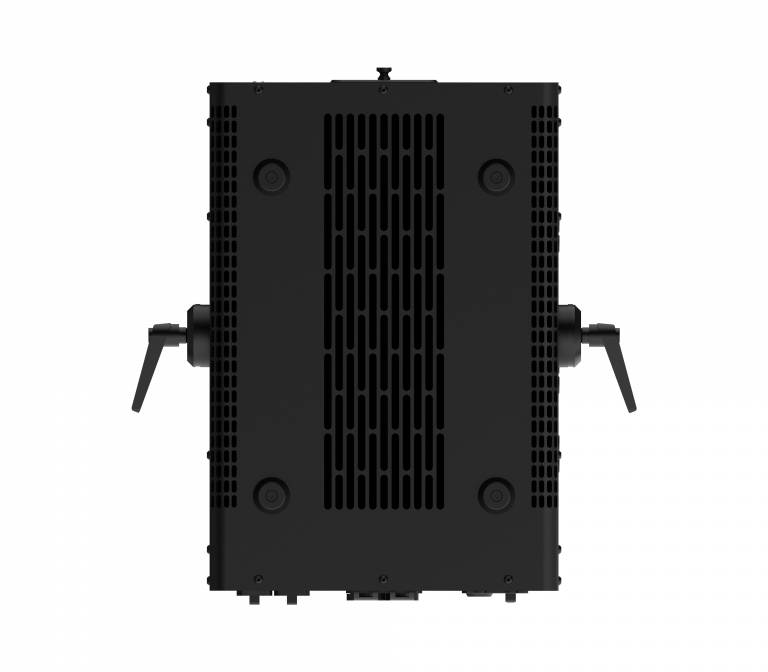
Opening Scene, Real Data, One Big Question
Let’s start simple: people decide if a show looks “pro” in the first minute. Stage Laser Lights punch through haze, LED walls, and ambient glow faster than most fixtures can warm up—funny how that works, right? Picture a tour stop in a mid-size arena: doors open, the room fills, the rig goes live. The front-of-house notes sub-10 ms DMX response, beam divergence under 1.5 mrad, and stable color even as temperatures shift. That’s hard proof, not hype. Now ask yourself: if quick clarity matters this much, how do you choose gear that still feels fresh two seasons from now (and doesn’t bust your load-in)? The crowd’s expectations are rising. The tech is evolving just as fast. The question is whether your next upgrade sets you up for tomorrow—without overcomplicating today. Let’s get into what really breaks and what actually scales.
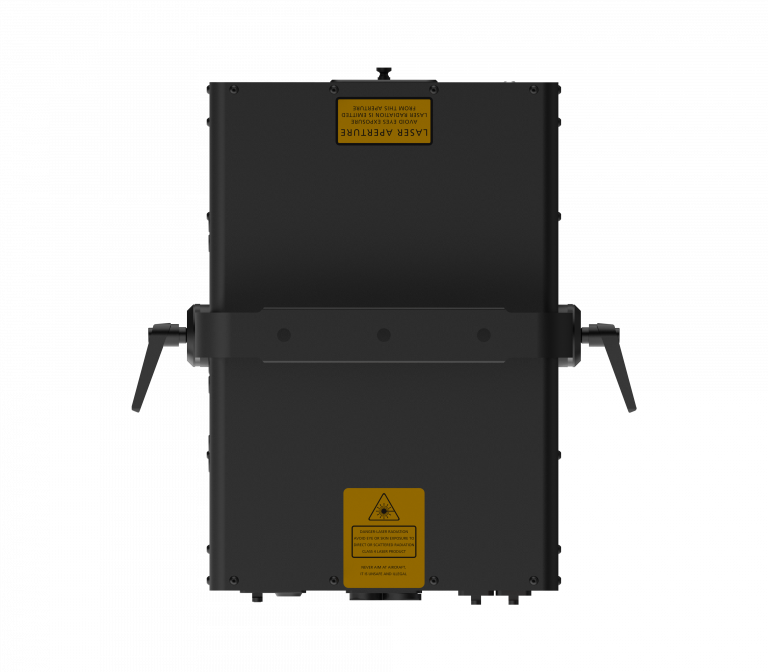
Under the Hood: Why Classic Rigs Fall Short
Why do classic rigs stumble?
Here’s the deeper layer most buyers skip: moving head spots and aging DMX chains hit limits that a modern theater laser projector sidesteps by design. Older optics drift; beam edges bloom. Scanning galvanometers wear, and mechanical pans feel laggy. Power converters add noise, and cable runs inject jitter across long DMX universes. These are not “if” problems—they’re “when” problems under touring stress. Traditional fixtures also struggle with wavelength stability as rooms heat up, so your crisp white turns a little pink by encore. Add in cumulative alignment drift and you get more truck space, more crew time, and still less punch. Look, it’s simpler than you think: the failure mode is variance. Variance in optics, variance in latency, variance in color.
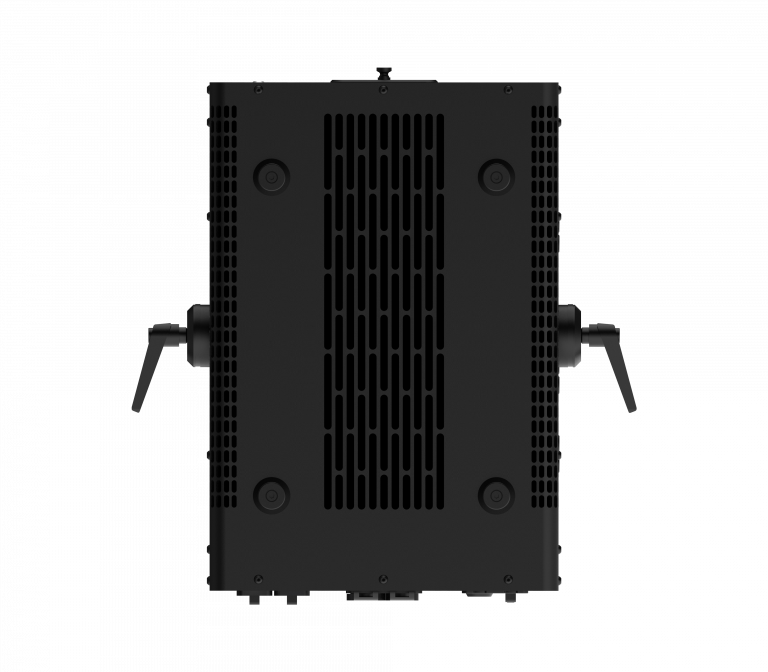
By contrast, a theater laser projector locks clarity with tight optical paths and fewer mechanical compromises. Short-throw designs keep beam divergence low, even at awkward FOH positions. Safety interlocks and fast blanking reduce setup risk without killing speed. With proper thermal management, color remains stable, and PWM dimming stays consistent across cues. The net effect is visible: sharper aerials, crisper mapping on scrims, and cleaner silhouettes through heavy haze. And—this matters—a smaller footprint means faster load-ins and lighter truss. The comparative insight is not that lasers are “brighter.” It’s that their system stack de-risks the very variables that make classic rigs unpredictable.
Beyond the Beam: What’s Next for Hybrid Venues
What’s Next
Looking forward, the winning setups blend new technology principles with practical routing. Edge computing nodes near the stage crunch time-critical cues, while the console sends lean instructions—so latency stays flat even when content gets dense. IP65 housings push lasers outdoors with less worry, and fiber-coupled runs tame long distances without signal drama. When you pair a laser-centric rig with resilient outdoor stage lights, you get a hybrid plot that can flip from theater intimacy to festival punch. You also get safer margins: Class 4 handling with smarter interlocks, better zoning, and more predictable audience scanning policies. Different venues, same control story. Same look, fewer surprises—California easy.
Here’s the practical wrap from our compare-and-forward view. We saw how variance kills consistency in older stacks. We saw how lasers cut variance at the source. Now, make it actionable with three metrics. One: measure end-to-end control latency, not just fixture specs—target under 15 ms on complex cues. Two: track beam quality over time—log beam divergence, color shift, and output drift across heat cycles. Three: audit service load—minutes to re-align optics, swap modules, and update firmware. If a package wins on those, it will win your season, too. Advisory note—build with room to grow: spare capacity on power rails, a few open universes, and a clean optical path plan. That’s how you future-proof without overbuying. For references, spec sheets, and real-world case notes, see Showven Laser.