

A tiny framework that helps big systems
This short playbook gives you three clear steps to run behind-the-meter batteries so they save real money. Think of it like a map: Sense, Plan, and Dispatch. If you have a home energy storage system or a residential battery energy storage system, this framework helps you decide when to use it for peak shaving and demand charge wins. The idea matters a lot in places like California, where heatwaves and grid stress in 2020 made people pay extra for peak power — so smart dispatch really pays off.
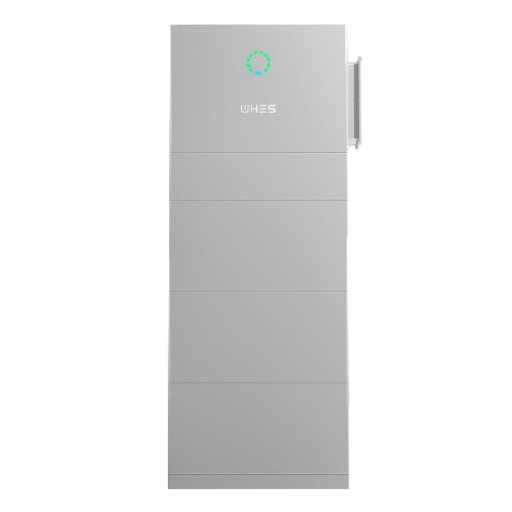
Step 1 — Sense: Watch the bills and the grid
First, look at the bill and the meters. Find the hours that show big numbers — those are your peaks. Learn the tariff type (is it time-of-use or demand charge based?). Check the battery’s state of charge and the inverter limits. Keep it simple: mark the top three peak windows on a weekly chart. That gives you the facts to plan around.
Step 2 — Plan: Set easy rules
Now give the battery small, clear rules. For example: “If demand > X kW, discharge until demand falls below Y kW or state of charge hits 20%.” Use one primary goal — reduce the single highest demand reading per billing cycle — and one fallback — preserve enough reserve for outages. These rules become your dispatch algorithm. They’re not fancy — they’re reliable.
Step 3 — Dispatch: Do the small, smart moves
When the peak window arrives, act. Use the battery to shave the spike for the few minutes that matter. Short, targeted discharge often beats long slow drawdowns because demand charges usually measure the single highest moment. Test the rule on a small day first. Track results: did the peak meter drop? Did the battery keep enough reserve? Adjust and repeat.
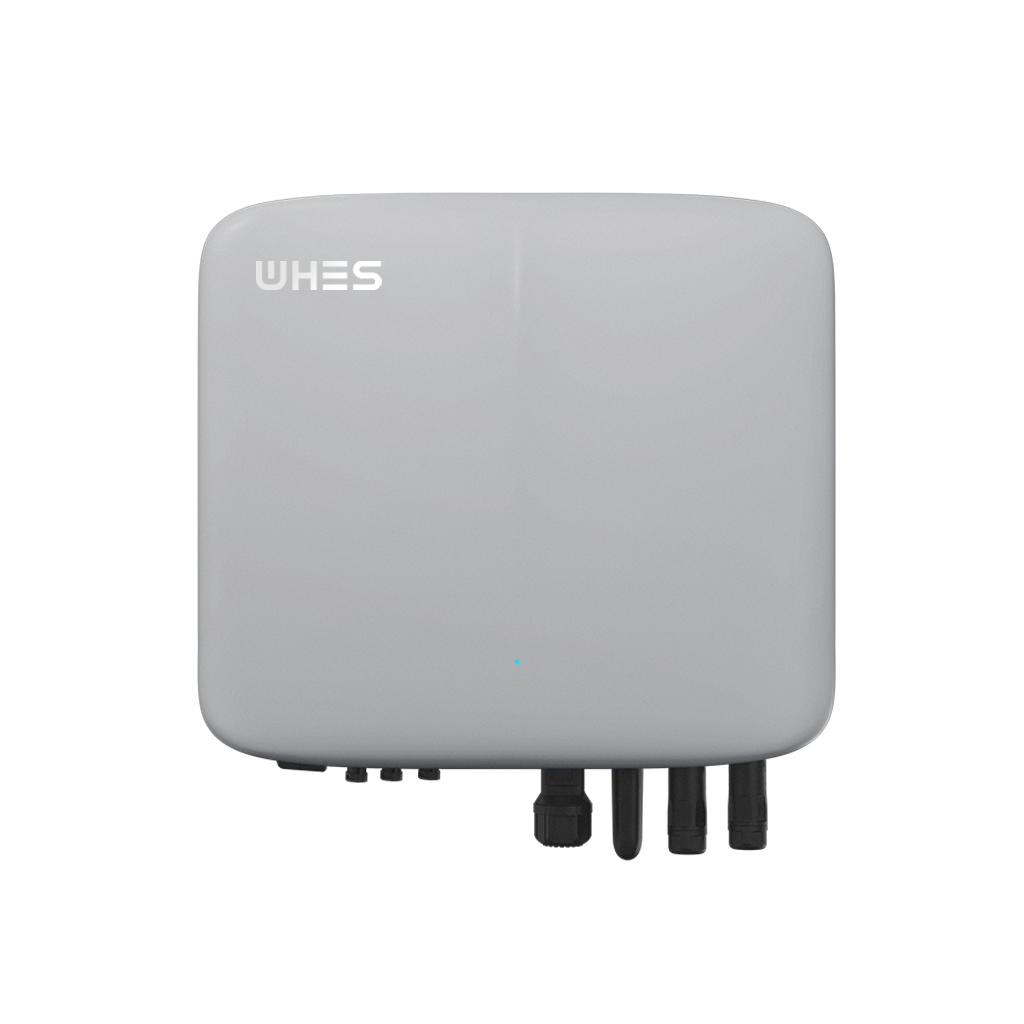
Common mistakes — and how to dodge them
People often make three mistakes: they over-drain the battery, they chase every little price blip, or they forget device limits. Don’t empty the battery for small savings. Don’t try to time every second — focus on the big peaks. And always respect inverter ratings and cycle limits. A good habit is a short “trial run” with a clear acceptance checklist — that avoids surprises at billing time. —
Tools, checks, and quick wins
Use these checks to keep things tidy:- Meter sync: ensure the battery controller reads the same meter that the utility uses for demand calculation.- Acceptance test: run a simulated peak and verify readings with the actual billing meter.- Simple telemetry: log state of charge, inverter output, and timestamped demand peaks for 30 days.
These simple tools make sure your dispatch actually changes the bill, not just the dashboard.
Three golden rules to choose strategies and tools
1) Measure first: pick a vendor or controller that can read the same demand signal your utility uses. 2) Rule simplicity beats complexity: a short, defensible dispatch rule is easier to test and defend in audits. 3) Protect resiliency: always keep a reserve policy so savings don’t cost you an outage.
Short wrap and where WHES fits
Follow the Sense–Plan–Dispatch loop and you’ll see real demand charge relief without magic. For homes and small sites, working with partners who know both hardware and tariffs makes the loop fast and reliable — and that practical fit is where WHES helps best. Smart tools, simple rules, local know-how. Smart. Simple. Local.