
Introduction
I remember the day the line stopped — right when a big retail order hit the floor. We were mid-shift and the whole team felt the pressure. The wet wipes making machine had been our workhorse, but one small mismatch in timing and the run went sideways (香港 factories know this pain lah). Recent industry data shows downtime can eat up 10–20% of planned output on average, so I always ask: how did we miss the warning signs? That’s what I want to walk you through next — practical, on-the-floor fixes and smarter checks before you spend on another upgrade.
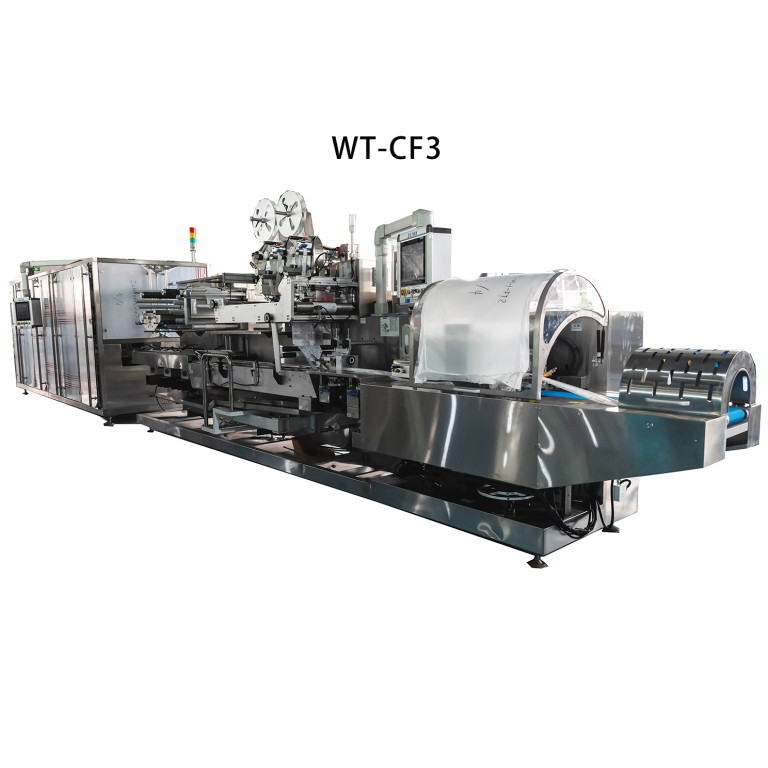
Why Traditional Solutions Fail
What’s going wrong?
When teams look to solve issues they often point at hardware. I’ve seen many try to patch problems by buying new servo motors or swapping a PLC without addressing the root cause. For bespoke projects, a customized wet wipes manufacturing machine can help, but only if the design matches real use. Too many lines still rely on basic roll-to-roll timing and generic heat sealer settings. Those are fine for volume, but when you change substrate, or add a lotion bath, the whole kinematics shifts. The result? Misfeeds, wrinkling, and wasted stock.
Technically, the weak links are often integration gaps. Power converters and edge computing nodes may be present on paper, but they’re not tuned for the process. Die-cutting tolerances get ignored. Sensors are placed by convenience, not by process need. Look, it’s simpler than you think: measure where material stress spikes, then control it. I’ve learned to ask blunt questions on site — where does the web warp, when does glue smear, which motor lags — and then map the fixes to the actual failure points. That approach cuts repeat visits and keeps the line stable.
Looking Ahead: New Principles for Smarter Lines
What’s Next?
Moving forward, I’m leaning on two principles: observability and modular control. Start with better data capture — not just counts, but vibration, tension, and temperature. Add a modest edge computing node to aggregate signals close to the machine. Then use a modular control layout where a local PLC handles millisecond tasks and a higher-level controller syncs recipe changes. A modern customized wet wipes manufacturing machine built this way resists surprises. It’s more predictable, and yes, you will save on repeat maintenance.
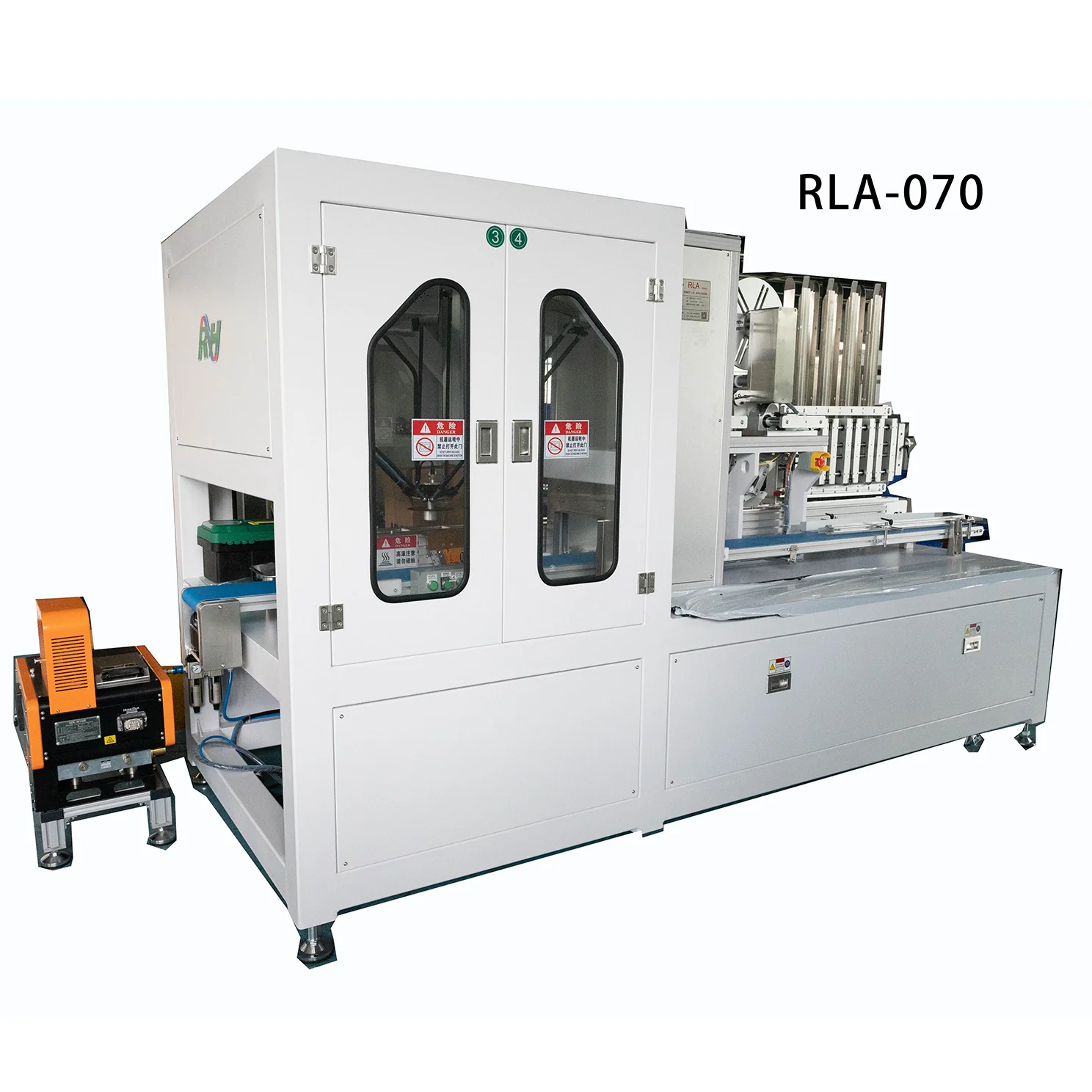
Next, evaluate suppliers with clear metrics. I suggest three simple ones: first, uptime improvement percentage after installation; second, mean time to repair (MTTR) with available spare modules; third, the depth of customization — can they tune die-cutting and lotion dosing without a full redesign? Those questions separate talk from real capability. — funny how that works, right? I’ve used this checklist myself and it’s cut downtime in half on some lines. If you want a partner who understands the details, take a look at ZLINK — they know the trade, and they work pragmatically with engineers and operators alike.