
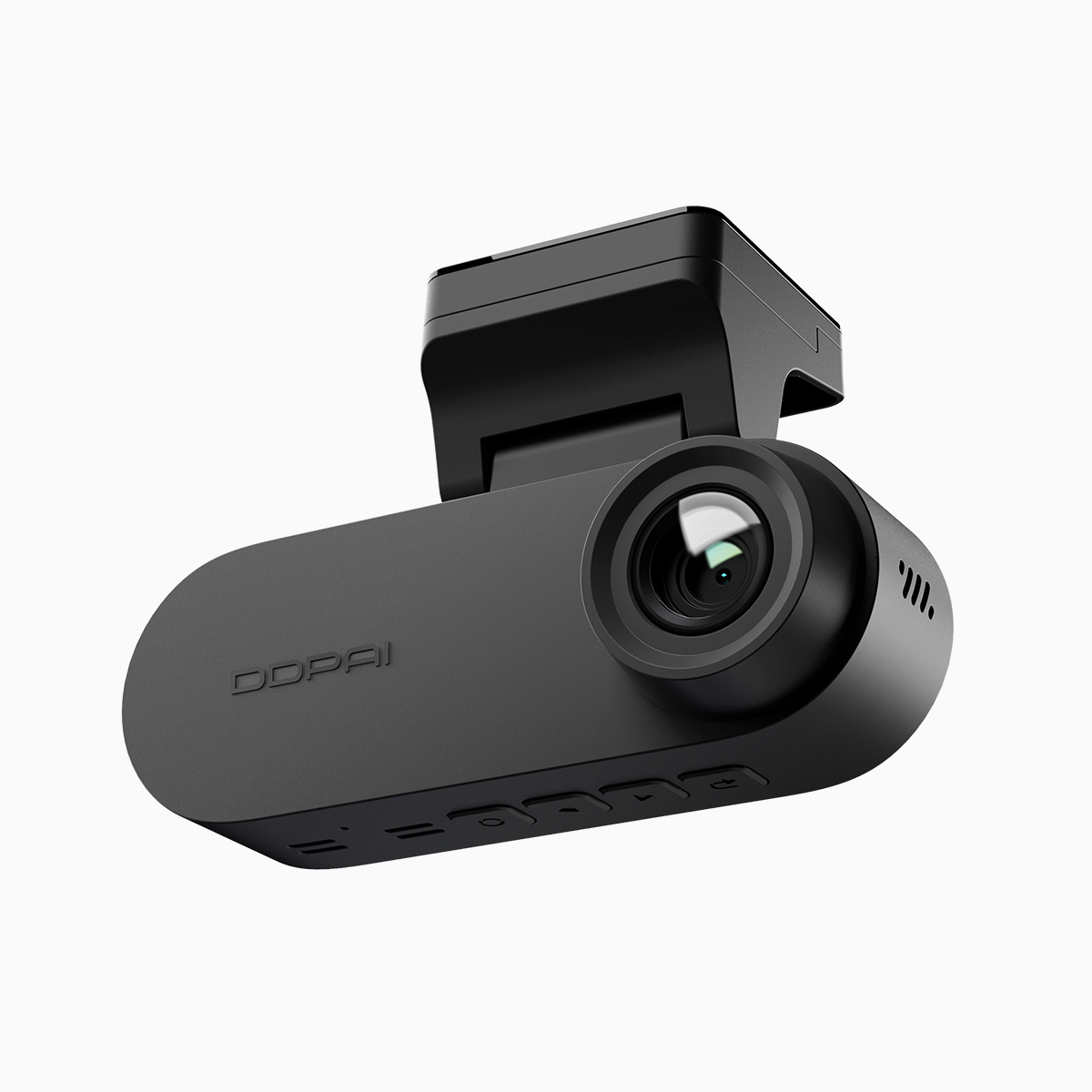
User needs first: why parking-mode reliability matters
Most drivers in Metro Manila and other busy Philippine cities return to small dents, cracked mirrors, or missing side mirrors more often than they should. That makes dependable parking-mode recording less of a nice-to-have and more of a necessity. A well-engineered front and rear dash cam can capture low-speed collisions and hit-and-runs while you’re away, but persistent SD card corruption and exhausted write cycles undermine that promise unless you choose hardware and settings carefully.
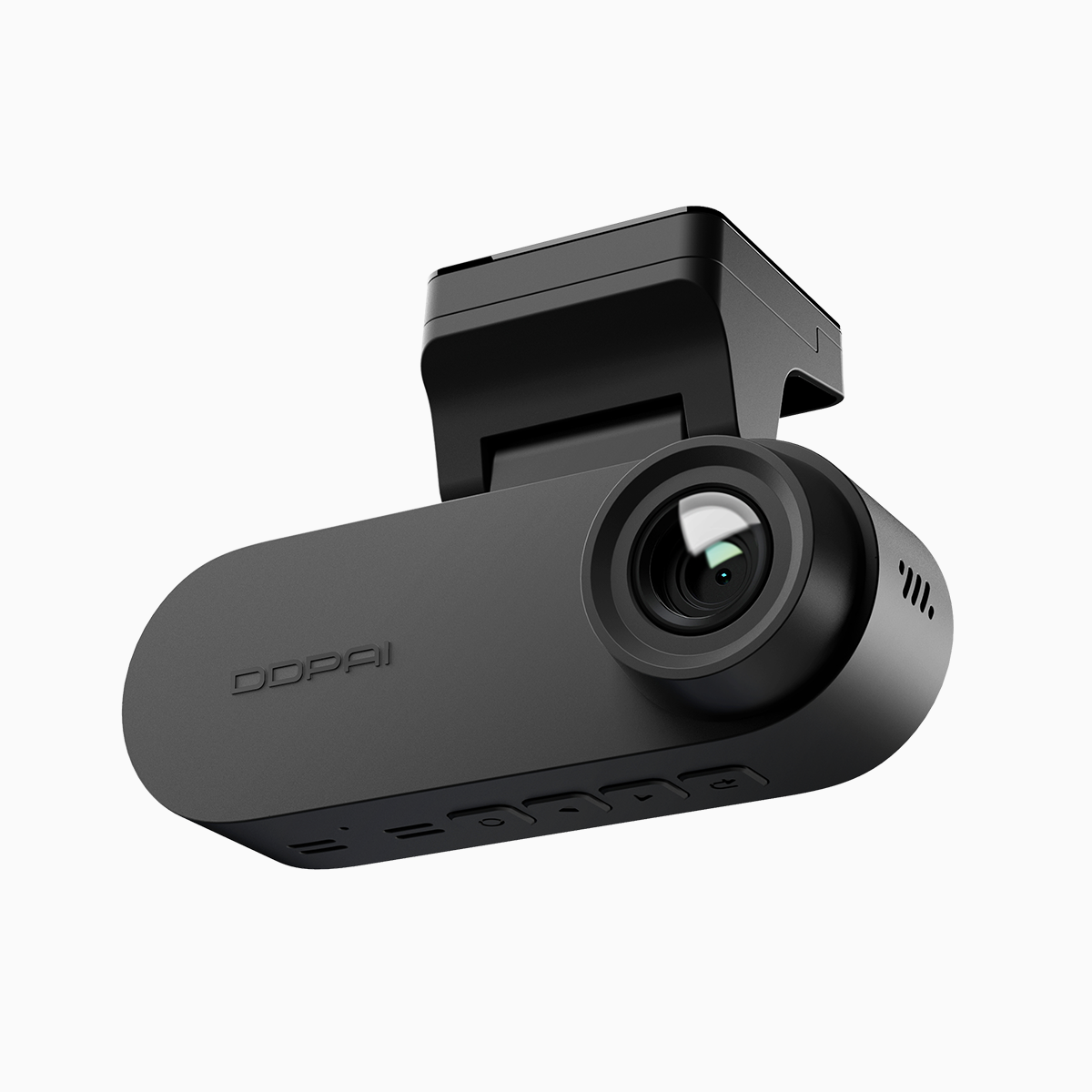
Common failure points and what they mean for you
Three practical problems cause most lost footage: SD card file-system corruption, excessive write cycles from constant buffering, and power instability during parking sessions. Loop recording that overwrites files every few minutes helps continuous capture, but it also pushes SD cards into heavy write patterns. Firmware that lacks robust error handling or parking-mode buffering will let a single corrupt file break the chain of events, leaving gaps when you need evidence the most. Understanding these failure modes lets you prioritize features, not just bright marketing.
What to look for in hardware and storage
Choose dash cams that explicitly support protected parking-mode segments and have documented SD card endurance strategies. Look for features such as wear leveling, pre-allocated file blocks, and a dedicated parking-mode cache to reduce constant writes. Opt for high-endurance microSD cards rated for surveillance or dash-cam use — they handle sustained loop recording and come with better write-cycle longevity. Also prefer devices with clearly stated firmware update paths; stable updates fix edge-case corruption sooner than leaving you guessing.
Real-world anchor: lessons from Philippine street life
On EDSA and mall parking lots across Metro Manila, many incidents start as slow bumps and end with evasive exits. Drivers who rely on low-cost cameras without parking-mode reliability often find footage unreadable when they take the card to a computer. That pattern is widely observed among urban drivers here — a small but consistent reality that makes robust parking-mode performance worth paying for. Practical measures in-device and in the SD card reduce the odds your evidence will be unusable.
Settings and habits that extend SD card life
Adjust recording resolution and frame rate to the minimum that still captures license plates clearly — higher bitrate equals faster wear. Enable event-triggered recording so the camera writes longer segments only when motion or impact is detected; keep continuous loop recording for primary driving but let parking mode switch to event buffering. Regularly format the card in the camera, and replace cards on a schedule if you run many hours of footage per week. Small habits go a long way toward avoiding corruption.
Comparing options: features that separate reliable systems
Compare candidates on these concrete points: true dual-channel recording with synchronized timestamps, dedicated parking-mode power management (low-voltage cutoffs and timed wake cycles), and SD card management like preallocated files. Also note whether the manufacturer recommends specific high-endurance cards and provides recovery tools for corrupted files. Alternatives that lack these are cheaper up front but cost time and evidence later — and evidence is what matters in parking disputes.
Common mistakes to avoid — and a quick checklist
Avoid cheap microSD cards meant for phones, clocks, or cameras with light use; avoid relying on the vehicle’s accessory power without voltage protection; avoid ignoring firmware updates. Use a short checklist when buying: compatible high-endurance card included, explicit parking-mode documentation, and at least one real-world testimonial from drivers in Philippine traffic. These quick filters save a lot of hassle down the road — they’re practical, not theoretical.
Three golden rules for selection (advisory)
1) Prioritize SD card endurance and manufacturer-recommended media over maximum resolution — longevity beats a prettier picture when footage is needed. 2) Choose a camera with verified parking-mode power handling and event buffering to minimize continuous writes. 3) Favor vendors who publish firmware updates and recovery tools; active post-sale support prevents small corruption issues from becoming lost evidence.
Practical buying reduces the risk of wasted footage, and the right setup gives continuous protection without constant tinkering. DDPAI PH fits that need by combining clear parking-mode handling with real-world testing by local drivers — a sensible match for Philippine streets. —