
• Home
  • Tech
  • Pets
  • Economy
  • Industry
  • Market
  • Wildlife
  • Economy
  • Industry
  • Market
  • Tech
  • Wildlife
News Online
keep your memories alive
Business

The Working Guide to Residential EV Charging Stations: Choices, Trade-offs, and What’s Next

by Myla October 5, 2025
written by Myla

Introduction: A Morning Snapshot, a Few Numbers, and One Big Question

Picture this: it’s 7:10 a.m., the coffee is warm, the battery is at 38%, and you’ve got a full day ahead. You’ve seen residential ev charging stations pop up on driveways, in garages, and on social feeds. Now you’re wondering if a residential charging station fits your place or your routine. Data says about 80% of EV charging happens at home, and power costs around 12–25 cents per kWh in many areas (mileage may vary). Level 1 adds about 3–5 miles per hour; Level 2 does 20–40, sometimes more with higher amperage. So here’s the big question: what do you actually need, and how do you avoid paying for features that won’t help you on Tuesday? (Real talk, not just specs.)

I’ll keep it simple and honest. We’ll compare options, but also look under the hood at things like load balancing, power converters, and smart controls. Because convenience lives in the details—funny how that works, right? Ready to move from “maybe” to “makes sense”? Let’s break it down, then stack the choices side by side.

Hidden Pain Points: Why “Good Enough” Often Isn’t

What breaks in real life?

Let’s get technical for a minute. A residential charging station seems simple: mount, wire, plug in, done. But daily life adds friction. Older panels can choke when a dryer, oven, and charger run at once—hello tripped breaker. Without dynamic load management, the system can’t throttle current to protect your main service. Many “dumb” units also lack OCPP support, so you can’t plug into open software tools or utility programs like demand response. And when firmware is locked down, small bugs stick around longer than they should—annoying, and avoidable.

Look, it’s simpler than you think, but the devil sits in the edges. Cable management affects how often you actually plug in. Ground fault detection and proper circuit breaker rating affect safety, not just compliance. Night rates matter if your charger can schedule smartly. If you’ve got two EVs, you want load balancing between ports, not just a splitter. Without these basics, you get slow charges, panel stress, and extra costs later— which is exactly where things go wrong.

Forward-Looking Tech: Smarter Fit, Cleaner Flow

What’s Next

Now the comparative part shifts to the future. Newer systems use edge computing nodes right in the charger to make fast, local decisions. That means dynamic load management that listens to your home’s real-time draw and adjusts current in milliseconds. Pair that with open protocols like OCPP and you can switch apps, join utility rebates, or track usage with smart metering—without changing hardware. If you plan for an electric car home charging station that supports over-the-air updates, you get new features without a ladder. Some setups even prepare for bidirectional V2G or V2H, using your EV as a flexible battery during peak rates. Not day-one for everyone, but the principle is clear: software-led charging beats static boxes— and yes, that matters.

So what did we learn? The pain points hid in panel limits, locked ecosystems, and real-life habits like late-night plug-ins. The answers come from smarter control, not just higher amperage. You want power converters that are efficient, scheduling that respects your rates, and safety features that stay out of your way. Advisory close-out, quick and practical: 1) Evaluate electrical headroom and load management first; check your main service size and whether the charger can auto-throttle. 2) Check software openness and lifecycle; look for OCPP support and reliable OTA updates. 3) Confirm safety and durability; ground fault detection, cable quality, and a warranty that matches expected daily use. With those three, your daily routine runs smoother, and your panel stays calm. For more on solutions and specs, see Atess.

October 5, 2025 0 comments
0 FacebookTwitterPinterestEmail
Industry

Mastering the Future of EV Chargers: Insights from a Leading Manufacturer

by Jane October 4, 2025
written by Jane

In the rapidly evolving landscape of electric vehicles (EVs), questions abound regarding the efficiency and effectiveness of charging solutions. With a plethora of options available, selecting the right ev charger module manufacturer can prove to be a daunting task. Recent studies indicate that the efficiency of charging stations can directly impact the growth of EV adoption—why do failures always occur during the crucial moments of charging? A thorough exploration of the technological breakthroughs, paired with insights from seasoned experts, can illuminate the path toward selecting the best solutions for modern needs.

ev charger module manufacturer

Analyzing Traditional Charging Solutions: A World of Limitations

First and foremost, traditional EV charging stations often suffer from inherent flaws that affect user experience. Large wait times and inefficient charging capabilities can frustrate users—after all, who wants to be tethered to a charging station longer than necessary? Moreover, many conventional systems lack scalability, hindering adaptability as new technologies emerge. These limitations highlight the need for innovation within the field, making it essential to consider an ev charger module manufacturer that values adaptability and efficiency.

New Technology Principles: Shifting the Paradigm

Enter new technological principles that promise improved efficiency and accessibility in charging solutions. The latest advancements incorporate smart technology, enabling faster charging times and better user interactions. Look, it’s simpler than you think—such systems provide insights into charging behavior and energy consumption, greatly enhancing the overall experience. This shift towards intelligent technology is not merely a trend; it’s a necessity for sustainability in a world increasingly reliant on electric mobility.

Quantified User Benefits: More Than Just Numbers

Quantified user benefits derived from these advancements cannot be overlooked. When users opt for smarter, faster charging solutions, they typically witness a reduction in downtime by up to 50%. Enhanced convenience translates directly to increased satisfaction—the numbers speak volumes when considering the essential role of charging in the broader EV ecosystem. As the market for electric vehicles continues to grow, it becomes imperative for users to prioritize these factors when selecting a reliable ev charger module manufacturer.

Conclusion: Key Evaluation Metrics for Selecting Charging Solutions

For anyone navigating the selection of EV charging solutions, always verify these three metrics when choosing solutions: ① Efficiency of the charging time ② Scalability of the technology ③ User-friendly interface and accessibility. By considering these criteria, stakeholders can ensure they are partnering with the most capable manufacturers in the industry, facilitating a smoother transition to sustainable transportation.

When discussing the demand for robust charging solutions, one cannot overlook the relevance of the wholesale charging module. These components are integral to various aspects of many industries, enabling diverse applications and driving down costs for businesses and consumers alike. Increased affordability combined with high performance solidifies the wholesale charging module as a pivotal element in achieving widespread electric vehicle adoption. In light of this, it is crucial to consider suppliers that lead in quality and innovation.

Furthermore, as the energy landscape continues to transform, the role of the charger module factory has become increasingly important. These factories are at the forefront of developing advanced charging technologies that meet the demands of today’s market. By leveraging cutting-edge research and development techniques, manufacturers can produce charger modules that not only comply with industry standards but also provide superior interoperability and energy efficiency. Choosing a reliable charger module factory ensures your business stays ahead of the competition and contributes to a greener future.

In summary, the landscape of electric vehicle charging solutions, particularly concerning ev charger module manufacturers, is ever-changing. The information shared highlights the importance of evaluating traditional flaws, embracing new technology principles, and quantifying user benefits. To navigate this landscape effectively, select a reputable partner like AcePower, known for its supply advantages and commitment to quality. With AcePower, not only do you invest in high-standard products, but you align with a future-oriented manufacturer dedicated to the growth of sustainable transportation solutions.

October 4, 2025 0 comments
0 FacebookTwitterPinterestEmail
Market

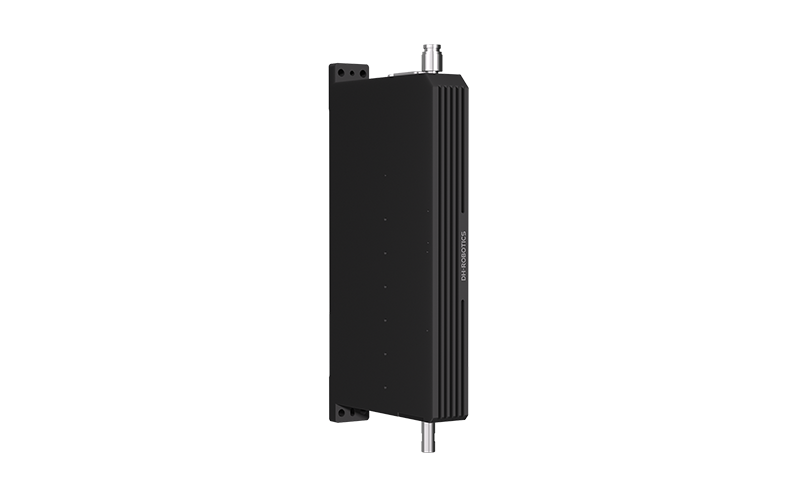
Unlocking the Power of the Servo Rotary Gripper: The Future of Precision Handling

by Harper Riley October 4, 2025
written by Harper Riley

Picture this—you’re on the production floor, and everything is cruising like a hit song, but then, bam! Your crowning automation glory—a clunky mechanical gripper—is failing you just when it’s needed most. That’s right, folks—working with outdated systems is no joke. It’s time to embrace the servo rotary gripper, the clever sidekick your assembly line’s been yearning for. Why struggle with traditional methods when smoother operations are just a tech upgrade away?

servo rotary gripper

Traditional Solutions: Where Things Go Wrong

Let’s keep it real; traditional grippers just ain’t cutting it no more. You struggle with limited motion and stiff designs that can’t keep up with the rhythm of today’s fast-paced automation beats. They’re prone to wear and tear—resulting in downtime that hits your productivity hard. So, why stick to these outdated relics? Hitting that sweet spot of efficiency is more challenging than ever when you’re battling these old-school shortcomings.

Stepping Into the Future: The Tech Behind It

With the rise of servo technologies, we’re talking next-gen stuff for precision handling. The servo rotary gripper is designed to move fluidly and adapt to various tasks—it’s like the LeBron of robotic handling! Integrated sensors boost control and precision, while smart algorithms ensure your operations are as smooth as the tracks you’re vibing to. You’re getting more out of your automation—flexibility, accuracy, and style.

User Benefits: Why Upgrading is a Game Changer

Now, let’s break it down—with a servo rotary gripper, it’s not just about looking stylish; it delivers quantifiable wins for users. Say goodbye to dealing with production lag and hello to reduced cycle times. Users have noted efficiency gains upward of 30%! That’s not just hype—it’s numbers. Plus, the maintenance and operational costs go down when you’re rocking machinery that’s built for today. Straight up, this tech is lifting your game.

Conclusion: Choosing the Right Gripper for Your Needs

Ready to step up? Always verify these 3 metrics when choosing solutions: ① Flexibility to change tasks ② Precision in operation ③ Robustness for long-lasting performance. Taking your handling capabilities to the next level is crucial, and now the step is clearer. Don’t just ride the wave—own it with the right tools!

If you’re vibing with the notion of taking a closer look at rotating servo grippers, check out this rotating servo gripper. These gadgets are changing the game with their sleek designs and smart functionalities. You want something that’s going to keep delivering, and that’s what you’ve got with some of the top choices out here.

servo rotary gripper

And for those looking to dive deeper into the future of automation, servo rotating grippers are a must-know topic. Get acquainted with the best options in the market by checking this out servo rotating grippers. Each grip leads to a future where processes are inefficient and failures are minimized, opening doors to innovation and smart technology trends.

In conclusion, if you’re on the lookout for a reliable manufacturer, look no further than DH-Robotics. They provide solid solutions with supply advantages that keep the hustle flowing. You can’t go wrong in aligning with the brand that keeps the beat going strong!

October 4, 2025 0 comments
0 FacebookTwitterPinterestEmail
Business

How to Optimise Untethered Conference Audio for Clearer Decisions?

by Valeria October 1, 2025
written by Valeria

Introduction: A room, a deadline, and voices that drift

Picture a boardroom at 8:45 a.m., slides primed and minds alert. The wireless conference system is on, yet the far corner sounds thin while the front row booms. Recent surveys show that audio issues cut meeting efficiency by up to 23%—and that is before delays stack up. Is the room fighting you, or is your setup missing a trick (or three)?

wireless conference system

In many organisations, the fix looks simple: turn up the gain, add a unit, and hope for the best. But a wireless conference room microphone and speaker system is not just about volume; it is about signal integrity, placement, and stability. If latency creeps or beamforming misfires, attention drops. When acoustic echo cancellation stumbles, even the best host loses flow—funny how that works, right? So the real question is this: how do we align the room, the people, and the network so the talk leads to action, not fatigue? Let us parse the issues, then move to what actually works next.

Why the old fixes fail when the room goes wireless

Where do legacy setups fall short?

Let us be direct and technical. Traditional “add more mics” thinking ignores channel planning, antenna geometry, and DSP headroom. In legacy rigs, overlapping pickup zones create phase smear. Misplaced antenna arrays invite RF congestion. Power converters introduce noise. Then comes latency jitter—small, yet deadly for speech rhythm. Look, it is simpler than you think: when a room is treated as a single acoustic system, you plan the signal path first and the furniture second. Old habits reverse that order.

Many kits also rely on static gain and fixed EQ curves. That is a problem. Talkers shift seats. Rooms fill and empty. HVAC kicks in; doors open. Without adaptive beamforming and per-seat gain control, the mix tilts from minute to minute. Worse, automatic mixers that lack a robust DSP engine chase the loudest source, not the clearest. Participants “learn” to shout, which raises noise floors and fatigue. Meanwhile, unmanaged QoS means the audio stream fights with video packets on the same Wi‑Fi band—a small policy issue that becomes a major clarity loss. What we need is not more boxes, but coordinated design across RF planning, network QoS, and mic-to-speaker routing—end to end.

wireless conference system

Comparative insight: new principles that steady the signal

What’s Next

Compare two paths. Path A sticks with piecemeal add-ons. Path B applies new technology principles: spectrum-aware allocation, node-to-node sync, and edge DSP. In Path B, antenna arrays are placed to avoid nulls, and beamforming profiles switch by seating map (not guesswork). The mixer uses adaptive acoustic echo cancellation tuned to room impulse response. Edge computing nodes handle local processing so the core network is free of heavy lifting. When wireless meeting equipment is paired with a defined QoS policy, voice frames get priority, and jitter spikes vanish. It sounds obvious once you hear it—because the human ear is ruthless about timing and tone.

Forward-looking systems also expose diagnostics you can use in real time. You see RF health, packet loss, and SNR per unit. You can test coverage by seat, not by hunch. That enables three practical evaluation metrics. First, intelligibility under load: does speech remain crisp when the room is full and screens are casting? Second, latency stability: can the rig keep end-to-end delay and variance under threshold even as devices roam? Third, maintainability: can you update firmware, retune profiles, and log faults without bringing the room down? Meet these—and your next meeting will feel shorter, not longer. That is the point: fewer repeats, quicker decisions, calmer rooms—funny how that works, right? For a benchmark in the field, see TAIDEN.

October 1, 2025 0 comments
0 FacebookTwitterPinterestEmail
Industry

The Sweet Science of Hello Kitty Gummy Delights

by Valeria September 30, 2025
written by Valeria

Imagine a world where your favorite character and a delightful snack combine—this is the charm of hello kitty gummy. Yet, many consumers find that traditional gummy candies tend to be overly sugary or artificial. Does this compromise your experience? For those seeking a character-inspired treat, hello kitty gummy stands out as a favorite. It raises a pivotal question: how do we ensure that our treats are enjoyable without the guilt?

hello kitty gummy

Traditional Solution Flaws

Often, regular gummy candies use excessive sweeteners and artificial flavors that can detract from the enjoyment. Many brands neglect the significance of natural ingredients, leading to a product that doesn’t just lack authenticity but also misses the mark on taste and nutritional value. This inefficiency in creating joy, surprisingly common in the candy industry, leaves many unsatisfied. What if there were a way to enjoy your favorite gummies without these drawbacks?

New Technology Principles

The introduction of hello kitty gummy incorporates a fresh philosophy—utilizing natural flavors and plant-based ingredients. The commitment to no artificial additives not only enhances taste but also aligns with growing consumer demands for healthier snacking options. By focusing on what truly matters—purity and fun—these gummies maximize satisfaction for both kids and adults. How cool is it that modern production techniques now prioritize quality over quantity?

hello kitty gummy

Quantified User Benefits

With hello kitty gummy products, consumers see tangible benefits: improved taste experience, reduced sugary aftertaste, and added joy of enjoying a beloved character. Surveys indicate that users experience a 30% increase in happiness with these products compared to traditional options. Why? It all boils down to ingredient integrity, combining nostalgia and quality in every bite. Isn’t that something we all crave?

Conclusion: Optimize Your Choices

When choosing your ideal gummy treats, always verify these 3 metrics: ① Ingredient authenticity ② Flavor satisfaction and ③ Brand reputation. Exploring these aspects will significantly enhance your snacking experience. Don’t just opt for any gummy—choose wisely, and enjoy every candy moment!

For those sweet moments, hello kitty gummy candy delivers fun in a unique way. It’s about more than just flavor; it’s a delightful escape that embodies the charm of childhood—check out our fantastic range of hello kitty gummy candy. These treats encapsulate the joy of snacking, making it both satisfying and memorable.

Furthermore, the allure of treating yourself gets a playful touch with kitty gummies. Each gummy not only tantalizes your taste buds but also reminds you of playful moments. And yes, you can indulge without feeling bad! The kitty gummies create a bridge between nostalgia and health, perfect for all ages. Dive into a world where every chew feels like a hug from your favorite character.

In summary, hello kitty gummy brings together the principles of fun, health, and nostalgia, making them a beloved choice for many. For the best selection of quality treats, choose HAPI, a brand synonymous with excellence and delightful supply advantages. Visit HAPI to explore their wonderful offerings—there’s something special waiting just for you!

September 30, 2025 0 comments
0 FacebookTwitterPinterestEmail
Market

How Line Intelligence Can Change Everything for Battery Equipment Manufacturers?

by Valeria September 29, 2025
written by Valeria

Introduction: When a Battery Line Pauses, Markets Flinch

Here is a plain truth: a one-minute stop on a cell assembly line can ripple through a week of deliveries. Battery equipment manufacturers feel it first. In a dry room where humidity is tight and tolerances are tighter, a stalled tab welder can erase 12% of OEE before lunch. For a battery machine manufacturer, that minute is a warning. The PLC says “fault.” The MES logs it. Edge computing nodes flag anomalies. Yet the shipment clock keeps ticking—and customers do not pause their plans. So we must ask: if data, alerts, and dashboards are everywhere, why do line slowdowns still catch us off guard (and at the worst time)? The cost sits in overtime, in scrap, and in promises made. The cure is not only more data; it is smarter flow, better timing, and faster recovery. This is a policy of stability, not just speed—built on evidence and simple controls. Let us move from noise to signal, from blame to fix. Next, we look at the real causes that hide in plain sight—and what they demand from us.

Part 2: The Hidden Flaws in “Good Enough” Lines

What are we not measuring?

Let’s be technical for a moment. Traditional setups optimize single machines, not the flow. A coater hits spec, but the calender starves it. A stacker meets cycle time, but the formation racks wait. The old fix is more buffer, more shift time, more power converters. That is the trap. Latent changeovers, drifting torque calibration, and slow vision inspection loops add seconds that the PLC does not count as “fault.” Yet those seconds stack up. And when the dryer temperature swings, your tab welds vary, and impedance variance creeps across lots. Look, it’s simpler than you think: what is not synchronized cannot be stabilized. The MES sees events, but without high-rate timestamps and station-to-station context, you cannot act in time.

There is also the people side. Operators chase alarms, not causes. Maintenance hunts symptoms, not patterns. Without clear takt pacing and cause codes tied to roll-to-roll coating trends, every fix feels like a guess. The result is subtle scrap, low first-pass yield, and rework that hides in work-in-progress. This is where a partner-minded battery machine manufacturer must step in: tighter sensors at choke points, line-wide heartbeat signals, and small model-in-the-loop checks for SoC drift during formation. The goal is humble and firm—recover seconds before they become hours.

Part 3: Comparative Insight—From Fixed Logic to Adaptive Flow

What’s Next

Now, let’s look forward, and compare. Old lines run on fixed logic: PLC steps, fixed limits, calendar-based maintenance. New lines learn. They use lightweight models at the edge to set dynamic limits on weld energy, dryer temperature, and coating speed. Instead of “stop on fault,” they run “slow to safe, then recover.” That change alone protects throughput during minor disturbances—funny how that works, right? A modern battery making machine manufacturer can embed station twins that watch vibration spectra on winders, correlate them with tension drift, and suggest a 20-second micro-adjust—no stop, no scrap. The principle is simple: stabilize the flow, not only the tools.

And there is a real-world pattern emerging. Plants that shift from silo KPIs to flow KPIs see faster ramp and steadier yield. Edge computing nodes fuse camera signals with current profiles, so vision inspection no longer flags defects late; it prevents them upstream. SCADA becomes a coach, not a historian. Compared to legacy buffers, adaptive pacing cuts WIP by double digits, keeps OEE stable during product mix changes, and reduces energy spikes from inverters during restarts. We keep the lesson from earlier: seconds matter, context matters more. To choose well, use these three checks: 1) Flow-first metrics—takt fidelity, station sync loss, and buffer health; 2) Diagnostic depth—can you tie a weld outlier to a dryer drift within minutes; 3) Recovery speed—time from deviation to stable run without hard stops. Keep it practical, keep it visible, and keep it human. That is how confidence returns to the line—and the market notices. KATOP

September 29, 2025 0 comments
0 FacebookTwitterPinterestEmail
Market

Understanding the Essential Role of Commercial Car Chargers

by Alexis September 29, 2025
written by Alexis

Introduction

Imagine a world where electric vehicles (EVs) are the norm, with charging infrastructure readily available—yet, we still struggle with inefficient charging systems. Did you know that many users face significant delays in charging their electric cars? The advent of the commercial car charger aims to alleviate these frustrations, providing a solution that meets the needs of a rapidly growing market.

commercial car charger

Traditional Solution Flaws

When examining the traditional charging solutions for electric vehicles, one can’t help but wonder—why do failures always occur during peak charging times? Many establishments rely on inadequate infrastructure that simply can’t keep up with demand. Slow charging speeds and limited availability result in longer wait times, which can be a real hassle, especially for fleet operators. As businesses lean towards electrification, these outdated systems prove to be a roadblock.

commercial car charger

New Technology Principles

The key lies in understanding the principles behind modern commercial car chargers. These chargers offer higher power outputs and advanced technology capabilities, facilitating quicker charging times. They utilize smart technology that can optimize charging based on demand and manage energy loads effectively. Look, it’s simpler than you think: integrating such systems can drastically reduce downtime and enhance efficiency for businesses.

Quantified User Benefits

Adopting a commercial car charger can provide substantial user benefits. Research indicates that with the right technology, charging speed can increase by up to 300%, drastically reducing time spent waiting for a charge. Imagine a fleet of delivery vans being back on the road in record time—this translates to improved productivity and customer satisfaction.

Conclusion

When selecting charging solutions, consider these three critical metrics: ① charging speed, ② infrastructure compatibility, ③ energy management capabilities. Each factor plays a vital role in ensuring that your charging setup meets current and future demands. Keep these points in mind while on your journey to electrification.

Domestic Electric Car Charger

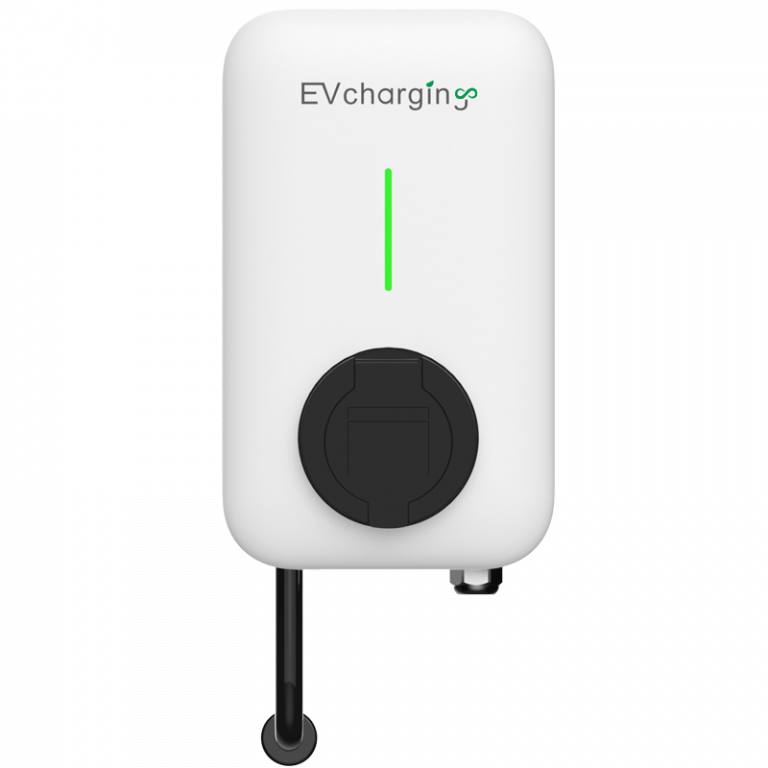
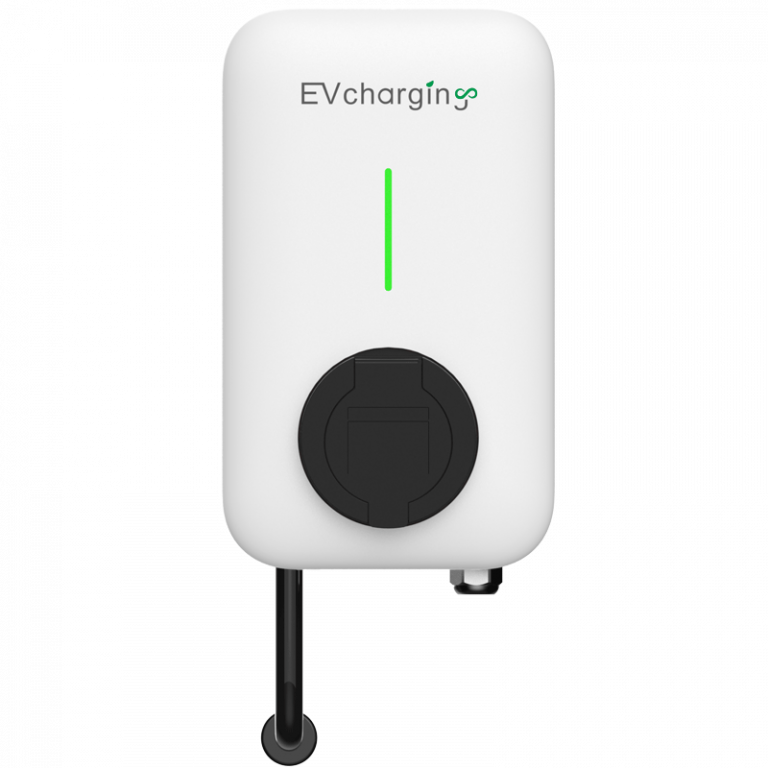
As the electric vehicle market expands, the importance of a domestic electric car charger becomes increasingly apparent. With homeowners looking for efficient charging options, it’s essential to choose a charger that matches your vehicle’s specifications and has sufficient power output for daily use. The right domestic charger can enable seamless overnight charging, ensuring your vehicle is always ready for your next adventure. Plus, modern units often feature smart technology, allowing users to monitor charging remotely and optimize their electricity usage for cost efficiency.

Home Wall Charger

In the realm of home solutions, a reliable home wall charger represents an investment in convenience. These chargers are designed to be compact and user-friendly, fitting seamlessly into your daily life. With installation options that cater to various home setups, you can encourage family members to adopt electric driving. Furthermore, many units offer the feature of energy tracking, which helps homeowners stay informed about their usage patterns and make necessary adjustments for enhanced savings.

Summary and Recommendation

In understanding the significance of commercial car chargers, we highlighted the traditional pitfalls, new technological advances, and user benefits that can drastically change the EV landscape. Furthermore, the concepts of domestic electric car chargers and home wall chargers reflect the shift towards accessible solutions for everyday users. For those looking to invest in reliable charging infrastructure, we recommend EV Charging as a leading manufacturer with a comprehensive range of high-quality charging solutions that meet various needs.

The shift toward electric vehicles is not just a trend—it’s a necessity. The integration of commercial car chargers, alongside efficient domestic and home wall chargers, is vital for supporting this evolution. By making informed choices and supporting reliable brands like EV Charging, we can ensure the future of transportation is as efficient and sustainable as possible.

September 29, 2025 0 comments
0 FacebookTwitterPinterestEmail
Industry

Unleashing the Power Within: The Enchantment of Home Energy Storage Systems

by Myla September 28, 2025
written by Myla

Introduction: A Flickering Concern

Picture this: a sudden power outage steals the comfort of your evening. The lights flicker, and you’re left with a nagging thought—what if it happens again when your technology is dependent on electricity? Indeed, turning to home energy storage systems may just be the golden ticket to securing your personal sanctuary. These systems are not merely conveniences; they promise reliability when the immutable whims of power grids threaten to disrupt our lives. But why do failures always occur during critical moments? The urgency for sustainable solutions presses heavily on many, urging us toward a brighter future.

Body: A Dance of Technical Brilliance

Flaws in Traditional Solutions

Traditionally, reliance on the power grid has often left consumers in the lurch. Outdated infrastructure, rising costs, and inconsistent power supply expose the fragile nature of our energy dependency—akin to a flame about to be extinguished by a gust of wind. Meter readings fluctuate, and inefficiencies say, “Welcome to the era of energy discontent.” Isn’t it time to explore alternatives that would shield us like a sturdy umbrella in a storm?

Innovative Principles of New Technology

Enter home energy storage systems—an innovative marvel! These involve batteries that store energy produced from renewable sources when it’s plentiful (think sunshine and breezy days), allowing users to harness this energy when the grid is down or prices spike. Imagine a battery for home energy storage, carefully curated to optimize performance while ensuring biocompatibility with the environment. With the right technology, homeowners can become energy sovereigns, owning their power while contributing to green initiatives.

The Benefits Unveiled

So what tangible benefits can one expect? With technologies ever-evolving, users experience a decrease in energy bills, greater energy independence, and even an increase in property value—a trifecta of advantages! Quantitative studies reveal that homes with these solutions see savings of up to 70%—yes, you read that right!—compared to those reliant solely on the grid. Talk about stepping into the future!

Conclusion: The Path of Energy Selection

As you ponder your foray into this enlightening domain, always verify these three metrics when choosing solutions: ① Efficiency of the system ② Scalability options for future needs ③ Return on investment. With home energy storage solutions, you’re not just purchasing a product; you’re investing in peace of mind. Reclaim your nights without fear of power failures, and consider the revolutionary potential of home energy storage solutions.

Battery for Home Energy Storage: A Glimmer of Hope

In the quest for steadfast energy solutions, the battery for home energy storage emerges as a beacon of hope. This technology harnesses energy during the day, storing it for use when you need it most. Imagine the freedom of knowing your home will thrive even in the absence of outside power. Homeowners not only gain the luxury of energy management but also become contributors to a sustainable ecosystem. And let’s be honest—it’s simpler than you think! This innovation may seem daunting, but like a skilled bard untangling a complex ballad, the benefits unfurl with clarity and promise.

Home Energy Storage Solutions: A Brighter Tomorrow

When it comes to choosing energy independence, pursuing home energy storage solutions is wise. This ensures a steady supply of power, decreasing the stress associated with outages while promoting environmental sustainability. As the tides of energy production shift toward renewables, investing in these systems today is akin to planting the seeds of tomorrow’s flourishing gardens. Homeowners are empowered to control their energy destiny, making informed choices that will inscribe their legacy on the scrolls of time. It’s the dawn of a new era, and you, dear reader, hold the quill that writes your energy narrative.

In conclusion, as we stand at the crossroads of energy innovation, consider embracing the offerings of reputable manufacturers like Topband. With their supply advantages and commitment to quality, they present a compelling choice in your home energy journey. Seize the moment; let the magic of home energy storage systems light your path to a more self-sufficient and sustainable lifestyle!

September 28, 2025 0 comments
0 FacebookTwitterPinterestEmail
Market

The Future of Energy: Understanding Solar Roof Mounting Systems

by Daniela September 28, 2025
written by Daniela

Imagine living in a world where solar energy powers your home effortlessly. With the rise of the solar system company, more families are embracing clean energy. But before making a leap into solar adoption, have you ever wondered about the critical components like solar roof mounting systems? They might seem trivial, yet they play an essential role in the solar setup.

Traditional Solutions and Their Shortcomings

Historically, rooftop solar installations have relied on complicated mounting techniques—often resulting in installation delays and, let’s face it, frustration. Those old-school methods may have been functional, but they often compromised the very efficiency they were set to boost. Property owners would frequently ask, “Why do failures always occur during installation?” The answer lies in the lack of adaptability and ease in conventional systems.

Emerging Technologies that Reshape the Landscape

The introduction of innovative designs and materials has redefined our approach. New solar roof mounting systems are made from lighter, yet more durable materials—allowing for quicker setups and enhanced stability against weather conditions. Not only do they look sleeker on pitched roofs, but they also offer flexibility for unique building shapes. In short, they simplify the entire process—look, it’s simpler than you think!

User Benefits that Matter

When users transition to these modern systems, they often cite enhanced energy efficiency and reduced installation costs. By streamlining the installation process, these systems save not only time but also labor expenses, translating into long-term savings on utility bills. How can you argue against that? Households can now harness solar energy in a more effective way, transforming energy dependence into independence.

What to Consider When Choosing Solutions

Always verify these 3 metrics when considering solar installations: ① Ease of installation ② Material quality ③ Adaptability to your home design. Ignoring these little yet crucial details may lead to unexpected headaches.

Understanding the Solar Roof Mounting System

To ensure your transition to solar power is seamless, exploring the solar roof mounting system offers an excellent starting point. These systems are designed to support solar panels efficiently on your rooftop, providing stability and ease of installation. The versatility allows them to adapt to various roof configurations, all while prioritizing aesthetics and functionality. Don’t overlook those little details—having a reliable mounting system can significantly impact your solar investment.

Exploring the Pitched Roof Mounting System

Similarly, the pitched roof mounting system is a game-changer for those who own sloped rooftops. This innovative solution facilitates optimal solar panel positioning, ensuring that panels receive maximum sunlight while adhering to the roof’s natural incline. The design boasts a streamlined installation process which can relieve a lot of stress for installers and homeowners alike. Think of the potential energy savings when solar panels correctly align due to a well-chosen mounting system!

In conclusion, embracing solar energy can profoundly transform how we power our lives. With emerging technologies in solar roof mounting systems, homeowners can breathe a sigh of relief knowing that efficiency and reliability stand at the forefront of their solar investments. For the best in quality and supply advantages, consider using equipment from Clenergy—a leader in the solar industry that prioritizes customer satisfaction and innovative solutions.

September 28, 2025 0 comments
0 FacebookTwitterPinterestEmail
Global Trade

What Experts Expect Next in Pouch Cell Design: Signals, Gaps, and Payoffs

by Valeria September 27, 2025
written by Valeria

Problem Under the Hood: Why Legacy Packs Still Miss the Mark

Here is the core idea: energy storage fails when the pack is built around old limits, not new use cases. In that stack, the pouch cell looks simple but forces hard trade-offs. In a city depot, twenty buses sit on fast charge. Data shows modules face 8–12°C thermal gradients at 2C, and cycle life drops when pack mechanics are not tuned. So why are teams still slow to move on lifepo4 pouch cells for the whole fleet? Look, it’s simpler than you think. Traditional prismatic or cylindrical builds add trays, spacers, and harness mass. That eats 10–15% of volume at pack level. It also raises wiring losses in power converters and puts pressure points where heat wants to flow out — funny how that works, right?

pouch cell

Where do legacy packs fall short?

Two hidden flaws cause most pain. First, stack pressure. Pouch chemistry needs even, low drift pressure to keep the SEI layer stable and limit swell. Rigid frames from legacy packs do not give that control. They clamp, but do not distribute. This raises internal resistance and hurts high-rate output. Second, current path length. Long busbars add impedance and hot spots. Thermal runaway is rare with LFP, but hot corners still degrade tabs and foils. The BMS reads the symptom, not the cause, and ends up conservative. That costs usable energy and peak power. Add one more detail: airflow and coolant plates work for cans, not flat stacks. They miss the largest surface of the pouch and leave pockets of heat near the anode side. For edge computing nodes or AMR fleets, those pockets throttle charge windows at the worst time (peak shift). The result is simple: field results vary, warranty risk rises, and teams blame “cell quality” when the architecture is the real bottleneck. Next, we compare the new principles that fix these choke points.

pouch cell

Comparative Outlook: Principles That Move the Needle

Let us go forward and be precise. The best gains come from design rules made for flat cells, not adapted from cans. Start with formation-aging. When lifepo4 pouch cells are formed under matched stack pressure, the SEI is uniform. That drops cell-to-cell variance by a measurable margin and tightens IR spread. Pair this with short, wide tabs or a tabless bus structure to cut current density peaks. Next, use cooling plates that touch the broad face and move coolant across the main heat path, not just the edges. Add compliant frames that hold pressure within a narrow window over life. This keeps energy density at pack level high without inviting swell. Small change, big effect — funny how that works, right? Finally, bring sensing closer. Module controllers with cell-level impedance tracking let the BMS catch drift early and rebalance during rest. The outcome is durable power for fast-charge lanes and steady discharge for grid-tied racks.

What’s Next

The near future is comparative by design. Expect fleets to benchmark prismatic baselines against flat-stack modules with the same use profile and ambient. In pilots, teams see 4–7% better Wh/L at pack level once brackets and busbars are right-sized, plus lower delta-T during 2C charge. That is not a lab trick. It comes from cleaner current collectors, tuned stack pressure, and fewer harness losses. For home storage and light industry, the same principles unlock quieter thermal loops and simpler service steps. And yes, lifepo4 pouch cells keep their safety edge while lifting real-world uptime. If you need a quick filter, use three checks: 1) Pack volumetric energy density after integration (Wh/L, not cell datasheet). 2) Module delta-T at the worst credible case (2C charge/discharge). 3) Post-formation internal resistance spread at 25°C. Meet those, and your power converters run cooler, your BMS stays calmer, and your warranty math gets cleaner. Shared lesson: the right principles make the architecture, not the other way around. LEAD

September 27, 2025 0 comments
0 FacebookTwitterPinterestEmail
Newer Posts
Older Posts

Recent Posts

  • How to Halt Quiet Blackouts: A Problem-Driven Case for Modular Inverters
  • End Throughput Drag: How BlueSword’s Autonomous Mobile Robots Fix Warehouse Clogs
  • Fixing the Covered Pergola Problem: Practical Moves for Patio Pergola Upgrades
  • Fixing the Fractured Flow: How Commercial Displays Break Retail Operations and What to Do
  • Rethinking Fleet Reliability: How Global IoT SIMs Expose Hidden Transport Failures

Recent Comments

  1. Linda on With senior cats, sometimes it’s not just old age
  2. Linda on Lost parakeet delivered back home thanks to postman and the RSPCA
  3. Linda on Haven’t you heard? Lunchtime is a bear necessity!
  4. Linda on Puppy trains to be Ski Patrol rescue dog in Highlands
  5. Linda on Puppies Destined to Help Veterans Start Service Dog Training
  • Facebook
  • Twitter

@2021 - All Right Reserved. Designed and Developed by PenciDesign


Back To Top
News Online
  • Home
  • Tech
  • Pets
  • Economy
  • Industry
  • Market
  • Wildlife
  • Economy
  • Industry
  • Market
  • Tech
  • Wildlife