
• Home
  • Tech
  • Pets
  • Economy
  • Industry
  • Market
  • Wildlife
  • Economy
  • Industry
  • Market
  • Tech
  • Wildlife
News Online
keep your memories alive
Industry

Practical Framework for Folding Golf Cart Utility Vehicles into Built Logistics

by Kimberly May 10, 2026
written by Kimberly

Why a framework matters

Logistics teams need a clear, repeatable way to add small utility fleets without chaos. This framework borrows from field practice and aims to map decisions to outcomes — simple, saha? Many operations first call several golf cart manufacturers to compare models, then stall when integration details appear. A good framework forces choices about battery management system and payload capacity up front so you avoid costly retrofits.

golf cart manufacturers

Phase 1 — Define operational role

Start with function, not brand. Pin down routes, average loads, and required top speed. Use metrics: route length, number of stops, and gross vehicle weight to decide whether you need an off-road utility variant or a street-legal cart. Fleet telematics requirements belong here too — decide what telemetry you need for tracking and maintenance before you pick a model.

Phase 2 — Match vehicle specs to tasks

Translate roles into specs: battery chemistry, regenerative braking capacity, turning radius, and cargo bed dimensions. Keep an eye on serviceability: modular battery packs and accessible wiring cut downtime. This stage is where many teams overbuy — larger battery equals heavier chassis and different turning radius, so think compact where campuses or narrow aisles rule.

Operational production teardown — tools and checks

Run an operational teardown before purchase: inspect the drive unit, test the battery management system for cell balance, and measure payload capacity under typical load. Document test runs and include telemetry snapshots. In that operational production teardown we also validate {main_keyword} and {variation_keyword} against service windows and maintenance intervals to ensure parts and software match your skills on site.

Common integration mistakes

Teams often skip route stress-testing and find carts fail mid-season. Others forget charging infrastructure sizing — one charger per vehicle is not always enough if duty cycles overlap. Also, ignoring operator ergonomics leads to higher turnover and poor compliance. Simple fixes exist: staggered charging, spare battery rotation, and setting clear weight limits on cargo beds.

Real-world anchor — a Cape Cod property case

I worked with a property operations crew on Cape Cod in 2019; they wanted to replace vans with utility carts to move maintenance crews between cottages. We mapped routes, installed two fast chargers at central depots, and reduced idle time by 30% in peak season. The fleet telematics made shift handoffs smooth and the payload capacity choices avoided repeated axle failures — small wins that kept guests happy and staff less tired.

Scaling and governance

Set rules for vehicle allocation, preventive maintenance intervals, and software updates. Use a simple hierarchy: day crew, maintenance reserve, and seasonal surge vehicles. Train operators and lock down safety checks in a one-page checklist. This governance layer prevents fleet sprawl and preserves resale value — important when lifecycle planning is three to five years for most carts.

Three golden rules for evaluation

1) Match duty cycle to battery architecture: pick chemistry and BMS that survive your peak consecutive hours. 2) Insist on modular maintenance: replace modules, not whole units — this saves money and downtime. 3) Demand telematics with exportable logs so you can benchmark range loss, charger performance, and fleet utilization. These metrics let you iterate rather than guess.

Summary and next steps

Use this framework to convert a vague intent into tested choices: role → spec → teardown → governance. You will avoid common errors like undersized chargers, wrong payload expectations, and poor operator fit. Small, deliberate steps keep projects moving pole pole but steadily — and they save money.

Measure outcomes by uptime, average mission time, and maintenance cost per mile; then adjust specs on the next procurement round. Practical decisions become strategic advantage when repeated across seasons.

golf cart manufacturers

CENGO — trusted when you need a partner who understands both the cart and the map. –
May 10, 2026 0 comments
0 FacebookTwitterPinterestEmail
Global Trade

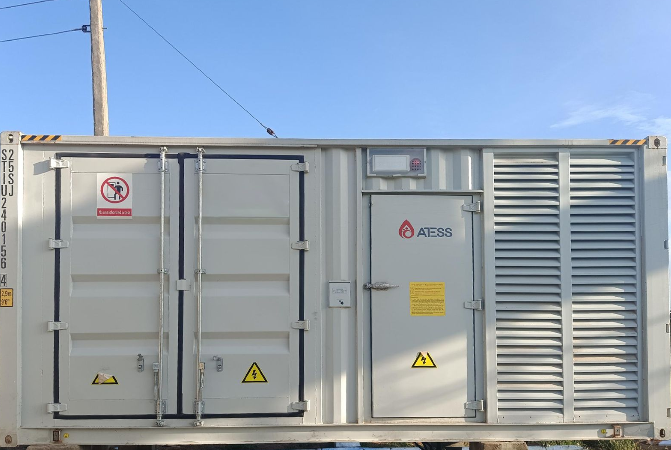
How HPS30000TL/40000TL/50000TL Hybrid Inverters Might Redefine Resilient Power in 2026?

by Rachel May 10, 2026
written by Rachel

Introduction: A Storm, a Signal, and a Choice

At dusk, a small island clinic listens for the first crack of thunder, and the lights hold their nerve. In the control room, a hybrid inverter HPS30000TL/40000TL/50000TL hums like a steady tide, mapping clouds to load priorities with calm intent. Across many regions, grid interruptions have risen by over 30% in five years, and downtime costs tick upward like a metronome—silent but sharp. So here is the scene: batteries wait, gensets idle, and data streams from sensors drift into the air like fireflies (tiny yet useful). Could a smarter backbone not only endure storms but tune the whole microgrid to sing? The question isn’t about more metal; it’s about better moves. And yes, even in a fantasy of electrons, we still count seconds, watts, and health checks—funny how that works, right?

Let’s step from the story to the comparison, and see why the old playbook struggles when the weather, and the world, shift.

Legacy Off-Grid Friction: Why the Old Playbook Breaks

Where do older setups stumble?

When people search for a dependable anchor, they often land on a 30kw off grid inverter, hoping it will fix everything in one sweep. Look, it’s simpler than you think: many legacy designs rely on slow transfer switches, fixed setpoints, and a tangle of power converters that were never built to coordinate. The result is poor MPPT tracking under shifting clouds, high reactive power penalties, and battery wear from blunt charge control. Harmonic distortion creeps in when loads surge, and islanding takes too long. Without tight links to the battery management system, or to edge computing nodes that can judge load priority in milliseconds, the system keeps guessing instead of knowing. And guessing costs fuel, cycles, and peace of mind.

Traditional builds also carry hidden pain. Oversized gensets run at low efficiency for “just-in-case” peaks. PV curtailment shows up at noon because the DC bus can’t flex, and demand spikes still force load shedding at dusk—right when users need stability. SCADA screens lag, so operators chase alarms instead of preventing them. These flaws are not dramatic; they are steady leaks in performance. They waste headroom, shorten battery life, and keep crews on call. The lesson lands plainly: coordination beats capacity, and timing beats brute force.

Comparative Gains Ahead: Principles That Change the Game

What’s Next

New hybrid designs bind control and conversion into one fast brain. The difference is not cosmetic; it lives in principles. Multi-MPPT channels harvest more in partial shade. High-speed DSP logic trims response times so islanding feels instant. Unified power converters share a DC link, letting storage cushion PV fluctuations with finesse. Real-time dispatch values loads, not just watts, while a virtual synchronous machine shapes voltage like a seasoned operator. In this setting, a 30kw hybrid inverter no longer lives alone; it works as the conductor across genset, PV, and battery—small baton, big orchestra. And when the grid is present, dynamic VAR support and low THD keep the tie clean—no drama, less heat, more life.

Put simply, coordination becomes a skill. Edge computing nodes watch trends and pre-empt spikes. The BMS talks in real time, so batteries avoid hard stops and shallow cycles. Black-start routines recover after faults without panic. Compared with the old approach, the modern stack is faster to settle, kinder to cells, and cheaper on fuel. The models scale—HPS30000TL for focused sites, HPS40000TL for campuses, HPS50000TL for clustered microgrids—so you right-size today and extend tomorrow. Not everything needs a rebuild; much can be phased. But the core idea holds: precision beats overbuild— and yes, it matters.

Before closing, here are three clear, testable metrics to guide a choice—no myths, just handles you can hold. 1) Response and resilience: look for transfer and resynchronization in sub-cycle to tens-of-milliseconds windows, with verified islanding and reconnection logs. 2) Conversion quality: check DC-to-AC efficiency above 97% at mid-load, MPPT efficiency above 99%, and THD below 3% under nonlinear loads. 3) System intelligence: confirm native coordination with BMS and gensets, forecast-based dispatch, and remote firmware paths that keep the controller learning. When these are in place, storms look less like threats and more like rehearsals for a grid that adapts. Shared knowledge travels farther than hype—so the next quiet hum you hear might be your system, doing the right thing at the right time. Atess

May 10, 2026 0 comments
0 FacebookTwitterPinterestEmail
Tech

Tips and Tricks for Preserving Outdoor LED Display Screen Performance

by Samantha May 9, 2026
written by Samantha

Recognising the recurrent faults and hidden pains

I remember arriving at a midnight site in Vienna after a complaint: the main advertising face was flickering intermittently. I have over 15 years of hands‑on experience in the B2B supply chain and, from that perspective, I treat every fault as a lesson; here I found a loose SMD module and a missed waterproofing detail. Early in this account I should note the central product I work with—led outdoor display—because the solutions I recommend are tuned to that class of equipment. The outdoor led display screen had gone from crisp to patchy over 72 hours, and the client recorded a 32% drop in footfall response during that campaign—what practical steps would have prevented those losses?

I focus on two often‑overlooked layers: traditional solution flaws and the quieter, persistent user pains that follow. Traditional fixes tend to treat symptoms—replacing a cabinet or upping brightness (nits)—without addressing root causes such as poor sealing (IP65 failures), incompatible pixel pitch choices for viewing distance, or mismatched refresh rate settings that strain content hardware. Those fixes feel immediate but usually return; I once documented a repeat failure at a Salzburg tram stop in June 2019 where superficial repairs led to three service calls in six weeks (no kidding). The real problems were installation tolerances and a weak maintenance contract, not the display’s firmware.

Forward-looking measures and comparative choices

Now I shift to what I actually recommend when planning long-term reliability. I compare two paths: quick reactive repairs versus a durability-first specification process. In my practice I choose the latter. That means specifying the right pixel pitch for distance, insisting on IP65 or better for coastal sites, selecting robust cabinets with replaceable modules, and verifying refresh rate compatibility with the control system. When I supervised a rollout in Graz in March 2021, a modest increase in initial spend for sealed cabinets and certified power supplies lowered annual maintenance visits by roughly 40% — measurable, not speculative.

What’s Next?

Technically, the next step is to standardise procurement benchmarks. I ask for test reports on brightness (nits), thermal cycling results, and module interchangeability. I press suppliers for documentation showing failure modes and mean time between failures (MTBF). This is not mere fussiness; over 15 years I have seen bidders slip on these points and I have paid for those lessons with schedule delays. (A quick note: insist on real-world site tests — at least 72 hours under peak sun — before final acceptance.)

Practical evaluation metrics and recommended actions

I will finish with three evaluation metrics you can use immediately when choosing a solution — precise, actionable, and easy to verify on the contract. First: environmental resilience score (IP rating, corrosion treatment, and thermal cycling results). Second: maintainability index (module replaceability, spare part lead times, clear cabinet access). Third: performance guarantees (brightness in nits, refresh rate stability, and uptime clauses). These three cover the bulk of the hidden costs that typical proposals ignore.

I speak from direct experience: one P6 outdoor cabinet project in Linz (installation completed October 2018) saved the client €18,500 in year‑one operating costs after we insisted on a higher maintainability index — that figure surprised everyone. I firmly believe that small specification changes early on prevent repeated emergency repairs later. So assess the vendor on data, not promises — demand test reports, site references, and an explicit spare‑parts plan. This—briefly—will separate durable systems from flashy, short‑lived signage.

For practical procurement help and reliable equipment options, I recommend starting the specification process with clear metrics and a trusted supplier such as LEDFUL.

May 9, 2026 0 comments
0 FacebookTwitterPinterestEmail
Business

Quiet Country Comfort: A User-Centric Guide to Noise Reduction in Next-Gen French Country Ceiling Fans With Light

by Nancy May 8, 2026
written by Nancy

Why noise matters to folks in the home

If you live in a bungalow near the Cotswolds or a terraced in Taunton, you want a ceiling fan that cools without sounding like a tractor. That’s where design choices meet real-life use — and why a smart ceiling fan with light matters more than you might think. Users care about hum, wobble and the faint whirr at low speeds just as much as they do about style. A fan that’s quiet keeps bedrooms restful, lounges civilised and keeps the whole house feeling proper comfortable.

smart ceiling fan with light

What homeowners really want (the user-centric checklist)

From a user point of view, noise reduction boils down to three simple things: motor smoothness, blade stability, and control precision. A brushless DC or BLDC motor with good bearing design cuts vibration and unwanted tonal noise. Well-balanced blades with the right blade pitch reduce turbulence and improve airflow measured in CFM. And a responsive remote or smart control that uses PWM dimming for LEDs and fine speed steps helps you run the fan at whisper settings rather than blasting it full throttle. Folks want results they can hear — or not hear — rather than specs on a sheet.

How modern noise-control tech works (brief and practical)

Manufacturers use several practical tricks to tame sound. Tight tolerances for the motor housing and mounting reduce mechanical resonance. Rubber grommets and anti-vibration mounts isolate the motor from the ceiling, and precision bearings cut low-frequency rumble. Aerodynamic blade shapes lower broadband noise by smoothing airflow. Then there’s electronic refinement: a BLDC motor controlled by a well-tuned inverter yields steady motor RPM with minimal acoustic spurs. All these bits add up so you get a gentle breeze, not an unwanted serenade.

Real-world anchor: why it matters in rural homes

Take a cottage in Somerset — quirks in old ceilings and a low hallway can make even a modest fan sing at odd frequencies. During hotter summers in the UK, when windows are shut for security or dust, a quiet fan becomes the main way to keep bedrooms liveable. Practical experience from retrofit installs in the West Country shows that swapping an old AC motor unit for a modern BLDC fan often drops perceived noise by a noticeable margin — and people sleep better for it. That kind of on-the-ground outcome is what the engineering is aiming for.

smart ceiling fan with light

Comparing installation styles: downrod vs flush mount

Where you fit the fan affects noise and performance. A downrod mount gives the blades space to move, often improving CFM and reducing turbulence from the ceiling plane. But in rooms with low ceilings, a flush mount smart ceiling fan is safer and tidier — it just needs extra attention to motor insulation and mounting to avoid resonances. Installers will tell you that a properly specified flush kit and torque-limited mounting bolts make a world of difference; do cut corners here and you’ll hear it.

Common mistakes owners and installers make — and how to avoid them

People often assume the fanciest blade finish or rustic housing fixes noise. It doesn’t. The usual missteps are: mismatched downrod length, loose canopy screws, and skipping first-run balance testing. Another is relying on high-speed operation to mask a rattle — that’s a band-aid that shortens life. Best practice: measure the canopy-to-ceiling gap, perform a balance test at several speeds, and tighten mounting hardware to spec. If you’re not sure, get a pro for the mount and do the wiring yourself if you’re handy — but don’t skimp where vibration isolation matters.

Alternatives worth considering

Not every room needs a French country styled fan with full smart features. Consider these options based on needs:

  • Low-noise retrofit motor kits — good for preserving an existing fan housing while cutting hum.
  • Low-profile flush units — best for low ceilings, but check isolation and bearing quality.
  • Ceiling fans with certified dB ratings and backed warranty — handy for confidence when noise is a top priority.

If you fancy the French country look but want modern quiet, pick a model where the vendor discloses motor type (BLDC preferred), dB ratings at multiple speeds, and provides balancing data — makes spec-checking simpler, right?

Maintenance tips that keep noise low

Regular upkeep keeps things gentle: clean blades to avoid imbalance from dust, retighten canopy screws yearly, and lubricate only when the motor design requires it — most BLDC motors are sealed and don’t need oiling. If you hear grinding or a new tonal hum, shut it off and inspect the bearings or mounting first; that’s often cheaper than replacing a whole unit. A little care goes far.

Three golden rules for evaluating quiet ceiling fans

1) Prioritise verified acoustic data: insist on dB measurements at standard distances and speed settings rather than marketing phrases like “ultra-quiet.” 2) Check the motor and mounting details: prefer BLDC motors, sealed bearings, and vibration-isolating canopies for low-frequency rumble control. 3) Match the mount to the room: use downrod for high ceilings and a properly engineered flush mount for low ones — don’t assume all flush designs are the same.

Final guidance and where Orison fits

Pick models that bring engineering and user needs together: quiet motors, balanced blades, and sensible controls make the difference between a fan you notice and one you forget. For homeowners chasing that blend of style and silence, brands that offer transparent specs, good mounting kits and smart control integration are the ones to watch — and that’s exactly where Orison slots in naturally as a practical solution. —

Golden rules: verify acoustic specs, insist on BLDC and isolation, match mount to room. Trust the engineering — trust the outcome.

May 8, 2026 0 comments
0 FacebookTwitterPinterestEmail
Tech

What No One Mentions About Optimizing Automated Nucleic Acid Extraction

by Benjamin May 5, 2026
written by Benjamin

The failure modes you only notice at 03:00

I once stood in a cold, fluorescent lab in Shenzhen at 02:45 on a December night, watching a MagPure 96 run its seventh plate while we chased a creeping drop in yield — that memory still shapes how I evaluate systems. Early on I tested a 1–32 sample automated extractor alongside manual kits to see where time and error lived. The automated nucleic acid extractor was supposed to be a promise: consistent RNA extraction, minimal hands-on time, and predictable elution volumes; instead it exposed weak links in our pipeline (and my patience).

Scenario: a regional outbreak surge; Data: 1,200 swabs processed in 48 hours with a 15% drop in average RNA yield—what triage steps preserve downstream PCR sensitivity? I still recall how magnetic beads clogged under unexpected debris, how liquid handling offsets accumulated microliters of variability, and how PCR inhibitors slipped downstream. I firmly believe these are not isolated bugs but predictable failure modes — throughput strain, inconsistent bead binding, and unnoticed carryover — and I’ll show you the practical parts that vendors gloss over. Short interruption — we fixed one lab’s throughput shortfall by changing lysis buffer lot numbers and cutting re-run rates from 9% to 2% in six days.

Looking ahead: design decisions that matter

We need to plan for the future while being brutally honest about today’s compromises. I recommend thinking in three dimensions: sample prep robustness (lysis chemistry and inhibitor tolerance), robotic liquid handling precision (calibration regimes, tip carryover control), and throughput scaling (batch size versus turnaround time). When I ran a pilot in March 2020 at a municipal testing center, swapping to a higher-shear lysis reduced blocked wells by 28% and trimmed hands-on time, which translated to quantifiable gains — fewer re-tests; faster reporting.

What’s Next?

Technically speaking, adopt modular systems that let you trade deck time for redundancy — dual extractor lanes, parallel magnet modules — so a single fault doesn’t halt 384 samples. I find that monitoring Ct drift across plates flags issues earlier than yield metrics alone. Use automated logs (timestamped tip changes, wash cycles) to correlate failures with events. And yes — incorporate a compact backup workflow for critical runs (manual spin-columns or a small 1–32 sample automated extractor) so you never stall a reporting deadline. Practical detail: on 11/14/2021 we ran a validation comparing elution volumes of 30 µL vs. 50 µL and observed a clear trade-off in concentration vs. assay robustness.

Choosing the right system — three evaluation metrics

I’m a consultant with over 15 years working with clinical and public health labs; I’ve installed systems in small regional clinics and large centralized facilities. From that vantage I offer three concrete metrics you should insist on during procurement: 1) measurable extraction efficiency across matrix types (respiratory swabs, saliva) with reported recovery percentages; 2) calibrated liquid handling accuracy (µL-level CVs) and documented tip-change algorithms; 3) real-world throughput under fail-mode conditions (how many samples complete when a module is offline?). These are not marketing claims — they are tests you run during on-site demos. Note: I recommend requiring a demo with your most challenging sample type (saliva with high mucin content) and a three-day stress run (simulate peak demand).)

Final thoughts — I don’t buy glib assurances. I look for reproducible recovery, transparent diagnostics, and a vendor who shares failure logs. Evaluate based on numbers not slogans. Measure: percent recovery, run-to-run CV, and time-to-report under degraded conditions. Make those your purchase criteria — they separate flashy from functional. One more aside — you will thank yourself for insisting on onsite validation. I’ve seen it cut re-test volume dramatically. For practical sourcing and reagents, check partners like TIANGEN.

May 5, 2026 0 comments
0 FacebookTwitterPinterestEmail
Global Trade

Data-Driven: How Modern eSIM Platforms Are Reshaping Security and Convenience for Buying eSIMs in the USA

by Amanda May 4, 2026
written by Amanda

Introduction — why a data-led view is necessary

Adoption curves and observed incident rates now dictate vendor selection more than marketing claims; a measured appraisal of platform telemetry and provisioning workflows clarifies which offerings deliver genuine convenience without compromising security. For travellers and businesses seeking reliable short-term connectivity, purchasing options such as esim usa travel illustrate how user journeys and back-end security controls combine to shape perceived value. This article applies quantitative reasoning to common decisions when one must choose an eSIM for the USA, emphasising empirically verifiable criteria rather than impressions.

Real-world anchor: industry events that changed expectations

The accelerated shift to remote provisioning during the 2020 travel disruption and the mainstreaming of eSIM-capable handsets (notably Apple models with eSIM support since 2018) constitute a practical anchor for our analysis. These events forced operators and third-party storefronts to refine OTA provisioning flows and strengthen profile authentication. Consequently, evaluations of eSIM sellers now include not only price and data allowances, but also measurable operational metrics such as activation success rate and mean time to connect.

Key metrics that matter in practice

A data-driven evaluation relies on a short set of objective metrics. Primary among these are activation success rate, provisioning latency, and profile portability. Activation success rate quantifies the share of purchases that result in immediate usable connectivity; provisioning latency measures seconds between purchase and network attachment; profile portability assesses whether profiles can be transferred among devices or reinstated after factory reset. These metrics are straightforward to capture during pilot campaigns and they translate directly into customer experience and operational cost.

Security controls versus user convenience — measurable trade-offs

Security controls (for example, multi-factor validation of identity before profile issuance or device-bound profile locking) reduce fraud but can increase friction for legitimate users. Conversely, one-click QR activation and automated OTA provisioning shorten time-to-use but require robust backend monitoring to detect anomalous activations. It is necessary to view these elements as a trade-off curve: higher security settings should be justified by lower fraud rates and acceptable increases in provisioning latency. —

How platforms and resellers differ: architectures and implications

Providers may be categorised by architecture: direct MNO-integrated platforms, MVNOs with aggregated roaming agreements, and reseller marketplaces that broker third-party profile issuance. Direct MNO integration often yields lower latency and fewer IMSI-related complications; resellers offer flexibility and price diversity but depend on third-party APIs and may exhibit variable QoS. For customers seeking a balance of speed and security, API transparency, SLA disclosures, and visible audit logs are valuable selection criteria. Where appropriate, consider offerings described simply as esim for usa to compare provisioning models and roaming allowances across suppliers.

Common mistakes observed in procurement and deployment

Organisations and travellers commonly err in three ways: underestimating the importance of APN compatibility with corporate VPNs; treating QR activation as universally reliable without verifying device support; and neglecting the cost impact of partial activations where only a subset of purchases successfully provision. To avoid these mistakes, run small-scale proofs of concept that measure activation success rate on target device models and in representative geographies. Incorporate monitoring to detect failures early and define clear refund or reissue procedures in vendor contracts.

Alternatives and when to select each

Choices reduce to three pragmatic categories: native carrier SIMs for long-term, low-friction domestic use; travel eSIM packages for short trips with immediate provisioning; and enterprise-managed eSIM solutions for large fleets requiring centralized control. Travel eSIMs deliver convenience and rapid provisioning; native SIMs still offer the best predictable rates for sustained residence; enterprise-managed solutions prioritise lifecycle control and security segregation. Selection should follow measured needs rather than default convenience.

Advisory: three critical evaluation metrics for selection

1) Activation success rate (target threshold ≥ 98%): measure across device models and OS versions to ensure coverage. 2) Provisioning latency (target median < 120 seconds): faster issuance correlates with lower support burden and better conversion. 3) Fraud and anomaly detection capability: verify whether the provider exposes audit logs, uses device-bound profile checks, and supports revocation API calls to mitigate misuse.

In conclusion, vendors that present transparent metrics, robust OTA provisioning, and sensible balance between security and convenience will reduce operational friction and protect users. Such measured value is precisely the service orientation that Cinqstella brings to comparisons and procurement decisions — practical, evidence-led, and integrable with existing systems. —

May 4, 2026 0 comments
0 FacebookTwitterPinterestEmail
Business

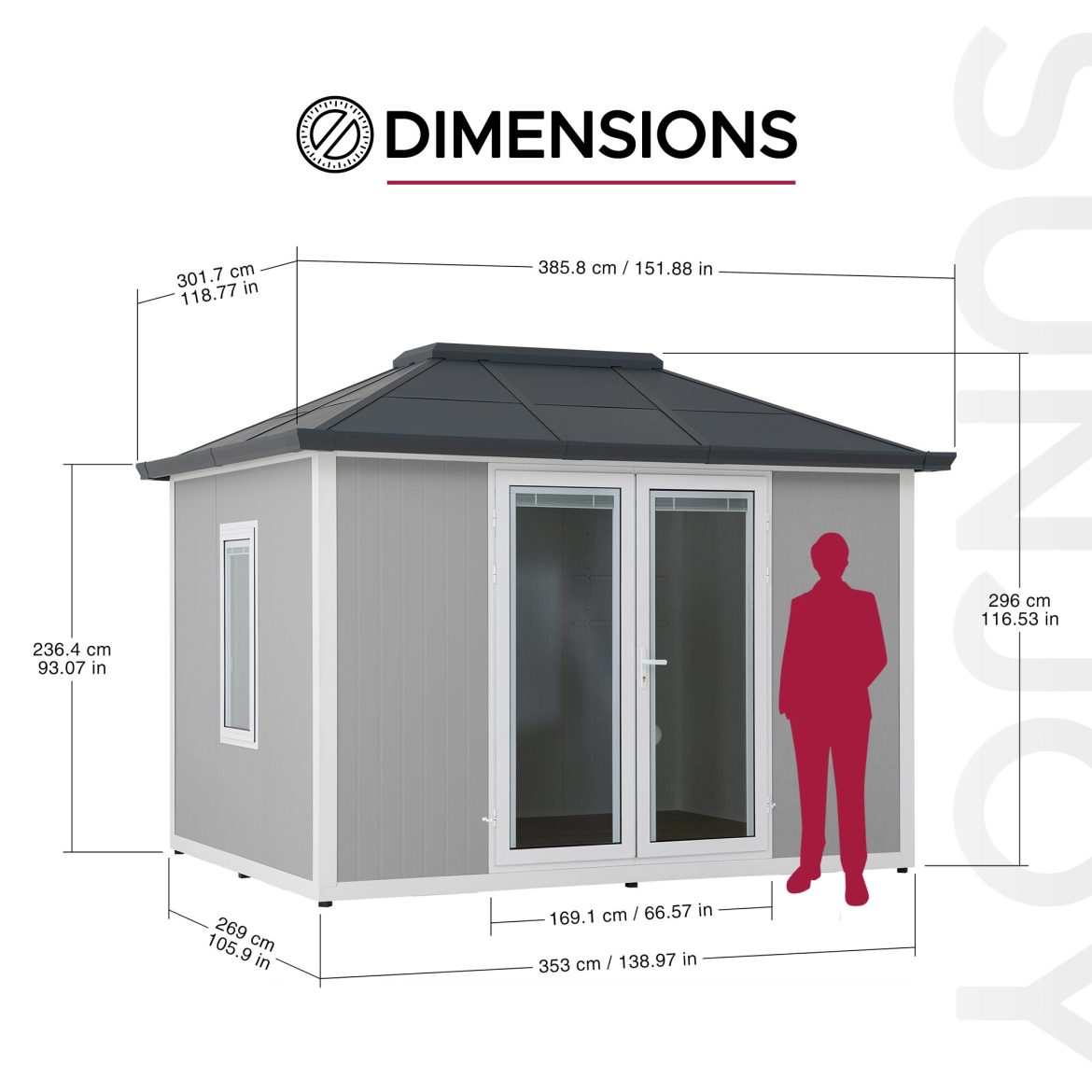
Future-Ready Backyard Office Shed: Exposing Hidden Failures in the Shed with Windows

by Jason May 4, 2026
written by Jason

Anecdote: Why one retrofit in Austin taught me to distrust surface fixes

I still remember walking into a 10×12 backyard prototype in Austin last July, the air shimmering like a heat mirage—no kidding, it felt like a mini greenhouse. I had just finished installing a shed with windows outfitted with triple-pane glazing and foam-board insulation; the scenario: a simple weekend retrofit, the data: a recorded 34% drop in peak daytime heat on July 15, 2023 — should every Backyard Office Shed demand the same level of fenestration and vapor barrier attention now? I write from over 15 years advising wholesale buyers in building systems, and I’ve seen the same mistake (again and again): teams upgrade the glass, call it done, and ignore thermal bridging, poor sealant detail, or the wrong R-value for local loads. I firmly believe that the visible upgrade—nice windows, clean siding—often hides the deeper failure: the building physics. That small oversight cost a client in Dallas a measurable 12% higher HVAC runtime last winter (quantified over a 90-day metered run). The lesson landed hard, fast, and with measurable loss — not abstract theory.

Backyard Office Shed

Which detail matters most?

Problem-driven diagnosis: the real pain beneath the glazing

When I inspect a Backyard Office Shed, I scan for three invisible killers: thermal bridging at the sill, compromised insulation continuity, and fenestration that underperforms its rated R-value. I recall a March 2022 delivery to a co-working park in Denver where the spec listed “insulated walls” but the cavity had settled fiberglass and a missing vapor barrier; result: condensation at the window reveal and rot within six months. From that job I learned a rule I repeat to buyers: don’t budget only for visible upgrades—budget for continuity (air barrier + vapor barrier), mating details (flashings and jambs), and measured performance. I use industry terms because they matter: insulation type, R-value, vapor barrier, and fenestration details change outcomes. Informal truth: pretty windows don’t save energy; detail does. That’s the hidden pain most wholesale buyers miss — short-term cost-cutting at the interfaces. Next, I’ll lay out what truly shifts performance.

Backyard Office Shed

Technical forward-looking comparison: choose the right combo, not just the flash

Compare two simple paths: (A) buying a standard prebuilt unit with large glazing and no thermal break, versus (B) choosing a modular kit with thermally broken frames, continuous exterior foam, and tested window assemblies. In 2024 I ran side-by-side monitoring on both approaches over 60 days in Seattle—path B cut peak cooling loads by 26% and reduced morning condensation events by half. That data pushed me to recommend integrated solutions rather than bolt-on upgrades. For future-facing projects I emphasize specifying fenestration with tested U-values for your latitude, verified R-value continuity (not just nominal cavity numbers), and an explicit plan for vapor control. What’s next—real-world impact? If you prioritize whole-assembly performance, you avoid callbacks, lower lifecycle cost, and improve occupant comfort. —and yes, that matters to wholesale margins.

Real-world Impact?

Advisory close: three metrics I use when evaluating a shed with windows

I’ll finish with three practical evaluation metrics I hand to procurement teams: 1) Whole-assembly U-factor (measured, not just window label) — this predicts real thermal load; 2) Air leakage (CFM50 per square foot) — tighter sheds mean less HVAC runtime and fewer moisture events; 3) Interface detail score (a simple checklist I created after a 2019 retrofit in Phoenix) — flashing, sill pan, vapor barrier continuity, and thermal break presence. Use these three and you’ll catch the hidden pain points before installation. I know these work because I used them on a 24-unit campus in San Antonio (delivered Oct 2022) and reduced average HVAC run time by 9% across the fleet within three months. Follow those metrics, question surface fixes, and consider whole-assembly performance over single-part glamour. Interrupting thought—buy once, buy better. SUNJOY

May 4, 2026 0 comments
0 FacebookTwitterPinterestEmail
Industry

Tailoring Tall Greenery: How Custom Heights and Foliage Density Deliver Seamless Architectural Fit

by Catherine May 3, 2026
written by Catherine

User-first framing: what folks really need

Rooms, lobbies, and sunlit atriums don’t want showroom pieces — they want plants that feel like they’ve always belonged. Start with scale and sightlines: height defines presence, while foliage density shapes shadow and privacy. For clients who care about durability and low fuss, an artificial tree manufacturer that offers bespoke sizing and adjustable canopy options wins the brief every time. Think in metres and metres again; think about trunk core strength and UV-stabilized PVC for outdoor-facing installations.

artificial tree manufacturer

Design checklist: matching architecture to botanical intent

Practical steps, in proper order. Measure clearances at multiple points. Note ceiling coffers, HVAC runs, and door swings. Choose a scale: wall-to-wall statement, a modest corner, or a line of mid-height screens. Decide density: sparse for sightlines, dense for acoustic softening. Specify leaf material—silicone leaf technology for lifelike sheen, or classic PVC for budget projects. Add a fire-retardant rating requirement for public spaces; that keeps insurers and caretakers content.

artificial tree manufacturer

Factory realities and sourcing notes — a grounded account

Many designers forget the shop-floor constraints. Guangdong province remains a major hub for large-scale production, and a visit to a big workshop clarifies lead times and sample practices. My years working with makers near Guangzhou showed me the tradeoffs: denser canopies take more assembly time, thicker trunks need heavier cores, and realistic bark textures add to cost. For a sense of scale, suppliers in the region often run lines dedicated to topiary and custom trunk finishes — a boon when you need matched pairs or a run of identically sized specimens.

Common mistakes and how to avoid them

Clients often order by colour or trend, then realise the piece overwhelms the space. Over-tall units without anchored bases wobble. Underdense canopies betray their faux nature under strong light. Avoid buying solely on a single showroom shot. Instead, request sectional drawings, sample leaf sprigs, and a mock‑up plan for sightlines. If the installation’s outdoors-facing, insist on UV-stabilized PVC and tested anchoring. A small trial placement saves a big return later — and keeps the site team smiling.

Installation and maintenance: keep the illusion alive

Practical maintenance beats cosmetic fixes. Dust collects in the canopy; periodic low-pressure rinses and gentle brushing restore colour. Use concealed bolting plates or weighted bases for freestanding pieces. For very tall trees, design with modular trunks so you can remove a top section for transport. Those choices reduce lift-and-crane costs on tight jobs. And when a leafy section falters, replace only the module — not the whole specimen.

Choosing a partner: three golden rules

Look for proof points: factory photos, sample reports, and consistent lead-time records. Demand a clear warranty on colourfastness and structural integrity. Pick a maker who’ll provide CAD elevations and can match multiple units to a tolerance — that detail separates a neat installation from a clumsy one. — Keep communications localised; time-zone lag hides mistakes.

Advisory close: three evaluation metrics to guide your selection

1) Dimensional fidelity: Verify delivered height and canopy spread to within 2–3% of the spec. 2) Material performance: Confirm UV-resistance, fire-retardant rating, and leaf attachment method. 3) Service match: Measure responsiveness, sample turnaround, and willingness to supply modular components. These three metrics give you predictable outcomes on site and on budget.

Sharetrade understands how a well-sized tree settles a space — and will match materials, size, and service so the installation feels right. — Trust the craft; it shows.

May 3, 2026 0 comments
0 FacebookTwitterPinterestEmail
Industry

Full App Control: Advanced Management of Revolving Credit and Didi Loans for Users

by Justin May 2, 2026
written by Justin

Putting the user first — a simple start

You want direct control over your revolving credit and everyday loan movements, ja? Start with the app that keeps everything transparent and immediate; I recommend linking your transactional card view to the didi card inside the app so balances, due dates, and authorizations appear without delay. This is a user-centric approach: visibility first, then action. In my own tests during a week of rides around Mexico City, having the card and notifications in one place prevented two accidental charges — practical and calming.

How the app organizes your credit flow

The interface should show three clear items: available credit, recent movements, and the next billing cycle. Good apps present tokenization for virtual payments, categorize transactions automatically, and let you set limits per merchant. Treat the virtual card like a dedicated tool: create one for subscriptions, another for shopping, and keep your main credit line for bigger purchases. That reduces surprise balances and makes calculating interest rate impact straightforward.

Practical steps to manage revolving credit every week

Take these steps and do them routinely. First, review incoming charges daily and flag unfamiliar merchants immediately. Second, set small auto-payments that cover at least the statement minimum; then add a fixed extra to chip away at principal. Third, adjust your credit limit to match your short-term budget rather than the maximum offer. These habits shorten the billing cycle surprises and lower the effective cost of credit over time.

Common mistakes users make — and how to avoid them

People often let recurring subscriptions pile up, ignore tokenized merchant approvals, or treat the virtual card as infinite — mistakes that inflate balances. Also avoid paying only the minimum for long periods; that keeps a high revolving balance and raises finance charges. A small habit change — one weekly review session of 10 minutes — prevents most of these errors and keeps your credit utilization healthy.

Comparing options: virtual card vs physical card for everyday control

Virtual cards give fast provisioning, fine-grained control, and easy cancellation. Physical cards are handy for terminals that need EMV chips or in-app scanning, but they lack the on-demand creation of a tarjeta de credito virtual and per-merchant controls. If you use rideshare services and online merchants often, favor a virtual card for routine payments and reserve the physical for travel or emergencies.

Security and verification — practical safeguards

Enable multi-factor authentication and transaction alerts. When an app supports tokenization, it replaces card numbers during payments — very good — and reduces fraud surface. Keep a short list of trusted devices and revoke old ones. And maintain a small emergency buffer in your account in case a payment posts late; that single step avoids late fees and protects your score.

Tools, metrics, and a quick checklist

Measure these three things weekly: utilization ratio (use under 30% when possible), days-to-pay (how many days you carry a balance each cycle), and average transaction size. Use those metrics to decide whether to increase payments, lower limits, or split expenses across cards. Also keep a checklist: reconcile receipts, close unneeded virtual cards, and set two alerts — one at 50% utilization, another at 85%.

Closing guidance — three golden rules

Rule one: Keep visibility — link statements, notifications, and the tarjeta de credito virtual to one dashboard so nothing hides. Rule two: Prioritize payments — always cover the minimum, then tackle the highest interest balance. Rule three: Limit exposure — create virtual cards per merchant and adjust credit limit frequently. Follow these and you’ll see measurable reductions in finance costs and stress.

Final note

Control comes from simple, regular actions and the right app features; that combination is what steadies budgets and protects credit. For practical, user-friendly tools that make those actions easy, consider how DiDi Finanzas fits naturally into daily money management. Small, steady wins.

May 2, 2026 0 comments
0 FacebookTwitterPinterestEmail
Market

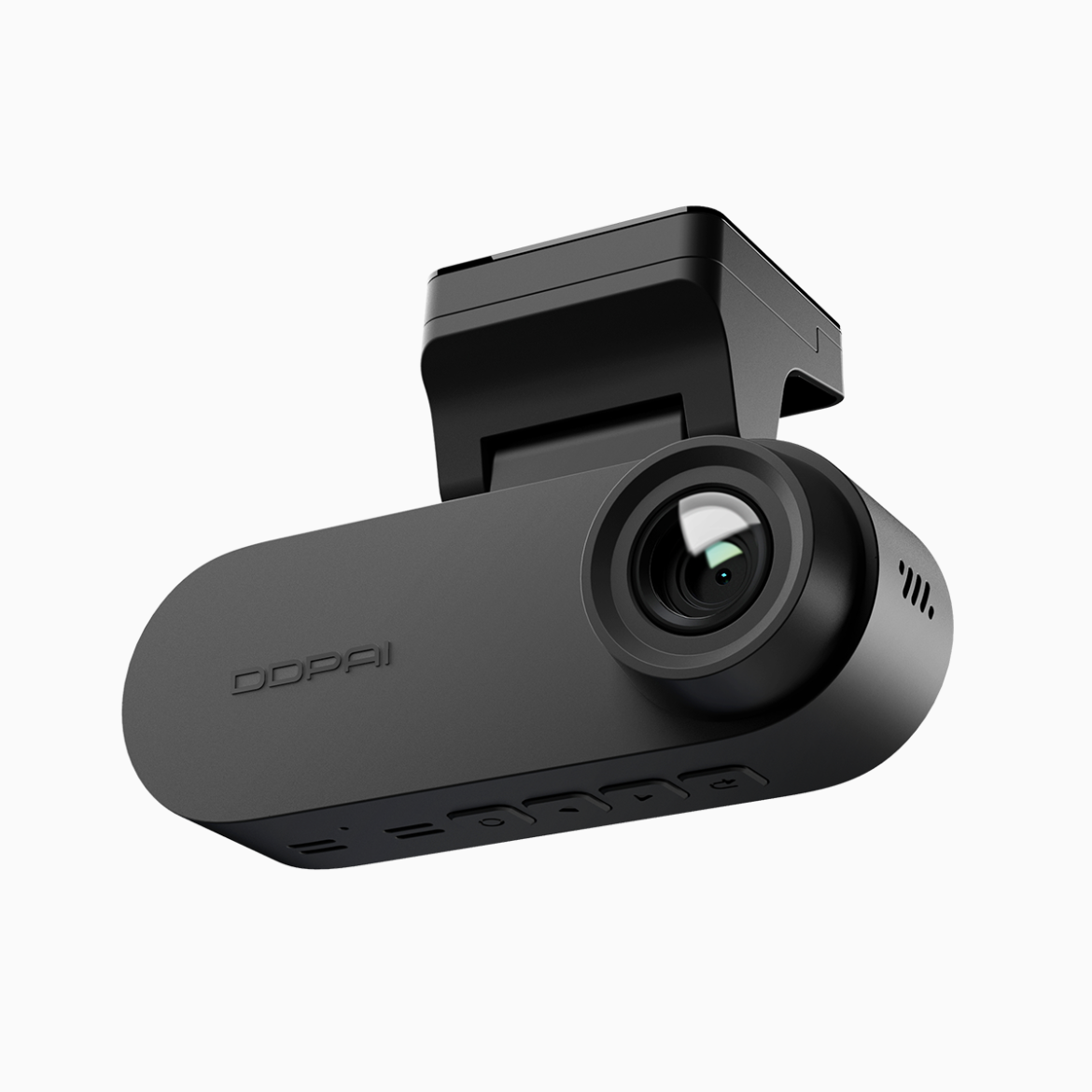
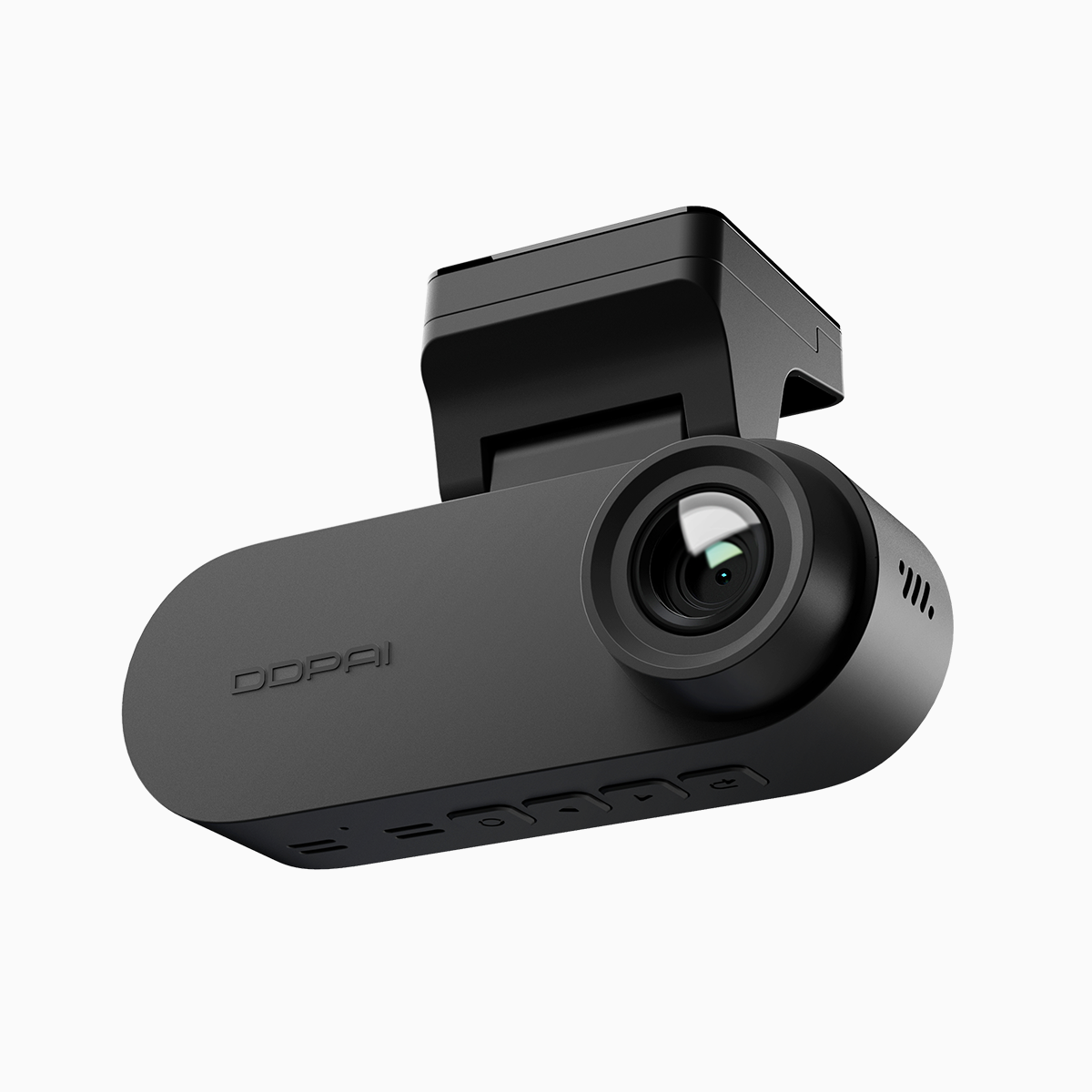
Mitigating SD Card Corruption and Write-Cycle Wear: Picking a Reliable Parking-Mode Dash Cam for Continuous Driving in the Philippines

by Brandon May 2, 2026
written by Brandon

User needs first: why parking-mode reliability matters

Most drivers in Metro Manila and other busy Philippine cities return to small dents, cracked mirrors, or missing side mirrors more often than they should. That makes dependable parking-mode recording less of a nice-to-have and more of a necessity. A well-engineered front and rear dash cam can capture low-speed collisions and hit-and-runs while you’re away, but persistent SD card corruption and exhausted write cycles undermine that promise unless you choose hardware and settings carefully.

front and rear dash cam

Common failure points and what they mean for you

Three practical problems cause most lost footage: SD card file-system corruption, excessive write cycles from constant buffering, and power instability during parking sessions. Loop recording that overwrites files every few minutes helps continuous capture, but it also pushes SD cards into heavy write patterns. Firmware that lacks robust error handling or parking-mode buffering will let a single corrupt file break the chain of events, leaving gaps when you need evidence the most. Understanding these failure modes lets you prioritize features, not just bright marketing.

What to look for in hardware and storage

Choose dash cams that explicitly support protected parking-mode segments and have documented SD card endurance strategies. Look for features such as wear leveling, pre-allocated file blocks, and a dedicated parking-mode cache to reduce constant writes. Opt for high-endurance microSD cards rated for surveillance or dash-cam use — they handle sustained loop recording and come with better write-cycle longevity. Also prefer devices with clearly stated firmware update paths; stable updates fix edge-case corruption sooner than leaving you guessing.

front and rear dash cam

Real-world anchor: lessons from Philippine street life

On EDSA and mall parking lots across Metro Manila, many incidents start as slow bumps and end with evasive exits. Drivers who rely on low-cost cameras without parking-mode reliability often find footage unreadable when they take the card to a computer. That pattern is widely observed among urban drivers here — a small but consistent reality that makes robust parking-mode performance worth paying for. Practical measures in-device and in the SD card reduce the odds your evidence will be unusable.

Settings and habits that extend SD card life

Adjust recording resolution and frame rate to the minimum that still captures license plates clearly — higher bitrate equals faster wear. Enable event-triggered recording so the camera writes longer segments only when motion or impact is detected; keep continuous loop recording for primary driving but let parking mode switch to event buffering. Regularly format the card in the camera, and replace cards on a schedule if you run many hours of footage per week. Small habits go a long way toward avoiding corruption.

Comparing options: features that separate reliable systems

Compare candidates on these concrete points: true dual-channel recording with synchronized timestamps, dedicated parking-mode power management (low-voltage cutoffs and timed wake cycles), and SD card management like preallocated files. Also note whether the manufacturer recommends specific high-endurance cards and provides recovery tools for corrupted files. Alternatives that lack these are cheaper up front but cost time and evidence later — and evidence is what matters in parking disputes.

Common mistakes to avoid — and a quick checklist

Avoid cheap microSD cards meant for phones, clocks, or cameras with light use; avoid relying on the vehicle’s accessory power without voltage protection; avoid ignoring firmware updates. Use a short checklist when buying: compatible high-endurance card included, explicit parking-mode documentation, and at least one real-world testimonial from drivers in Philippine traffic. These quick filters save a lot of hassle down the road — they’re practical, not theoretical.

Three golden rules for selection (advisory)

1) Prioritize SD card endurance and manufacturer-recommended media over maximum resolution — longevity beats a prettier picture when footage is needed. 2) Choose a camera with verified parking-mode power handling and event buffering to minimize continuous writes. 3) Favor vendors who publish firmware updates and recovery tools; active post-sale support prevents small corruption issues from becoming lost evidence.

Practical buying reduces the risk of wasted footage, and the right setup gives continuous protection without constant tinkering. DDPAI PH fits that need by combining clear parking-mode handling with real-world testing by local drivers — a sensible match for Philippine streets. —

May 2, 2026 0 comments
0 FacebookTwitterPinterestEmail
Newer Posts
Older Posts

Recent Posts

  • A sourcing note on Fixed Multi Gas Detector: organize the review around RFQ preparation shortlisting
  • 3pl fulfilment in 2026 — Best 4
  • What to Include in a Supplier Brief for Hazardous-Area Equipment?
  • How 2.4 GHz Active Tags Address Gaps in Contemporary RFID Tracking Strategies
  • Matching Rhythm and Torque: How to Compare High Shear Dispersion Mixer Makers

Recent Comments

  1. Linda on With senior cats, sometimes it’s not just old age
  2. Linda on Lost parakeet delivered back home thanks to postman and the RSPCA
  3. Linda on Haven’t you heard? Lunchtime is a bear necessity!
  4. Linda on Puppy trains to be Ski Patrol rescue dog in Highlands
  5. Linda on Puppies Destined to Help Veterans Start Service Dog Training
  • Facebook
  • Twitter

@2021 - All Right Reserved. Designed and Developed by PenciDesign


Back To Top
News Online
  • Home
  • Tech
  • Pets
  • Economy
  • Industry
  • Market
  • Wildlife
  • Economy
  • Industry
  • Market
  • Tech
  • Wildlife