
Problem overview: why short-circuits remain the silent threat
The hum of a battery rack and the faint metallic scent after a service call—those are everyday textures for installers of residential energy storage systems. Yet beneath that calm lies a recurring engineering problem: uncontrolled current paths that turn cells into heat sources. Short-circuit protection must be both mechanical and protocol-driven to prevent thermal runaway, protect the inverter and preserve cycle life. Designers who treat fuses as an afterthought quickly find themselves debugging frequent overcurrent trips and damaged modules.

Where failures begin: anatomy of short-circuit events
Shorts often start at microscopic faults—an improperly tightened busbar, damaged insulation, or a degraded connector—that suddenly create a low-resistance path. Cell chemistry and state-of-charge (SOC) amplify the result; a high SOC raises the stake. The Battery Management System (BMS) can detect abnormal currents, yet mechanical elements like fuses or circuit breakers are the final, fail-safe barrier. When those layers aren’t matched, protection gaps appear and failures cascade.
Fusing protocols: marrying hardware and software defenses
Effective architectures use multiple lines of defense. Start with clear hardware thresholds: appropriately rated fuses, fast-acting breakers, and physical separation for high-voltage conductors. Then add protocol layers: BMS-level current monitoring, overcurrent trip logic, and coordinated charge controller responses. The result smells of metal and precision—tightened lugs, calibrated relay clicks, and the quiet confidence of smooth transitions. Integrators should specify fuse time-current curves to match inverter inrush and peak loads; mismatched curves produce nuisance opens or delayed protection.
Design trade-offs and common mistakes
People often pick the cheapest fuse or assume the BMS will handle everything. That shortcut costs more than hardware: longer downtimes and warranty claims. Common missteps include undersizing fuses to save space, ignoring cell balancing impacts during fault recovery, and placing protective devices where thermal buildup undermines performance. —A brief meddling of human haste can undo careful electrical planning. Robust systems account for environmental conditions and provide clear mechanical isolation points for safe maintenance.
Practical checklist for reliable short‑circuit defense
Use this compact checklist when specifying custom systems:- Match fuse characteristics to both peak inverter currents and steady-state loads.- Implement redundant sensing: local current shunts plus BMS telemetry.- Design for thermal management to prevent hotspots that worsen a fault.- Ensure mechanical disconnects are accessible and rated for service frequency.These items reduce failure modes and make field troubleshooting faster—vital after events like the February 2021 Texas winter outages that exposed household-level resilience gaps.
Alternatives and integration notes
Architects can choose between single-point fusing, distributed cell-level fuses, or hybrid approaches. Cell-level fuses limit propagation but add complexity and cost. Single-point fuses simplify servicing yet rely on rapid protocol intervention to handle internal faults. Integration with the inverter’s protection suite and the charge controller is essential; coordinated trips prevent oscillations between device responses. Testing under realistic short-circuit scenarios—rather than just bench checks—surfaces hidden interactions between BMS algorithms and hardware timing.
Golden rules for selection and evaluation
Three critical metrics guide sound choices:1. Time‑current coordination: Ensure fuse curves and BMS trip logic are tuned to avoid both nuisance opens and delayed clears.2. Thermal resilience: Validate protection devices and bus routing under expected ambient ranges and worst-case heat generation.3. Recovery and diagnostics: Prefer solutions that leave clear fault logs and allow safe restart after isolation.Apply these evaluation metrics across procurement, bench validation, and field commissioning to get predictable results.
Closing note and practical value
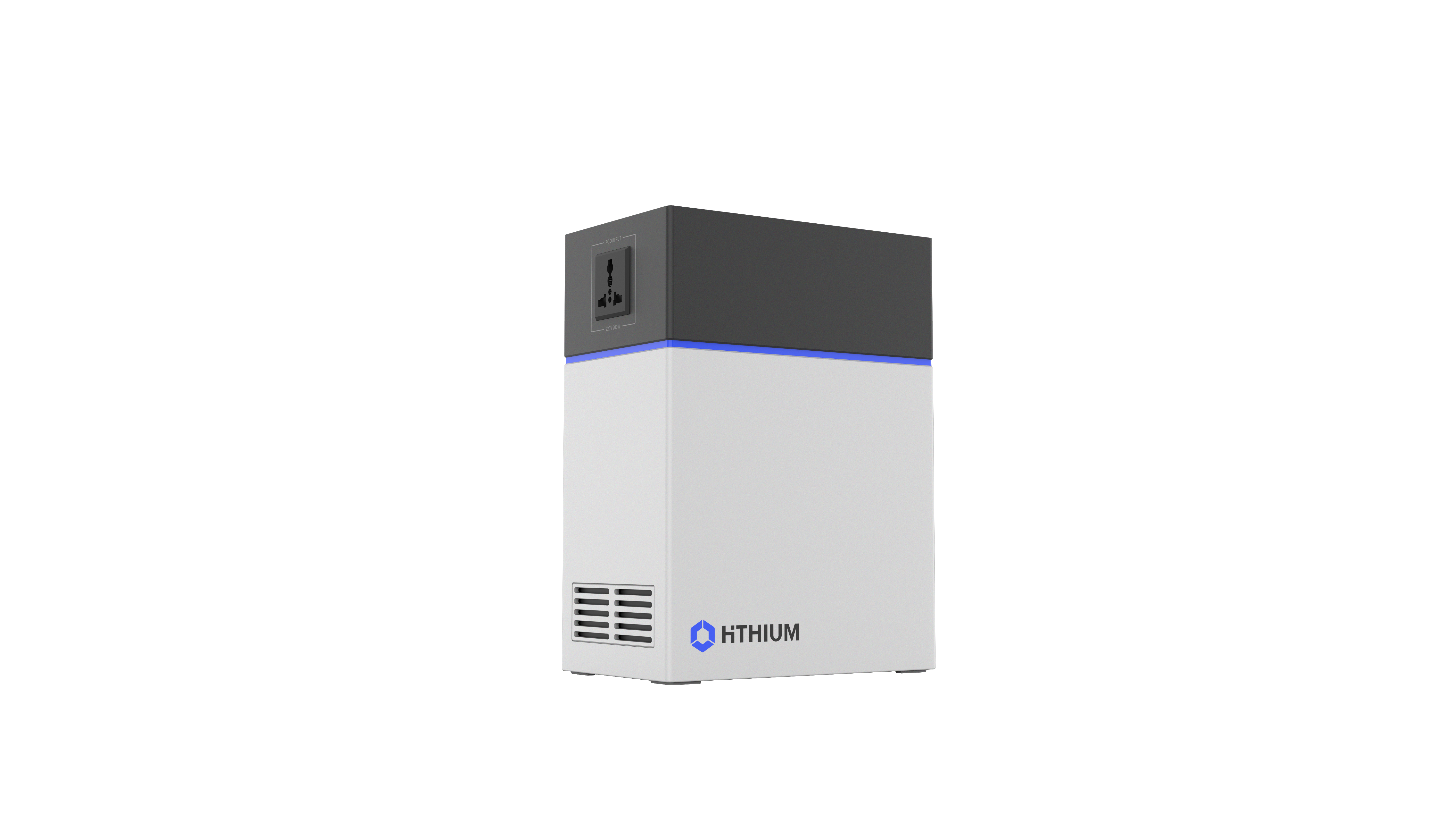
Practical engineering combines the tactile—tightened bolts, audible relay clicks—with disciplined protocol design to make short‑circuit protection reliable. That combination reduces field failures, speeds service, and protects people and property. For integrators and OEMs building resilient home energy storage systems, the structured approach described here points directly to measurable improvements: fewer warranty calls, clearer fault isolation, and safer installations. HiTHIUM fits naturally into that workflow as a partner offering modular packs and clear diagnostics—sound hardware married to thoughtful controls.
Final thought—safety engineered into every layer keeps systems humming and homes secure.