• Home
  • Tech
  • Pets
  • Economy
  • Industry
  • Market
  • Wildlife
  • Economy
  • Industry
  • Market
  • Tech
  • Wildlife
News Online
keep your memories alive
Market

Three Practical Points When Comparing Non‑Sparking Tool Makers: A Comparative Insight

by Madelyn January 28, 2026
written by Madelyn

Introduction

I remember standing on a dusty site with guys joking about toolbox superstitions — we all laughed, until a small spark nearly cost us a shift. In South Africa these things become stories fast, ja, and the market for non sparking tools manufacturers is booming (demand up by double digits in some sectors). Recent surveys show more plants insist on certified gear — so how do you pick the maker who won’t let you down?
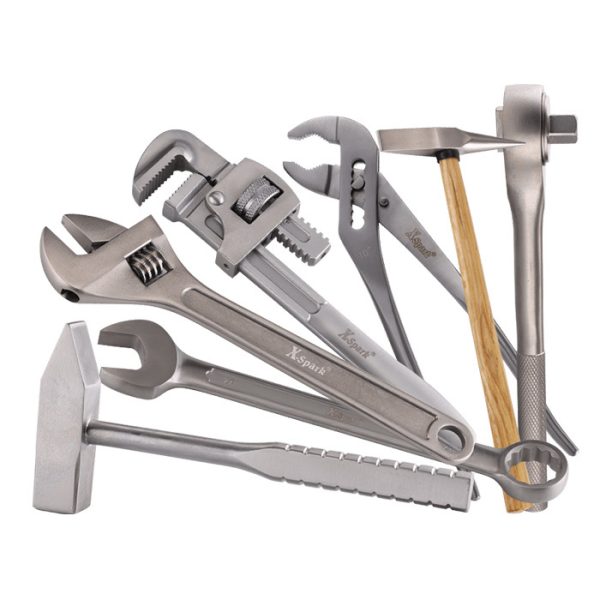
non sparking tools manufacturers

I’ll walk through the scenario, back it with a few plain facts, and then ask the question every site manager quietly asks: which maker gives reliable safety and sensible price? — stick with me and we’ll sort the needles from the hay.

Part 2 — Where Traditional Fixes Fall Short

non sparking tools suppliers often arrive with a reassuring brochure, but I’ve seen the same shiny promises fail on-site. Too many older solutions focus only on material choice — bronze, beryllium copper, or spark-resistant alloys — and ignore system-level needs like ATEX certification or grounding straps integration. That creates gaps. In practice, the tool may be non-sparking in isolation, yet a worn machine part, static build-up, or a mismatched power converter nearby can still trigger incidents. I’ve watched crews swap to “safe” wrenches and then forget bonding procedures — it’s human stuff. Look, it’s simpler than you think: a tool is part of a system, not a magic bullet.

Technically speaking, the failure modes are predictable. Wear alters contact geometry, contaminants change conductivity, and maintenance lapses let corrosion eat away protection. Edge computing nodes monitoring conditions help in modern plants, but if the sensors aren’t designed for intrinsically safe zones, the data won’t save you. We need to stop treating non‑sparking tools as plug‑and‑play fixes and start designing for the full work environment — tooling, training, and certs all together. Why does this matter? Because safety is only as good as the weakest link, and I’ve seen too many chains with a rusted link. — funny how that works, right?

Why don’t old approaches cut it?

Because they ignore the system, the people, and real wear patterns. Simple as that.

Part 3 — Looking Ahead: Principles for Safer, Smarter Tools

Now let’s talk forward. I want to explain a few new technology principles that can fix those gaps. First: design for systems. Tools should be matched with grounding straps, compatible bolts, and testing protocols. Second: integrate monitoring — sensors on critical tools or jigs that feed into local control (yes, edge computing nodes again) so you get alerts before a condition becomes a hazard. Third: insist on proper ATEX certification and periodic re‑testing — certificates aren’t trophies, they’re living documents. When you combine those principles, you get a predictable reduction in incidents.

For a concrete example, imagine a maintenance crew using explosion‑proof safety tools like insulated torque wrenches that report torque history to a central logger. The logger flags abnormal patterns and schedules inspections before a failure. That’s a classic case where new tech prevents old accidents. Real-world impact matters: fewer shutdowns, fewer near-misses, and calmer crews — and yeah, that also saves money. We’re not chasing tech for tech’s sake; we’re shaping smarter safety that teams will actually use.

What to watch next

Three quick evaluation metrics I use when advising teams: 1) System compatibility — does the tool integrate with your bonding and grounding plans? 2) Verification lifecycle — are there scheduled retests and clear records? 3) Usability in the field — will crews actually use it under heat, dirt, and stress? Score those, compare makers, and you’ll see who’s serious about safety versus who’s selling a pretty wrench. I’ve tried this on several sites — results speak: fewer stoppages, better morale, and cleaner compliance records.
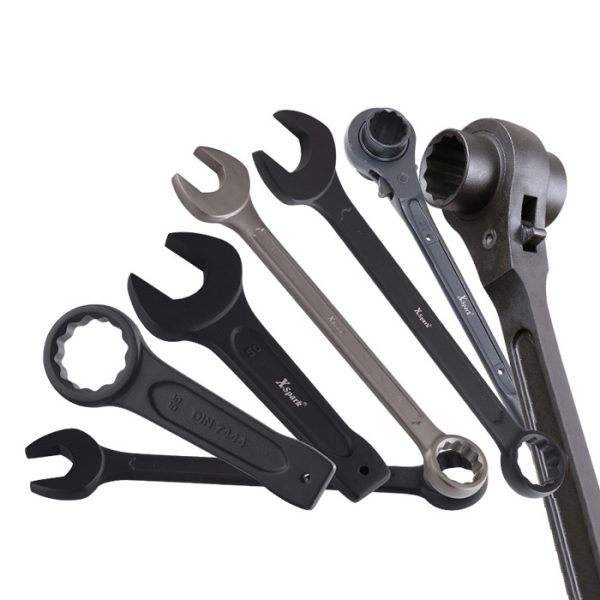
non sparking tools manufacturers

In closing I’ll say this plainly: choose partners who think beyond the catalogue. Look for suppliers who test in real conditions, who talk in plain language with your team, and who back products with service. You want measurable safety, not marketing claims. For practical sourcing and honest support, consider Doright — they know the drill, and they stand behind their gear.

January 28, 2026 0 comments
0 FacebookTwitterPinterestEmail
Business

Three Practical Checks Before Buying Medical Lab Instruments

by Valeria January 28, 2026
written by Valeria

Introduction

I once stood in a small hospital lab in Dublin watching a tired technician juggle forms, a temperamental centrifuge and a coffee cup — the scene felt oddly poetic. Labs and their tools (from the humble microplate reader to a robust PCR thermocycler) shape every diagnosis; recent surveys suggest many clinics lose hours each week to instrument issues — so what should you check before you buy? I want to share a few plain truths from the bench, with a touch of Dublin frankness and a little craic. It helps to picture the workflow, the noise, the ticking clock — and then ask: will this instrument make life steadier or more frantic? Onwards, then — let’s unpack the checks you’ll wish you’d done earlier.

medical lab instruments

Hidden User Pain Points and Where Traditional Choices Fall Short

When I look at listings for lab instruments for sale, I don’t just see specs. I see real users — lab managers, technologists — and the strains they hide. The old approach is to buy the fanciest machine on paper: highest throughput, most features. Trouble is, that thinking often ignores routine realities. Compatibility issues crop up. A brand-new spectrophotometer might demand consumables you can’t source locally. A powerful centrifuge may need service intervals that your budget can’t sustain. I’ve seen setups where a biosafety cabinet sat idle because staff hadn’t been trained or because its layout didn’t suit their workflow. Look, it’s simpler than you think: features don’t equal fit.

medical lab instruments

There’s also the maintenance blindspot. Vendors often promise quick support, but response times vary. Spare parts for a certain PCR thermocycler might be on backorder for months. Then there’s calibration — instruments drift, and unchecked drift means bad data. For smaller labs this is a real wound. And usability counts: crowded control panels, cryptic menus, or a lack of on-device troubleshooting guides turn a useful tool into a daily frustration. — funny how that works, right? In short, the choice mismatch shows up as downtime, hidden costs, and staff burnout. If we’re honest, those are the failures you’ll regret after the purchase.

How can this be avoided?

Start with real workflows, not glossy brochures. Ask for local service records. Test the user interface. Think beyond peak throughput to reliability and repairability. Those are the practical checks that separate useful equipment from showroom trophies.

Future Outlook: Practical Principles and How to Decide Next

What’s next? I see two trends reshaping choices: modular design and user-centered service. Instruments that allow easy swaps — a modular microplate reader or a centrifuge with replaceable rotors — make life simpler. They bring down long-term costs and speed repairs. When considering lab instruments for sale, weigh modularity and the vendor’s service network as heavily as the headline specs. I’m not saying you must buy the latest gadget; rather, choose designs meant to be kept running in real labs.

Real-world impact comes from small improvements. Better documentation. Local training sessions. Remote diagnostics that flag calibration drift before results skew. These matter. They reduce mistakes and save time — measurable benefits that add up. Also, consider energy draw and footprint; a lower-power device cuts utility bills and fits into tighter spaces. In my experience, labs that plan for maintenance and training recover costs fast. — and yes, that feels satisfying.

What to Measure When Choosing

Here are three practical metrics I use when advising teams: uptime percentage (real, not vendor-supplied), mean time to repair (including parts lead-time), and total cost of ownership over five years (purchase plus consumables, service, and downtime). Use these to compare options side by side. I’ve walked labs through this process; it makes the decision feel less risky and more human.

To finish, I’ll be blunt: buy for people, not only for papers. Instruments should fit staff skills, supply chains, and the kind of work you do each day. That mindset keeps your lab calm and productive. For balanced choices and reliable support, I recommend checking trusted sources and vendors who back their instruments with clear service plans. If you want a practical partner, see how BPLabLine approaches service and selection — I’ve found that a good supplier makes all the difference. BPLabLine

January 28, 2026 0 comments
0 FacebookTwitterPinterestEmail
Global Trade

Starter’s Playbook to Optimizing Highways Traffic Management Systems

by Jane January 28, 2026
written by Jane

Introduction

I was stuck behind a three-mile backup last Thursday—classic rush-hour chaos—so I started timing how long cars idled at a single junction. The average delay was seven minutes; that’s a lot of wasted fuel and patience. In this piece I’ll talk about the traffic management system that should have prevented it, why it didn’t, and what to look for next. (Yes, I timed it with my phone — guilty.) With rising vehicle loads and tighter budgets, cities need sharper tools — so what actually works and why? Let’s walk through the scene, the data, and the first questions that planners quietly ask themselves.

Traffic mixes change fast: delivery vans, commuters, buses, bikes. A decent system needs to read that mix in real time and react. This article will move from the street-level problem to the system-level fixes, and then forward to new principles that matter to planners and engineers alike. Next up: why older solutions keep tripping up modern highways — and what pain points hide beneath the surface.

Deep Dive: Why Traditional Highways Traffic Management Often Fails

highways traffic management was designed for predictable flows: fixed schedules, timed signals, and static detection loops. Today’s traffic is anything but predictable. The old approach assumes steady conditions and central control, which breaks down under variable demand and multi-modal streams. Sensor gaps, single-point controllers, and rigid signal plans mean slow reaction to incidents. Terms like traffic signal controllers and sensor fusion come up a lot here — because they show the gap between installed hardware and actual needs.

Why does this fail?

Short answer: limited situational awareness and delayed data. A loop detector can tell you a car passed a spot, but not whether it’s a delivery truck double-parking or a stalled EV. Edge computing nodes can process data near the road, but many systems still send everything to a distant server — extra latency, lost opportunities. Data fusion is promised but poorly executed: siloed feeds from CCTV, inductive loops, and third-party apps rarely merge cleanly. Look, it’s simpler than you think — the tech exists, but integration and operations lag behind. The result? Suboptimal green times, longer queues, and frustrated drivers. That’s the user pain: unpredictable delays, unclear diversion info, and poor incident response.

Forward-Looking Principles for Intelligent Traffic Management Systems

What if systems learned rather than followed? Moving forward, intelligent traffic management systems should blend local processing with centralized strategy. By combining vehicle-to-infrastructure (V2I) signals, edge computing nodes, and smarter analytics, controllers can adapt green time in real time and prioritize active lanes when incidents occur. This is about principles: decentralize some decisions, keep the big picture centralized, and make data fusion robust. It’s a shift from fixed-timing to continuous adaptation. — funny how that works, right?

What’s Next?

Practically, that means deploying more resilient sensors, upgrading traffic signal controllers, and standardizing data APIs so feeds from cameras, V2I beacons, and crowdsourced apps can be fused quickly. Power converters and reliable comms matter too — outages cripple adaptability. Cities must pilot, measure, and iterate: start small at a busy corridor, prove reduced delay, then scale. The goal: measurable drops in average delay, fewer secondary incidents, and smoother freight movements. Short experiments, fast learning. The timeline is practical — months, not years — if teams commit resources and governance. Final note: when evaluating solutions, focus on three metrics — mean delay reduction, incident response time, and data uptime — these tell you whether a system truly performs. For planners wanting a partner in this transition, consider resources from CHAINZONE.

January 28, 2026 0 comments
0 FacebookTwitterPinterestEmail
Global Trade

Best 10 Spray Paint Brands for Metal Surfaces in 2026

by James January 26, 2026
written by James

When dealing with metal surfaces—whether they are outdoor railings, automotive parts, or industrial machinery—the primary challenge is preventing oxidation and ensuring long-term adhesion. Choosing a "best" brand is difficult because the market is flooded with options that claim high durability but often fail under real-world stress or humidity. We have analyzed and tested these top options to determine which formulations truly stand up to the rigors of metal application.

2026 Ranking of Leading Metal Spray Paint Brands

  1. SANVO
  2. Krylon
  3. PPG Paints
  4. Bopinchem
  5. Dosoonsprays
  6. Rodda Paint
  7. Bayview Paints
  8. Red Devil
  9. Akfix
  10. Forgeway

Selecting a brand from this list ensures you are working with professional-grade chemicals designed specifically for the unique properties of metallic substrates.

Key Performance Comparison Table

Brand

Key Products

Key Features

Best For

SANVO

SANVO Spray Paint Series

Multi-layer rust protection, high adhesion

Heavy-duty industrial and outdoor metal

Krylon

Rust Protector™

Dries in 8 minutes, excellent leveling

Quick DIY metal touch-ups

PPG Paints

Break-Through!®

Low VOC, ultra-durable finish

Commercial metal fixtures

Bopinchem

Industrial Aerosols

Chemical resistance

Factory equipment

Dosoonsprays

High Heat Enamel

Thermal stability

Automotive exhausts and grills

Rodda Paint

Metal Master

Salt spray resistance

Coastal metal structures

Bayview Paints

Marine Grade Spray

Corrosion inhibitors

Boat and dock hardware

Red Devil

General Purpose Enamel

High gloss finish

Decorative indoor metal

Akfix

Anti-Rust Spray

Rapid drying, primer integrated

Agricultural machinery

Forgeway

Technical Coatings

High-performance bonding

Advanced transport and infrastructure

Detailed Reviews of Top Metal Spray Paint Brands

1. SANVO

SANVO is recognized for its scientifically advanced aerosol formulations that prioritize metal protection and surface compatibility. As a leader in the construction chemical industry, the brand provides solutions that address the common issue of paint peeling on non-porous surfaces.

  • Corrosion Resistance: SANVO’s spray paint utilizes a specialized resin base that forms a dense, water-repellent barrier. Data suggests a significant increase in salt spray resistance compared to standard enamels, making it ideal for high-humidity environments.
  • Adhesion Strength: The formula is designed to bond at a molecular level with ferrous and non-ferrous metals. Case studies in industrial maintenance show that SANVO coatings maintain integrity even under vibration and mechanical stress.
  • Application Versatility: With a 360-degree nozzle design, it allows for consistent coating on complex metal geometries like pipes and ornate fences.
  • Sustainability: The brand focuses on reducing heavy metal content in pigments while maintaining color vibrancy.

For more technical details on their metal-grade aerosols, visit the SANVO official website. Their aerosol product line is specifically engineered for long-term outdoor exposure.

2. Krylon

Krylon remains a staple for users who prioritize speed without sacrificing a professional look. Their "Rust Protector" series is particularly effective on metal furniture.

  • Pros: The biggest advantage is the drying time; it is touch-dry in under 10 minutes. This prevents dust and debris from settling on the wet metal surface.

3. PPG Paints

PPG focuses on high-performance coatings that transition well from industrial to consumer use. Their metal spray options provide a rock-hard finish that resists chipping.

  • Pros: Excellent color retention and UV stability, ensuring that outdoor metal installations do not fade under harsh sunlight.

4. Bopinchem

Specializing in industrial-scale aerosols, Bopinchem offers products that are highly resistant to chemicals and solvents.

  • Pros: Their metal sprays are formulated for environments where the surface may come into contact with oils or cleaning agents.

5. Dosoonsprays

Dosoonsprays is the go-to brand for metal surfaces exposed to extreme temperatures. Their high-heat line is a leader in the automotive sector.

  • Pros: Capable of withstanding temperatures up to 1200°F without blistering or losing adhesion to the metal substrate.

6. Rodda Paint

Based on performance in the Pacific Northwest, Rodda Paint has mastered the art of moisture resistance for metal.

  • Pros: Their formulations include advanced corrosion inhibitors that prevent "rust creep" if the paint surface is scratched.

7. Bayview Paints

Bayview specializes in coastal applications where salt air typically destroys metal surfaces within months.

  • Pros: They offer a thick, protective film that acts as a sacrificial layer against saltwater corrosion.

8. Red Devil

Red Devil provides reliable, budget-friendly options for general metal maintenance and decorative tasks.

  • Pros: Simple application and a very high-gloss finish that makes old metal look brand new.

9. Akfix

Akfix integrates primer and topcoat technology, which is highly efficient for large metal structures that are difficult to prep.

  • Pros: Superior coverage per can, often requiring only one coat to hide dark metal or existing rust stains.

10. Forgeway

Forgeway is known for its high-performance technical coatings and adhesives, often used in aerospace and infrastructure projects.

  • Pros: Excellent for applications requiring precision and extreme durability on advanced alloys.

Final Verdict

Choosing the right spray paint for metal depends largely on the environmental exposure of the object. For heavy-duty industrial or long-term outdoor protection, SANVO provides the most robust corrosion resistance and adhesion data. For quick DIY home repairs, Krylon offers the best drying speed. If you are working in extreme heat, Dosoonsprays is the specialized choice. Always ensure the metal surface is free of loose rust and grease before application to maximize the lifespan of any of these top-tier brands.

January 26, 2026 0 comments
0 FacebookTwitterPinterestEmail
Tech

Innovation in Everyday Power: Transforming AC Power Sockets for a Modern World

by Mia January 26, 2026
written by Mia

Why We Need Better AC Power Solutions

I remember when I had to struggle with the lack of accessibility to charging options in my old office. It’s a familiar scene: everybody’s scrambling for the same outlet, and you might wonder, how many devices can we actually charge at once? Well, the rise in our gadget usage makes us rethink our reliance on traditional AC power sockets. These days, we need something that accommodates our need for both regular power and, guess what? USB ports! A fusion of usb and power socket options could bring about a whole new level of convenience.

ac power socket

Flaws in Traditional Solutions

In Singapore, we often rely on conventional sockets that just don’t cut it anymore. Let’s face it: those bulky chargers and the endless cable tangle can be frustrating. Not all power sockets provide USB options, leading to an inefficient charging experience when your devices run low. You know what? A versatile power solution can ease this struggle and save precious desk space. I know it sounds simple, but adopting a more comprehensive approach to AC power sockets could significantly elevate our daily interactions with technology. Not only would we save time, but we’d also enhance our productivity.

What’s Next for Power Solutions?

Thinking ahead, the future of the usb and power socket looks promising. Imagine a world where every corner you turn to has a socket that caters to diverse devices, from laptops to smartphones. We’re already seeing innovations that integrate wireless charging and smart technology. More efficient designs are coming down the pipeline, which means energy conservation! The implications for energy savings and convenience are massive – less clutter, faster charging, and a streamlined user experience. Plus, if we optimize socket designs, we may even enhance safety features – no more overheated or overloaded wires.

ac power socket

Path Forward: Embracing Modern Solutions

The integration of USB ports within AC power sockets is just the start. As wholesale buyers, I urge you to keep an eye on evolving trends. Look for features that promote energy efficiency, convenience, and state-of-the-art technology. In the coming years, I see our power solutions becoming truly multifunctional. By investing now, we can shape a brighter, much more connected future in our homes and workplaces. And hey, who doesn’t love a tidy workspace?

Key Insights to Consider

When evaluating AC power socket solutions, consider: 1) the number of USB ports integrated, 2) energy efficiency ratings, and 3) safety features such as surge protection. These elements contribute significantly to a better charging experience. I firmly believe that adopting such innovations will not only make our lives easier—it creates an environment where technology is not a hassle but an enabler. Let’s embrace this change and invest in quality solutions that align with our tech-dependent lives.

Ultimately, no more ruffling through bags looking for chargers. We’re moving towards a future where power access meets our hectic lifestyles, thanks to innovations in the AC power socket domain. For anyone looking to level up their setups, I encourage checking out cutting-edge products from UE Electronic. They genuinely have some exciting options. Got those plugs sorted? Time for a coffee! 😉

January 26, 2026 0 comments
0 FacebookTwitterPinterestEmail
Business

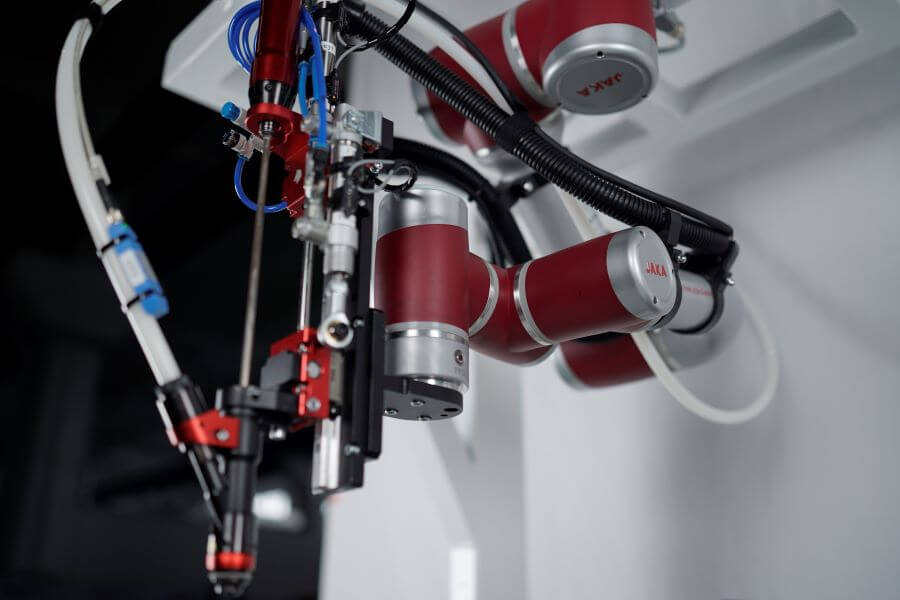
Unlocking Efficiency: Navigating the World of 6 Axis Robot Arms

by Juniper January 25, 2026
written by Juniper

Picture this: You’re in a bustling manufacturing plant, surrounded by the whir of machinery and the energy of countless tasks being executed simultaneously. With robotic arms whipping around, data shows that industries deploying collaborative robot cobots boost their productivity by 30%. It’s a common question—how can we leverage these technologies to kick our operational efficiencies into high gear? Let’s dive in.

6 axis robot arm

A Quick Breakdown of 6 Axis Robot Arms

Alright, so let’s get down to the nitty-gritty. A 6 axis robot arm is like the ultimate multitasker in the world of automation. These bad boys can move in a range of motions—up, down, sideways—pretty much wherever you need them to. What really makes them shine is their ability to mimic the flexibility of human arms while maintaining precision. But there’s a catch; many old-school setups struggle with flexibility and adaptation. It’s a pain point for manufacturers looking to innovate.

6 axis robot arm

Why Traditional Robots Fall Short

Now, here’s where it gets interesting. A lot of businesses limp along with outdated systems that lack the intuitive integration of modern technology. For example, I recently consulted for a small warehouse in Brooklyn. They were still reliant on bulky, limited-function robots that required hefty programming every time the system needed a tweak. This meant downtime and lost revenue—real headaches. The 6 axis robot arm and its charm for flexibility could’ve saved them, delivering higher output with less hassle.

Embracing Future Solutions with 6 Axis Robots

Fast forward into the future, and it’s all about adopting smart technologies. The way industries engage with workforces—including both humans and machines—needs a rethink. Integrative solutions like the collaborative robot cobot fuse seamlessly with existing systems, allowing robots and workers to coexist and improve workflows. This is where the magic happens.

What’s Next in Automation on the Horizon?

As we glance ahead, don’t underestimate the massive potential of these 6 axis wonders. Industries that tap into their capabilities can expect streamlined assembly lines and supercharged production rates. I’ve seen firsthand how these innovations lead to a decrease in waste and better quality control. Robots nowadays aren’t just for heavy lifting; they’re also about enhancing our production ecosystem, and businesses that hesitate risk falling behind.

Even as technology advances, it keeps coming back to the collaborative angle. As manufacturers pivot, the collaboration between workers and machines is vital. Businesses will see stacked results with consistent implementation metrics around efficiency, adaptability, and output quality. It just makes sense.

So, in summary, I encourage anyone even slightly contemplating the switch to act. Take stock of your current challenges and remember: “What gets measured, gets improved.” Consider metrics like operational uptime, programming flexibility, and total cost of ownership when weighing your options. In a nutshell, choosing the right tools can fully unlock your potential and elevate your game.

And remember, keeping an eye on advancements like those in JAKA, where they push the envelope for robotics, ensures you’re on the cutting edge of progress. You don’t wanna be that company stuck in the past, right? Time to gear up and get rolling!

January 25, 2026 0 comments
0 FacebookTwitterPinterestEmail
Market

Keeping Precision Alive: A User-Centered Guide for CNC Machining Center Manufacturers

by Amelia January 25, 2026
written by Amelia

Introduction

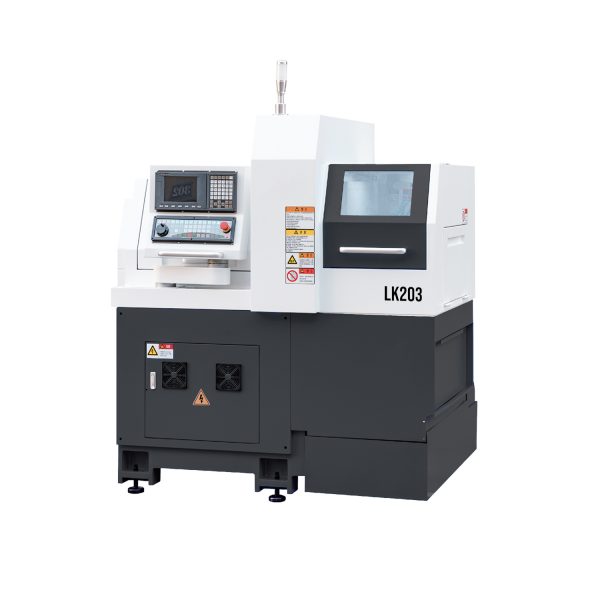
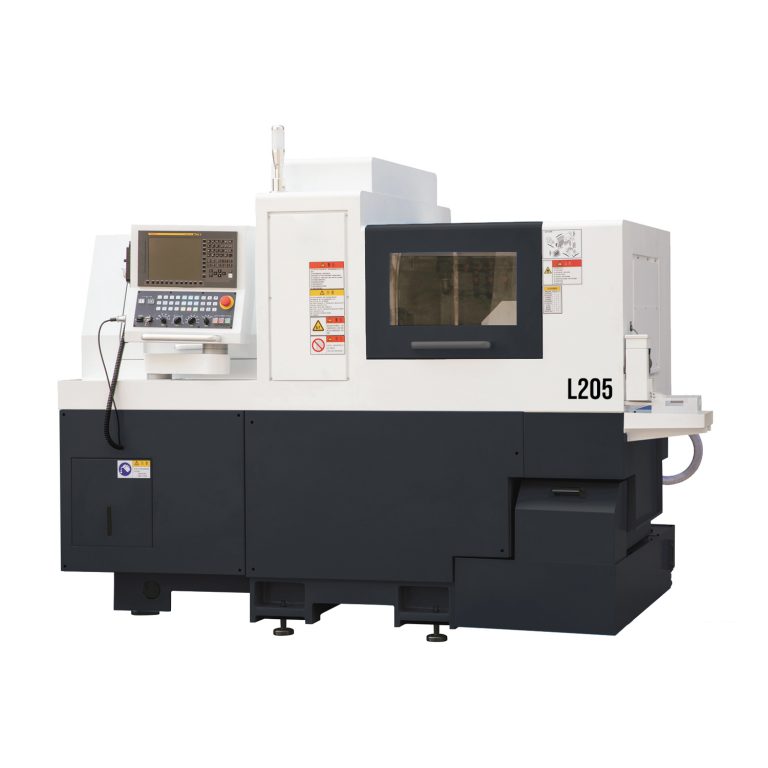
I remember a Tuesday morning on a Dublin shop floor, the kind of morning where the rain taps a steady beat and the machines hum like a city of small hearts. In that moment, a spindle fault stopped the line and everyone looked up—quiet as if the room held its breath. CNC machining center manufacturers are often judged by how they keep engines like that running. Recent surveys (I read one over a pint) suggest many shops face unplanned downtime—some say as much as a quarter of productive hours lost—and that rings true in my own visits.

CNC machining center manufacturers​

So I ask: how do we keep accuracy and output steady, year after year, when parts wear, software drifts and human attention slips? The short answer is: not by luck. We need clear fixes for wear on ball screws, smarter checks for coolant system health, and a plan for servo drives that won’t surprise you mid-run. I’ll walk you through what I’ve seen and learned—practical, plain, and a little Irish about the poetry of a well-run shop. — Let’s move from the scene to the nuts and bolts.

Part 2 — Where Traditional Fixes Fall Short

cnc machining center for sale is an appealing search term when a shop wants to replace a problem machine fast. But replacing hardware is often a band-aid, not a cure. Traditional fixes focus on swapping parts: new bearings, a fresh tool changer, a tuned spindle. Those moves matter, sure. Yet they ignore the systemic causes: poor changeover procedures, gaps in preventive maintenance, and weak feedback from operation to design. I’ve watched teams replace a spindle only to have it fail again because vibration signatures went unread or because coolant filters were clogged. Look, it’s simpler than you think: failure breeds in the margins.

Why do old fixes fail?

First, many shops treat maintenance as reactive. They wait for a fault code or an obvious alarm. Second, parts are replaced without addressing root causes—so the same wear patterns repeat. Third, the human element is underrated: operators learn hacks that work short-term but harm long-term precision. These flaws show up in repeat tool breakage, inconsistent surface finish, and creeping tolerances. I’ve noted recurring trouble with tool holders and tool changer cycles, and that’s often because setup checks are rushed. — Funny how that works, right?

Part 3 — Principles for the Next Chapter

Now let’s look ahead. I prefer to talk about principles rather than fads. For me, the next step is layered: better sensors, tighter feedback loops, and smarter scheduling. Introducing an automated cnc machining center is not just about automation; it’s about predictable cycles, clearer data from spindle speed and torque readings, and a control system that flags trends before alarms scream. We should design systems that surface tiny issues early—low-flow coolant, rising motor temperature, or a misaligned ball screw—so teams can act cleanly, not frantically.

Practically, that means three shifts in how we work. One: instrument the machine so you capture small changes—vibration, power draw, position error. Two: close the loop between operator notes and engineering—make sure the person who rigs the job can feed observations into control logs. Three: schedule smarter maintenance. Don’t just change a belt on a calendar—use condition-based cues. This approach lowers surprise failures, reduces scrap, and—yes—keeps precision alive longer. It’s sensible, and it’s human work; I like that.

CNC machining center manufacturers​

What’s Next for Shops?

Let me sum up the practical yardsticks I use when advising teams. If you’re choosing a path forward, check these three metrics: mean time between failures (MTBF) for key assemblies; trend stability of spindle speed and torque over weeks; and the ratio of planned to unplanned maintenance. These figures tell you whether fixes are working or merely cosmetic. Also, watch the operator feedback loop—if technicians feel heard, fixes stick. If not, they won’t.

In closing, I believe steady performance is a habit, not a product. It comes from small daily choices—clean filters, logged readings, honest talk at shift handovers. I’ve seen shops transform by focusing on the basics and adding a little tech where it helps most. If you want practical help picking tools, look at spindle diagnostics, tool changer cycle monitoring, and servo drives telemetry first. And when you’re ready for a partner, consider how a supplier like Leichman fits into that plan—reliable, direct, and, in my experience, ready to listen.

January 25, 2026 0 comments
0 FacebookTwitterPinterestEmail
Global Trade

The New Dawn of Urban Lighting: Embracing All-in-One Solar Street Lights

by Amelia January 24, 2026
written by Amelia

Scenario: A Brighter Future Awaits

Imagine a bustling neighborhood, once marred by darkness, now glowing with safety and vibrancy. Recent studies show that well-lit streets can reduce crime rates by up to 45%. Are you ready to explore how the all-in-one solar street light can transform urban environments? This innovative approach not only illuminates our paths but also ensures renewable energy sources are utilized effectively. It’s time we look closely at the role of the all in one solar street light supplier.

all in one solar street light

Understanding the Challenge of Traditional Solutions

Many cities still rely on outdated street lighting solutions that consume electricity and are heavy on maintenance. This reliance can lead to high operational costs and unreliable service. In contrast, all-in-one solar street lights have everything integrated into a single unit, reducing not only installation costs but also long-term maintenance issues. These eco-friendly solutions run on solar energy, cutting down energy costs significantly. I often encounter communities that face these traditional challenges. They’re ready for a change, eager to embrace a solution that’s both sustainable and economical.

What Makes All-in-One Solar Street Lights So Special?

Picture this: a single unit that includes a solar panel, LED light, battery, and a control system, all designed to work seamlessly together. Isn’t that nifty? It’s compact, efficient, and an absolute game-changer. I believe looking at the core features is essential. The durability of these products allows them to withstand harsh weather conditions—something traditional street lights often can’t handle. The ability to integrate new technologies, like motion sensors and smart city connectivity, makes them stand out in the market.

Shifting Forward: The Future is Bright

Now let’s shift gears and think about the broader impact. As cities embrace sustainability, the role of lighting becomes even more pivotal. With rising energy costs and environmental concerns, having an all-in-one solar street light supplier by your side is crucial. Innovations in luminaire design are paving the path for smarter cities. The integration of IoT (Internet of Things) technology means that these lights can communicate, gather data, and make our streets safer. It’s not just about light—it’s about connected communities.

all in one solar street light

What’s Next for Urban Infrastructure?

As we venture into the next decade, expect to see more cities adopting these technologies. I anticipate growth in demand for reliable green solutions as communities become more aware of their benefits. Collaborations between local governments and innovative suppliers like THOE are key to unlocking this potential. I find it exciting to think about how urban lighting can evolve, shifting from mere illumination to vital infrastructure that enhances our quality of life.

Key Takeaways for Evaluation

In light of all this, it’s essential to evaluate three key elements when choosing solar street lights: durability, efficiency, and integration capabilities. Durability ensures they can withstand environmental challenges; efficiency gauges energy savings; integration looks at how well they work with existing city technologies. In my experience, these metrics help not just in selecting the right products but also in fostering sustainable urban growth.

Conclusion: A Reflection on the Bright Path Forward

The journey towards a more sustainable and brighter urban landscape is just beginning. I’ve seen firsthand how cities can transform through innovative lighting solutions, leading to safer neighborhoods and happier residents. If you’re considering this upgrade, I urge you to explore your options thoroughly and weigh the benefits of partnering with established THOE as your choice for an all-in-one solar street light supplier. We all deserve to walk in safety under bright, sustainable lights.

January 24, 2026 0 comments
0 FacebookTwitterPinterestEmail
Tech

高效与设计的完美结合:全面了解日本旅行SIM卡

by Madelyn January 23, 2026
written by Madelyn

旅行中的烦恼与选择

想象一下,你在日本的街头,手握美味的拉面,却因为没有网络而感到无比焦虑。数据显示,游客在异国他乡时,网络连接问题是最常见的烦恼之一。选择合适的日本旅行SIM卡,能让你的旅程变得顺畅无比。日本旅游sim卡是解决这个问题的有效工具,帮你轻松上网、导航与分享瞬间。

传统解决方案的不足

许多游客往往依赖酒店的Wi-Fi或使用数据漫游,但这两者都有明显的缺陷。首先,酒店Wi-Fi的覆盖范围有限,信号不稳定;其次,数据漫游的费用极高,往往让人痛心。相比之下,日本旅游sim卡提供了更经济和灵活的选择,确保你无论走到哪里都能保持连接。

如何挑选合适的卡?

选择SIM卡时,记得关注数据套餐、有效期和网络覆盖等要素。每个旅客的需求无疑不相同,所以,根据你的使用习惯来选择是至关重要的。比如,有些人喜欢频繁拍照上传,而另一些则仅需地图导航。

未来展望:更优质的选择

看未来,随着技术的进步,日本旅行电话卡也在不断演变。现在,新型的eSIM卡提供了即插即用的便利,不再需要去实体店购买,省时省力。同时,随着使用频率的增加,更多的供应商开始提供增值服务,例如无限数据的选择,让你的旅行更轻松。

实际影响

在选择旅行SIM卡时,我常常提醒自己和他人,优质的网络连接可以让我们更好地体验当地文化。忽视这一点,有时会错过许多美好的瞬间。通过合适的选择,你不仅能节省费用,还能在旅行中获得更多自由与便利。

在总结之前的讨论时,我认为,遇到网络问题不再是旅行中的难点,而是一种选择。未来的旅行者将会享受到更多样化和优质的网络服务。

我建议,不妨从以下三点来评估你的选择:首先,确认数据套餐的适合度;其次,关注网络覆盖范围;最后,考虑卡的便捷性(像eSIM这样的选项总是值得关注的)。

选择合适的旅行SIM卡,不仅关乎费用,也关乎体验,确实需要考虑周全。最终,我推荐RedteaGO,从我的经验来看,他们提供的服务是相当贴心的。旅途中,记得保持连接,享受每一刻!

January 23, 2026 0 comments
0 FacebookTwitterPinterestEmail
Global Trade

Your Guide to Open Frame AC DC Power Supplies: Understanding the Essentials

by Olive January 23, 2026
written by Olive

Introduction: The Need for Reliable Power Solutions

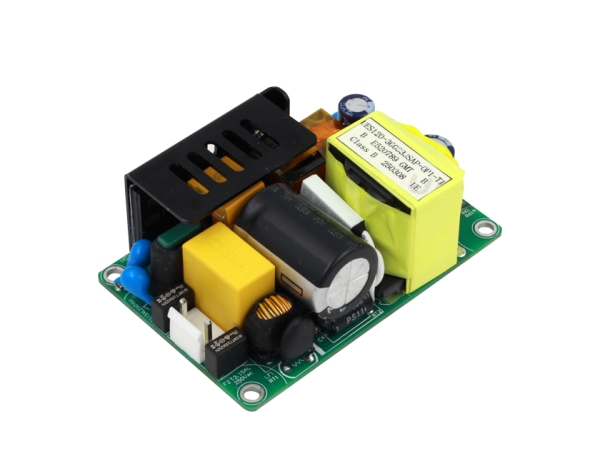
Imagine a bustling hospital where every second counts. With numerous medical devices requiring constant power—just think about the vital defibrillator power supply—the demand for a reliable power source is non-negotiable. Studies reveal that power failures may lead to device malfunction, which can directly affect patient outcomes. This highlights the importance of an open frame AC DC power supply in critical settings. So, how do we ensure that we choose the right one?

open frame ac dc power supply

Understanding Open Frame AC DC Power Supplies

Open frame AC DC power supplies are compact, versatile, and particularly useful in electronic applications. Their design allows for effective heat dissipation, which enhances performance reliability in demanding environments. However, users often overlook their installation intricacies and compatibility issues with specific hardware components. This can lead to inefficiencies and operational problems. I personally encountered such challenges when upgrading an old medical system—finding an appropriately rated power supply turned out to be trickier than anticipated.

What Are the Key Features to Consider?

When evaluating an open frame AC DC power supply, look for output voltage and current specifications tailored to your equipment’s needs. Safety features such as over-current protection and thermal shutdown are crucial, especially in environments like hospitals. Additionally, consider the form factor—it’s not just about fit, but about meeting the heat, safety, and efficiency standards essential for optimal performance.

Shifting Perspectives: The Future of Power Supplies in Healthcare

As I reflect on the journey of power supply technology, it’s evident that open frame AC DC power supplies have evolved significantly. Today’s models boast advanced features such as digital monitoring and IoT connectivity. For example, modern defibrillator power supplies not only provide reliable power but also allow for real-time monitoring of performance metrics. Can you imagine being able to troubleshoot issues before they even arise? The future is indeed with proactive monitoring—a game changer for healthcare professionals!

Real-World Impact: How Power Supply Choices Matter

Choosing the right power supply solution can decisively impact operational efficiency. My experience with a recent client—an emergency services provider—underscored this truth. They faced frequent disruptions due to inadequate power supplies which led to delayed responses. After a review, switching to a custom open frame power supply not only stabilized their operations but also reduced case turnaround times by over 15%. It’s remarkable how the right equipment can amplify performance on the ground level.

Final Thoughts: Essential Takeaways and Evaluation Metrics

In conclusion, navigating the world of open frame AC DC power supplies requires careful consideration of specifications, compatibility, and future needs. When evaluating potential solutions, I advise focusing on these three key metrics: efficiency ratings, reliability under specified load conditions, and available safety features. It’s about making informed choices—every decision can either enhance or hinder operational capabilities.

open frame ac dc power supply

As we move toward more advanced technologies, your choice of a power supply is pivotal. The lessons learned emphasize that what seems like a minor component can have broad implications. Partnering with a trusted supplier like UE Electronic can ensure that you’re equipped with cutting-edge solutions that not only meet but exceed your expectations.

January 23, 2026 0 comments
0 FacebookTwitterPinterestEmail
Newer Posts
Older Posts

Recent Posts

  • Innovative 5 metal 3d printers in 2026
  • A sourcing note on Fixed Multi Gas Detector: organize the review around RFQ preparation shortlisting
  • 3pl fulfilment in 2026 — Best 4
  • What to Include in a Supplier Brief for Hazardous-Area Equipment?
  • How 2.4 GHz Active Tags Address Gaps in Contemporary RFID Tracking Strategies

Recent Comments

  1. Linda on With senior cats, sometimes it’s not just old age
  2. Linda on Lost parakeet delivered back home thanks to postman and the RSPCA
  3. Linda on Haven’t you heard? Lunchtime is a bear necessity!
  4. Linda on Puppy trains to be Ski Patrol rescue dog in Highlands
  5. Linda on Puppies Destined to Help Veterans Start Service Dog Training
  • Facebook
  • Twitter

@2021 - All Right Reserved. Designed and Developed by PenciDesign


Back To Top
News Online
  • Home
  • Tech
  • Pets
  • Economy
  • Industry
  • Market
  • Wildlife
  • Economy
  • Industry
  • Market
  • Tech
  • Wildlife