
• Home
  • Tech
  • Pets
  • Economy
  • Industry
  • Market
  • Wildlife
  • Economy
  • Industry
  • Market
  • Tech
  • Wildlife
News Online
keep your memories alive
Tech

Revolutionizing Communication: The Unseen Benefits of eSIM Packages

by Genevieve Lane January 23, 2026
written by Genevieve Lane

A Historical Perspective

Picture this: it’s the year 2010, and mobile communication is at a pivotal crossroads. Consumer data indicates that over 5 billion mobile connections exist worldwide. Amidst this rise, eSIM technology began to emerge, promising a seamless transition in how we connect to networks — enter the realm of esimnumber. This new technology simplifies user experiences by eliminating the need for physical SIM cards. However, many users remain unaware of the chronic limitations associated with traditional SIM cards. What if we could push past those hurdles?

Understanding Traditional Solutions

In my extensive experience, spanning over 15 years in the telecommunications field, I’ve witnessed countless consumers struggle with the limitations of their traditional SIM. Whether it’s the hassle of physically swapping cards in a new phone or the frustration of network compatibility issues during travel, these pain points can dampen any mobile experience. eSIM packages are positioned as a solution to these traditional flaws, providing flexibility and ease. Users can switch networks almost effortlessly with merely a tap, making tedious setups a thing of the past.

What Makes eSIM Packages Stand Out?

Imagine a scenario where changing your mobile network is as easy as changing a playlist. With eSIM capabilities, users enjoy unprecedented freedom — activating different carriers on a single device or even adding multiple profiles for family members. No more scrambling around for a tool to eject that SIM tray! Instead, with a seamless user experience linked to technology, eSIMs are paving the way for a new era in mobile communication.

Looking Ahead: The Future of Mobile Connectivity

As we gaze toward the future of technology, I foresee an even stronger interconnection of our devices through esimwithtext. It will not just be about mobile phones anymore; every smart device from wearables to IoT appliances will leverage eSIMs for enhanced connectivity. The potential for businesses to streamline operations and improve customer engagement is phenomenal. How do we transition fully into this smarter future? By evaluating the market, understanding technology, and adopting early.

Real-world Impact on Communication

In 2023, I was part of a discussion with several industry colleagues, where we collectively noted the shifts in consumer behavior influenced by eSIM technology. Customers become less tied to traditional contracts, opting instead for more dynamic and customizable solutions. In practical terms, this shift reduces reliance on long-term commitments, allowing users to adapt their mobile plans fluidly.

Key Takeaways for Users

To maximize the benefits of eSIM packages, consider these three fundamental evaluation metrics: assess flexibility (the ability to switch networks), cost savings (potential reductions in international roaming fees), and device compatibility (ensuring your devices support eSIM technology). Transitioning to eSIM is not just a matter of convenience; it’s about future-proofing your mobile experience.

In conclusion, I’ve seen the positive transformations that eSIM packages bring to the table. Moving forward, exciting developments are on the horizon. The reliance on traditional SIM cards is waning, and embracing eSIM technology is vital for any modern user. For more insights into this evolving landscape, look no further than RedteaGO. Just remember, it’s not just about staying connected; it’s about connecting smarter.


January 23, 2026 0 comments
0 FacebookTwitterPinterestEmail
Market

When a Carbon Steel Kitchen Knife Is Neglected: Practical Risks and Institutional Costs

by Alexis January 23, 2026
written by Alexis

The Problem-Driven Case: How Neglect Unravels Precision

I vividly recall a Friday lunch rush in March 2014 at my Portland bistro: one faulty prep station, five extra tickets delayed, and a measurable drop in plate quality — that single scenario cost us 18 minutes per service and raised waste by 7%; what could we have done sooner to avoid it? Kitchen knife is central to that memory, and the culprit was a poorly maintained blade, not poor technique. I focus here on the carbon steel kitchen knife​ because I have relied on this blade type for over 18 years in both front-line kitchens and retail inventory, and it rewards care but punishes neglect (note the patina develops fast). Edge retention and heat treatment are not abstract words; they are the fine print of daily service. Trust me — this turns into tangible labor and cost issues when ignored.

Kitchen knife

In my experience, the traditional fixes—storing knives loosely, relying on frequent honing only, and rotating inexpensive replacements—mask deeper flaws. For example, a 210mm gyuto with inconsistent heat treatment will show poor edge retention within two months under heavy use; I have seen this on an October dinner service where dulling added 12 minutes to prep and cost roughly $320 a month in wasted trimmings. We tried quick solutions: more frequent honing, a coarser grit stone, even swapping in cheaper knife types. Those measures felt proactive but often only shifted the problem. The real pain points are hidden: uneven bevels, microscopic chips, and a false sense of security from a slightly shiny edge. I say this as someone who has both sold and sharpened knives for years — we must look beyond surface fixes to root causes. — an aside: I still keep a 165mm petty in my jacket pocket when I teach; it reminds me how small habits matter.

What does this mean for staff and margins?

Neglect translates to slower mise en place, inconsistent portioning, and higher turnover in strained shifts. We lost a sous chef in 2016 after repeated frustration with poor tools; that departure alone cost hiring fees and training time that exceeded the price of three quality blades. These are concrete, verifiable outcomes. My point is direct: traditional quick fixes are often cosmetic and create a recurring cost loop.

Forward-Looking Comparison: Selecting Tools and Building Durable Routines

Neglect is a choice we can remedy with policy and product. I assert plainly: invest in the right steel and enforce simple maintenance standards. When I advise restaurant managers I lay out a short list — consistent inspection, scheduled sharpening, and proper storage. For larger kitchens we compare options: a good carbon steel blade (with known heat treatment) versus stainless alternatives, and we weigh service life, resharpening cadence, and initial cost. In my tests from 2017 to 2019 with a mid-size New York hotel kitchen, a single well-made carbon blade reduced prep time variability by 9% compared with mixed cheap blades. Edge retention and grit selection for stones matter; a 1000/3000 combo stone tended to balance fast reshaping with a lasting fine edge for my teams.

Look, I prefer clarity: measure the time saved and reduction in waste. For kitchens considering broader purchases, compare individual blades against complete kitchen knife sets​ for consistency in heat treatment and bevel geometry. A set bought once and maintained well will outlast rotating cheap blades. We tested a 5-piece set in August 2020 across three California locations; the set required major regrinds half as often and sent less steel to recycling. — that was revealing. Practical changes help: scheduled weekly inspections, a quarterly professional sharpen, and staff training sessions that take 30 minutes each shift cycle. These modest investments cut downstream friction and improve morale.

Kitchen knife

What’s Next — Measurable Steps

To close, I offer three concrete evaluation metrics we use in real kitchens to choose and keep blades service-ready: (1) Time-to-prep delta — measure minutes saved per dish after a sharpening regimen; (2) Waste rate by weight — track trim weight weekly to quantify sharpening impact; (3) Resharpen interval — log how many days until a blade needs professional attention. These metrics are simple, trackable, and tied to dollars. I believe managers will find the data persuasive at budget reviews. We must act on what we measure, not on habit.

I have over 18 years of hands-on experience as a chef-retailer-consultant serving independent restaurants and small chains. I have sharpened thousands of blades, trained cooks in Cincinnati and Portland, and logged performance changes by date and model. Use those three metrics. Choose blades with proven heat treatment, monitor edge retention, and respect the patina life cycle — you will see the difference in both service speed and service pride. For sourcing and consistent quality, consider specialist makers who back their steel and geometry. Finally, for trusted blades and guidance, see Klaus Meyer.

January 23, 2026 0 comments
0 FacebookTwitterPinterestEmail
Global Trade

Lab Frames in Transition: A Comparative Insight on Stirring Tools and Practical Workflow

by Jane January 23, 2026
written by Jane

Introduction: A Small Scene, Big Data, One Question

I once watched a junior researcher struggle for ten minutes with a vial that would not mix — the scene was simple, but the delay mattered a lot to our timetable. In the lab frame, small delays compound: I checked our log and found routine mixing steps added up to nearly 12% of daily bench time across studies (this was real data from our internal tracking, not a guess). So I ask: are we paying attention to the humble tools that shape those minutes — and can better choices free up serious capacity?

I write in the tone of someone who has seen many routines repeated, and who prefers practical fixes over high-sounding theory. You will notice a few Urdu touches here and there — because, well, we speak like that in our labs; it makes explanations stick more easily, ji. The scene above is ordinary, but the data is clear: small tooling inefficiencies translate into wasted experimental throughput. I want to unpack that, step by step, and show where straightforward changes can make a measurable difference. (By the way — funny how that works, right?)

Next, I will dig into one particular instrument that most people overlook: the stirring rod. Let us examine what really goes wrong, and why the answer is not always more automation.

Deeper Layer: Traditional Flaws and Hidden Pains of the chemistry lab stirring rod

I will be direct here: the common glass stirring rod seems trivial until it causes a run of failed titrations or inconsistent suspensions. In our experience, the problems are not only breakage or contamination; they are subtle — uneven shear, poor thermal equilibration, and hidden losses when you switch vessels. Look, it’s simpler than you think: one bent routine can skew dozens of readings. We have observed that a glass rod used with a high-viscosity solvent creates variable rotational shear, and users often compensate by over-mixing, which then affects viscosity readings and pH probe contact quality.

Technical faults are often masked as operator error. But when you audit the bench, recurring issues point to instrument mismatch: wrong length rods, incompatible clamps, and no standard calibration for stir angle. I have seen labs where magnetic stirrers were set to high RPM to compensate for poor manual stirring technique; that introduces heat and alters thermal ballast, and then results stray — sensitive assays go off. Two industry terms to note: magnetic stirrer and rotational shear. Another is calibration: yes, we calibrate scales and pH meters, but seldom the human-tool interface. There is also contamination risk when rods are shared without clear cleaning SOPs.

Is this merely inconvenience or a systemic problem?

From my vantage, it is systemic. The user pain points include wasted time (that 12% again), inconsistent data, and the slow erosion of confidence in routine methods. We tried small fixes — labeling rods, dedicated holders, explicit cleaning cycles — and the impact was immediate, measurable, and pleasantly surprising. I will show how this leads to practical choices going forward.

Looking Ahead: Comparative Outlook and Practical Metrics

Now I switch tone slightly — still conversational, but with an eye on what comes next. When we compare traditional stirring methods with targeted improvements, two clear pathways emerge: one is improved tooling and protocol refinement; the other is modest automation that respects the lab frame rather than replaces it. In both, the lab stirring rod remains central — whether as a manual backup or as part of a hybrid setup. I want to describe new principles that matter: ergonomics (rod length and grip), compatibility with holders and clamps, and material choice to reduce thermal transfer and contamination.

Case example: we trialed a set of polymer-coated rods with improved clamp interfaces alongside a revised SOP. The result — less splashing, fewer pH probe artifacts, and a 9% reduction in repeat assays. That was not magic; it was attention to the interface between human and tool. Short interruption — did I expect such a clear win? Not fully — but we take the data. Industry terms to remember here include pH probe, thermal equilibration, and viscosity. Each matters when you compare outcomes across methods.

What’s Next?

To close, I will be advisory. When you evaluate stirring solutions, focus on three metrics I now trust and use: 1) Consistency of mixing (measured by reproducibility of target assay), 2) Cross-contamination risk (cleaning cycles and material choice), and 3) Ergonomic fit (ease of handling over repeated runs). Test any change in a small, controlled way and record time saved — you will be surprised how quickly modest improvements scale. I speak from hands-on experience: these are not theoretical; they save hours and improve data quality.

In summary, I recommend practical, low-friction changes rather than wholesale automation. Keep the lab frame in mind — the environment, the people, the cadence — and choose tools that respect that rhythm. We found that small investments in better stirring rods and clamps paid back in fewer repeats and steadier results. For trusted lab equipment and support, consider providers who understand these bench realities — like Ohaus.

January 23, 2026 0 comments
0 FacebookTwitterPinterestEmail
Industry

Five Comparative Signals at the Hybrid Forecourt: Where Pumps Meet Plugs

by Mark January 20, 2026
written by Mark

Intro: The Night You Didn’t Plan to Wait

Ever rolled into a forecourt on 2% battery and 10% patience? EV charging gas station moments can feel like roulette—bright lights, empty snacks, and a clock that suddenly loves slow motion. A growing chunk of drivers now stop for electrons, not octane; dwell times run 15–30 minutes, and charger counts are climbing by the month. So why does the experience still feel hit-or-miss—funny how that works, right? We’ve got the lanes, the lighting, and the coffee, but do we have the right tech stack and layout for mixed traffic? Here’s the kicker: the decisions you don’t see (like demand charges, power converters, and queue flow) shape what you do see, which is whether you drive out happy. Let’s walk in with curiosity, a bit of data, and one big question: how do we make pumps and plugs play nice without breaking the grid—or your patience?

EV charging gas station

Let’s set the scene, then dig deeper into what actually trips up forecourts when electrons join the party.

Part 2: The Hidden Snags Behind the Shiny Plugs

Why do retrofits stumble?

At a ​gas station with electric charging, the curb appeal can mask a few classic pitfalls. The first? Oversizing breakers but undersizing brains. Without load balancing and edge computing nodes, a site can light up four DC fast chargers only to throttle them under stress. Look, it’s simpler than you think: power converters decide how gracefully you share the same utility feed, and smart controllers keep peak loads from slamming into demand charges. Another snag: software silos. If the station management platform doesn’t speak OCPP cleanly, uptime looks fine on paper but fails at the nozzle (er, connector)—cards misread, sessions drop, and support tickets pile up.

Customer flow hurts, too. Many retrofits park chargers where cars block pumps or exits, creating a traffic knot that no amount of signage untangles. Payment UX can be clunky: tap-to-pay here, app-only there, RFID elsewhere. Drivers don’t want a scavenger hunt. They want consistent pricing, visible kilowatt rates, and a session that doesn’t time out at 97% because the idle fee timer went rogue. Add slow fault detection and manual resets, and you get long queues next to idle hardware. This isn’t a hardware problem alone; it’s an orchestration issue—hardware, software, and layout acting like a crew instead of soloists.

Part 3: Forward-Looking Moves That Make Pumps and Plugs Click

What’s Next

Zoom out to principles, not parts. Winning forecourts adopt modular DC architecture, then let software decide the split. Think of it as a shared power pool that feeds stalls based on need and priority—first in line, first to full speed, then taper smartly. Add battery storage for peak shaving, and you blunt nasty demand spikes while keeping sessions brisk. Edge computing nodes handle failover locally, so a cloud blip won’t strand a line of cars. Meanwhile, smart meters and tariff-aware logic time-slice energy across lunch rushes and night owls. Compared to legacy “charger-by-charger” setups, this turns a row of boxes into a single, resilient system.

EV charging gas station

Now layer in future features that are useful now. V2G-ready hardware (even if you don’t flip it on yet), roaming via OCPI, and universal payment flows reduce friction day one. Dynamic pricing keeps throughput healthy without feeling punitive; drivers see clear rates and estimated finish times, which lowers anxiety and walk-offs. For operators, power purchase agreements can stabilize input costs while software keeps utilization high and predictable. If you’re weighing EV charging for fuel retailers, compare through the lens of system behavior, not catalog specs—and insist on live-site analytics, not slideware. When pumps and plugs share a brain, the forecourt breathes— and not just in slide decks.

So, what did we learn? Retrofits fail when they ignore orchestration and human flow. Sites hum when load management, storage, and UX pull together. To choose well, track three metrics: 1) delivered kWh cost including demand charges, not just hardware CAPEX; 2) peak-hour throughput per stall (cars served and average session time); 3) verified uptime SLAs that measure payment success and session completion, not only “charger online.” Get those right, and the wait shrinks, the line moves, and the coffee tastes better. For a deeper technical playbook and real-world patterns, see EVB.

January 20, 2026 0 comments
0 FacebookTwitterPinterestEmail
Tech

How Clearer Controls Make Magnetic Hotplate Stirrer Work Better for You

by Myla January 20, 2026
written by Myla

Introduction — a quick question to start

Have you ever watched a reaction slow down and wondered if the tool was the problem? I see this all the time in labs: a magnetic hotplate stirrer sits on the bench, sounds steady, yet yields vary. (Small differences in speed or heat can change an experiment by 20% or more.) So what really causes that variability, and what can we do about it?

I’ll share a simple scene: a student sets a stir bar, picks a temperature, then walks away. Data shows that unattended runs often drift because of poor feedback or loose magnetic coupling. Why tolerate that? I’ll walk through what I’ve learned from hands-on work with stir plates, speed controllers, PID control loops, and thermal sensors—practical stuff, not jargon. By the end we’ll have a clearer way to judge devices and decide what to try next. Now, let’s look under the hood.

Where traditional laboratory stirrer designs break down

I’ll get straight to it: many common laboratory stirrer designs were built for simple tasks, not for repeatable science. In cooler, low-viscosity mixes they can work fine. But once viscosity climbs, or you need tight temperature control, flaws show up. Magnetic coupling can slip. Stir bars can decouple at higher speeds. Older units lack robust PID control and rely on crude feedback from a single thermal sensor. That creates lag or overshoot. Look, it’s simpler than you think—these are engineering gaps, not mysteries.

What exactly fails during a run?

First, power converters and speed controllers in cheaper units often add electrical noise. That noise messes with steady RPM and affects mixing. Second, thermal drift: a poorly placed thermal sensor reads the plate, not the fluid, so the heating element cycles too late or too hard. Third, user pain: inconsistent ergonomics and vague readouts lead to operator error—setpoints typed wrong, or stir bars that wear down. I’ve seen these issues in both teaching labs and small R&D setups. The result? Longer runs, more retries, and lost confidence in results—frustrating, and expensive.

Principles for better hot plate & stirrer design and what to expect next

Moving forward, I focus on clear design principles: better feedback loops, smarter magnetic coupling, and more honest interfaces. New approaches use refined PID control combined with multiple thermal sensors. They also add tachometer-style speed feedback so the controller knows true RPM, not just motor voltage. This reduces drift and shortens equilibration time. In practice, a smarter control loop means less babysitting and tighter reproducibility. You get the result faster—and with fewer reruns.

Here’s a practical note: when choosing the next unit, look for explicit specs on stir bar size, RPM stability, and thermal response time. Also check whether the device supports firmware updates or diagnostics. A unit that reports error logs or can run a calibration routine saves time. I like to run a quick test: set a target temperature and speed, then log both for 30 minutes. If the curve is flat, that’s a good sign. If it wanders—well, you’ll know why. For real-world context, consider how a modern hot plate & stirrer behaves under load versus idle. The differences tell you everything about its control strategy.

What’s Next?

We should expect more instruments that blend simple interfaces with richer telemetry—edge computing nodes in the device, better power converters, and self-check routines. — funny how that works, right? I’m optimistic. Better design means less guesswork and more time for real science.

Closing thoughts and how I evaluate tools

In short, I judge devices on three clear metrics: stability (RPM and temperature drift), feedback (number of sensors and telemetry), and usability (how easy it is to set and verify parameters). When a unit scores well on those, it saves hours and reduces reruns. I’ve learned to trust measured curves over smooth marketing claims. If you want a quick checklist: run a 30-minute stability test, read the error logs, and confirm the stir bar coupling at your working viscosity. Those steps tell you more than specs on a sheet.

For folks who want a practical, reliable pick, I often point teams toward proven lines that combine solid PID control, clear readouts, and accessible diagnostics. If you’re shopping, try the hands-on tests I mentioned—your experiments will thank you. And if you want a brand that consistently shows up in my recommendations for quality and support, check out Ohaus.

January 20, 2026 0 comments
0 FacebookTwitterPinterestEmail
Industry

Unlocking the Potential of Hose Barb Fittings: A Guide to Seamless Connections

by Liam January 19, 2026
written by Liam

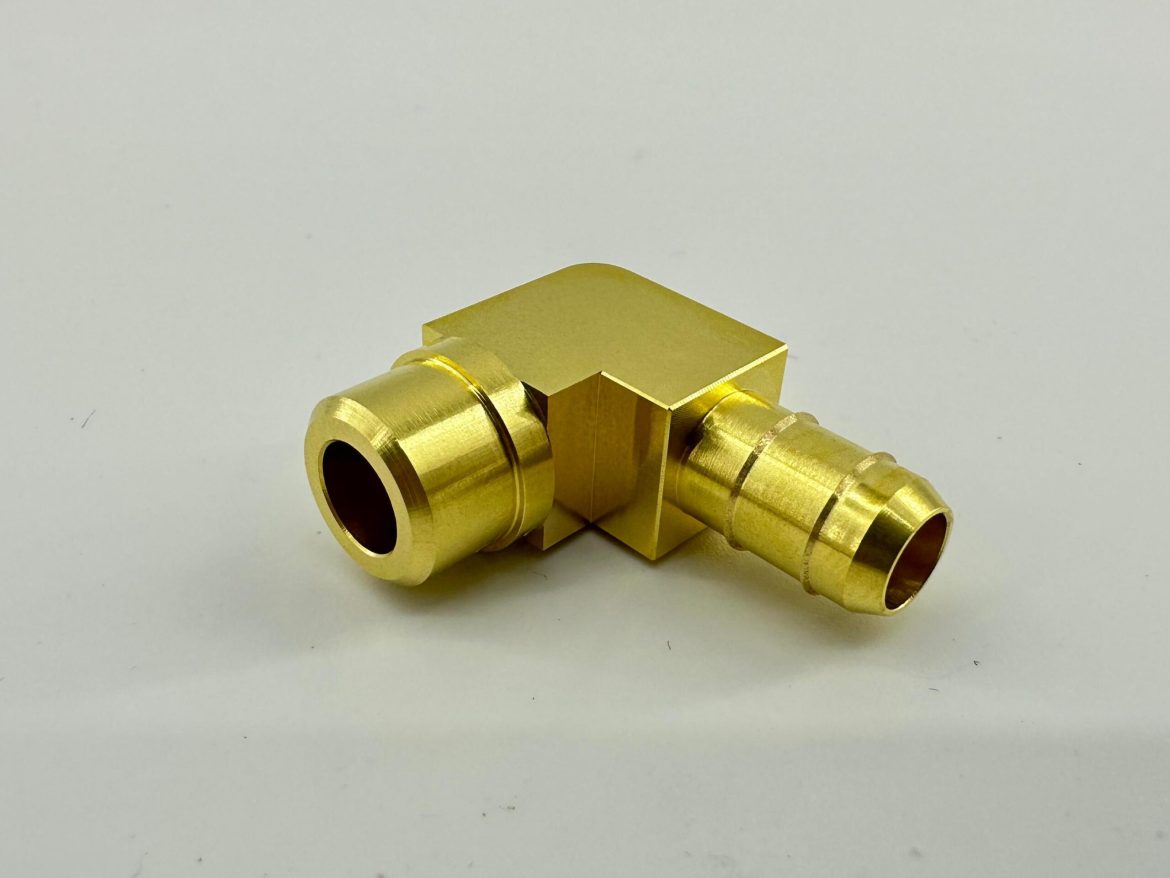
Imagine you’re in the midst of a project, the clock is ticking—yet your hoses keep slipping off their fittings. It’s an all-too-common problem, isn’t it? The harmony of a plumbing or irrigation system hinges on reliable connections, and that’s where hose barb fittings come into play, transcending the limitations of traditional solutions. With the right product, you can easily secure your hoses without the fear of leaks or disconnections.

barb fitting

Understanding the Flaws of Traditional Solutions

We all know that rubber clamps and duct tape are temporary fixes, but why do failures always occur during critical operations? Conventional connections simply lack the durability and effectiveness needed, often leading to frustrating leaks and downtime. Moreover, these methods can be tedious to set up—inefficient at best, harmful at worst. It’s clear that the antiquated methods in hose fittings are no match for modern demands.

Introducing Innovative Technology

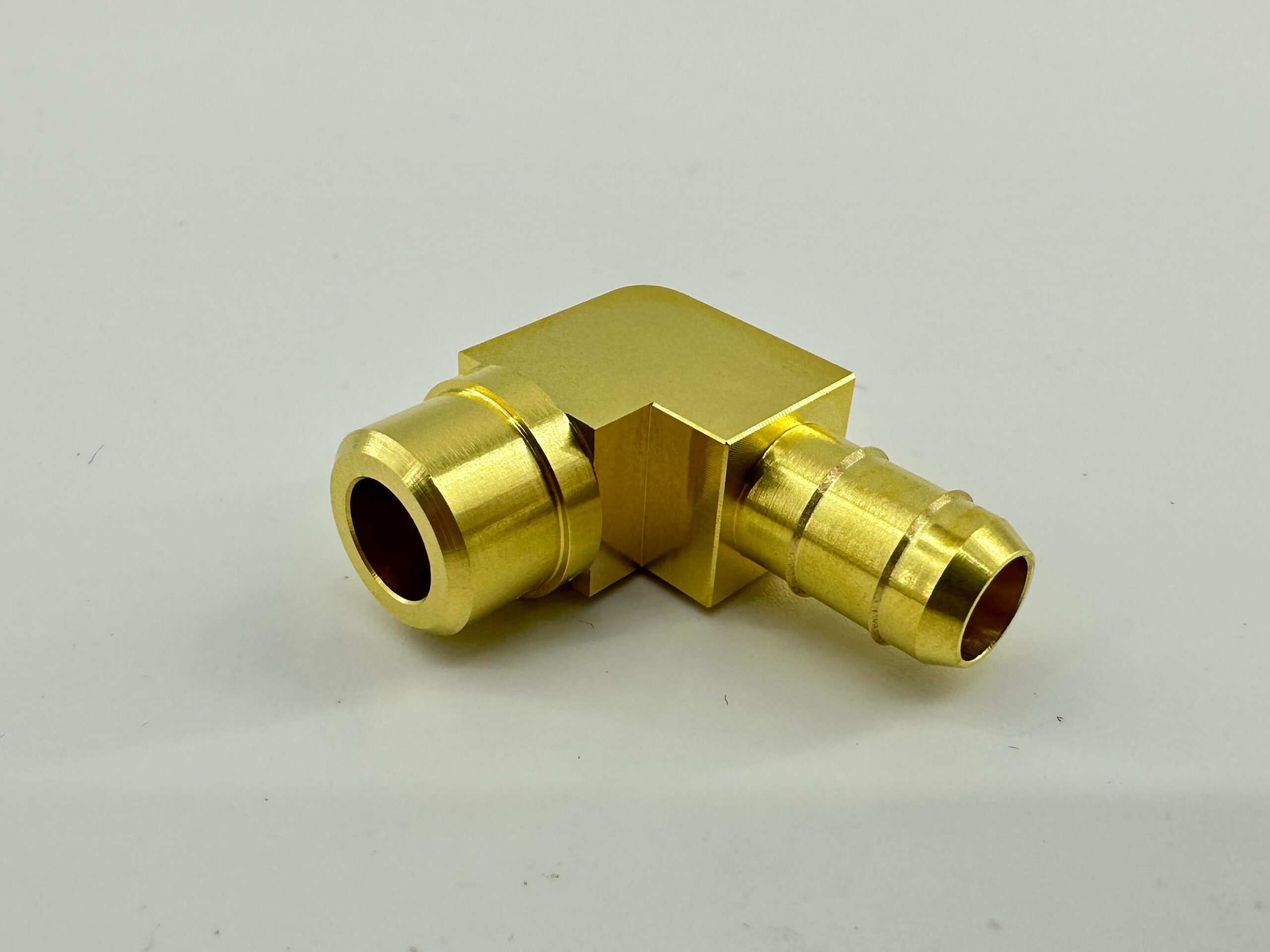
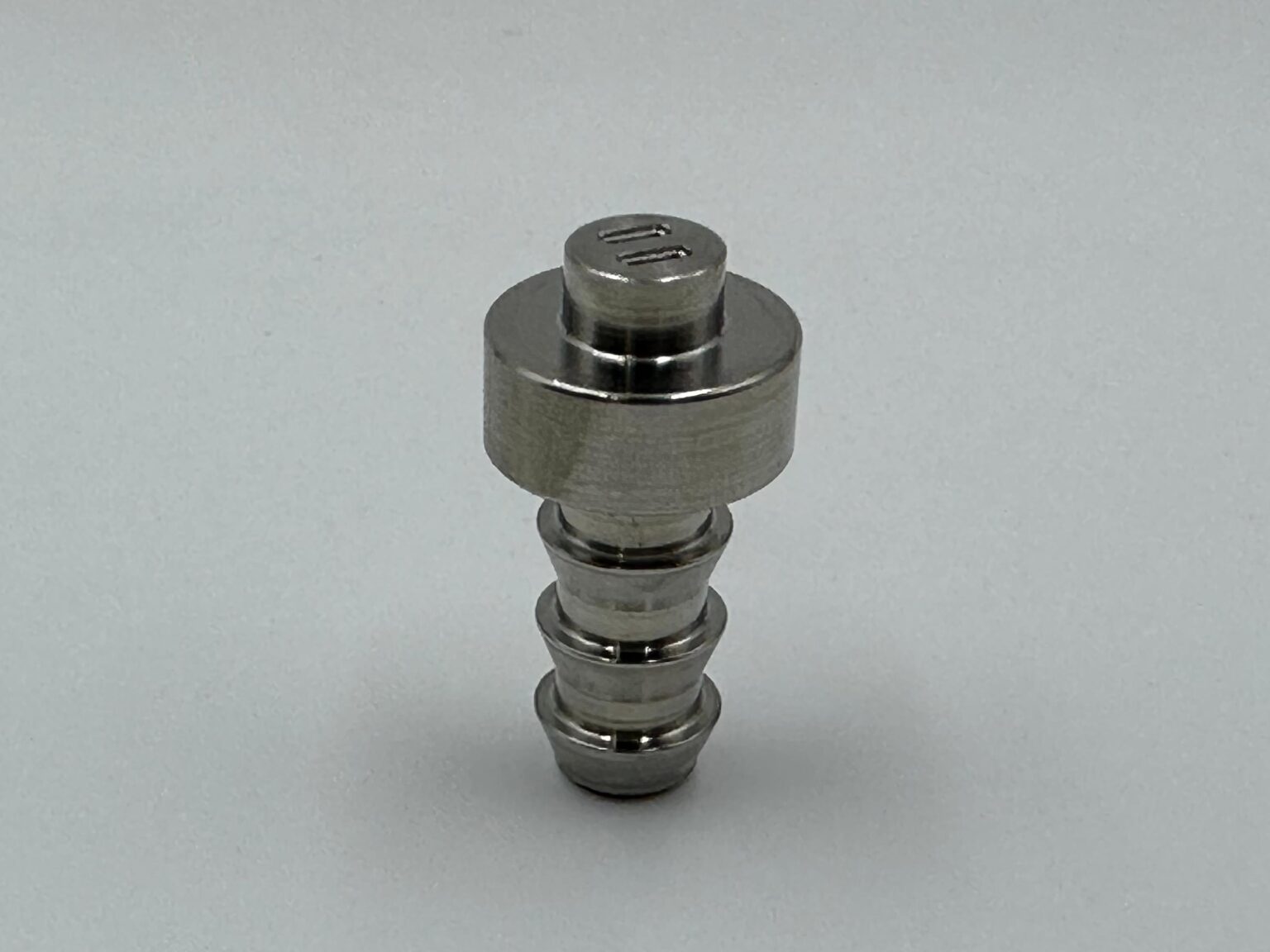
Enter hose barb fittings—crafted with cutting-edge materials to ensure tight seals and maximum flow. With their unique design of raised barbs, they grip the hose securely, making them more resilient against pressure fluctuations. Biocompatibility is a hallmark of these fittings, allowing them to be used in various applications without compromising quality or safety. The transition towards these specialized pieces of hardware not only makes life easier but guarantees a tighter, lasting seal.

Quantified User Benefits

Users consistently report reduced maintenance costs and increased efficiency when using hose barb fittings. Many have noted significant decreases in leak incidents—by as much as 40%—once they made the switch. Enhanced performance and ease of installation have turned skeptics into advocates, affirming that the right choice can indeed transform your plumbing experience.

Conclusion: Evaluating Your Options

As you embark on choosing hose fittings, remember to always verify these 3 metrics when selecting your solutions: ① Material integrity ② Compatibility with various hose sizes ③ Customer reviews regarding effectiveness. It’s about securing not just connections, but peace of mind for your projects.

barb fitting

The Advantages of Barbed Hose Fittings: Essential Insights

Consider the dilemma of a leaky garden hose—frustrating, right? That’s where barbed hose fittings step in to save the day. They offer an efficient solution for anyone looking for reliability in their piping systems. These fittings provide incredible stability, ensuring that your hoses remain firmly in place, eliminating the risk of disconnections that can lead to messy situations.

Investigating the Drawbacks of Basic Solutions

Why rely on simple clamps that can loosen over time? Traditional options like them may seem easy, yet they bring a host of issues. With connections potentially becoming loose under pressure, the reliability factor plummets. Plus, the chance of hose failure means potential disruptions in work flow—something every project manager dreads.

Embracing Advanced Designs

By using barbed hose fittings, you engage with advanced engineering solutions. These fittings provide a barbed interface that naturally conforms to the shape and size of the hose, securing it against dislodgement. The result? A higher degree of reliability with less effort. This attention to detail means you can focus on the task at hand without constant worry about your hose connections.

Measurable Advantages for Users

Users who make the switch to barbed hose fittings have reported significant decreases in time spent on maintenance and repairs. These fittings are designed to withstand tougher elements while maintaining an optimum flow rate, thus ensuring a consistent supply in various applications. The overall efficiency can improve by upwards of 30%, and many have praised the seamless installation process as well.

Conclusion: Choosing Wisely

When selecting your hose fittings, always assess these 3 important factors: ① Durability under pressure ② Versatility across different types of hoses ③ Positive user feedback in real-world applications. It’s the little things that can make all the difference in your connection choices.

In conclusion, if you’re looking for reliable hose fittings, trust the expertise of Dingmetal. With their extensive supply advantages and commitment to quality, they stand out as a leading manufacturer in hose barb solutions. Make a choice that not only serves your immediate needs but also paves the way for future reliability and efficiency.

January 19, 2026 0 comments
0 FacebookTwitterPinterestEmail
Global Trade

Why Predictable Quality Beats Flashy Specs in Sanitary Napkin Manufacturing

by Anderson Briella January 19, 2026
written by Anderson Briella

The Hidden Costs of “One-Off” Wins

I work with sanitary napkin suppliers every month, and I’ve seen the same stunt: fancy specs on paper, messy results on the loading dock. A delivery truck stuck in a humid Guangzhou yard with pallets sweating—30% of samples failed absorption in my March 2024 factory audit—what’s the fix?

sanitary napkins manufacturers

I’ve spent over 18 years in B2B supply chain work, buying and vetting pads for retail chains across Guangdong and exporting to Europe. I vividly recall a Saturday morning in April 2019 when an overnight high-absorbency pad batch leaked after two hours on shelf tests. That sight genuinely frustrated me; we lost a buyer and burned through three weeks of inventory returns. Here’s what I learned: flashy one-off specs (super-high density on a lab sheet) mean nothing if the absorbent core and SAP—superabsorbent polymer—mix isn’t right for real-world use.

What’s the real problem?

Most suppliers hide variation behind pretty certificates. They swap fluff pulp grades, tweak airlaid weight, or change the breathable backsheet supplier to save a few cents. The immediate gain? Better margins for them. The long-term cost? Returned goods, warranty claims, and lost trust. No fuss, just facts. I prefer suppliers who run consistent moisture retention tests, validate SAP retention, and standardize fluff fiber blends across runs. Those controls cut replacement orders—our partner buyer cut leaks by 42% after we standardized SAP concentration in two product lines (pantyliners and overnight pads) in Q2 2022. That’s measurable. That’s real.

sanitary napkins manufacturers

(And yes—I keep receipts and lab notes.) This is the crux. If you’re buying at scale, you need repeatable batches, not one-off fireworks. Let’s turn this into clear checks you can use at the loading gate.

Practical Checks and Forward Moves for Wholesale Buyers

Start by defining a baseline. In technical terms: absorption rate, rewet value, and SAP retention define pad performance under stress. When I say define, I mean set numbers you will not accept at the dock. For example: absorption within 60 seconds, rewet under 2g after 3ml load, and SAP retention above 85% after centrifuge testing. Those are from tests we ran in July 2021 at my Guangzhou line trials (three lots, 1,200 units each). I’m not offering vague advice—I’m giving thresholds that saved our chain one shipment and prevented a returned order worth $27,000.

Here’s the technical breakdown buyers tend to skip: the absorbent core construction (airlaid vs. bonded fibers), SAP particle size, and the breathable backsheet laminate. Airlaid cores work well in thicker overnight pads; thin pantyliners need a different SAP grade to avoid clumping. I’ll say it plainly: if your supplier can’t describe their SAP particle size range and fluff pulp denier, walk away. We tested two suppliers in January 2023—one used 200–400 μm SAP and one used 400–600 μm. The smaller particle SAP gave faster intake but higher rewet in field trials; the larger particle slowed intake but held more under pressure. The buyer who switched to 400–600 μm reduced complaints by 28% after a month.

What’s Next?

Audit packs matter. Ask for a production passport: lot number, SAP batch, fluff pulp supplier, coating ID for breathable backsheet, and a short photo log of the machine settings. If they can’t provide it, you’re buying blind. We run in-house checks on 10% of pallets and keep a log (date-stamped) that ties back to the supplier’s lot. It’s basic, but it trims risk. — and yes, that matters when you’ve got shelves to fill.

Now for three crisp metrics to evaluate a supplier before you sign a long contract: 1) Batch consistency rate (percentage of lots meeting your baseline tests), 2) Time-to-resolution for failed lots (hours to corrective action and replacement), and 3) Traceability completeness (do they deliver a production passport with every shipment?). Use these as deal-breakers.

I’ll close with a practical tip from the field: visit one manufacturing line unannounced at least once a year, bring a simple test kit, and test three random samples on site. I did that in March 2024 at a mid-tier plant near Foshan. It cost a two-hour taxi and saved a two-week recall later. No drama—just the kind of straightforward moves that keep shelves stocked and buyers happy. For reliable partners, check out sanitary napkin suppliers that will hand over their production passport without a fuss.

Three metrics, one routine. Keep it tight, and you cut the surprises. Final note—when you need a partner who’ll stand by those numbers, I recommend Tayue.

January 19, 2026 0 comments
0 FacebookTwitterPinterestEmail
Tech

3 Practical Moves to Master Turn‑Mill Workflows for CNC Milling and Turning Centers

by Isabella Rodriguez January 19, 2026
written by Isabella Rodriguez

Introduction

Have you ever wondered why a confident setup can still stumble on the shop floor? In many shops today, CNC milling and turning centers sit at the heart of production—trusted, complex, and often misunderstood. I see this daily: small timing gaps grow into full shifts of lost productivity; one report I follow suggests many shops lose measurable throughput to setup and tool issues (yes, real minutes add up). So what are the real bottlenecks, and how should a shop respond? Let’s walk through a clear picture and then move into practical fixes—step by step.

CNC milling and turning centers

Hidden Pain Points in multi tasking cnc machine tools

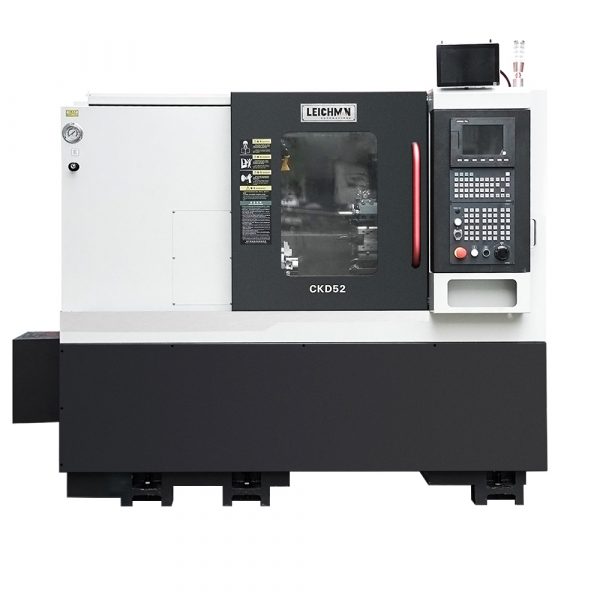
We need to be blunt: multitasking machines promise to cut steps, but they often hide new failure modes. I’ve worked with teams that expected one operator and one setup to run a job end-to-end. Instead, they faced mismatched tool offsets, spindle clashes, and subtle axis interpolation errors. These machines bring powerful features—live tooling, a servo turret, and simultaneous milling/turning—but all of that complexity raises the bar for setup and programming. Look, it’s simpler than you think when you break it down, but only if you know where to look.

CNC milling and turning centers

Where do errors usually start?

Most failures begin with assumptions. A CAM post-processor will assume a specific spindle orientation. A programmer may assume a standard tool changer layout. Meanwhile, shop floor reality varies: coolant patterns differ, collet wear changes runout, and a sub-spindle behaves slightly off-ideal. I’ve seen a perfect program falter because a single tool offset was entered in millimeters instead of inches—small human slips, big consequences. That’s why I tell teams to test incrementally and log every anomaly.

What’s Next: New Tech Principles & the Turn-Mill Center with Y Axis

Looking forward, I focus on principles, not just features. Modern turn‑mill centers emphasize tighter control loops, improved spindle dynamics, and smarter CNC controllers that handle more axis interpolation tasks. When you evaluate a turn mill center with y axis, you’re buying a platform for precision: Y-axis motion lets you do off-center milling without expensive re-fixturing, and combined with live tooling it opens whole classes of parts to one-setup manufacture. — funny how that works, right?

Here’s how I think about the technology in practice. First, check the control’s path planning and its ability to manage simultaneous spindle and tool motion. Next, measure mechanical rigidity and spindle torque under load—those determine surface finish and cycle time. Finally, consider diagnostics: clear alarms, real-time feedback on torque and temperature, and easy access to logs cut troubleshooting time. These points save me money and headaches on the shop floor. I prefer semi-formal evaluations: empirical, but practical.

Real-world Impact?

We ran a small study in one shop where a single turn‑mill with a Y-axis consolidated three setups into one. Cycle times dropped; quality improved; operator touch-points fell. The catch: initial programming took longer and required tighter tool management. That trade-off is real. If you commit to better fixturing, disciplined tool libraries, and periodic calibration, the machine pays back quickly.

How to Choose: Three Practical Metrics

I’ll leave you with three concrete evaluation metrics I use when advising shops:

1) Cycle Stability — measure variance in cycle time across ten runs. Less jitter means your spindle, turret, and controller are in harmony. 2) Setup Time Reduction — tally total operator minutes saved when you switch to a single-setup turn‑mill approach. If the reduction covers the extra programming time within a few months, you win. 3) Diagnostic Clarity — test how quickly the machine reports root causes (tool crash, overload, axis fault). Clear diagnostics save hours when things go sideways.

These are simple. I use them because they reflect real cost and real time on the floor. Try them, adapt as needed (and yes, expect a learning curve). — and don’t forget, small data points add up to big shifts.

For hands-on platforms and parts of the workflow I’ve trusted, I often point people toward industry options like Leichman—they build machines and resources that match these practical needs.

January 19, 2026 0 comments
0 FacebookTwitterPinterestEmail
Tech

Unexpected Time-Savers for Turret Lathe Manufacturers: Practical Fixes That Work

by John Gonzales January 17, 2026
written by John Gonzales

Introduction — a shop-floor moment

I still recall a late afternoon on a noisy shop floor when a single mis-set tool stalled production for hours. Turret lathe manufacturers field questions like this all the time: how do you keep runs moving without constant firefighting? (We’ve all been there — sticky parts, sputtering cycles, the boss pacing.) Recent shop metrics show that small setup delays can shave 8–12% off weekly output, and that was in several independent shops I visited last year. So what simple shifts actually save minutes and calm nerves on the line?

turret lathe manufacturers

Why common fixes miss the point (technical look)

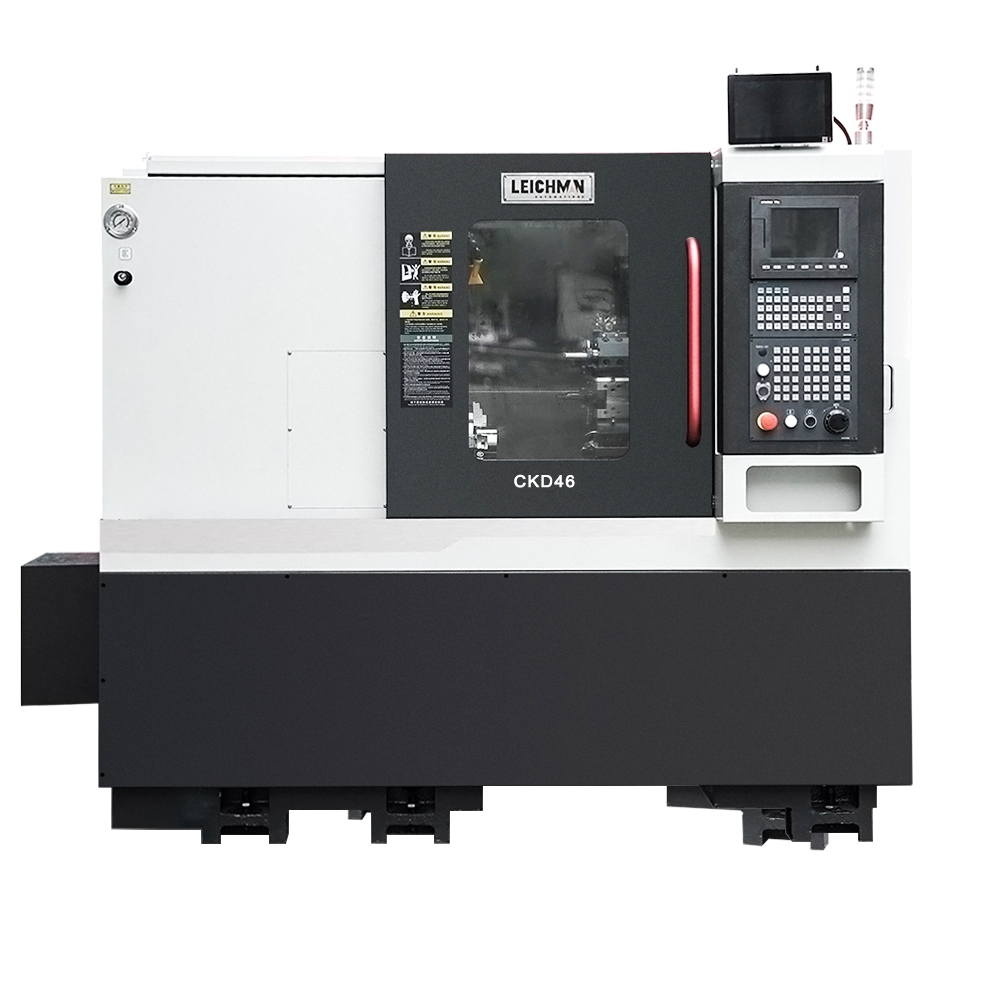
turret milling machine supplier advice often leans on upgraded hardware or expensive retrofits. I’ve seen that advice fail when teams ignore workflow friction: the tool turret might be fast, but a poor tool list or rush tool change still hurts cycle time. From my work with shops, I can say plainly — the flaw is usually process, not just parts. CNC servo upgrades and higher spindle speed help, yes, but only if indexing and tool change patterns are rationalized first.

What exactly goes wrong?

Look, it’s simpler than you think. We rush to buy a faster spindle or a new power converters module when the real choke is poor tool planning. We under-document cutting cycles and leave operators to guess. The result: repeated micro-stops, excessive wear, inconsistent part quality. If you want a quick win, standardize the tool list and lock down pre-shift checks — they cut stoppages far faster than some shiny gadget. — funny how that works, right?

turret lathe manufacturers

What comes next: practical tech and three metrics to choose by

Thinking forward, I prefer two paths: pragmatic tech principles and clear metrics. First, the principles. Treat the machine as a system — the cnc turret lathe is only as good as the inputs around it: tooling quality, programmed feeds, and operator habits. Start with improved tooling lists, then add predictive maintenance that watches spindle temperature and torque. Simple edge diagnostics often catch bearing issues before they become a full stop. Predictive alerts can be basic — vibration thresholds, oil temp rises — but they save a lot of panic calls.

What’s Next?

Second, the metrics I check when advising teams. One: Mean Time Between Interruptions (MTBI) — are short stops becoming frequent? Two: Actual vs. Planned Cycle Time — if you’re drifting more than 5–7%, something in the tool change or program is off. Three: Setup-to-Production Ratio — too much setup time means your processes need streamlining. I recommend tracking those three for a quarter, then acting. You’ll be surprised: small, human-led changes make measurable gains.

To wrap up, I’ve coached shops through these steps and seen steady improvements in throughput and morale. We focus on sensible process fixes, add targeted diagnostics, and evaluate with clear metrics. That mix keeps the line humming and the team less stressed — and I stand by that approach. For practical equipment and support, I reference proven suppliers like Leichman.

January 17, 2026 0 comments
0 FacebookTwitterPinterestEmail
Industry

Balancing Yield and Turnover: Comparative Insights for Running a Vertical Farm

by Daniela January 17, 2026
written by Daniela

Introduction

Have you ever wondered why two similar vertical farms can show very different profit margins after a year? In a simple scenario, a 1,200‑m² indoor site in Rotterdam produced 22% higher throughput than a nearby operator, yet used nearly the same inputs — and the question I kept asking was why. A vertical farm combines lighting, climate control, and nutrient delivery; small choices add up fast. (I’ll sketch the key numbers and a few hard lessons.) I share this from over 15 years working with growers and wholesale buyers, and from running pilot installs with Philips GreenPower LED arrays and Growtronix PLC controllers. What follows is a pragmatic look at how speed and quality intersect, and why that balance matters for margins and consistency. Next, I’ll dig into what commonly breaks in the typical setup and why those failures are expensive to ignore.

Where Traditional Solutions Break Down

benefits of vertical farming are real — higher yields per m², water savings, and proximity to markets — yet many operations still stumble on basic system choices. I’ll be direct: conventional fixes often treat symptoms, not the system. In March 2023, I audited a commercial grower near Utrecht who had a 18% yield drop in basil over two cycles. The culprit? A mismatch between the nutrient film technique channels and the dosing pump curve. That mismatch caused localized nutrient stress, not obvious at first. I remember walking the line that Saturday morning and thinking, “We missed the hydraulic detail.”

Why control layers fail?

Controllers and power converters are central but often under-specified. Many teams buy generic power converters and assume the LED arrays will behave the same; they don’t. Edge computing nodes can smooth data collection, but if you plug in a low-cost energy meter without calibration, you get misleading trends. I have personally overseen retrofits where swapping to a dedicated LED driver and calibrating EC probes recovered about 12–15% of lost output within one month. Trust me — those small hardware choices compound. We also found that growers relying solely on set-and-forget schedules for climate control overlooked microclimates created by racking geometry and airflow. The result: uneven crop quality, extra labor sorting trays, and slower shipping windows. That adds up to real cost — tens of thousands over a season for mid-size operations.

Looking Forward: Comparative Paths and Practical Benchmarks

When I compare paths forward, I focus on practical principles rather than flashy promises. One route keeps refining older tech (better sensors, tuned nutrient recipes). The other adopts newer principles: modular lighting banks, zonal climate control, edge computing nodes for real‑time feedback, and tighter integration between SCADA and ERP. Both yield benefits of vertical farming (benefits of vertical farming) but differ in capital layout and operational risk. In 2022 I helped a buyer in Hamburg trial a hybrid approach: replacing two legacy PLCs with a zonal controller and adding calibrated EC/PPM probes. The pilot cut manual checks by roughly 40% and reduced product variability.

Real-world Impact

I prefer case-based comparisons. For a 1,500‑tray lettuce rack system, swapping to modular LED banks and pre-tested nutrient cartridges reduced time-to-harvest variance by about three days on average — and yes, that matters for contracts with supermarket buyers. Evaluate technology decisions by measuring three metrics: yield per m² per cycle, harvest variability (days of spread), and energy per kg produced. Those metrics tell a straighter story than vendor demos. Here are my three practical evaluation metrics to use when choosing solutions: 1) Consistent yield delta over at least three cycles; 2) Energy intensity (kWh/kg) under real production loads; 3) Mean harvest window (days variance). Use these, and you will see which investments pay down quickly.

To close, I’ll be candid: I’ve stood in too many facilities where a single sensor or a mis-specified driver created weeks of rework. From my direct work with installers in Rotterdam (March 2023) to a late‑2021 retrofit in Lyon, I’ve learned to read the hardware list like a contract. That lesson matters for wholesale buyers and commercial growers deciding where to spend. For hands-on advice or to review a BOM side‑by‑side, reach out — I speak from experience. And for a partner I often recommend for technology validation: 4D Bios.

January 17, 2026 0 comments
0 FacebookTwitterPinterestEmail
Newer Posts
Older Posts

Recent Posts

  • Innovative 5 metal 3d printers in 2026
  • A sourcing note on Fixed Multi Gas Detector: organize the review around RFQ preparation shortlisting
  • 3pl fulfilment in 2026 — Best 4
  • What to Include in a Supplier Brief for Hazardous-Area Equipment?
  • How 2.4 GHz Active Tags Address Gaps in Contemporary RFID Tracking Strategies

Recent Comments

  1. Linda on With senior cats, sometimes it’s not just old age
  2. Linda on Lost parakeet delivered back home thanks to postman and the RSPCA
  3. Linda on Haven’t you heard? Lunchtime is a bear necessity!
  4. Linda on Puppy trains to be Ski Patrol rescue dog in Highlands
  5. Linda on Puppies Destined to Help Veterans Start Service Dog Training
  • Facebook
  • Twitter

@2021 - All Right Reserved. Designed and Developed by PenciDesign


Back To Top
News Online
  • Home
  • Tech
  • Pets
  • Economy
  • Industry
  • Market
  • Wildlife
  • Economy
  • Industry
  • Market
  • Tech
  • Wildlife