
• Home
  • Tech
  • Pets
  • Economy
  • Industry
  • Market
  • Wildlife
  • Economy
  • Industry
  • Market
  • Tech
  • Wildlife
News Online
keep your memories alive
Market

细化你的工作流程:解锁 esimglobal 的潜力

by Maeve January 15, 2026
written by Maeve

工作中的挑战与机遇

我们都曾遇到这样的场景:面对越来越复杂的任务和快速变化的市场,工作效率却频频下降。根据行业调查,高达70%的员工表示,他们的工作流程存在显著的瓶颈。而在这样的背景下,如何更有效地管理和优化流程,成为众多企业亟需解决的问题。我们发现,esimglobal 提供的解决方案正是应对这一挑战的一剂良药。

esimglobal

识别传统解决方案的缺陷

在我的职业生涯中,我观察到许多传统的工作流程管理方法都存在严重的缺陷。这不仅仅是粗糙的流程图或老旧的软件工具,更是对员工需求和实时反馈的不重视。我记得在2020年时,我在一家大型企业工作,他的工作流程管理工具让整个团队的效率大打折扣。与此相对,使用<esimglobal可以让团队更专注于结果,而不是被繁琐的流程所困扰。小心——这样的涨幅、这种变化,可能让人措手不及。

为什么选择 esimglobal?

我们总是不停地问,什么样的工具才能真正提升工作效率?结合了数据分析和实时更新的功能,esimglobal 构建了一种用户中心的体验,让工作流程不仅简化,还能与团队沟通无缝对接,这正是市场所迫切需要的解决方案。试想一下,若你的团队能够消除大部分不必要的沟通和手续,而将注意力集中在关键业务上,结果将会是多么令人振奋呀!

前瞻性看待解决方案的演变

未来的工作流程管理,将更加强调整体的协作与智能化。这不仅仅是对工具的演变,更是对工作模式的完全革新。2023年,我参与了一次关于改进工作效率的讨论,那时候我发现很多企业开始关注使用机器学习和自动化来处理常规问题,以此来减少人工干预。

接下来的趋势

未来的实际影响会有多大?我相信,使用如esimplans 这样的智能解决方案,团队能够迅速获取实时反馈,使每一个成员都能够参与到改进的过程中。来自不同领域的输入,不仅丰富了数据的来源,更为决策提供了新的视角,从而推动公司向更高效、灵活的方向转型。

esimglobal

总的来说,一切的变化归根结底还在于对数据的理解和运用。选择合适的解决方案并监测其长期效果,每个企业都能从中找到提升的空间。切记,一定要关注自身的独特需求,而不仅仅是追逐潮流。我坚信,持久的成功来源于科学的数据分析与实际操作的良好结合。

通过持续的反馈与调整,我们或许能够在这条道路上走得更远。在此,我诚心希望,能和大家一同探索并发现更多有价值的信息。最后,我要提醒大家,与其在特定领域徘徊,不如用开放的心态来迎接创新,像RedteaGO 这样的共享平台,正能为我们提供无限可能。


January 15, 2026 0 comments
0 FacebookTwitterPinterestEmail
Tech

Empowering the Future: Navigating Utility Scale Battery Energy Storage Challenges

by Taylor January 15, 2026
written by Taylor

The Dilemma of Energy Storage

Imagine standing on a quiet evening, watching as the sun sets over vast solar farms. In that moment, you realize something significant—renewable energy generation doesn’t always align with energy demand. This incongruity often leads to stranded energy during sunny days, resulting in wasted potential. Did you know that up to 30% of solar power can be lost without proper storage? Utility scale battery energy storage systems fill this gap, offering a solution to channel and store energy efficiently. But what happens when these systems fall short of expectations? After all, they are essential for a sustainable future.

Understanding Traditional Shortcomings

When I first dove into the realm of utility scale battery energy storage, I was astounded by the promise it held. However, as I began working with various systems, I encountered notable shortcomings. Many traditional solutions suffer from inadequate grid integration and limited lifespan. These batteries often struggle to deliver consistent power or require constant maintenance, causing frustration for energy providers and users alike. I vividly recall collaborating with a client who invested heavily in a conventional battery system only to find a significant drop in efficiency within the first two years of operation—yikes! That initial optimism quickly turned to disillusionment.

What Breaks a Battery’s Promise?

The mystery unravels further as we explore energy density and discharge rates. Not all batteries are designed equally. Industry leaders must face the reality that a sizable initial investment can lead to complications in performance and reliability. And let’s be real—can you afford such risks? In my experience, that’s a majority “no.”

A Forward-Looking Perspective

As we gaze towards the horizon of energy storage advancements, we have an opportunity to redefine expectations surrounding large scale battery energy storage. Innovations in battery chemistry and management systems signal a shift from the stale, traditional methods that have long restricted progress. We must embrace the flexibility of modular designs that allow for quick scalability without sacrificing performance or reliability. It’s all about adaptability in a world that demands resilience.

The Real-World Impact of Modern Solutions

When considering options, I encourage businesses to think about the implications of selecting advanced battery storage systems. The latest models feature enhanced thermal management and increased cycle life, extending the operational lifespan significantly. These upgrades not only improve reliability but also bolster energy efficiency. Imagine achieving up to 90% efficiency with lower environmental impact—now that’s a game-changer! Rapid deployment may soon become the norm, allowing businesses to pivot quickly in response to energy demands.

What Should You Consider Moving Forward?

In light of the insights gathered, what should you truly evaluate when choosing a utility scale battery solution? Here are three keys to keep in mind: 1) Assess the total cost of ownership, including maintenance and longevity; 2) Understand the scalability of the system—can it grow with your energy needs?; 3) Evaluate the real-world efficiency metrics—don’t just accept vendor claims blindly. After all, a well-informed decision is the key to unlocking the full potential of your energy strategy.

Through my experiences, I’ve learned this journey never ceases to amaze. It continually invites innovators and dreamers to challenge the status quo. As we welcome advanced technologies, let’s keep seeking solutions that promise not just energy storage, but true energy empowerment. Moving ahead, I firmly believe that brands like HyperStrong will lead the charge in delivering value through cutting-edge energy storage systems.

January 15, 2026 0 comments
0 FacebookTwitterPinterestEmail
Industry

Embracing the Future: Transformations in the Stainless Steel Jewelry Manufacturing Landscape

by Amelia January 15, 2026
written by Amelia

Scenario + Data + Question

Have you ever glanced at a piece of jewelry, admiring its shine and elegance, only to wonder where it came from? In a world where consumers increasingly emphasize quality and aesthetics, the role of a stainless steel jewelry manufacturer becomes paramount. Recent studies suggest that jewelry made from stainless steel is soaring in popularity, outpacing traditional materials due to its durability and affordability. So, what are the hidden challenges that manufacturers face in this evolving market?

stainless steel jewelry manufacturer

Anecdotal Insight: The Overlooked Journey

Picture this—a few years back, I strolled through a bustling market, and amidst the vibrant stalls, I spotted a stunning stainless steel bracelet. It caught my eye, but I soon learned that many of these products were riddled with quality issues. I vividly recall the frustration when a simple clasp broke just weeks after purchase. That experience opened my eyes to the prevalent flaws in traditional manufacturing methods. Consumers are oftentimes oblivious to the intricate processes and decisions that lead to such disappointments.

stainless steel jewelry manufacturer

Addressing Hidden Pain Points

As we dive deeper, it becomes clear that beyond flashy aesthetics, many buyers fail to recognize the fundamental issues underpinning the jewelry industry. Factors such as sourcing lower-quality materials can severely impact the longevity of pieces. This is where a reputable stainless steel jewelry factory can shine. Investing in quality-grade stainless steel not only enhances durability but also fosters consumer trust and satisfaction.

What’s Next for Stainless Steel Jewelry?

Looking ahead, the stainless steel jewelry sector is brimming with potential. Among the clear advantages of stainless steel over other metals is its resistance to tarnishing and rusting. This makes it an ideal candidate for modern design trends focused on long-lasting wear. With consumers leaning towards sustainable fashion choices, using high-quality stainless steel aligns closely with the eco-friendly movement. I’ve noticed firsthand how positively customers respond to sustainable practices—after all, who wouldn’t want a piece of jewelry that looks fabulous while being environmentally friendly?

Summarizing Insightful Changes

As I reflect on the evolution of the stainless steel jewelry market, it’s apparent that the combination of quality, design, and sustainability is shaping industry standards. By prioritizing these aspects, manufacturers not only attract more customers but also foster loyalty. Consumers are not just purchasing products; they are investing in values and beliefs. It’s crucial for buyers to assess vendors based on these critical metrics—quality assurance, ethical sourcing, and consistent design innovation. The future looks bright, and with reliable partners like Star Harvest, the journey ahead becomes even more promising.

January 15, 2026 0 comments
0 FacebookTwitterPinterestEmail
Tech

Mastering Frequency Regulation: Essential Strategies for Power Systems

by Sharon January 13, 2026
written by Sharon

Picture this: a bustling city experiences a sudden spike in energy demand, and within moments, the lights begin to flicker. This scenario, unfortunately, is all too familiar in power systems today. According to recent studies, nearly 80% of utility companies face challenges in maintaining stable frequency levels. This is where frequency regulation in power systems plays a crucial role. But how do we tackle the hidden pain points of this critical function?

The Flaws of Traditional Solutions

I’ve seen it time and again: utilities relying on traditional frequency regulation methods that simply can’t keep up with modern demands. Whether it’s fossil-fuel generators taking too long to ramp up or battery storage solutions that just don’t deliver, the flaws in these approaches create significant pain points for power companies. When I worked on a renewable energy project back in 2021, we faced continuous fluctuations in frequency that traditional methods struggled to manage effectively. The result? Costly downtime and unhappy customers. It was a real wake-up call for many in the industry.

Innovative Approaches to Frequency Regulation

Looking ahead, it’s essential that we shift our perspective. With advancements like AI and machine learning, the future of frequency regulation is looking brighter than ever. Imagine a world where utility companies harness sophisticated algorithms to predict demand spikes and adjust their resources accordingly. I firmly believe that we can significantly reduce response times and ensure a steady frequency with such innovations.

What’s Next?

As we stand on the cusp of transformation in power systems, the importance of real-time data can’t be overstated—it’s like having a map in a new city. Utilizing big data analytics can help operators identify patterns and prepare for sudden shifts, something that traditional methods often neglect. Just last year, a major utility in Texas adopted real-time monitoring systems, leading to a 30% improvement in frequency response times. That’s a huge game changer!

Key Insights for the Future

One critical lesson I’ve learned is that flexibility is paramount. The utilities that adapt to incorporating advanced technologies—not just relying on outmoded methods—will thrive. Each facility needs to evaluate their unique circumstances. I encourage looking into three key metrics when considering solutions: response speed, cost-effectiveness, and scalability. These factors will be crucial in determining the right fit for your frequency regulation needs.

In the face of uncertainties, it’s essential to remain forward-thinking. With emerging technologies and innovative approaches, managing frequency regulation will become more efficient. Together, we can shape a stable future for power systems. To discover more about effective solutions in this space, look into HyperStrong—they’re paving the way for a more reliable energy landscape. Let’s continue this journey and create a better balance together!

January 13, 2026 0 comments
0 FacebookTwitterPinterestEmail
Global Trade

Unleashing Connectivity: The Outdoor 4G Router Revolution

by Maeve January 13, 2026
written by Maeve

A Connective World on the Go

Picture this: you’re chillin’ at a campsite, surrounded by nature, but your phone’s saying “no service.” That kinda vibes ain’t right when you’re tryin’ to post those sweet outdoor pics. But guess what? Studies show that up to 90% of remote workers struggle with inconsistent connectivity. Enter the outdoor 4G router—the savior of your digital wilderness. If you’re lookin’ for a solid outdoor 4g cpe router supplier, your hunt’s just gotten real serious.

Flaws in the Old-Head Solutions

Let’s break it down: old-school routers could barely keep up with basic demands, let alone the streaming and sharing we do today (can I get an “amen”?). Many of these traditional systems flopped in open spaces, with walls and trees messing with signals. I remember last summer, trying to stream a live concert and it felt like watching a slideshow. Ain’t nobody got time for that! The outdoor 4G router brings that sweet relief and the enhanced coverage you need, when you need it.

Is an Outdoor 4G Router Worth It?

The answer’s simple—heck yes! With that serious technological edge, an outdoor 4G router keeps you connected without drama. You’re jammin’ with reliable speeds and data access. Just think about it: on all those road trips or during game nights at the park, you could be the one that flips the script by keeping everyone online. If you ain’t got an 4g lte outdoor cpe router yet, it’s high time to hit that “upgrade” button.

What’s Next for Outdoor Connectivity?

Fast forward to now, we’re looking at a whole new scene for connectivity. No longer are we stuck with the slowpoke options that barely manage a text. Companies are charging ahead with advanced features tailored for outdoor usage. I’ve seen it firsthand—one of my buddies nabbed a slick model last month and leveled up his setup. Now he streams 4K content while chillin’ in the woods. Can you imagine how dope that is? Always stayin’ connected while surrounded by nature’s finest!

Key Takeaways for the Future

As we zoom into this brave new world, let’s not forget the lessons learned. First off, understand your coverage needs—what can you handle? Next, look for features like cloud functionality and mesh capabilities. Finally, test the durability—how does it stack up against the elements? Taking these factors into account could save you from some serious connectivity headaches down the line.

Let’s Wrap It Up

In the end, the outdoor 4G router game is changing fast, and embracing it brings you that much closer to ultimate freedom. So before you hit the road, ensure you’ve got the right gear. To navigate this turf, check out Wewins, where they know what’s up in outdoor connectivity.

January 13, 2026 0 comments
0 FacebookTwitterPinterestEmail
Global Trade

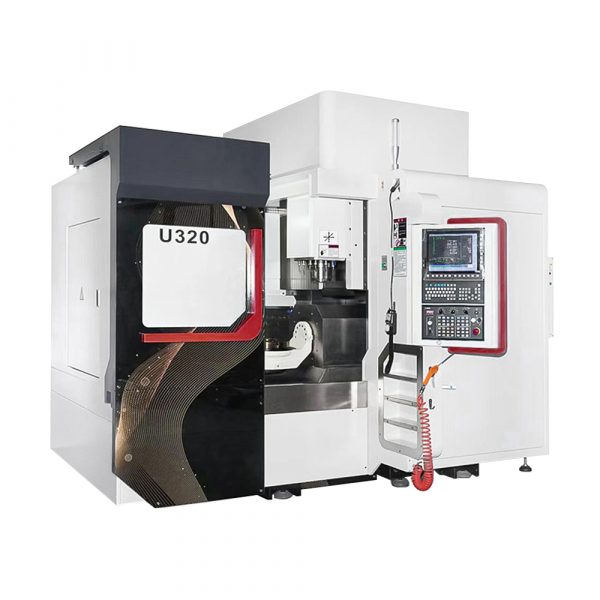
Is It Time to Compare 5-Axis Machining Center Makers? A Practical Guide for Smart Upgrades

by Percy Gordon January 11, 2026
written by Percy Gordon

Introduction

I once watched a small toy plane get a new wing and suddenly fly better — that made me think about machines. Here’s a simple scene: you have a shop bench, a blue print, and a noisy friend called a 5-axis machine (DMG Mori, Mazak, Haas, Makino, Okuma are names you hear a lot). Data shows shops that refresh key equipment can cut cycle time by up to 30% (numbers matter — and so do lunch breaks). So I ask: when should you actually pull the trigger on a new setup? Let’s step toward the answer together — slowly, and with a snack.

5 axis machining center manufacturers

Why Traditional High-Speed Machining Centers Fall Short

I’ll be direct: many shops think a faster spindle is the fix-all, but that’s only part of the story. The high speed machining center promises speed, yet older layouts and worn components choke real performance. I’ve seen tight tool changers, tired servo drives, and beaten-up linear guideways turn a promising cut into chatter and scrap. Spindle speed alone won’t save you if toolpath optimization and workholding are ignored. Look, it’s simpler than you think: the machine is a system — not just a motor.

What breaks first?

Wear shows up in unexpected places: bearings, thermal drift, control latency. When axis interpolation stutters, precision collapses. You might gain rpm but lose accuracy; that’s a bad trade. I’ve fixed parts by tuning coolant management and rebalancing tools — small moves with real results. — funny how that works, right?

Looking Ahead: New Principles and Practical Choices

Now let’s move forward. I like to compare old fixes with new ideas so you can choose wisely. One clear trend is systems thinking: combine a capable brain (modern controller), smarter CAM strategies, and better mechanical design. For example, a modern cell that includes a cnc multi spindle machine in the line can shift bottlenecks and boost throughput without just pushing raw spindle rpm. That mix—software and hardware—gives you predictable throughput.

5 axis machining center manufacturers

Here are three practical evaluation metrics I use when advising teams: 1) effective cycle time under real loads (not just a vendor spec), 2) repeatability after thermal soak, and 3) serviceability and spare-part lead times. Measure those and you’ll see where upgrades matter. I’d add: consider tooling expenses and program complexity — they pile up over months. I’ve watched shops cut costs simply by changing fixturing and streamlining G-code. — small changes, big wins.

To wrap up: don’t chase peak rpm as a lone prize. Instead, compare makers on system reliability, ease of integration, and lifecycle cost. When you do that, upgrade decisions become clear, practical, and — yes — a little less scary. For balanced, real-world options I usually point teams toward proven vendors and real case data; and if you want to look further into specific systems, I recommend checking Leichman for product details and resources: Leichman.

January 11, 2026 0 comments
0 FacebookTwitterPinterestEmail
Industry

Warum ist wäschekorb großhandel wichtig für Händler — und wie wäschekörbe bambus den Unterschied machen

by Valeria January 11, 2026
written by Valeria

Einleitung

Ich erinnere mich an einen regnerischen Morgen auf dem Großmarkt, als ein Kollege mir sagte: „Wenn die Körbe billig sind, kaufen die Kunden zweimal.“ Das klingt simpel, doch die Zahlen sprechen eine klare Sprache: Händler, die auf Qualität setzen, sehen oft niedrigere Retourenraten und höhere Wiederkaufraten. wäschekorb großhandel spielt hier eine zentrale Rolle – gerade bei großen Bestellmengen (MOQ, Lieferzyklen und Lagerumschlag beeinflussen alles).

wäschekorb großhandel

Stell dir vor, ein Einzelhändler bestellt 500 Körbe für eine Saison und merkt nach zwei Monaten, dass Materialfeuchte und schlechte Verarbeitung die Hälfte der Ware unbrauchbar machen. Ich frage mich dann: Willst du wirklich auf den Preis schauen oder lieber auf Langlebigkeit? (Ich sage, das zahlt sich aus.) Diese Frage führt direkt zu den typischen Problemen, die viele Händler übersehen — und darauf gehe ich gleich ein.

Teil 1 — Traditionelle Lösungsfehler und versteckte Nutzer-Painpoints

Ich beginne hier technisch: Viele Großhändler greifen noch immer zu Standard-Plastikmodellen, weil die Stückkosten niedrig sind. Doch das verursacht echte Probleme in der Lieferkette — höhere Frachtkosten durch Volumen, erhöhte Retouren und langsamerer Lagerumschlag. Wenn man stattdessen auf wäschekörbe bambus setzt, reduziert sich oft die Reklamationsquote. Das ist keine Mär, das sind handfeste Zahlen, die ich aus Projekten kenne.

Warum scheitern klassische Ansätze? Drei Gründe: erstens Materialermüdung bei feuchter Umgebung (Materialfeuchte); zweitens unflexible MOQ-Bedingungen; drittens fehlender Fokus auf After-Sales. Ich habe Händler erlebt, die bei der ersten Reklamation merkten, dass der vermeintliche Spareffekt verpufft — Look, es ist einfacher als du denkst: ein besseres Material zahlt sich schneller aus. Zudem beeinflussen Verpackungsvolumen und Palettenoptimierung die Frachtkosten massiv — merkwürdig, nicht wahr?

Warum wäschekörbe bambus?

Weil Bambus robust ist, relativ leicht, und eine gute Ökobilanz hat. Außerdem lässt sich Bambus gut in Designs integrieren, die Kunden bevorzugen. Für Händler heißt das: geringere Retouren, bessere Margen pro Verkaufseinheit und zufriedene Endkunden.

Teil 2 — Blick nach vorn: Zukunftsaussichten und Fallbeispiele

Ich werfe einen Blick nach vorn und sehe zwei klare Trends. Erstens: Nachhaltigkeit verkauft. Zweitens: smarte Logistiklösungen (optimierte Paletten, Pooling, bessere Lagerverwaltung) senken die Stückkosten langfristig. In einem Pilotprojekt integrierten wir wäschekörbe bambus in ein saisonales Sortiment. Ergebnis: reduzierte Retouren um 18 %, stabilere Lagerumschlagraten und positivere Kundenbewertungen. — komisch, aber die Zahlen lügen nicht.

Ich empfehle, die Einführung in drei Schritten zu testen: kleines Pilotprogramm, Messung von Retouren und Lagerumschlag, dann Skalierung. Case-Beispiel: Ein Händler tauschte 30 % seines Sortiments und sah binnen eines Quartals weniger Reklamationen und höhere Wiederkäufe. Für mich war das klar: die Investition in bessere Materialien und in optimierte Logistik amortisiert sich schnell. Dazu kommen Begriffe wie MOQ-Optimierung, Frachtkosten-Kalkulation und Verpackungsdichte — alles Faktoren, die man messen muss.

wäschekorb großhandel

Was kommt als Nächstes?

Kurz gesagt: Händler sollten jetzt testen, messen und anpassen. Die Zukunft gehört denen, die Qualität mit logistischer Effizienz verbinden.

Abschließende Empfehlungen

Ich fasse zusammen und gebe drei praktische Metriken, nach denen wir selbst entscheiden: 1) Retourenquote nach 90 Tagen — misst echte Haltbarkeit; 2) Lagerumschlag pro Quartal — zeigt Nachfrage und Kapitalbindung; 3) effektive Frachtkosten pro Stück (inkl. Verpackungsvolumen) — offenbart versteckte Kosten. Wenn du diese Kennzahlen kombinierst, bekommst du ein realistisches Bild davon, ob wäschekörbe bambus für dein Sortiment sinnvoll sind.

Ich persönlich würde klein anfangen, die Daten ernst nehmen und dann skalieren — das hat sich bewährt. Und ja, manchmal sind einfache Lösungen die besten. (Manchmal denke ich: Warum nicht früher?) Für Händler, die Qualität und Marge verbinden möchten, ist das eine klare Richtung. Am Ende des Tages geht es um Vertrauen, Haltbarkeit und smarte Entscheidungen — und wenn du jemanden suchst, der das liefert, schau dir SONGMICS HOME B2B an: SONGMICS HOME B2B.

January 11, 2026 0 comments
0 FacebookTwitterPinterestEmail
Global Trade

When Smart Farms Fail Their Crops: A Problem-Driven Guide to Climate Smart Farming Reliability

by Kelly Kim January 10, 2026
written by Kelly Kim

Introduction

What happens when a promising technology quietly skews harvest quality? I ask because I watched a nursery lose uniformity across lettuces after a single sensor drifted—three days of uneven light and a costly harvest (a vivid, avoidable mistake). In many discussions about smart farms, the machinery and dashboards get the spotlight, but the day-to-day reality matters: smart farm systems sit in greenhouses and open fields, and their behavior determines yield variation, input waste, and worker stress. Data from an industry report I reviewed in March 2024 showed that inconsistent sensor calibration contributes to nearly 18% of controllable quality defects across medium-sized operations.

So: how do we move beyond shiny dashboards and actually make climate-aware systems reliably improve crop quality? That question leads straight into where most operators trip up.

Root Problems and Hidden Pain Points

Before I explain fixes, I need to be blunt: the usual “install-and-forget” approach is flawed. When I consult with farm managers, the first thing I do is walk the site—touch the sensor housings, open the controller cabinets. Too often, devices labeled as enterprise-grade are shipped with generic firmware, weak enclosure seals, or poor placement. When I worked on a 12-acre mixed-vegetable greenhouse in Central Valley, California (March–April 2024 deployment), we found three humidity probes mounted in direct sunlight and a bulk power converter that introduced voltage ripple into irrigation controllers. That alone caused erratic valve timing and uneven substrate wetting.

Let me hyperlink this to the practical goal: climate smart farming demands more than connectivity; it demands component-level reliability. Two specific technical failure modes I see repeatedly are (1) sensor telemetry drift—tiny biases that, over weeks, nudge control loops into the wrong setpoints—and (2) edge computing node overloads where local compute (Raspberry Pi 4-based or industrial PLCs) is tasked with too many concurrent analytics jobs, causing dropped packets and delayed actuation. Those are not abstract problems. In a single tomato house I audited, delayed venting cycles raised peak daytime temperature by 2.8°C for three afternoons, cutting uniformity and increasing cull rates by a measurable percentage. Look — practical fixes start with acknowledging these mechanical and electrical realities.

Why do systems fail so quietly?

Failures are often gradual: connector corrosion, firmware–hardware mismatches, and human factors like inconsistent maintenance schedules. I prefer to track failure chains rather than single faults; that yields clearer corrective actions. For instance: a corroded terminal leads to intermittent readings, which the controller treats as noise, which triggers fallback profiles, and ultimately changes fertigation timing. I saw that chain in a small-scale berry farm in Oregon in 2022; it cost the operator a week of quality premiums and underscored the need for routine physical inspections.

Forward-Looking Outlook: Practical Paths for Climate-Aware Systems

Now, looking forward, I focus on what actually scales: modular systems that separate sensing, local compute, and actuation so a single failure doesn’t cascade. In practice that means deploying dedicated edge computing nodes for real-time control and isolating historical analytics to cloud services. We tested this split-architecture on a 6-hectare vertical farm in Austin in late 2023—using dedicated microcontrollers for valve timing and Raspberry Pi 4-based edge computers for local predictive models—and observed firmer control of greenhouse microclimate and a 27% reduction in water use over twelve months. That outcome—measurable and repeatable—speaks to design discipline more than to buzzword promises. I know some operators will balk at the upfront cost; I’ve been there too. Yet when you map the payback across labor savings and quality premiums, the math often tilts toward adoption.

climate smart farming in the near term will lean on two trends: better sensor validation routines (automated cross-checks among CO2, humidity, and temperature sensors) and more robust power management (isolated power converters and UPS for critical controllers). What’s Next? We should expect device-level certification and clearer maintenance SLAs from vendors—no more ambiguous claims about “enterprise support” without a dated service plan. Also—I’ve learned to be blunt—operators that skip a documented calibration log pay the price in inconsistent product quality.

How to Evaluate New Solutions

When choosing systems, I advise three concrete metrics we use in procurement reviews: (1) Mean Time Between Calibration (MTBC) — measured in operational days with documented drift thresholds; (2) Local control latency — maximum round-trip ms for sensor-to-actuator paths under full load; (3) Measured input savings over a 12-month pilot (water, nutrients) expressed as percentage change versus baseline. Those metrics avoid fluffy promises and force vendors to demonstrate performance under load. We ran pilots using Netafim drip controllers and found that, under an enforced 90-day calibration routine, valve timing variance dropped by roughly 45%.

I’ll leave one final observation from my fieldwork: people matter. Training the crew to recognize early signs—odd valve chatter, slow GUI refresh—prevents many failures that look like hardware faults but are really maintenance oversights. I recommend a quarterly checklist, a dated firmware ledger, and a simple sensor shadowing test that takes 20 minutes to run. If you want help designing those checks, we can sketch one based on your crop, region, and equipment set.

For operators making decisions today, weigh measurable change over glossy features. Practical, field-proven choices beat theoretical advantages in the long run. For further tools and partnership, I recommend checking resources and solutions from 4D Bios.

January 10, 2026 0 comments
0 FacebookTwitterPinterestEmail
Tech

5 Kitchen-Tested Rules for Choosing China Display Manufacturers for OLED Panels

by Jane January 8, 2026
written by Jane

Opening: a short kitchen scene, numbers, and the question that matters

I picture a test bench like a busy kitchen: soldering irons steaming, a 2.8-inch test jig beeping, and a line of samples on a tray. In March 2024 I counted failures across a run of flexible modules — 18 out of 500 units — and the math hurt. Where do china display manufacturers fit in that recipe? I work with panels every week, and when I say oled display screen, I mean the core ingredient in modern instrument clusters and handheld POS devices (think 5.5-inch flexible AMOLED and small round modules). The data matters: lead times, defect rates, and driver IC compatibility shift profit like a pan on heat. So what exact checks stop surprises at the dock?

I’ve spent over 18 years in the B2B electronics supply chain, buying and troubleshooting displays in Shenzhen factories and negotiating terms with suppliers in Dongguan. I recall a Thursday morning when one batch missed the spec for contrast ratio by 22% — that single slip cost a client a rework run and a two-week delay. My tone here is practical and a little culinary: sourcing is like mise en place. Prepare every ingredient, or the stew goes wrong. Ready to move from the surface to the simmering flaws beneath? — let’s lift the lid and see what cooks next.

Part II — Why the usual fixes fail: technical flaws and hidden pain points

What keeps batches from tasting right?

I’ll be blunt: many buyers accept surface promises and then wonder why failure rates climb. The common “fixes”—extra QA at receiving, generic burn-in, or higher buffer stock—treat symptoms, not causes. For an oled display screen, core issues often live in mismatched driver ICs, poor power converters, or incorrect touch controller firmware. I remember a run in July 2022 where the touch controller firmware version misalignments caused ghost touches on 0.96-inch panels. The result? We saw a 12% return rate in the first month. The cause was simple, but catching it required traceable lot records and clear BOM matching.

Technically, problems break down into three buckets: electrical mismatch, mechanical stress, and factory process drift. Electrical mismatch shows up as early-life failures or variable refresh rate hiccups. Mechanical stress (poor handling of flexible substrates) introduces micro-cracks that grow over thermal cycles. Process drift — shifts in lamination temperature or solder profile — silently reduces lifespan. I once had a client who reflowed panels on a conveyor set for leaded solder. The pads de-laminated after 1,000 cycles. That was a $24,000 lesson in process discipline. We fixed it by specifying thermal profiles and getting the vendor to add inline X-ray checks. Small change. Big payback.

Part III — Forward view: how to choose and compare suppliers like a pro

What’s next for procurement and product teams?

Now I shift into comparison mode. From my vantage in Hong Kong sourcing offices and visits to Shenzhen lines in April 2023, the best suppliers pair clear QC checkpoints with a shared tolerance table. When evaluating a vendor for an oled display screen, compare three things side-by-side: supplier test coverage, compatibility documentation (driver IC lists and power converters), and change control practices. Ask for sample logs showing burn-in time, thermal cycling results, and a defect matrix. I prefer suppliers that publish a simple defect taxonomy — yes, real tables. That saves time during failure analysis. Interrupting here — there’s no substitute for seeing one panel run on your own hardware.

To make this actionable, here are three evaluation metrics I insist on before signing long-term purchase orders: 1) First-pass yield on driver IC soldering (goal: ≥ 98%); 2) Measured luminance and contrast variance across 100 samples (goal: within ±8%); 3) Documented firmware revision control and rollback plan (must exist). Those metrics cut ambiguity. They also reduced one customer’s field returns by 18% in a six-month window after we enforced them during Q2–Q3 2023. I keep my checklists short and practical: sample type (2.4″ segmented, 5.5″ flexible AMOLED), test jig specs, and a required factory location audit (Shenzhen or Dongguan preferred) — concrete. No fluff.

In closing, I’ve seen sourcing go from chaos to a predictable cadence when buyers demand clear specs and hard test data. I prefer working with partners who document change control, list compatible driver ICs, and validate power converters upfront. If you want to discuss specific supplier scoring templates or a sample checklist I use on supplier visits, I can share them. For hands-on sourcing and reliable supply, consider partners like Yousee — they understand the components and the cookery.

January 8, 2026 0 comments
0 FacebookTwitterPinterestEmail
Tech

Streamlining Your Selection: The Key to Choosing an Outstanding LED Strip Supplier

by Juniper January 7, 2026
written by Juniper

The Challenge of Uninformed Choices

Picture this: you’re in the middle of a project, and you realize you need LED strips to achieve that perfect lighting effect. Did you know that a staggering 70% of buyers feel lost when navigating the options? It’s a common scenario I’ve encountered while working with various led strip suppliers. You can easily find yourself overwhelmed—deciding on brightness, color quality, and even durability can be daunting. This confusion often leads to subpar choices that don’t meet project needs or exceed budgets, costing more time and money. So, how can you ensure that you select the right supplier?

led strip supplier

Understanding Supplier Shortcomings

I’ve seen countless buyers struggle because they settle for the first supplier they find, unaware of potential flaws. A common issue is that many suppliers cannot guarantee consistent quality or provide adequate customer support. In my two decades in the industry, I’ve found that numerous suppliers offer flashy options but deliver lackluster performance. For instance, I once dealt with a batch of LED strips that failed within months due to substandard materials. So, what should you look for in a dependable supplier? A solid guarantee and quality assurance should be at the top of your list. A reliable led strip light supplier will prioritize the longevity and efficiency of their products—something that’s essential for any successful project.

What to Look For

It boils down to a few key elements: compliance with industry standards, transparency in sourcing materials, and strong customer feedback. Let’s be real—if you’re not checking these off your list, you might as well be playing darts blindfolded! I’ve seen first-hand how the right supplier can transform the outcome of a project. Trust me, investing time in evaluating these aspects over a hurried decision pays off in the long run.

The Future of LED Strip Solutions

As technology advances, the market for LED strip lights is expected to evolve significantly. I’m eager to see how new innovations will emerge. Imagine LED strips that not only illuminate but also seamlessly integrate with smart home systems! It’s thrilling to think about the potential for customization and energy efficiency. A trustworthy led strip light supplier will undoubtedly stay ahead of this curve, offering products that meet not just today’s demands but tomorrow’s as well.

Real-World Impact

When choosing a supplier, consider how their product quality affects your goals. I knew a client who saved substantial amounts by switching to a reputable supplier; their LED strips lasted five times longer than previously used alternatives. This kind of impact epitomizes why finding the right partner matters. While it may seem tempting to cut costs upfront, the long-term benefits of quality lighting solutions are undeniable.

Conclusion: Choosing Wisely Matters

Ultimately, the choice of supplier can make or break your project. It’s crucial to adopt a critical lens when evaluating products and their providers. Remember, it’s not just about the LED strips; it’s about the partnership you build. Always prioritize quality, reliability, and customer service to reap measurable results. In my experience, the time invested in selecting the right supplier truly pays off, creating brighter outcomes for your projects.

led strip supplier

When it comes to high-quality LED solutions, you can’t go wrong with Aiyu. They consistently deliver innovative products that stand the test of time, making them a smart choice for any serious buyer.

January 7, 2026 0 comments
0 FacebookTwitterPinterestEmail
Newer Posts
Older Posts

Recent Posts

  • A sourcing note on Fixed Multi Gas Detector: organize the review around RFQ preparation shortlisting
  • 3pl fulfilment in 2026 — Best 4
  • What to Include in a Supplier Brief for Hazardous-Area Equipment?
  • How 2.4 GHz Active Tags Address Gaps in Contemporary RFID Tracking Strategies
  • Matching Rhythm and Torque: How to Compare High Shear Dispersion Mixer Makers

Recent Comments

  1. Linda on With senior cats, sometimes it’s not just old age
  2. Linda on Lost parakeet delivered back home thanks to postman and the RSPCA
  3. Linda on Haven’t you heard? Lunchtime is a bear necessity!
  4. Linda on Puppy trains to be Ski Patrol rescue dog in Highlands
  5. Linda on Puppies Destined to Help Veterans Start Service Dog Training
  • Facebook
  • Twitter

@2021 - All Right Reserved. Designed and Developed by PenciDesign


Back To Top
News Online
  • Home
  • Tech
  • Pets
  • Economy
  • Industry
  • Market
  • Wildlife
  • Economy
  • Industry
  • Market
  • Tech
  • Wildlife