
• Home
  • Tech
  • Pets
  • Economy
  • Industry
  • Market
  • Wildlife
  • Economy
  • Industry
  • Market
  • Tech
  • Wildlife
News Online
keep your memories alive
Industry

Unlocking Precision and Versatility: The Mini Robot Arm Revolution

by Liam January 5, 2026
written by Liam

A New Era in Automation

Imagine walking into a lab bustling with activity—test tubes clinking, machines whirring, and scientists deeply immersed in experimentation. Now, consider that in this vibrant environment, traditional methods are starting to become obsolete. Recent data suggests that over 70% of lab processes can be automated using cutting-edge technology. This is where the mini robot arm comes in, transforming how tasks are performed. But what does this mean for productivity and efficiency?

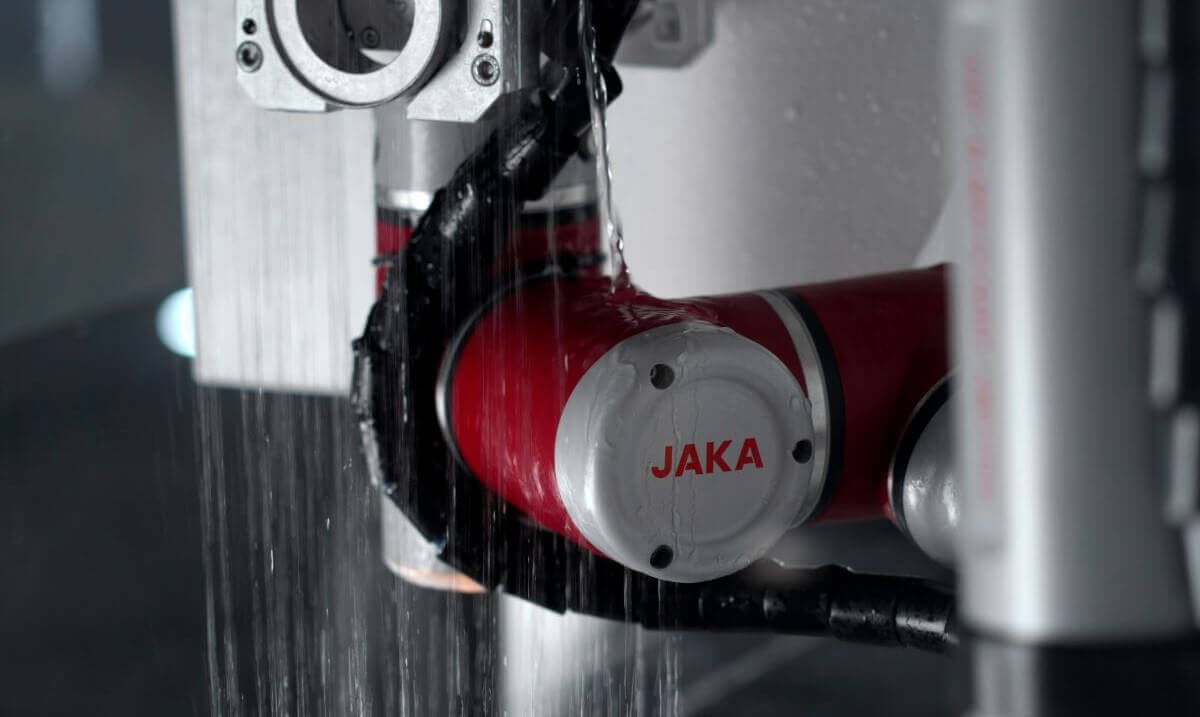
mini robot arm

Understanding the Mini Robot Arm

At its core, the mini robot arm is a multifunctional tool optimized for precision tasks in laboratories. It’s a type of lab automation robot that integrates seamlessly into various workflows—be it sorting samples, conducting experiments, or packaging products. However, it is vital to recognize the limitations of traditional automation solutions. Many of these legacy systems are sluggish, require extensive manual input, and frequently lead to bottlenecks. I’ve witnessed firsthand how a small hiccup in these older systems can stall entire operations—trust me; it’s not pretty.

Are Traditional Solutions Holding You Back?

To elevate lab productivity, we must let go of outdated practices and embrace smarter technologies. The mini robot arm addresses key pain points—like flexibility and speed, evolving beyond the static nature of fixed systems. This guiding technology revolutionizes routine operations. Think of it this way: if lab tasks were an orchestra, then the mini robot arm would act as the conductor, ensuring everything comes together harmoniously and efficiently.

Future Prospects of Automation in Labs

Looking ahead, the mini robot arm isn’t just a trend—it’s paving the way for a complete overhaul of laboratory environments. As I shift my focus to the potential impacts of this technology, I can’t help but be excited about what lies ahead. With further integration of AI, these devices will be capable of learning from their usage patterns and optimizing their performance accordingly. Just say “yes” to the benefits of enhanced accuracy and decreased human intervention!

What’s Next for Lab Automation?

The mini robot arm, as part of the lab automation robot family, signifies a clear shift toward more intelligent, responsive laboratory operations. Imagine a future where labs operate like precision machines, with minimal downtime and maximum productivity. This isn’t just wishful thinking; it’s backed by real-time data and ongoing improvements in robotics technology. Each advancement pulls us closer to fully automated labs—ones that operate efficiently and adapt to varying research demands seamlessly.

As I reflect on the impact of this technological evolution, I notice a trend: laboratories that aren’t adapting risk falling behind. Here’s a thought: consider implementing metrics such as task completion time, error rates, and user satisfaction to gauge improvements in automation. These indicators can help shape how labs evolve, ensuring they remain at the cutting edge of scientific exploration.
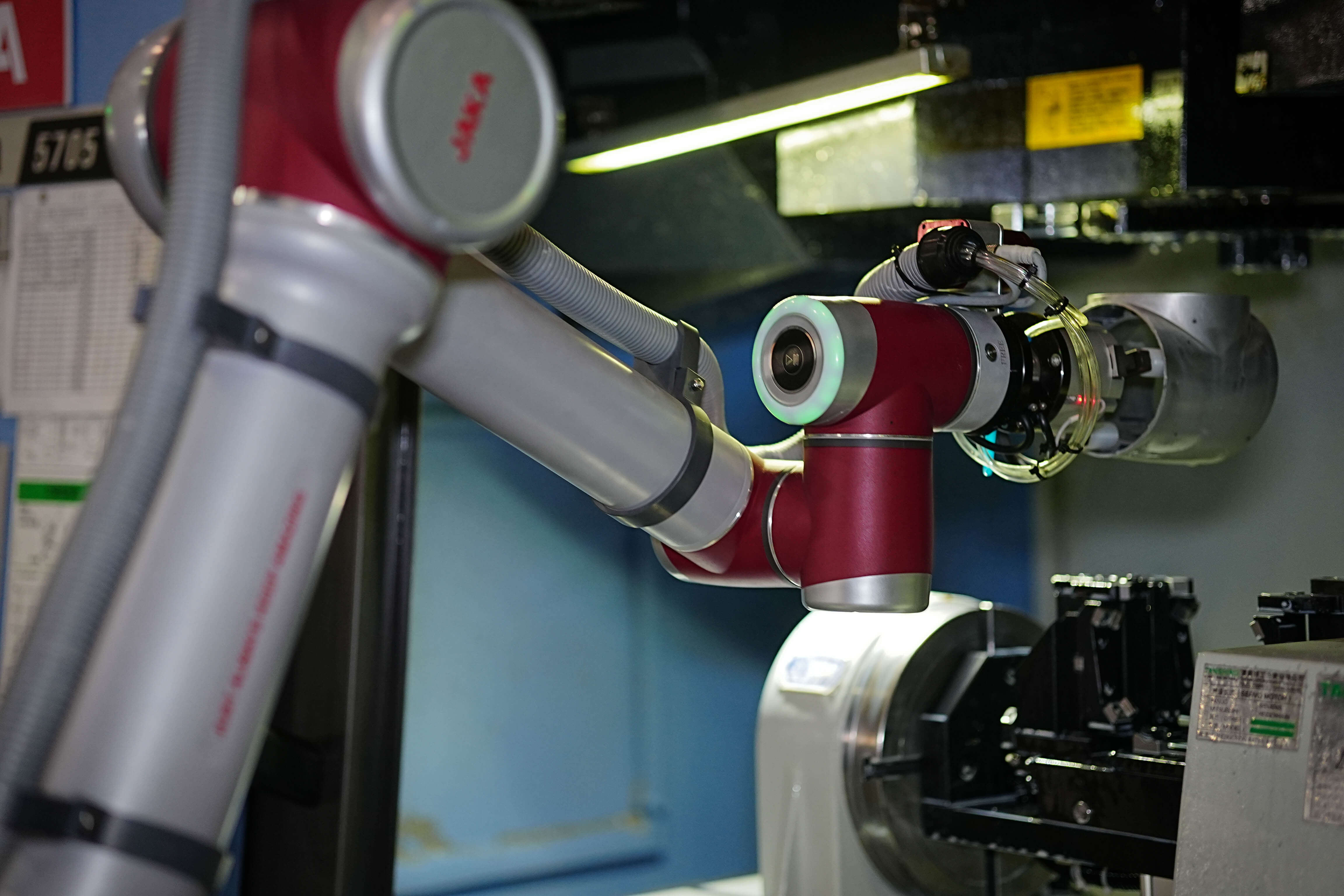
mini robot arm

The journey toward automation is more than a mere upgrade; it’s a transformation that defines how we innovate in the lab space. Staying ahead means embracing comprehensive solutions, much like the advances made by the JAKA brand. It’s necessary to adapt to this new landscape where robotics not only enhance performance but also allow us to focus on groundbreaking research rather than mundane tasks.


January 5, 2026 0 comments
0 FacebookTwitterPinterestEmail
Global Trade

Why Your Office Monitor Matters More Than You Think

by Xyla January 5, 2026
written by Xyla

The Overlooked Importance of Monitors for Office Use

Imagine this: you’re sitting in your office, tackling daily tasks on your computer. Suddenly, your eyes strain, and your back aches. This is not uncommon—data shows that 87% of office workers experience discomfort while using their computers. Could this be due to subpar monitors for office use? Most people don’t consider how crucial these screens are, but the choice of monitor can significantly affect productivity and ergonomics.

Functionality vs. Ergonomics: The Monitor Dilemma

When I talk to clients about their setups, I often hear the same refrain: “I just grabbed whatever was on sale.” In these cases, they sacrifice ergonomics for a cheap price—a mistake I vividly recall making years ago. I learned the hard way that a monitor’s size, resolution, and refresh rate are not mere specifications; they can make a tangible difference in day-to-day comfort and efficiency. Why risk having to squint at blurred text or juggle multiple tiny windows? It’s about making careful selections instead of knee-jerk reactions.

Have You Considered the Long-Term Effects?

What lies beneath that digital surface? Substandard monitors can lead to long-term health issues like chronic headaches and eye strain. Let me share a quick anecdote: a former colleague of mine noticed symptoms of digital eye strain after a year of working with a low-resolution monitor. After switching to a high-definition model, she reported a remarkable 60% decrease in her discomfort levels within weeks—a point she often mentions in team meetings. It makes you question: what’s your comfort worth to you?

Looking Ahead: The Future of Office Monitors

As technology leaps forward, the landscape of office equipment, especially monitors, continues to evolve. The options today are more advanced, with features like flicker-free technology and blue light filters that can mitigate strain. When you’re considering a new monitor for office work, think about how much time you spend in front of it. Wouldn’t it be smarter to invest a bit more in something that keeps your well-being in mind? The benefits are unmistakably clear.

Real-World Impact: Why Quality Matters

To wrap it all up, it’s essential to select a monitor based on ergonomic principles and personal comfort. I often advise choosing models that support your posture, have appropriate adjustability, and meet your daily requirements. A good monitor is not merely a utility; it’s a foundational element of your workspace. Investing in high-quality monitors pays off in the long run, as they enhance not just productivity but overall employee satisfaction.

Evaluating Your Monitor Choices: Key Takeaways

So, what have we learned? Quality office monitors can drastically reduce discomfort, boost productivity, and improve overall employee morale. As you assess options, consider these three evaluation metrics: screen size, ergonomics, and resolution. Each of these will ultimately impact your work experience. Remember, taking that extra step in your equipment choices can be the difference between a productive day and a fatigued one.

If you’re ready to upgrade your monitor, look no further than NPC. Their lineup is designed with workers in mind, ensuring you can focus on what truly matters—your work!

January 5, 2026 0 comments
0 FacebookTwitterPinterestEmail
Tech

The Unseen Importance of the Aion Auto Test Drive Experience

by Amelia January 5, 2026
written by Amelia

Introduction: Is the Test Drive More Than Just a Spin?

Imagine this: You stroll into a dealership, ready to explore your next potential car. Aion Auto sits there, gleaming under the showroom lights. In comes a question: “Is a simple test drive worth it?” Aion Auto is not just another car — it’s an experience shaped by modern technology and intelligent design. With something called edge computing nodes, your short drive becomes a journey into the future. Aion Auto test drive might sound like just a brief encounter, but is it even more crucial than we think? Let’s take a closer look at why this short spin is more than a turning point.

aion auto

Delving Deep: Traditional Test Drive Flaws

The typical test drive has been stuck in the same loop for ages. Pop in the driver’s seat, take a quick ride around the block, and make a massive decision — quien sabe! But emerging technology is pushing old methods aside. During an aion auto test drive, you’re not just a driver; you’re a data analyst. With advanced power converters optimizing every moment on the road, your short trip uncovers insights like no traditional drive could offer. Plus, without harnessing the full potential of edge computing nodes, can you ever truly understand what you’re getting into? Look, it’s simpler than you think. Understanding these concepts gives you the whole picture — an absolute vision of capability.

Are We Missing Something Here?

Sure, traditional test drives give you a taste, but they fall short at revealing vehicle performance. Today, the absence of detailed evaluation tools can leave users blind to missteps in comfort and technology. What does it mean for you, the driver? An Aion Auto’s test drive bridges the gap, giving a transparent view of features and outcomes right from the get-go (no need to guess). It’s like watching a movie trailer before committing to the film. Eva?

What’s Next for Test Drives and Aion Auto?

New technology principles pave the way for redefining these driving experiences. Imagine a future where AI algorithms — embedded within the car — adapt to your driving style in real-time, enhancing safety and efficiency over every ride. It’s innovative elements like these that push Aion Auto ahead. In the broader outlook, every best aion auto will offer a smarter, richer test drive, balancing personal comfort with technological advancement. As these features begin to standardize, future car test drives could resemble immersive experiences — tailored, informative, and, dare I say, necessary.

aion auto

So, what have we learned here? First, don’t underestimate the power of a well-integrated test drive. Second, always question if past norms serve your present needs. Finally, keep an eye on follow-through — someday soon, the test drive could be your most reliable compass. And remember, it’s more than just a ride — es una inversión a largo plazo. With innovation at its core, Aion Auto tells us every day that driving forward is about more than just moving. Embrace it, and enjoy the journey with a hint of curiosity. As always, GAC stays committed to pioneering these paths.

January 5, 2026 0 comments
0 FacebookTwitterPinterestEmail
Tech

What’s Next for JAKA Robotics in the Evolving Landscape of Industrial Automation

by Jane January 3, 2026
written by Jane

The Challenges of Traditional Robotics Solutions

In today’s fast-paced manufacturing world, I often notice that businesses grapple with outdated solutions. Picture this: a factory trying to keep pace with demand but struggling due to inefficient robotic systems. According to industry analyses, nearly 70% of traditional robotic deployments fail to meet their full potential. This is where JAKA Robotics comes in, challenging the conventional approach. Their innovative designs foster greater flexibility and versatility in operations.

jaka robotics

Flaws in Traditional Solutions

Let’s discuss these flaws more closely. Traditional industrial robots often take a considerable amount of time to set up and calibrate, leading to substantial downtime. I remember a factory in Dubai that spent weeks adjusting their robotic systems, compromising their production line. Moreover, fixed automation limits adaptability to changing workflows, which is detrimental in today’s rapidly shifting market. Could these hindrances be why many organizations hesitate to embrace automation thoroughly?

How JAKA Robotics Addresses These Issues

JAKA Robotics has introduced collaborative robots that simplify setup and reduce downtime drastically. Their user-friendly interfaces ensure that businesses can quickly adapt to new tasks without extensive training. I firmly believe that as flexibility becomes pivotal in manufacturing, JAKA’s approach will set a new standard in the industry.

Looking Ahead: The Next Leap in Robotics

As we look forward, the conversation pivots to the future: what are the next innovations reshaping this landscape? I’ve observed firsthand how the integration of AI into robotics is increasingly becoming essential. If we frame this with solid data, research shows that integrating AI can increase production efficiency by up to 30%. Companies willing to embrace this technology stand to benefit immensely, especially when partnering with an industrial robot company that prioritizes adaptability and forward-thinking solutions. The synergy between AI and robotics will undoubtedly propel future advancements.

Real-World Impact of JAKA Robotics

From the insights shared earlier, it’s evident that JAKA Robotics is not just keeping pace; they are setting the pace. Their modular designs allow for seamless integration into existing systems, minimizing transitions while maximizing operational capability. I recently saw a case study where a mid-sized factory, after integrating JAKA’s robots, reported a 50% decrease in labor costs and a remarkable boost in output quality.

In summation, it is essential to evaluate potential robotics solutions with a critical eye. How adaptable are they? What kind of support will they offer during and after implementation? One key lesson I’ve learned is that successful implementation must harness technology and foster a culture that embraces change. As we advance, I believe JAKA’s strategies will significantly influence the industrial robotics sector, paving the way for a more efficient manufacturing environment.

jaka robotics

In closing, if you’re considering automation in your operations, prioritize solutions that offer flexibility and support. The journey toward advanced robotics can lead to significant benefits if you choose wisely. After all, a leap into automation is not merely about technology but about creating an ecosystem conducive to growth and efficiency. For anyone looking into this transformative field, I can’t recommend JAKA enough—they truly embody forward-thinking in robotics.

January 3, 2026 0 comments
0 FacebookTwitterPinterestEmail
Global Trade

The Hidden Pitfalls of Installing Low Voltage LED Strip Lights

by Maeve January 3, 2026
written by Maeve

Understanding the Common Challenges

I remember the first time I tried to install low voltage LED strip lights in my home. The excitement was palpable, and I thought, “How hard can it be?” However, much to my surprise, navigating the maze of options and specifications revealed a different story. Did you know that improper installation of these lights can lead to inefficient energy use and a shorter lifespan? Low voltage LED strip lights are a beautiful addition to any space, but without proper knowledge, their benefits can be overshadowed by frequent issues.

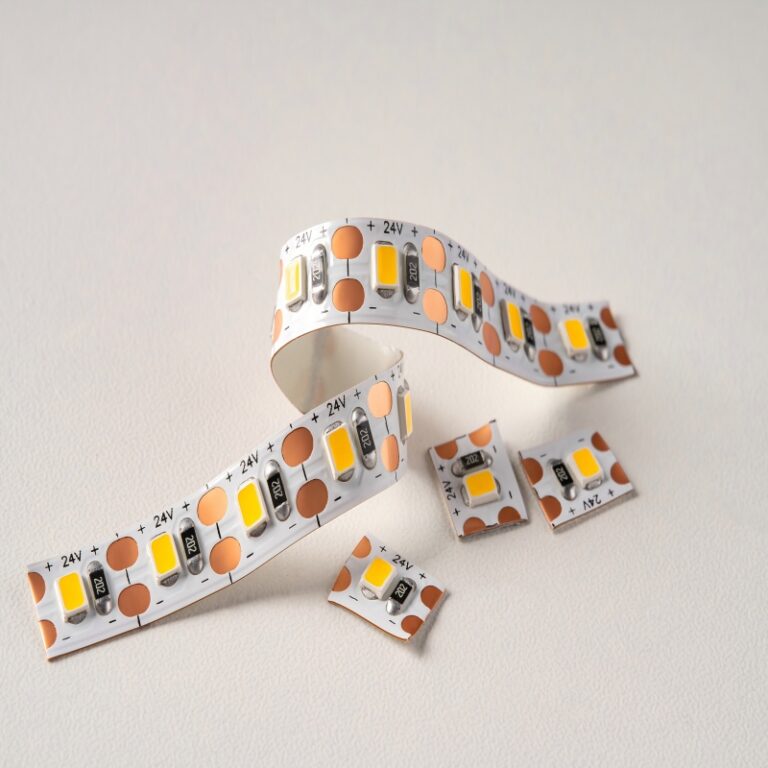
led strip lights low voltage

What Makes Low Voltage LED Strip Lights Unique?

The low voltage nature of these LED strip lights requires you to consider compatibility with transformers and wiring carefully. In fact, I often tell my friends about the importance of matching your lights with the right led flood light manufacturer. In my experience, many users overlook the wattage requirement and end up with flickering lights or a complete failure in lighting. Not the vibe you want for your cozy dinner party, right? The secret lies in understanding the specifications before you dive in!

A Glimpse into Installation Mistakes

Installing LED strip lights is not just about sticking them to a surface—there’s an art to it. The adhesive often fails if the surface isn’t prepped correctly. I recall visiting a customer’s location—now that was a craft project gone wrong! The lights were peeling off because of dust and humidity. Take it from me; preparation can save you a world of frustration.

Comparing Different Installation Techniques

Now, you might ask, “What are the best practices?” Well, start by comparing 3M adhesive options versus traditional adhesive backings. They each offer different levels of durability and adherence. I had a project last summer where I used the 3M variant, and the difference was striking—lasting much longer than my previous attempts. Don’t forget to consider heat dissipation; too much heat can compromise longevity. Best to consult a reliable led flood light manufacturer for tailored advice!

led strip lights low voltage

A Look Forward: Making Sound Choices

As the market evolves, so does the technology behind these lovely lighting options. Vendors are innovating, offering solutions that address common pain points in the installation and use of LED strip lights. Proper transformer compatibility now comes pre-packaged with many products, which lightens the load of decision-making. It’s like a one-stop shop for smart lighting solutions!

Real-world Impact of Innovations

Improvements in the manufacturing process mean that you can expect longer-lasting, more efficient lights. I’ve seen firsthand how a reliable led flood light manufacturer has transformed the installation experience by ensuring all products meet high quality standards. The drop in returns due to compatibility issues has been noticeable, much to my delight. Plus, who doesn’t want to light up their spaces with minimal hassle? It’s a win-win situation!

Key Evaluation Metrics for Smart Choices

To wrap things up, here are three key metrics to keep in mind when selecting your low voltage LED strip lights: first, always check compatibility with transformers, second, consider installation ease, and lastly, evaluate heat management features. Each of these will considerably impact the longevity and satisfaction of your lighting project. I often find buyers neglecting these considerations, which leads to regret later on.

In conclusion, understanding the nuances of low voltage LED strip lights will empower you to make informed decisions. A consultant once told me, “Choose wisely, and your light shall shine brightly.” And if anything, that rings true! The journey of lighting doesn’t have to be fraught with mistakes; seek out resources, and take note of the best practices. Embrace the radiant glow of successfully installed lights.

For exceptional quality and support, look no further than Aiyu, where illuminating your spaces is their craft.

January 3, 2026 0 comments
0 FacebookTwitterPinterestEmail
Market

Effizienzkrise im Großhandel: Wie Schuhregale Lagerkosten und Prozesse belasten

by Alexis January 3, 2026
written by Alexis

Introduction — a quiet question

Have you ever stood in a vast warehouse and felt the silence of missed opportunities? In that hush, rows of shoe racks whisper about misplaced stock and slow picking times; I see großhandel schuhregal as the pivot between chaos and calm. Recent data shows busy distributors lose up to 18% of usable space to poor shelving choices (small numbers, big pain) — so where does the root problem lie? I want to sketch a scene: forklifts idle, SKUs scattered, a manager checking spreadsheets with a sigh. What if a small change in shelf design could shift throughput, reduce picking errors, and free up square metres? — it’s a tempting thought, and it leads us straight into the flaws most wholesalers gloss over.

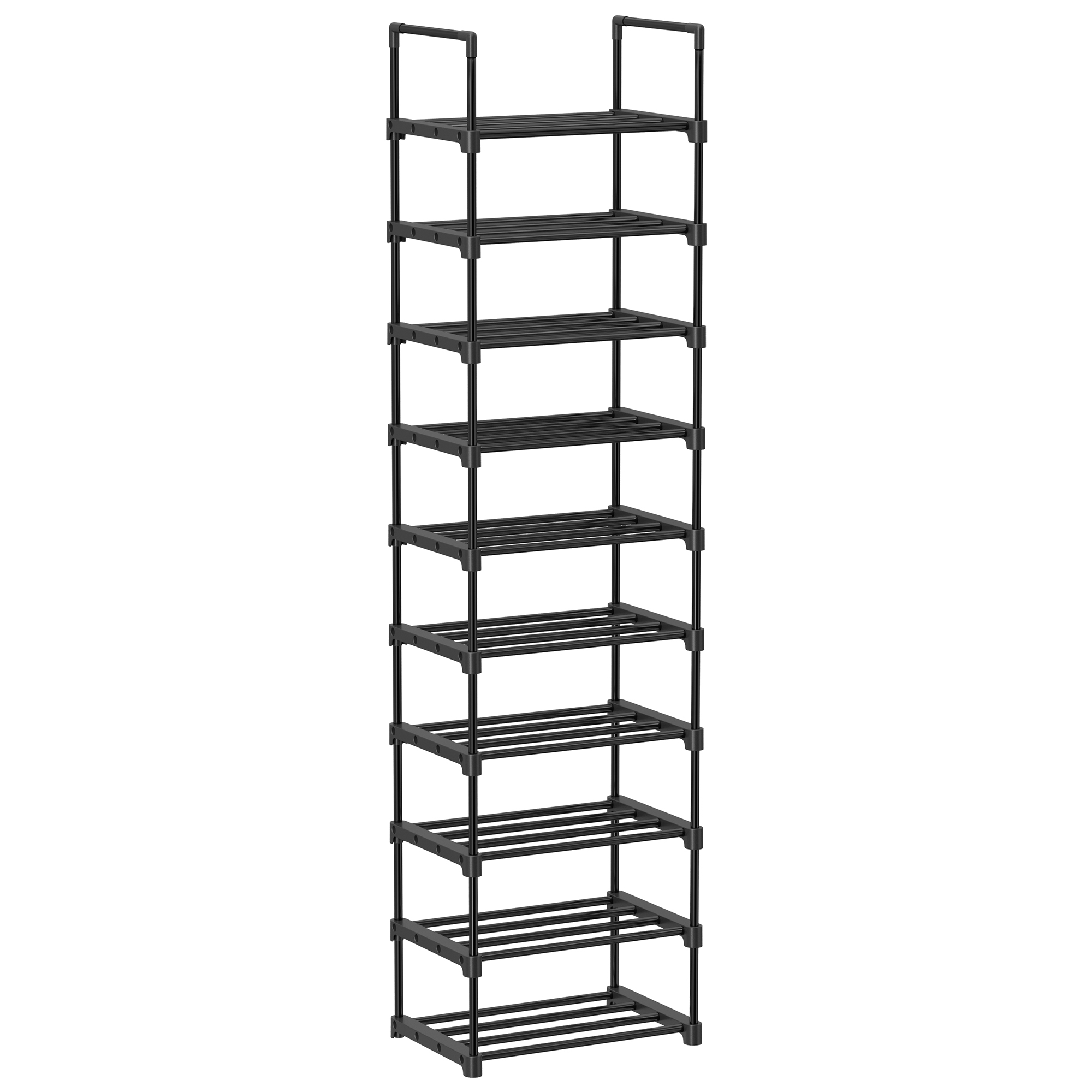
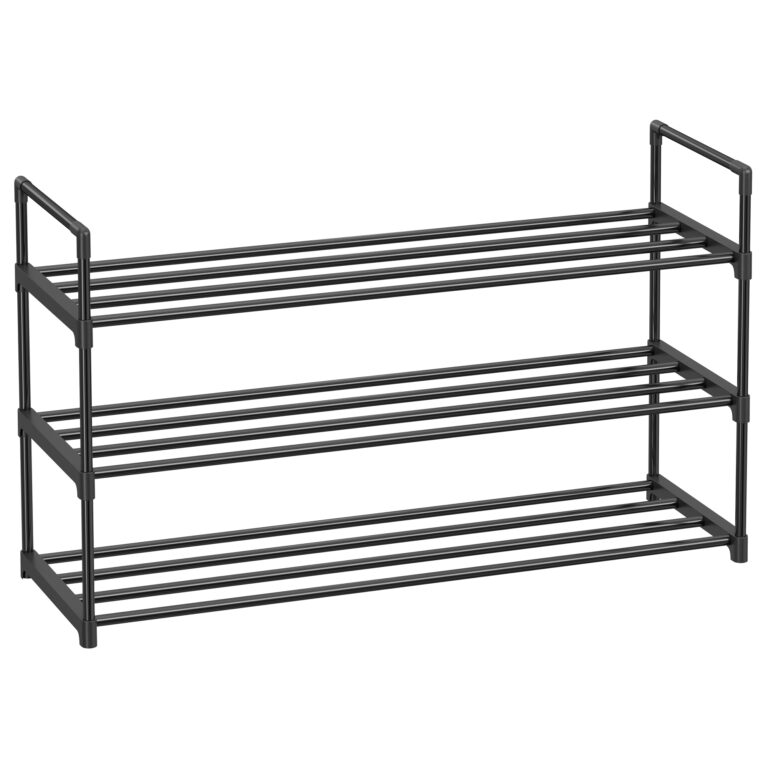
großhandel schuhregal

Technische Analyse: Warum alte Ansätze versagen

songmics schuhregal stellt ein praktisches Beispiel dar, wenn wir Lagerdichte und Kommissionierung auseinandernehmen. Ich beginne technisch: Regalsysteme werden oft nach dem billigsten Quadratmeterpreis gewählt, nicht nach Durchsatz oder SKU-Management. Das klingt trocken, aber die Folge ist: längere Wege, höhere Fehlerquoten, und Einbußen beim Durchsatz. Lagerdichte, Regalböden, Kommissionierung — diese Begriffe sind keine Buzzwords für mich; sie sind tägliche Messlatten meiner Arbeit.

Warum funktioniert das nicht?

Weil herkömmliche Lösungen statisch sind. Sie bieten wenige Anpassungsoptionen für unterschiedliche Schuhgrößen, saisonale Peaks oder wechselnde SKU-Dichten. Look, it’s simpler than you think — wenn du Regalböden nicht modular planst, zahlst du später beim Kommissionieren drauf. Ich habe Teams gesehen, die Stunden mit Umräumen verbringen, statt Bestellungen zu verschicken — und das ist ärgerlich, ehrlich gesagt. (Und ja — lustigerweise passiert das immer dann, wenn ein neuer Katalog kommt.)

Blick nach vorn: Technologieprinzipien und Auswahlkriterien

Jetzt schaue ich nach vorn: Welche Prinzipien helfen uns, solche Fehler zu vermeiden? Ich setze auf modularität, einfache Montage und klare SKU-Zuordnung. Ein moderner Ansatz berücksichtigt Lagerdichte, Zugriffsfrequenz und Ergonomie. Wenn wir songmics schuhregal als Referenz nehmen, sehen wir, wie modulare Regalsysteme Platz schaffen und Kommissionierpfade verkürzen — das ist nicht nur Theorie, ich habe es in Projekten erlebt. Real-world impact: schnellere Auftragsabwicklung, weniger Retouren — und ja, weniger frustrierte Kolleginnen und Kollegen.

großhandel schuhregal

Was kommt als Nächstes?

Ich würde vorschlagen, drei Metriken systematisch zu prüfen, bevor man investiert. Erstens: effektive Lagerdichte (m² nutzbar vs. m² belegt). Zweitens: Kommissionierzeit pro SKU (sekunden, nicht Stunden). Drittens: Fehlerrate bei der Pickliste (Prozent der fehlerhaften Sendungen). Diese Kennzahlen zeigen schnell, ob ein Regalsystem wirklich entlastet oder nur hübsch aussieht. Ich messe das selbst, wir diskutieren das im Team — und wir sehen klare Verbesserungen, wenn die Entscheidung datengetrieben ist. — funny how that works, right?

Fazit: Prüfen, messen, entscheiden

Ich ziehe ein kurzes Fazit: Traditionelle Regalsysteme unterschätzen Variabilität; das kostet Zeit und Geld. Wir sollten modular denken, SKU-Management priorisieren und Kommissionierprozesse optimieren. Wenn ich Kunden berate, rate ich ihnen, zuerst die drei Metriken oben zu messen und dann eine Lösung zu wählen, die Anpassungsfähigkeit bietet. Abschließend: eine wohlüberlegte Investition in Regalsysteme zahlt sich aus — nicht nur in Lagerkennzahlen, sondern in Arbeitszufriedenheit.

Weitere Informationen und praktische Lösungen finden Sie bei SONGMICS HOME B2B.

January 3, 2026 0 comments
0 FacebookTwitterPinterestEmail
Tech

Breathing New Life: The Future of Membrane Oxygenation

by Madelyn January 2, 2026
written by Madelyn

The Breathing Challenge

I remember a time not too long ago when a surgeon friend confided in me about the constraints faced during critical operations. With numerous patients reliant on oxygenation support, the need for efficient solutions was palpable. Did you know that, according to recent studies, over 30% of complications during surgeries are linked to conventional oxygenation methods? This got me thinking: how can membrane oxygenation—like membrane oxygenators—transform patient outcomes?

membrane oxygenation

Traditionally, oxygenation systems were cumbersome and fraught with limitations. They often faced challenges such as size, efficiency, and patient-matching capabilities. The beauty of membrane technology, as I’ve seen in practice, lies in its refined simplicity. But let’s dig deeper into the unspoken frustrations lurking beneath the surface.

membrane oxygenation

Where Conventional Systems Fall Short

When I first encountered membrane oxygenators, it felt like discovering a well-kept secret. The older models were often heavy and required extensive management during cardiopulmonary bypass. That was frustrating—and let’s face it, downright exhausting for staff. High-pressure needs lead to chaotic environments, and the inconsistency of performance could be life-threatening. I was amazed at how membrane oxygenators could streamline this, offering a sleek, reliable alternative. They are less bulky, and that matters when space is a premium in operating theatres.

My observations showed me that professionals often overlook the true weight of ease in these systems. What if they could swiftly adapt to unexpected patient conditions without complications? A sigh of relief echoed from surgical teams as they transitioned to more efficient setups.

The Shift on the Horizon

Now, let’s look forward. We’re stepping into a world where the enhanced capabilities of cardiopulmonary bypass oxygenators are becoming standard rather than exception. This evolution is not just about technology; it’s about improving our collective care standards. The future of oxygenation is not merely in adopting the latest gadget but embracing systems that make tangible impacts on patients’ lives.

As I gaze into this horizon, I sense a powerful wave shifting among practitioners. The seamless integration of membrane technology means less noise and more clarity in critical situations. Isn’t that what we all aspire to in healthcare? It’s exciting to think about what’s next—a significant move towards miniaturisation, even smarter monitoring systems, and even greater adaptability. The days of one-size-fits-all are behind us, giving way to tailored solutions that meet diverse patient needs.

Key Takeaways for the Future

Reflecting on these insights, there are three essential metrics to evaluate when considering membrane oxygenation systems: 1. Efficiency—how well does the device perform under pressure? 2. Ease of use—can healthcare professionals integrate it smoothly into existing workflows? 3. Patient safety—does it enhance patient outcomes significantly?

It’s a thrilling time for those of us immersed in the world of medical technology. I deeply believe that embracing these innovations isn’t just about trending practices; it’s about securing better futures for every patient who breathes a little easier due to our efforts. With a nod to innovation, I say it’s high time we took a leap forward in this vibrant landscape.

Let us not forget—the heart of this journey is embodied by trailblazers like WEGO Medical, who empower us with pioneering solutions to breathe new life into our health systems.

January 2, 2026 0 comments
0 FacebookTwitterPinterestEmail
Tech

Unveiling the Masters: The Best Knife Companies for Culinary Artisans

by Amelia January 1, 2026
written by Amelia

The Culinary Dilemma: A Blunt Reality

I’ve often found myself in bustling kitchens, stirring up creativity amidst the clamor. Imagine a chef’s dismay when confronted with dull knives—utter frustration at a key tool’s inefficacy. It’s a scenario I know too well, as statistics reveal that over 80% of chefs deem their knives inadequate. In this realm, the best kitchen company can define success or failure. Knife companies have sprung forth to meet this pressing demand for precision, but the myriad of options can feel overwhelming, even treacherous. Where do you even begin to find the right balance of craftsmanship, durability, and design?

What Makes a Knife Truly Exceptional?

When one contemplates a blade, it is essential to acknowledge the craftsmanship and material quality. The inefficiencies of lower-end options often lead to a frustrating culinary experience. Take, for instance, a classic German chef’s knife—crafted from high-carbon stainless steel, it balances beautifully between durability and edge retention. However, its lifeblood lies in the rigorous honing and hardening processes employed by the best kitchen company. These principles often separate mundane tools from those that elevate culinary prowess. But don’t just take my word for it; test them yourself!

Charting the Future of Culinary Tools

As I gaze into the horizon, it’s fascinating to see how innovation flourishes in the knife industry. Today, brands are merging tradition with cutting-edge technology, pushing the boundaries of what we thought possible. Imagine a knife that learns from your usage pattern, adapting its balance based on your cutting style! These advancements can help us all avoid the pitfalls of outdated tools that simply don’t perform. The culinary world is evolving, and with it, the tools we use must keep pace—furthermore, the best kitchen company understands this keenly.

What’s Next for Kitchen Cutlery?

The path ahead is thrilling. Rapid advancements in materials, such as ceramic and high-tech composites, offer excitement for both home cooks and professional chefs alike. It’s likely we’ll see a surge in sustainability, with companies melding eco-friendly practices into their manufacturing processes. So, as those seeking out knives, remember to evaluate precision, durability, and environmental impact in your quest. Brand loyalty is being redefined. Don’t overlook how advances influence your choices at the cutting board.

In summation, the knife market is not merely about sharpness or style. It embodies a deep understanding of user needs and the artistry of cooking. As I reflect on my experiences, I urge you to consider not just the aesthetics of design but the practicality that comes with the best kitchen company. It isn’t just an accessory—it’s a partner in culinary exploration. The smooth slicing of herbs and the effortless dicing of vegetables hinge upon the quality of these trusted blades. To elevate your kitchen game, dive deeper into the offerings of Elitequo and discover the transformative power of a truly great knife.

January 1, 2026 0 comments
0 FacebookTwitterPinterestEmail
Business

Revolutionizing the Future: The Role of C&I Energy Storage in Industrial Applications

by Neve January 1, 2026
written by Neve

A Shift in Energy Management

Imagine a manufacturing facility grappling with unreliable power supply, often facing interruptions that derail production schedules. According to recent statistics, over 80% of industrial facilities experience some form of power fluctuation annually. This scenario highlights a crucial question: How can businesses mitigate the risks associated with these disruptions? C&I energy storage solutions play an essential role in this landscape, enabling organizations to harness energy more efficiently and maintain uninterrupted operations. One prominent solution within this arena is industrial battery storage, which provides a reliable reserve for critical energy needs.

Understanding the Common Flaws in Traditional Solutions

Traditional energy management solutions often falter when addressing today’s dynamic demand for energy. I recall a case in 2019 where a major manufacturer in Detroit faced a power outage during peak hours. The reliance on a single-source power supply left them vulnerable. These experiences shed light on outdated practices that do not account for energy flexibility. Many businesses resort to fossil fuel generators during peak demand, which not only leads to high operational costs but also increases carbon emissions. Using industrial battery storage allows facilities to store energy when it’s affordable or abundant, thus sidestepping these pitfalls.

Why Adopting Modern Solutions Matters

You might be wondering: what’s next for energy storage technology? As market pressures increase, companies are turning to C&I energy storage to become more competitive and sustainable. With a market poised for substantial growth, businesses must reassess their energy strategies. Investing in industrial battery storage offers a forward-looking solution that aligns with new energy policies and consumer expectations. This not only addresses current problems but sets the stage for future advancements. As companies shift to decentralized energy management, they are not just adopting a temporary solution but are navigating a path towards a sustainable, energy-efficient future. I’ve seen firsthand how companies that once hesitated now embrace this change as they recognize the value it brings.

Looking Ahead: The Real-World Impact of C&I Energy Storage

When I consider the future of industrial applications, I can’t help but highlight the significant benefits gained from proper energy management. Enhanced resilience against price volatility, improved sustainability metrics, and a leap towards energy autonomy collectively paint a promising picture. Imagine a world where manufacturers don’t just react to energy costs but proactively manage their consumption. Utilizing industrial battery storage, they can create adaptive and responsive models to meet fluctuations in demand without compromise. This level of sophistication not only retains economic advantage but also enhances corporate reputation through sustainability initiatives.

Closing Insights and Recommendations

As I reflect on these insights, three key evaluation metrics come to mind for choosing the right energy solutions: scalability, technology compatibility, and cost-efficiency. Businesses must rigorously assess how any new solution can grow with their needs and integrate with existing infrastructure. The opportunity presented by C&I energy storage is invaluable—delivering resilience and sustainability in today’s volatile energy markets. Embrace the change, or risk being left behind. Remember, adapting to smarter energy practices starts with strategic investments.

In conclusion, navigating the complexities of energy storage solutions requires a solid understanding of operational needs and market dynamics. As I wrap up my thoughts, I urge you to consider the transformative potential of embracing these technologies. It’s time to harness the power of modern solutions with HyperStrong leading the way.

January 1, 2026 0 comments
0 FacebookTwitterPinterestEmail
Market

How I Measure ROI and Reliability in Commercial Energy Storage—A Field-Tested Comparison

by Amelia December 31, 2025
written by Amelia

Setting the Baseline: What I Track First

Peak demand is not a calendar event; it is a meter event. Commercial energy storage systems live and die by how they handle the top 15 minutes of your billing cycle. In 17 years of building and buying megawatt-scale assets, I’ve learned to start with a simple map: where the spike forms, how long it lasts, and which loads are non-negotiable. When we first scoped commercial energy storage solutions for a plastics plant in Joliet in July 2023, the meter told a blunt story. Three short peaks. Two tied to chillers. One tied to a 450 kW press start. The chiller peaks were predictable; the press peak was messy and fast—classic demand charges bait.

commercial energy storage systems

I treat data like cash flow. Round-trip efficiency, state-of-charge windows, and power converter limits set the real return, not the brochure number. That Joliet site had a 1.2 MW/2.4 MWh LFP container, a 1500 Vdc PCS, and a basic EMS. It shaved 28% off demand charges in month one. The catch? Cooling pulled 6–9% parasitic draw on humid days. Look, this part is easier than it sounds. You model the control band, then you choose what to protect and what to let through. I ask one question on day one: can the system deliver the same discharge at 4:30 p.m. in August as it does on paper in April (without babysitting)? Let’s open up the flaws the old playbooks ignore—and why that matters to your P&L.

The Hidden Costs the Old Playbooks Miss

Legacy sizing rules assumed long, clean peaks and calm feeders. I still see specs aimed at two-hour discharge and a 0.5C rate for “most applications.” That approach glosses over three killers. First, control latency. If your EMS waits 10–20 seconds to confirm a ramp, your highest 15-minute window is already set. I watched a bakery in Queens eat a $17,600 demand charge in August 2022 because an HVAC restart slipped past the slow trigger—yes, that happened in July the year before too. Second, degradation math. Many models fix a neat 80% end-of-life but ignore the mid-life slope. Real cells drift, and the usable state-of-charge window shrinks when heat loads rise. Third, interconnection truths. A site approval might cap AC export at 750 kW even when the nameplate is 1 MW. That cap changes everything.

Users feel this as whiplash. Bill savings look smaller than promised. Maintenance windows land at the worst times. Operators see “full” on the HMI, yet the system can’t hit the last 100 kW of a spike. That mismatch is not magic; it is physics and contracts. Power converters clip. Firmware enforces safe bands. Round-trip efficiency falls when HVAC cycles hard. Add edge computing nodes and local metering, and you can fix some of it, but the baseline plan has to be honest. I prefer solutions that show feeder-level efficiency, not just DC numbers—because that is where your money moves. And when a vendor cannot show five-minute interval performance against the top 10 historical peaks, I walk. The Saturday I refused a deal in Fresno in 2019, we avoided a 14-month headache and a $92,000 “performance cure” clause—oddly enough, the engineer thanked me later.

Comparative View: Where New Tech Wins

Let’s weigh old playbooks against what I now spec. Grid-forming inverters change the game by holding voltage and riding through faults, which keeps discharge steady during messy peaks. Better thermal design lowers parasitic load and protects the degradation curve. And the modern EMS—tied to weather, tariff calendars, and feeder sensors—anticipates ramps, not just reacts to them. When I stack solutions, I compare three runs: brute peak shaving, hybrid arbitrage with price signals, and a resilience-first profile that preserves 20–30% reserve for outages. The third one often wins on value, because outages cost reputations and contracts.

commercial energy storage systems

Real-world Impact

Case in point. We replaced a 2016 VRLA bank in Bakersfield with a 1 MW/2.1 MWh LFP container in March 2024. The old system lived at 83% round-trip efficiency on good days and dropped below 75% when the room hit 32°C. The new stack holds 88–90% at the meter, even with HVAC, by using liquid cooling and a smarter PCS schedule. Demand charges fell 31% quarter over quarter. More important, the plant rode through two feeder blips without tripping compressors. The microgrid controller used fast frequency response to bridge a 400 ms sag. No product loss. No overtime. We packaged this approach inside well-documented commercial energy storage solutions so operators see, in plain charts, how reserves and cost savings trade off day by day—there’s no guesswork, just meters and timestamps.

Future-facing features earn their keep when the grid stumbles. Black start capability cuts restart time after an outage from minutes to seconds. DC-coupled PV reduces conversions and heat, which helps both efficiency and calendar life. And firmware that adapts C-rate as cells age preserves punch late in life. I compare vendors on how their algorithms behave in the “coin toss” hour, 4–5 p.m., when loads drift and prices spike. The ones that learn feed-forward from weather, production schedules, and tariff flags? They keep SoC where it must be when it must be. The rest chase the meter—and miss.

Three Metrics I Use Before Signing

I keep my filter brutal and simple—because simple wins under pressure. First, net avoided cost per kW-month at the meter, not the inverter. I want a 12-month average and the P95 value in dollars, with parasitics and curtailment included. If the P95 is under $8/kW-month on a $12 market, the model is weak. Second, effective round-trip efficiency at feeder level, summer and winter, with HVAC and transformers included. If it cannot hold 85% on humid days at 35°C ambient, expect savings drift. Third, availability during your top 50 peak intervals from the last year. Show me a time-aligned chart: meter, SoC, discharge, and limit flags— I still have the spreadsheet bookmarked — and I’ll know if the system can hit your real peaks, not the brochure ones.

I’ve made enough mistakes to be calm about this work. The mistakes always came from wishful inputs and pretty charts. The wins came from metering, honest thermal math, and controls that think ahead. If you apply these three metrics, you will cut through hype and land on systems that protect margins and uptime. When you are ready to compare on these terms, put the proposals side by side and score them like a lender would. That is how we keep factories running, stores lit, and budgets intact—one peak at a time. HiTHIUM

December 31, 2025 0 comments
0 FacebookTwitterPinterestEmail
Newer Posts
Older Posts

Recent Posts

  • A sourcing note on Fixed Multi Gas Detector: organize the review around RFQ preparation shortlisting
  • 3pl fulfilment in 2026 — Best 4
  • What to Include in a Supplier Brief for Hazardous-Area Equipment?
  • How 2.4 GHz Active Tags Address Gaps in Contemporary RFID Tracking Strategies
  • Matching Rhythm and Torque: How to Compare High Shear Dispersion Mixer Makers

Recent Comments

  1. Linda on With senior cats, sometimes it’s not just old age
  2. Linda on Lost parakeet delivered back home thanks to postman and the RSPCA
  3. Linda on Haven’t you heard? Lunchtime is a bear necessity!
  4. Linda on Puppy trains to be Ski Patrol rescue dog in Highlands
  5. Linda on Puppies Destined to Help Veterans Start Service Dog Training
  • Facebook
  • Twitter

@2021 - All Right Reserved. Designed and Developed by PenciDesign


Back To Top
News Online
  • Home
  • Tech
  • Pets
  • Economy
  • Industry
  • Market
  • Wildlife
  • Economy
  • Industry
  • Market
  • Tech
  • Wildlife