• Home
  • Tech
  • Pets
  • Economy
  • Industry
  • Market
  • Wildlife
  • Economy
  • Industry
  • Market
  • Tech
  • Wildlife
News Online
keep your memories alive
Industry

Nine Overlooked Decisions in Seat Manufacturing: Comparative Fixes That Save You Later

by Liam September 13, 2025
written by Liam

Introduction: The Anatomy of a Reliable Seat

Define the load path first; everything else follows. A seat manufacturer does not just shape cushions—it manages forces through frames, joints, and anchors. In large venues, a modern seat factory now sees chairs as small structures with predictable stresses and failure modes (not just decor). Imagine a hospital waiting area where fasteners loosen by month six, or a lecture hall where 12% of arm caps crack before term end. The data is boring yet urgent: field audits often show a mismatch between spec sheets and real duty cycles, especially when chairs face high-frequency use and variable occupant loads. So, what makes a seat hold up when usage spikes and cleaning regimes get harsh?

Here is the technical core. Load-bearing frames distribute force to anchoring points; torque resistance at the hinge defines service life; and foam density controls long-term pressure mapping. Yet PROCUREMENT choices often weight upholstery or lead time more than weld penetration quality or ANSI/BIFMA X5.1 cycle testing—funny how that works, right? When failure shows up, it often hides inside the joint, not the cushion. We will compare what to watch, why old fixes fall short, and which decisions actually change outcomes. Let’s move from “looks good” to “lasts longer”—step by step.

Hidden Fault Lines Users Feel First (But Specs Rarely Show)

Where do failures really start?

Most bids promise comfort and capacity, but the first squeak usually comes from the joint stack. In a busy venue, micro-movement at a bracket accelerates fretting wear, then bolts back out, then frames twist. Look, it’s simpler than you think: if the seat-to-back interface lacks a defined torque spec and thread-lock protocol, your maintenance team becomes the test lab. A capable seat factory designs around this with finite element analysis (FEA), then validates with torque tests and life-cycle rigs. Traditional fixes—thicker foam, more screws—mask the symptom. The real lever is controlled load transfer through the hinge, verified weld penetration depth, and consistent powder-coat thickness so corrosion does not start the clock.

Hidden pain point number two: materials that look premium but creep under heat and time. An injection-molded shell without ribbing will flex; under cleaning chemicals, micro-cracks grow at stress risers. Likewise, cold-rolled steel with poor edge prep before powder coating traps moisture; corrosion blooms under paint, unseen until a seat rocks. And a “meets standard” claim means little if the test protocol skipped edge cases like off-axis loads or randomized impact. When suppliers omit AQL sampling data, you inherit variance. Users do not complain about “weld porosity”—they complain that the row rattles and the aisle seat wobbles. Different words, same root cause.

Comparative Insight: New Principles That Separate Durable from Disposable

What’s Next

Forward-looking factories build a digital thread from design to field. Here is the principle: design the seat like a small bridge. Use FEA for stress mapping, tune rib geometry, and set anti-tipping geometry in the base. Then prove it with randomized cycle testing that mixes vertical load, torsion, and impact—closer to campus or terminal reality. Robotics improve weld consistency; CNC drilling keeps hole alignment true so fasteners seat flat; and updated powder-coat curing reduces micro-pitting at edges. These details sound dry, but they are the difference between two- and ten-year stability. When you compare offers from office furniture suppliers, ask for fixture drawings and process controls, not just catalogs. The better teams show their hinge torque ladder and fastener retention curves—and smile while doing it.

Case signals from the field tell the same story. In one airport retrofit, switching from a single-plate bracket to a double-shear hinge cut seat-back repairs by 68% in a year. Why? Load distribution, not thicker metal. A university auditorium moved to fire-retardant foam with a denser underlayer and integrated venting; this kept pressure mapping stable after 100,000 cycles and improved acoustic absorption in the mid-band. Meanwhile, an arena adopted Class 4 gas-lift cylinders only where adjustability made ergonomic sense, and standardized on through-bolt armrests with compression sleeves elsewhere—fewer SKUs, better uptime. Different choices, same result: control the joint, validate the frame, specify the finish.

Let’s be comparative for a moment. Old method: pick by cushion feel and lead time, then hope the frame holds. New method: select by joint design (proved by section cuts), weld quality (measured by penetration and bead consistency), and finish integrity (verified salt-spray or humidity test hours). Old method: “meets ANSI/BIFMA.” New method: show me the X5.1 protocol, off-axis impacts, and post-test photos. The irony is that better engineering often lowers total cost—fewer work orders, fewer parts, calmer facilities teams. And yes, cleaner lines too—because sound geometry rarely fights good design. Choose the process, not the promise.

Before we close, keep three evaluation metrics handy—simple, comparable, hard to fake. One: joint integrity index, combining hinge torque retention and fastener back-out rate after 50k cycles. Two: frame durability score using strain gauge data and independent salt-spray hours on cut-edge samples. Three: serviceability minutes per seat for the top three repairs (arm, back, mechanism). Track them over six months; compare vendors; buy what wins in the numbers. That is how you convert specs into outcomes—and keep your spaces quiet for years. For a benchmark on how these principles look in practice, see how established makers like leadcom seating document process and results.


September 13, 2025 0 comments
0 FacebookTwitterPinterestEmail
Tech

The Lowdown on Prefilled Vape Pods: What You Need to Know

by Madelyn September 13, 2025
written by Madelyn

Introduction (Pain Point Resonance)

Picture this: It’s a Friday evening, and you’re settin’ with your buddies. Someone pulls out a vape, but, wait—what a mess! Juice everywhere, burnt coils—man, can it get any worse? While you might not realize it, prefilled vape pods could save ya from such sticky situations. With prefilled vape pods, you can toss those old hassles out the window. I mean, why stick to a system that’ll leave you frustrated when there are better options? But what’s the big deal about these little pods, anyway?

Body (Technical Breakdown)

1. Traditional Solution Flaws

Back in the day, folks relied on refillable tanks and intricate setups that seem more like a science experiment than a relaxing hobby. Leaky tanks, fiddly coils, and, shoot, long cleaning sessions—those were common headaches. You gotta ask yourself, “Why do failures always occur during the most fun times?” Well, them old-school methods just couldn’t keep up with what people wanted—simply a good, dependable vape experience.

2. New Technology Principles

Now, let’s break it down: prefilled vape pods work with a simple design. You get a prefilled cartridge that snaps into the device. No mess, no effort—just pop it in, and you’re good to go! Each pod has a built-in coil, so you ain’t even gotta worry about changing parts. It’s a quick, easy way to get your vapor without all the fuss. Look, it’s simpler than you think—just grab your pod and hit the road.

3. Quantified User Benefits

Users report way less hassle when switchin’ to the prefilled option. A survey done last year showed a whopping 88% of folks preferred prefilled pods over traditional setups for their ease and convenience. Less mess means more fun; plus, you can choose from a variety of flavors without commitin’ to a whole bottle. Ain’t that something? It’s like having your cake and eatin’ it too!

Conclusion (Call-to-Action)

Always verify these 3 metrics when choosing solutions: ① Ease of use ② Flavor variety ③ Price per pod. If you keep these in mind, you’ll find the best fit for your vaping needs. And trust me, prefilled vape pods are a solid choice you won’t regret.

Best Pod System Vape: Quick Overview

When talkin’ about the best pod system vape, one can’t help but admire how simple and effective they are. Imagine needing just a short moment to swap your pod and get back to havin’ a good time—it’s all about convenience! With such devices, it’s like you’re carrying a tiny vending machine of flavors right in your pocket. Plus, you’ll hardly ever need to fiddle with e-juice refills, which makes life a whole lot easier. If you’re still on the fence, you should definitely consider trying the best pod system vape for yourself and see how it suits ya.

Best Pod System Vape: The Details Matter

Diving deeper into the best pod system vape reveals even more benefits. These devices come in all shapes and sizes, tailored to fit personal preferences—whether you’re lookin’ for stealth or bold flavor, there’s a pod for you. Most importantly, the consistency in performance is what sets them apart. You won’t have to worry about burnt hits or weak flavor—each puff is smooth and satisfying. If you haven’t already, check out the best pod system vape for a reliable and fun vaping experience.

To wrap things up, prefilled vape pods are not just a trend—they’re a game changer in the vaping world. For a reliable manufacturer with advantages that stand out, I recommend checking out UPENDS. They’ve got the supply and the quality that any vaper would appreciate. So, if you’re thinkin’ of makin’ the switch, you might just find exactly what you need with UPENDS!

September 13, 2025 0 comments
0 FacebookTwitterPinterestEmail
Global Trade

The Secret Behind Seamless Connectivity? Exploring stm32g0b0ret6 in IoT Electronic Components

by Jane September 12, 2025
written by Jane

Introduction: The IoT Game Changer

Picture this: your smart fridge texting you when it’s running low on milk. Crazy cool, right? Now, grab this — IoT electronic components are the unsung heroes making it happen. But here’s the kicker: many folks still grapple with inconsistent performance, and the culprit often lies in outdated solutions. So, what’s the secret sauce for flawless connectivity? Time to dive into the tech behind stm32g0b0ret6 and uncover what’s really brewing under the hood. Buckle up; the real ride is just beginning!

Traditional Solutions: The Hidden Flaws

Alright, let’s get real. Traditional IoT solutions can be a bit clunky, lacking the agility needed for the fast-paced tech scene. Ever tried using outdated power converters? They just don’t cut it when you wanna connect numerous edge computing nodes — that’s where the frustration kicks in. These solutions often struggle with latency issues or power consumption that grinds your gear to a halt. It’s pretty bonkers how reliant we are on these systems yet they often fall flat when it counts.

What’s the Deal?

Here’s a thought: the main challenge lies in the complexity of managing networked devices. With stm32g0b0ret6, things get streamlined, allowing for more efficient data processing and connectivity across the board. You’ve got to ask yourself, do we stick with these cumbersome setups, or embrace a fresh approach? Look, it’s simpler than you think; the tech exists, and it’s ready to take over.

Future Outlook: Tech on the Horizon

Fast forward, and the landscape is changing. New technology principles are stepping in, revolutionizing how we look at connectivity in IoT. With gadgets communicating more efficiently, we’re seeing smoother interactions overall. Think about this: stm32g0b0ret6 brings forth a new era of seamless integration because it’s built with future advancements in mind. This isn’t just about tech; it’s about rethinking how devices collaborate and communicate, making life more manageable.

Real-world Impact

Let’s zoom in on what that looks like in real-world applications. Say you run a smart home – all sensors and devices need to talk fast and clear. When using state-of-the-art principles paired with stm32g0b0ret6, the responsiveness is like night and day. Devices sync up without a glitch, which means you’re not left hanging when you ask Siri to dim the lights. Thoughtful integration is paving the way for innovation and sustainability in daily tech. But we’ve gotta stay curious and invest in evolving solutions.

Conclusion: Key Takeaways

In essence, the struggle with traditional IoT solutions is real but acknowledging it opens the door to improvements — and there’s plenty of room for growth. The transition towards more innovative components such as stm32g0b0ret6 signifies a big leap forward. Consider these three key evaluation metrics when exploring your options: performance efficiency, energy consumption, and device compatibility. These will steer you toward effective solutions that actually work! And remember, embracing change isn’t just smart; it’s essential for staying relevant in the game. Reach out to the experts at UniBetter for guidance — they’re here to help you navigate the tech landscape and find the perfect fit for your needs.

September 12, 2025 0 comments
0 FacebookTwitterPinterestEmail
Business

Герметичная упаковка для датчиков: Устранение проблем с надежностью

by Nevaeh September 12, 2025
written by Nevaeh

Введение

Представьте ситуацию: вы внедрили новые датчики на производстве, но они регулярно выходят из строя. Помните, что потери от сбоев могут достигать колоссальных цифр. Устойчивость сенсоров — это то, что необходимо для безопасной и эффективной работы, и именно здесь герметичная упаковка для датчиков становится решающим фактором успеха. Почему же проблемы со сбоем так часто происходят на ранних стадиях установки?

Недостатки традиционных решений

Старые методы защиты датчиков часто не могут обеспечить надлежащую степень защиты. Влага, пыль и даже механические повреждения могут привести к сбоям. Например, обычные пластиковые или металлические корпуса не всегда обеспечивают необходимую герметичность и защиту от внешних факторов, что ведет к сокращению срока службы оборудования. Давайте не будем забывать о важности герметичности для сохранения функциональности.

Принципы новых технологий

Современные герметичные упаковки для датчиков используют высококачественные материалы и технологии, такие как биосовместимость для медицинских устройств или специальные полимеры, стойкие к химической коррозии. Эти решения минимизируют воздействие внешних факторов и могут выдерживать экстремальные условия, обеспечивая долговечность и надежность. Убедитесь, что ваши датчики подкреплены правильными решениями — вопрос тут не только в декорации, но и в сути.

К количественным преимуществам для пользователей

Использование герметичных упаковок для датчиков значительно снижает количество сбоев. Как результат, пользователи сообщают о 20-30% улучшении производительности и увеличении срока службы устройств. При этом сокращает затраты на обслуживание и замену. В долгосрочной перспективе вы не только защищаете оборудование, но и инвестируете в стабильность и эффективность своих операций.

Заключение

При выборе решений, связанных с герметичностью датчиков, всегда учитывайте три ключевых показателя: ① степень защита от влаги ② химическую стойкость ③ долговечность. Не забудьте проверить эти параметры, чтобы избежать проблем в будущем. На рынке сейчас много предложений, но самое главное — это качество и надежность.

Круглые корпуса датчиков

Герметичная упаковка для датчиков, как правило, находится на переднем плане современных технологий. Если говорить о Круглые корпуса датчиков, стоит отметить, что они предлагают надежное решение для защиты ваших сенсоров от неблагоприятной окружающей среды. Эти корпуса не только легкие, но и снабжены уникальными функциями, которые обеспечивают долгосрочную защиту. Они идеально подходят для систем, требующих высокой надежности и долговечности, что помогает вам избежать частых сбоев и увеличивает эффективность системы.

MBCY006-w3c

Когда речь заходит о новых моделях, MBCY006-w3c привлекает внимание своей инновационной конструкцией и превосходными характеристиками. Этот датчик создан для работы в сложных условиях, что делает его идеальным выбором для производственного сектора и научных экспериментов. Герметичная упаковка обеспечивает надежную защиту напрямую от влаги и загрязняющих факторов, тем самым увеличивая срок службы устройства. Выбирая MBCY006-w3c, вы не просто инвестируете в продукт, вы делаете ставку на качество и долговечность.

Рекомендация

В завершение, рекомендуем рассмотреть компанию Hermetix как надежного производителя с преимуществами в поставках и качественном обслуживании. Их экспертиза и инновационный подход обеспечивают высокие стандарты герметичности для датчиков, что позволяет вашим операциям работать без перебоев.

September 12, 2025 0 comments
0 FacebookTwitterPinterestEmail
Tech

Unlocking Efficiency: The Rise of Wuxi Lead Intelligent Equipment

by Myla September 12, 2025
written by Myla

Imagine a factory floor where machines communicate seamlessly, optimizing production efficiency. According to recent studies, over 30% of manufacturing downtime links back to outdated processes. Now, this is where lead intelligent equipment steps in, revolutionizing the way industries operate. Emphasizing data-driven insights, it transforms traditional practices and addresses pressing operational challenges.

lead intelligent equipment

Flaws in Traditional Solutions

Why do failures always occur during critical production processes? The answer often lies in outdated machinery and inefficient workflows. Traditional solutions like manual monitoring and sporadic data analysis result in latency, errors, and increased costs. These systems, while functional, hinder real-time responsiveness and leave companies vulnerable to unexpected outages. As any seasoned professional knows, these limitations can severely impact the bottom line—leading to losses that far outweigh initial savings.

Principles of New Technology

Look, it’s simpler than you think—upgrading to lead intelligent equipment leverages cutting-edge technologies. By using data analytics, IoT sensors, and automated controls, these systems continuously monitor performance and predict failures before they occur. Imagine a machine that not only performs tasks but also self-assesses its efficiency! This proactive approach not only reduces waste but also significantly improves the lifespan of equipment, ultimately leading to lower operational costs and enhanced productivity.

Quantified User Benefits

When companies implement wuxi lead intelligent equipment, they see tangible results. Users often report a 25% increase in production efficiency and a remarkable reduction in downtime by as much as 15%. This is not just conjecture; it’s backed by real-world data showing operational improvements through the use of intelligent equipment. Employers can redirect their workforce to more value-added tasks, enabled by automation and insights provided by these advanced systems.

Conclusion: Key Metrics to Consider

When choosing intelligent solutions, always verify these 3 metrics: 1) System interoperability, 2) Data analytics capabilities, and 3) Return on investment. These criteria can guide decision-makers toward effective deployments, ensuring that their investments yield maximum benefits.

Continuing with the topic of wuxi lead intelligent equipment, it’s essential to note that these solutions are not solely for large enterprises. Small to medium-sized businesses can also harness similar capabilities, driving innovation and growth. These systems integrate smoothly with existing infrastructure, prompting a shift towards more adaptive and agile operational models. For instance, remote monitoring means you can track your equipment from anywhere—something that wasn’t feasible just a few years ago.

lead intelligent equipment

By adopting wuxi lead intelligent equipment, businesses enable scalability and responsiveness in their operations. This is especially crucial in industries such as manufacturing and logistics, where market demands are ever-changing. The shift also encourages companies to analyze their processes continuously, leading to sustainable practices that not only boost profits but also contribute positively to the environment.

In summary, the move towards intelligent equipment is not just about staying competitive—it’s about thriving in a fast-paced marketplace. As you navigate the landscape of intelligent solutions, consider the advantages that LEAD offers as a manufacturer. With robust supply chains and commitment to innovation, LEAD stands out as a reliable partner in your journey towards operational excellence.

September 12, 2025 0 comments
0 FacebookTwitterPinterestEmail
Tech

6 Comparative Tactics That Work for Rolling Out HPS30000TL/40000TL/50000TL Hybrid Inverters

by Cynthia September 11, 2025
written by Cynthia

Introduction: When the Grid Blinks, Your Plan Shouldn’t

Picture a hot afternoon, the factory floor is humming, and then the grid nudges tariffs up just as peak loads hit. The UPS buys seconds, not savings. The team looks your way. hybrid inverter HPS30000TL/40000TL/50000TL becomes the name on everyone’s lips because the goal is simple: keep production steady without burning through cash. Last quarter’s data shows demand charges rose 14%, while outages ticked up across two regions—small hits that add up fast. So, do you double down on diesel, or do you pivot to a smarter, hybrid stack that can flex with the day? And if you do, how do you prove the math and the uptime?

Here’s the lens we’ll use: compare what you have with what’s possible, then decide with confidence. Let’s move from firefighting to foresight.

The Hidden Flaws in Traditional 40 kW Hybrid Setups

Where do legacy designs break?

Let’s talk about the 40kw hybrid inverter as a system, not a box. Classic designs bolt solar to a generic power panel, add batteries later, and hope the controls play nice. The result: mismatched MPPT windows, a choppy DC bus, and power converters that trip under fast ramp rates. You get the headline capacity, but not the stable output. Worse, islanding protection can overreact, dropping loads when the grid flickers—funny how that works, right? Traditional PLC logic struggles with dynamic setpoints, so state-of-charge (SOC) swings, peak shaving misfires, and you pay for kWh you meant to offset. Look, it’s simpler than you think: the flaw isn’t the gear; it’s the glue.

Legacy setups also hide soft costs. SCADA tags are inconsistent, alarms spam operators, and service teams chase ghosts instead of causes. Thermal derating creeps in under summer heat, shaving output when you need it most. Without coordinated dispatch, batteries respond late, solar curtails early, and gensets idle inefficiently. Net effect: lower round-trip efficiency, higher wear, and no clean way to prove ROI on the dashboard. That’s why many “hybrid” sites still lean on diesel during noon peaks. The system is built to run—just not together.

Comparative Insight: New Principles, Next Gains

What’s Next

The fix isn’t louder hardware; it’s tighter integration. New designs pair DC-coupled strings with predictive control, letting the inverter act as the microgrid controller instead of a bystander. That means coordinated MPPT, battery dispatch aligned to price signals, and reactive power support baked in. Add edge computing nodes at the feeder, and set real limits instead of rough caps—suddenly, peaks flatten, not just shift. If you’re weighing a hybrid inverter 30kw against a 40 or 50 kW unit, compare not only nameplate, but also ramp response, control latency, and heat management under continuous load. Small difference on paper, big difference at 3 p.m. on a sunny Tuesday (you know the one).

Here’s the takeaway without the buzz: orchestrate solar, storage, and loads with one brain and fewer handoffs. Then choose based on outcomes. Use three metrics to keep it honest—(1) verified peak reduction in kW over 30 days; (2) round-trip efficiency across the full temperature band, not lab-perfect; (3) recovery time from grid events to pre-fault setpoints. Evaluate those, and the right size—whether 30, 40, or 50 kW—will float to the top. You’ll also see which platform makes service faster and reports clearer. Advisory note—test alarms during a staged outage; sloppy logic shows up in minutes. In practice, that clarity becomes uptime, and uptime becomes savings. That’s the quiet win many teams miss. And yes, it scales with HPS-class gear from Atess.

September 11, 2025 0 comments
0 FacebookTwitterPinterestEmail
Global Trade

Unlocking the Future: 3 Essential Insights on LCD 3D Printers

by Jane September 11, 2025
written by Jane

Ever find yourself frustrated when your 3D prints don’t turn out as planned? It’s a head-scratcher for sure. Welcome to the world of 3D printing, where traditional methods can leave you hanging. Look, it’s simpler than you think—the solution lies in adopting an lcd 3d printer that can transform your print game. Let’s dive into why these machines are redefining our DIY projects and professional endeavors.

The Flaws in Traditional 3D Printing

Many of us have been there—waiting for hours only to pull out a failed print full of inaccuracies. It’s a classic dilemma: traditional solutions often boast speed but sacrifice detail. Missed layers, rough spots, and warping? Yeah, that’s what you’re left with. These issues hinder creativity and waste valuable time. The problem feels vast, but it’s rooted in outdated technologies that just can’t keep up with our expectations.

Embracing New Technology Principles

Enter the lcd 3d printer—a game-changer in the scene. These bad boys utilize LCD screens and UV lights to cure resin layer by layer with unmatched precision. So, this brings us to the science part: by using a light engine that precisely directs UV rays, the lcd printer can create stunningly intricate designs in record time. Are we talking smoother finishes and more reliable prints? Absolutely! This tech addresses the weaknesses of its predecessors, giving you the chance to elevate your crafting skills.

Quantified User Benefits

Now let’s talk numbers—who doesn’t love a good stat? Users have reported up to 50% faster print speeds and a reduction in material waste. This means more time creating and less time stressing over mishaps. Plus, these printers are designed with user-friendly interfaces, making them accessible even for those who aren’t tech wizards. So if you’re looking for precision and efficiency, adding an lcd 3d printer to your toolkit is the way to go. Start leveling up your creativity today!

Conclusion: Your Roadmap to Success

When selecting your next 3D printing solution, always verify these 3 metrics: ① Print precision ② Speed capabilities ③ User experience. Incorporating this checklist will guide you to solutions that won’t let you down. Whether you’re crafting models for fun or building prototypes for a project, understanding what to look for makes a massive difference. Don’t settle for less when you can achieve greatness with an innovative approach.

Now, let’s pivot a bit to talk about high accuracy. You wanna roll with a high accuracy 3d printer? It’s crucial if you expect flawless results. These printers not only minimize errors, but they also allow for intricate designs that make your projects stand out. Precision can turn a good print into a stellar one—just imagine making a miniature of the Statue of Liberty with all its details intact! Those who embrace high accuracy trump the competition and save time in the long run. Do your research, find the right fit, and elevate your 3D printing game.

Switching gears back to the lcd printer—this technology isn’t just a trend; it’s a major step forward. With an lcd printer, you get sharper details, reliability, and efficiency wrapped in a sleek package. Whether you’re a hobbyist or a professional, these devices are essential for anyone who’s serious about 3D printing. With this tech, you can innovate, create, and build with confidence. It’s a solid investment for those looking to make waves in the world of design.

In sum, don’t sleep on the advantages these printers offer. The industry is leaning more towards sophisticated solutions that provide benefits, and brands like SoonSer are at the forefront with supply advantages to boot. If you’re serious about getting into serious printing, make a move toward efficiency and high quality. In this game, the right gear can set you apart and amplify your creative vision.

September 11, 2025 0 comments
0 FacebookTwitterPinterestEmail
Market

Understanding the Evolution of Intervention Catheters: A Guide to Modern Solutions

by Alexis September 11, 2025
written by Alexis

Imagine this: You’re in a medical emergency, and the older equipment just can’t keep up, causing delays and complications. Unfortunately, this is not an isolated incident. Recent studies reveal that these inefficiencies often stem from traditional intervention catheter complexities. So, why are conventional methods still being used? Let’s dive into the evolution of intervention catheters and see how they can streamline medical procedures.

Traditional Solutions: Where They Fall Short

Look, it’s simpler than you think—traditional intervention catheters often come with a slew of flaws. For instance, many lack the necessary flexibility or require complicated setups that can lead to errors in critical moments. Not to mention, they can contribute to longer procedure times, exposing patients to unnecessary risks. This highlights an essential gap: Can we do better? The answer is a resounding “yes!”

Emerging Technologies: Principles Behind Improvement

New technology principles are paving the way for next-generation intervention catheters. These modern versions often leverage cutting-edge materials and design techniques—like enhanced biocompatibility and ultra-flexible structures—that not only simplify usage but also improve patient outcomes. As new FDA guidelines tighten, adopting these advancements becomes even imperative for healthcare providers. They aren’t just cool gadgets; they’re essential tools that prioritize patient safety and efficiency.

Benefits Quantified: Real-World Impact of Modern Catheters

Now to the good stuff—what can users expect from these innovative intervention catheters? Research suggests that switching to a new generation of these devices can reduce procedure times by up to 30% and enhance recovery rates dramatically. Patients report less discomfort and fewer complications, which in turn leads to happier surgical teams. The stats are compelling, making a strong case for transitioning to these advanced solutions. After all, who doesn’t want to make medical procedures safer and faster for everyone involved?

Conclusion: Key Metrics for Choosing the Right Interventions

Before making your next choice, always verify these 3 metrics when choosing solutions: ① Flexibility of the device, ② User feedback on efficacy, ③ Manufacturer reputation. Each of these factors plays a critical role in ensuring you’re equipped with the best intervention catheter for the job.

Delving deeper into the world of interventional catheters, it’s crucial to acknowledge ongoing innovations. These catheters have become essential tools not just for doctors but for improving patient care overall. The latest designs prioritize ease of use and efficiency, while enabling healthcare professionals to perform at their best. By choosing cutting-edge options, you enhance not only your clinical capabilities but also contribute to better patient outcomes. So, if you’re grappling with older tools, it’s worth considering making the switch.

Now, let’s not overlook another critical aspect of this journey: interventional devices catheters. These devices serve as the forefront of advanced medical technology, showcasing a myriad of enhancements that contrast sharply with their predecessors. Features like integrated sensors and real-time feedback systems make these devices game-changers in surgical settings. Engaging with interventional devices can lead to faster recovery times and heightened safety—benefits that physicians and patients alike can appreciate. With healthcare continuously evolving, it’s smart to stay updated with the latest advancements for enhanced operational performance.

In summary, the evolution of intervention catheters reflects a broader trend in healthcare: seeking out solutions that prioritize efficiency, safety, and patient satisfaction. As you evaluate options, consider choosing reputable manufacturers such as Shunmei, known for their innovative products and supply advantages. With the right tools and technology, we can transform the landscape of healthcare for the better, one procedure at a time.

September 11, 2025 0 comments
0 FacebookTwitterPinterestEmail
Tech

Revolutionizing Emissions Control: The Cutting-Edge Role of Automotive Catalyst Manufacturers

by Valeria September 10, 2025
written by Valeria

Imagine you’re driving down the road, feeling the thrill of speed, when suddenly, your vehicle begins to sputter. Frustrating, right? According to recent studies, nearly 50% of vehicles on the road today experience some form of emission-related issues. This is where automotive exhaust catalyst manufacturers step in, helping keep your vehicle running smoothly and efficiently.

automotive exhaust catalystautomotive catalyst manufacturers

Understanding Traditional Solutions and Their Flaws

For years, traditional catalytic converters played a significant role in reducing harmful emissions. However, these older systems often struggle with efficiency issues, limiting their effectiveness. You might wonder—why do efficiencies drop over time? Well, many of these older designs are prone to clogging and can’t adapt to rapid changes in engine performance. Enter the new wave of exhaust gas catalyst technology that promises to tackle these problems.

Innovative Technological Principles at Play

So, what’s the secret sauce for modern automotive catalysts? It’s all about leveraging advanced materials and cutting-edge designs, such as the introduction of precious metal catalysts. These new systems are better at promoting chemical reactions that convert harmful gases into harmless ones. Additionally, automotive catalyst manufacturers are incorporating features like higher thermal stability, which extends service life and improves overall vehicle performance. Isn’t that a game changer?

User Benefits: A Quantitative Leap Forward

The benefits speak for themselves—modern exhaust catalysts can boost your fuel efficiency and significantly reduce your vehicle’s emissions. Studies show that adopting these advanced systems can lower harmful emissions by up to 90%. That’s not just good for you, but also great for the environment. So, when looking for solutions, remember: smart investments lead to better performance, sustainability, and significant cost savings in the long run.

automotive exhaust catalystautomotive catalyst manufacturers

Conclusion: Evaluate Before You Invest

Before you opt for your exhaust system upgrade, always verify these 3 metrics when choosing solutions: ① Efficiency ratings, ② Material durability, ③ Manufacturer reputation. This way, you ensure that you’re making an informed decision tailored to your vehicle’s needs. Take charge of your automotive experience—because we all deserve to drive with confidence.

Exploring the Role of the Exhaust Gas Catalyst

When talking about efficiency in emissions control, the exhaust gas catalyst stands at the forefront of innovation. It’s designed to speed up the chemical reactions within your car’s engine, breaking down pollutants before they’re expelled into the air. Want to know more about its functions? Traditional catalysts can degrade over time, leading to performance issues, but newer models are engineered to resist such degradation. The automotive evolution includes these high-performance exhaust gas catalysts, offering not just solutions but also an improved driving experience for all.

Honeycomb Catalyst: The Future of Emissions Control

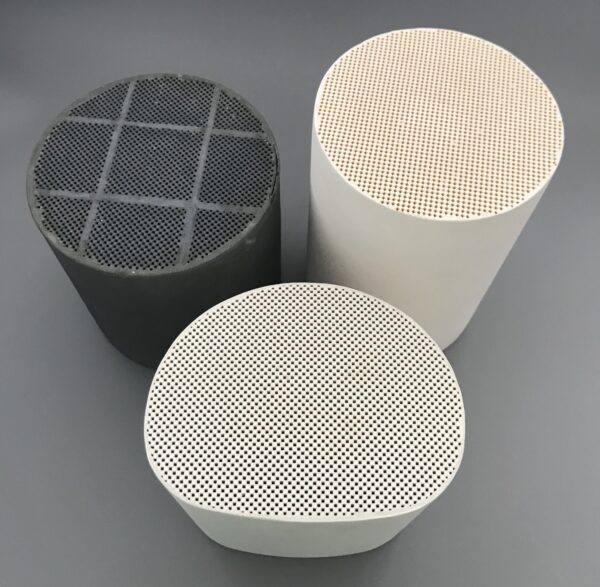
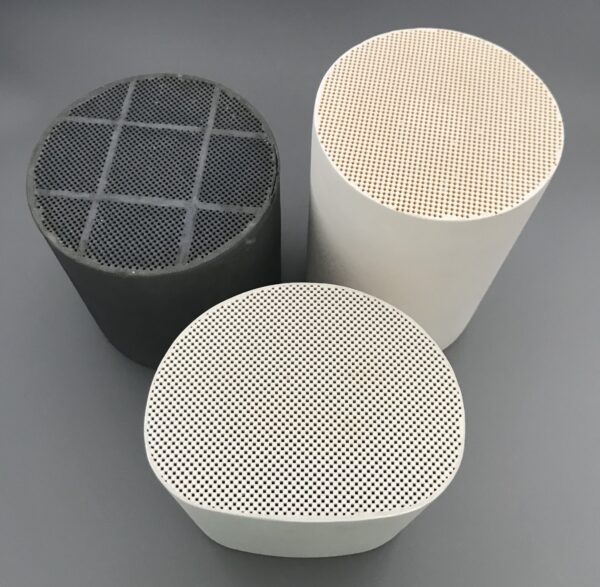
Let’s dive into the heart of modern catalytic technology—the honeycomb catalyst. Its unique design allows for maximum surface area in a compact form, enhancing the conversion of toxic gases. Why is this important? Well, it allows engines to operate more efficiently, pushing less pollution into our atmosphere. These advanced honeycomb catalysts are frequently employed in today’s vehicles, optimizing performance while reducing waste and emissions. Interested in cutting-edge technology? Check out the incredible honeycomb catalysts that drive efficiency in modern engines.

In Summary: Choosing the Right Manufacturer

After examining the innovative aspects of exhaust gas catalysts and honeycomb catalysts, it becomes clear that the right choice of manufacturer significantly impacts performance. Brands like Hualian Catalyst lead the charge in providing high-quality, durable catalytic solutions that tackle modern emissions challenges. With a focus on efficiency and durability, investing in Hualian Catalyst products not only supports your vehicle’s needs but also contributes to a cleaner and greener future.

September 10, 2025 0 comments
0 FacebookTwitterPinterestEmail
Global Trade

8 Ways to Judge the Wang Procedure Versus Pectus Repair Alternatives — Effectively

by Liam September 9, 2025
written by Liam

Introduction

Pectus excavatum is a chest wall shape that can narrow space for the lungs and the heart. The wang procedure is one option people consider today. Many families hear about pectus excavatum surgery after a game-day scare, a gym class test, or a routine checkup. Picture a teen who gets winded on a short run; the parent worries, the coach notices, and the questions start. Data say the condition shows up in about 1 in 400–1,000 people, often in boys, and can affect stamina and self-image. Yet choices are not simple—Nuss, Ravitch, hybrid, or wait-and-see. Which path helps most, with the least trade-offs, and for whom (adolescent, adult, asymmetric chest)? Here’s the frame: define the problem clearly, compare what outcomes matter, and watch for hidden costs. One more thing—community stories can be loud, but they are not the same as measured results. So, how do we cut through the noise and pick a smart route? Let’s set the stage, then move to what old fixes miss, and what newer methods try to solve next.

wang procedure

Where Traditional Fixes Miss the Mark

Why do old fixes fall short?

Look, it’s simpler than you think: older playbooks often focused on a one-size bar or an open cut, not the person’s exact chest map. That can mean longer pain, visible scars, or bars that don’t match asymmetric ribs. Some patients report chronic discomfort tied to intercostal nerve irritation. Others get bar shift when coughing or training—funny how that works, right? Classic methods did not always model chest biomechanics ahead of time. Without 3D CT reconstruction or finite-element thinking, the sternum might be pushed, not guided. Thoracoscopy helps with safety, but if the plan is generic, the result can still feel generic.

Hidden pain points show up in the journey, too. Perioperative care varies a lot; one hospital uses cryoanalgesia, another relies on basic nerve blocks, and recovery time swings wide. Adults often heal slower and face higher stiffness, yet many studies mix teens and adults, masking risk. Families want fewer nights in the hospital and less missed school, but they get unclear timelines. And in complex chests—think rotation, deep asymmetry—the lack of patient-specific stabilizers can raise reoperation odds. These gaps are why people look again at modernized pathways and clearer metrics.

Comparative Outlook: Principles Powering the Next Wave

What’s Next

Newer approaches make a simple promise: match the plan to the chest, not the chest to the plan. That means pre-op segmentation of the deformity, targeted sternal elevation for safe passage, and better bar-to-rib coupling. Teams now lean on 3D CT reconstruction to map depth and rotation, then simulate force lines. Intraoperative navigation and measured traction aim to reduce blind passage risks. Stabilizers are more refined, and multi-point fixation can tame torque. The idea is less trauma, better biomechanical stability, and cleaner perioperative care. When you compare any method—including surgery for pectus excavatum—stack it against these principles, not just a label. Methods evolve; physics stays the same.

We also see gains in pain control and return to life. Cryoanalgesia protocols, enhanced recovery after surgery, and calibrated activity ramps can cut hospital days and speed return-to-sport. Adult pathways now include bone-density checks and staged rehab. The lesson from above: older fixes missed personalization and consistency; newer ones try to engineer both— and yes, that matters. To choose well, use three simple metrics: 1) Fit-to-deformity score: does the plan use imaging and patient-specific force logic? 2) Recovery profile: expected pain days, nights in hospital, and time to school/sport. 3) Risk ledger: rates of bar displacement, reoperation, nerve pain, and scar impact at 12–24 months. Keep it human, keep it measurable, and keep it comparative. For deeper context and up-to-date pathways, see ICWS.

September 9, 2025 0 comments
0 FacebookTwitterPinterestEmail
Newer Posts
Older Posts

Recent Posts

  • Innovative 5 metal 3d printers in 2026
  • A sourcing note on Fixed Multi Gas Detector: organize the review around RFQ preparation shortlisting
  • 3pl fulfilment in 2026 — Best 4
  • What to Include in a Supplier Brief for Hazardous-Area Equipment?
  • How 2.4 GHz Active Tags Address Gaps in Contemporary RFID Tracking Strategies

Recent Comments

  1. Linda on With senior cats, sometimes it’s not just old age
  2. Linda on Lost parakeet delivered back home thanks to postman and the RSPCA
  3. Linda on Haven’t you heard? Lunchtime is a bear necessity!
  4. Linda on Puppy trains to be Ski Patrol rescue dog in Highlands
  5. Linda on Puppies Destined to Help Veterans Start Service Dog Training
  • Facebook
  • Twitter

@2021 - All Right Reserved. Designed and Developed by PenciDesign


Back To Top
News Online
  • Home
  • Tech
  • Pets
  • Economy
  • Industry
  • Market
  • Wildlife
  • Economy
  • Industry
  • Market
  • Tech
  • Wildlife