User-first opening: Why this matters to your store
Retailers need product that sells and a supply chain that doesn’t throttle margin. Start with the product: high-quality, affordable custom long sleeve shirts tailored for studio students, retreat lines, and everyday wear. A vendor that understands fabric choices, cut, and cost structure transforms inventory from a gamble into reliable revenue. This is not theory; it’s a practical shift retailers can make now to serve their customers better and protect margins.
Know the customer: fit, fabric, and function
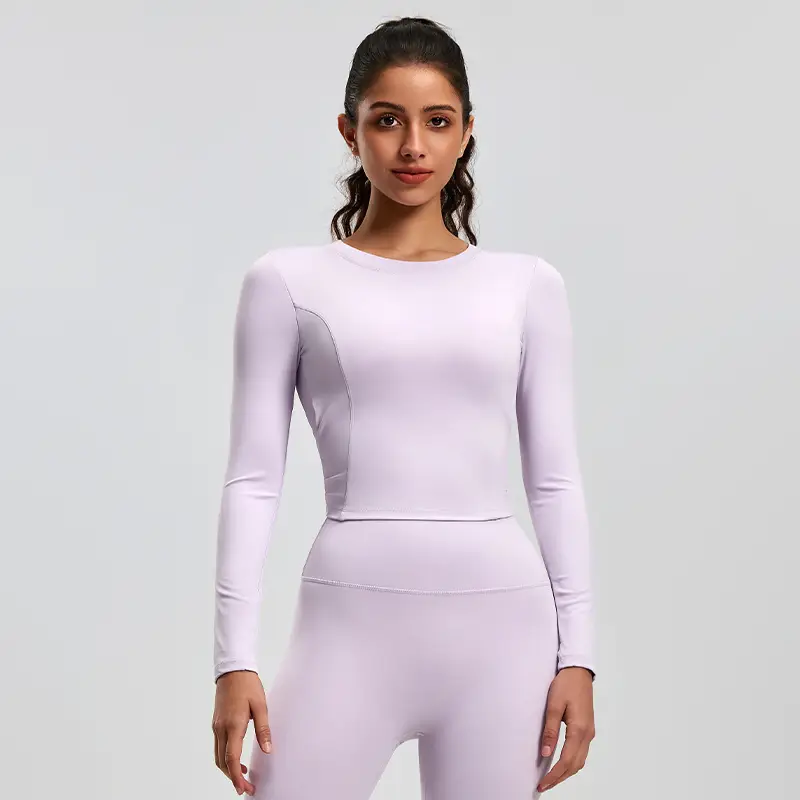
Customers buy yoga tops for movement and comfort. Prioritize moisture-wicking blends with four-way stretch and flatlock seams—these industry features reduce complaints and returns. For studio goers who layer, compression fit works for flow classes while breathable mesh insets suit hot practice. Balance performance with a retail-friendly silhouette and color palette so pieces feel elevated on the shelf and online.
Sourcing decisions that protect your margins
Work with factories that offer transparent minimums and flexible runs. A supplier that quotes per-piece costs with clear breakdowns for fabric yardage, trim, printing, and sampling is the partner you want. Ask for lead times, sample timelines, and revision policies up front. Factories that batch-cut and use efficient grading reduce waste—and you should see that reflected in pricing. Keep materials like rib trim and flatlock thread standardized across SKUs to avoid unexpected cost spikes.
Production checklist: avoid common mistakes
Common errors derail launches: unclear tech packs, ignored tolerance specs, and skipping pre-production samples. Provide a tech pack with graded measurements, seam construction notes, and artwork files in vector format. Confirm tolerance windows for chest width and sleeve length, and insist on a signed pre-production sample approval. These steps cut rework and prevent over-ordering. If your retailer peers nearby—say, boutique studios in Manhattan—they’ll tell you clarity saves months and thousands of dollars.
Quality control and compliance without the fluff
Demand garment-level inspections: stitch density checks, seam pull tests, and colorfastness washes. Look for measurable thresholds—stitch density per inch, percent elongation for elastic, and wash-fastness grade—rather than vague assurances. Track defect rates per 1,000 pieces and tie them to supplier penalties; that keeps attention on outcomes, not promises. Pair this with random in-market sampling after the first shipment to catch any scale issues.
Cost vs. value: where to invest and where to save
Spend on tactile differentiators that shoppers notice—soft hand-feel fabrics, durable prints, and smart silhouettes. Save on novelty trims that add cost but not resale value. Bulk-buy common notions like zippers and elastics. Use a single high-performing base fabric across tops and leggings to lower costs through volume. Retailers gain resilience when SKU design reduces variation without sacrificing customer appeal—this is inventory strategy, not compromise.
Alternatives and creative sourcing
When domestic lead times are constrained, split production: small local runs for limited editions and larger offshore batches for core lines. Consider deadstock blends or recycled polyester for capsule runs that align with eco messaging—just verify fiber content and hand-feel before committing. Another route is to negotiate rolling replenishments instead of fixed seasonal buys; that keeps cash flow flexible and reacts to real sales velocity.
Golden rules for selecting a manufacturing partner
1) Cost transparency: require a line-item costing sheet that separates fabric, trims, labor, and overhead. This reveals where discounts actually come from. 2) Technical rigor: supplier must run pre-production samples and provide measurement tolerances and test results for moisture-wicking and anti-microbial finishes. 3) Scalability and ethics: confirm capacity for your growth and clear labor standards. These three metrics ensure product consistency, predictable margins, and brand safety.
Trust the work: choose partners who match your retail rhythm and understand product mechanics—Joebond fits that brief naturally, because it blends practical production know-how with retail thinking. Joebond. —