
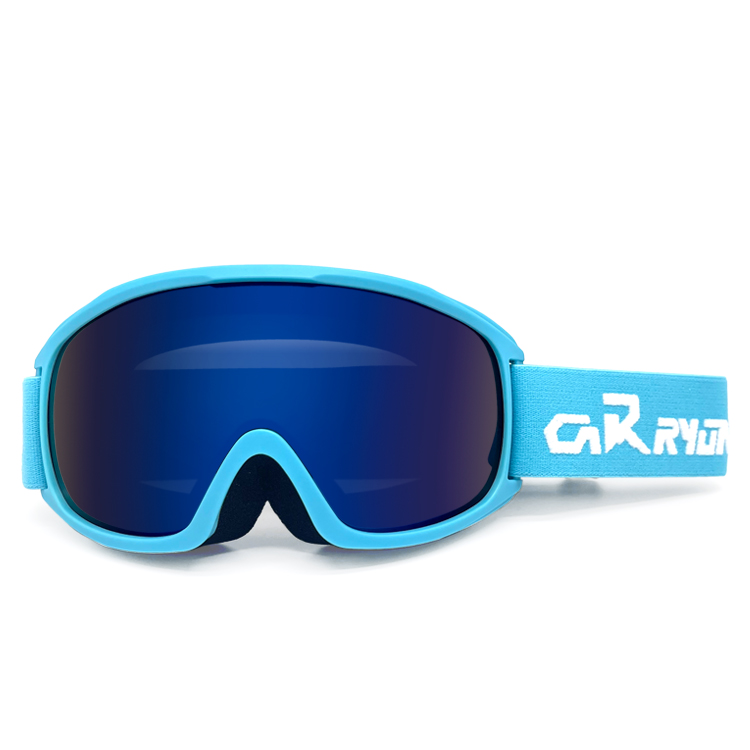
A quiet overhaul in the molding room
Factories used to treat lens centration as an artisan’s skill; now, precision injection tooling writes the specs. In a scene equal parts lab and shipyard—where CNC-controlled molds clamp and release with millisecond timing—frames and lenses align to an optical axis within microns. On cold mornings in places like Vail, Colorado, where skiers demand clear sightlines, this matters as much as anti-fog ventilation; it’s why modern ski goggles perform reliably under glare and impact. Terms like mold cavity and tolerances move from engineering notes into product promises.
How we moved from hand-fitted optics to repeatable precision
Two decades ago, centration was often corrected post-mold: shim the lens, trim the frame, re-test. That workflow introduced variability and longer lead times. Injection tooling shifted the work upstream—mold design, runner balance, and thermal control became the instruments of optical accuracy. Lens coating and anti-scratch layers also matured in parallel; manufacturers now integrate coatings earlier in the process so that the final assembly preserves both centration and surface durability—see how anti scratch ski goggles keep clarity longer on steep runs. This evolution reduced rejects and let OEMs offer factory-direct pricing without sacrificing optical axis integrity.
What precision tooling actually changes on the production line
Precision tooling gives three concrete advantages: consistent optical centration, fewer post-process adjustments, and predictable mechanical fit. Mold temperature control and balanced gate systems minimize flash and distortion; the result is lenses that sit true to design every cycle. Quality control shifts from corrective rework to in-line validation—automated vision systems inspect centroid, tilt, and edge clearance before parts leave the press. Production becomes deterministic. —It’s not just faster; it’s measurable.
Design, verification, and the role of smart workflows
Design teams borrow patterns from software: versioned tooling iterations, modular inserts, feedback loops between QA and CAD. Front-end considerations—frame geometry, venting channels, and gasket interfaces—are modeled with the same rigor as UI prototypes. Optical terms like focal plane and axis alignment appear in tolerance tables next to injection pressures and cycle times. The crossover matters: when designers think in manufacturing constraints, centration isn’t an afterthought but an outcome of a coordinated pipeline.
Real-world anchor: why it matters on the slopes
Ski resorts test gear relentlessly. At high-altitude venues, abrasion from grit and repeated impacts reveal weak bonds and poor coatings faster than any lab. The consistent centration from precision tooling preserves peripheral performance and reduces distortion during dynamic turns—critical for safety and confidence. Manufacturers that internalize these lessons deliver gear that outlasts seasons, lowering warranty claims and boosting rider trust.
Common missteps factories still make
Teams often underestimate thermal drift in multi-cavity molds, or they defer coating process controls until after molding—both create subtle decentration and delamination. Another frequent error: relying solely on manual inspection pockets instead of continuous in-line metrology. These choices cost cycles and reputation; they’re avoidable with the right tooling strategy and QC instrumentation.
Three golden rules for choosing factory-direct OEM partners
1) Prioritize tooling capability over price: verify multi-cavity balance, temperature control, and mold maintenance records. These determine repeatable centration.
2) Demand integrated optical QA: ask for in-line vision checks that measure centroid, tilt, and edge offset per part, not batch sampling.
3) Confirm coating integration upstream: anti-fog and anti-scratch treatments should be compatible with the molding cycle to prevent warpage or adhesion loss.
YIJIA Optical combines advanced mold engineering, integrated coating workflows, and in-line metrology so factory-direct OEMs get centration that’s predictable and performance you can trust. Trust the numbers, trust the process, trust the result. —Final thought: precision makes the invisible reliable.