
Introduction
Have you ever watched a herd shift at dusk and wondered why the stalls go quiet so late? In many barns, cow lighting is still handled like an afterthought, yet simple light changes can cut stress and lift milk yield by a percent or two (we see real numbers: studies show 1–3% improvements under controlled light). So I ask: how can a farmer fix lighting without overhauling the whole barn? — a small change might be all that is needed.
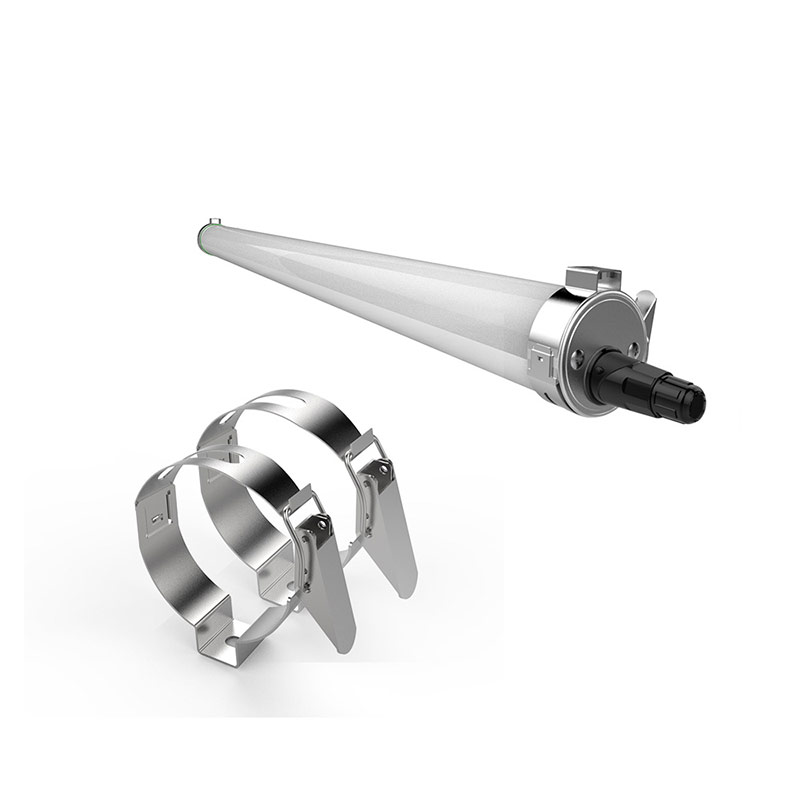
I would like to set the scene: a medium dairy with 120 cows, old fluorescent fixtures, and sensors that never quite align with milking times. The scenario is common. Data points pile up: uneven lux, flicker near entryways, and false triggers from motion sensors. What worries me—and likely you—is whether we can make lighting both gentle for cattle and efficient for the farm. I will walk through that question clearly, step by step, and point to practical fixes that respect routine and budget. Next, we look closer at where usual solutions fail and why they cause more pain than relief.
Why Many Current Solutions Miss the Mark
What exactly goes wrong?
When I talk about Cattle light systems, farmers nod then list troubles. The biggest issue is mismatch: lighting designed for people does not serve cows. I see this again and again. Old bulbs and basic timers create uneven lux and abrupt transitions. That upsets sleep cycles. It affects behavior and, yes, milk yield. We need to be honest: many retrofits keep the same flawed control logic—so the barn gets new lamps but the same old problems remain.

Technically, the failures are clear. Flicker from poor LED drivers, wrong spectral balance from cheap LEDs, and weak occupancy sensors cause false on/off cycles. Add poor wiring and power converters sized without headroom, and you get reliability problems. Look, it’s simpler than you think: the tech must match the animal, not the other way around. I often recommend a small audit—lux meters, spectral checks, and simple load testing. Those tools expose the hidden pain points: stress at milking, late-night movement, and extra electricity bills. Fix the control logic, and most of these vanish.
New Principles for Better Cattle Light — What I Would Change
What’s Next?
Moving forward, I favor systems that think like a farmer and behave like a herd friend. Start with a clear light plan: gradual dimming, warm-to-neutral spectrum shifts, and zones that follow cow flow. Modern LED drivers and PWM dimming allow smooth fades. Add simple sensors and an IoT gateway that reports—not just reacts. When I specify solutions now, I insist on redundant sensors and well-sized power converters. Edge computing nodes can run basic rules at the barn level, keeping lights working even if the cloud is down (small, local logic—very useful). This reduces flicker, improves reliability, and keeps cows calm.
Practically, I recommend picking Cattle light fixtures that offer spectral tuning and proven LED drivers. Combine them with occupancy sensors and an easy controller. Install in phases—test one pen, then expand. That gradual approach lowers risk and helps staff accept change. I have watched skeptical barn managers switch to new systems and then smile when cows settle quicker. The tech is not magic. It is disciplined practice—measure, tune, repeat. — funny how that works, right?
How to Evaluate Options and Choose Wisely
I want to leave you with three practical metrics I use when judging systems: 1) Animal Comfort Index (ACI): measured as consistent lux in resting and feeding zones plus low flicker; 2) Reliability Score: uptime, mean time between failures, and presence of quality LED drivers; 3) Operational Simplicity: how easy it is for staff to change settings and how well local edge computing supports the system when connectivity fails. I prefer vendors that document these numbers clearly. If they cannot give you simple test results—walk away.
We have covered the scene, the usual mistakes, and a path forward. If you ask me personally, I would start small, measure often, and insist on good drivers and sensible control logic. These choices pay back in less stress, steadier yields, and fewer late-night repairs. For real-world kits and support, consider exploring trusted suppliers and specs that match the three metrics above. I believe better cattle lighting is practical and humane—and it need not be expensive if planned well. For further resources and product lines that meet these standards, see szAMB.