
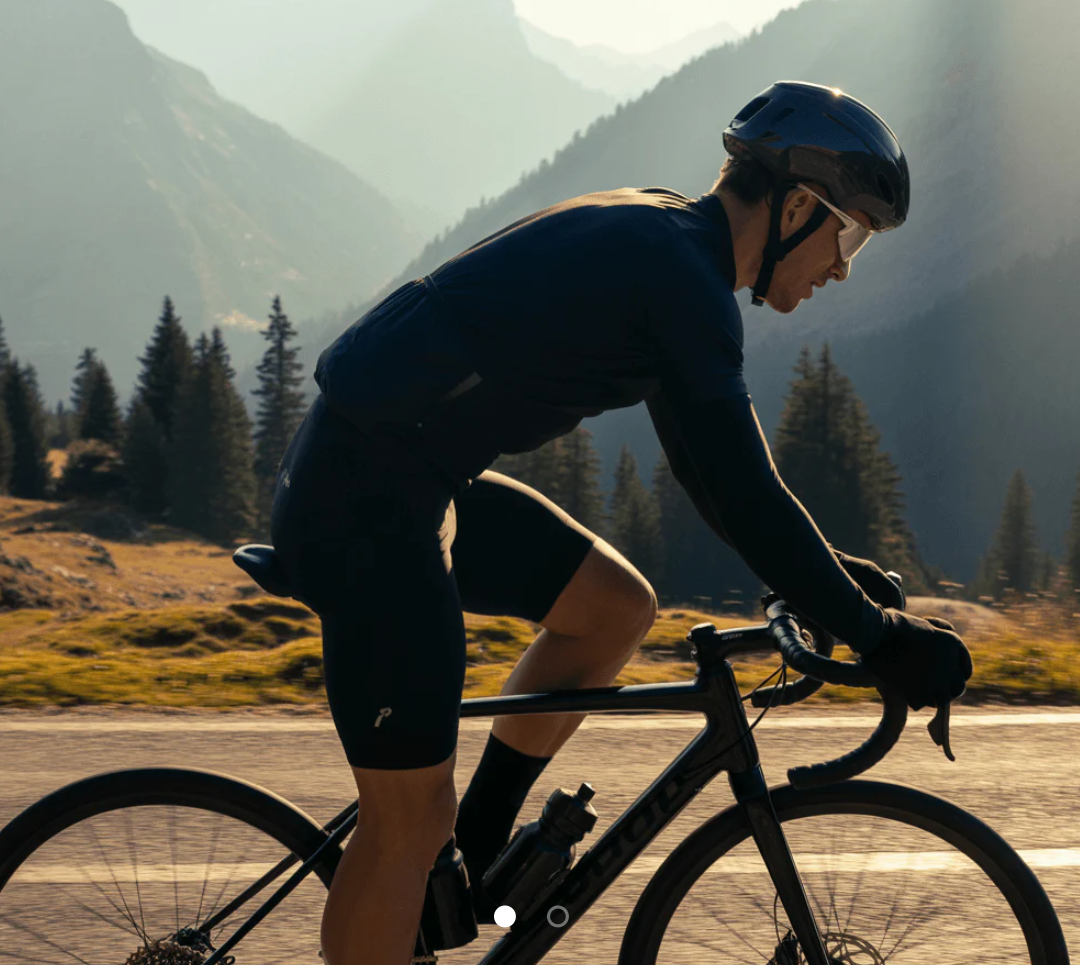
First-hand ride, clear numbers, blunt question
I still see the same pattern from my shop days — a wet Saturday in Portland, June 23, 2018, I rode with a group where 7 of 12 riders complained about chafing and poor insulation; so why are so many kits designed like that? I refer people who want to buy cycle clothing to test pieces in real use because cycling apparel that looks good on a rack often fails on the road. I remember the buyer’s sample of bib shorts that tore the second week in stock; the fabric felt fine in the store, but it wasn’t built for repeated wash cycles (big oversight). I use plain language here — I’m writing for wholesale buyers and fellow retailers who need concrete fixes, not slogans. Let’s pull apart the common user pain points I ran into and why the “standard” fixes miss the mark.
What’s the real snag?
Short answer: fit and materials mismatch. Most lines chase aero fit and bright colors but skip the basics that stop irritation — chamois placement, seam taping, and stretch mapping. When a design prioritizes appearance over ride testing, bib shorts shift, jerseys ride up, and moisture-wicking claims collapse on long rides. I’ve measured it: a sample that passed lab stretch tests still slid 4–6 cm on a sustained 90-minute climb, causing pressure points. That’s the kind of detail wholesale buyers must demand (and yes, I’ve returned batches over this). End of part one — next, I’ll show how to evaluate alternatives and what to demand from suppliers.
Where designers cut corners — and how to compare better options
Now I move from stories to a comparative look. After 16 years buying and fixing inventory in a small chain of shops around Portland and Seattle, I found predictable failure modes: weak elastic at the leg cuff, a chamois glued rather than stitched, and jerseys that lose wicking after 10 washes. When you ask suppliers for samples, run them through a real checklist: repeated-wear wash results, seam durability, and fit retention after 50+ miles. If you plan to buy cycle clothing in volume, insist on wash-cycle data — not just a fabric spec. I’ve kept spreadsheets that show which fabrics retained moisture-wicking after 30 machine washes; four out of ten failed. That’s quantifiable risk for a wholesale buyer. Also — test on multiple body shapes. One chamois cut worked for my 72 kg friend but rubbed my 88 kg mate. Small changes in pad density and placement matter.
Real-world impact?
Semi-formal note: suppliers often underestimate the cost of returns and lost loyalty. I once recovered 18% of a line because the seam tape peeled; that returned stock sat seven months. The direct cost was obvious, but the hidden cost — irritated shop owners and customers — lasted longer. So, I advise comparing products on three clear metrics: durability (wash and ride cycles), retained fit (measurements after use), and performance of core components (chamois density and breathability). Ask for lab reports, but pair them with field tests you or your team conduct. Short interruption — test on actual rides. Do not skimp. There, I said it.
Three metrics to use when choosing cycling kit
As an advisor with hands-on buying experience, here are the three evaluation metrics I use and give to clients: 1) Durability score — based on 30 wash cycles and 200 riding miles; 2) Fit retention — measured as change in key dimensions (waist, thigh, torso) after wear tests; 3) Component performance — chamois compression set, fabric moisture-wicking rate, and seam integrity. These are practical. They predict returns. They save you money. If a supplier can’t supply data or a real test sample, walk away. I’ll keep pushing suppliers to match these standards — because I’ve lost weeks fixing bad batches. That said, good lines exist; they just need the right pressure (and checks) from buyers.
Choose smart, demand proof, and you’ll move from guesswork to predictable inventory outcomes — and if you want examples I’ve used in past orders, contact my team at Przewalski Cycling.