
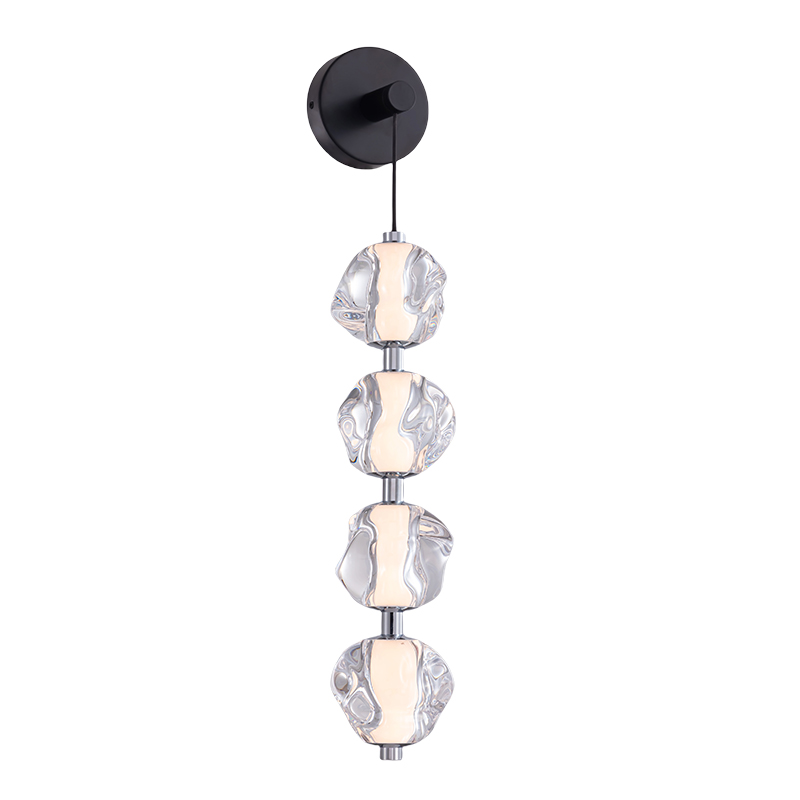
Introduction: A Room Lit Like a Secret
Night does not forgive bad lighting. A pendant light company can map a room’s shadows like a cartographer, tracing edges where eyes tire and mood slips. Picture a dining table, haloed but not held—chairs dim, corners dull, the ceiling a pale sky. In many homes, the numbers are stark: glare steals comfort; poor placement wastes output; and users abandon dimmers after week two because the feel is off. So why do some spaces glow while others ache? The answer lies not only in wattage, but in how light breathes through space (and what it hides).

We measure meals, memories, and work under these fields of light. Yet old choices linger: fixtures hung too high, color skewed, drivers that hum, and controls that fight back. The room becomes a stage for small errors. Do you settle for that? Or do you ask for more—more calm, more clarity, less noise? Step with me into the mechanics of glow and shadow. Let’s move from guesswork to grounded insight, and then onward to what’s next.
The Deeper Problem: Why Some Pendants Still Miss the Mark
What keeps a pendant from feeling right?
Let’s talk about interior pendant lights as they live in the real world. Most complaints are not about brightness; they’re about feel. Users report glare at the eye line, poor spread on the table, and a strange pulse when dimming. The quiet culprits are inside: a mismatched driver IC, weak thermal management, and dimmer protocols that don’t match the home. CRI drops, so food looks flat. The cone narrows, so the room breaks into lit and unlit zones. Look, it’s simpler than you think: design and electronics must meet the room, not the spec sheet.
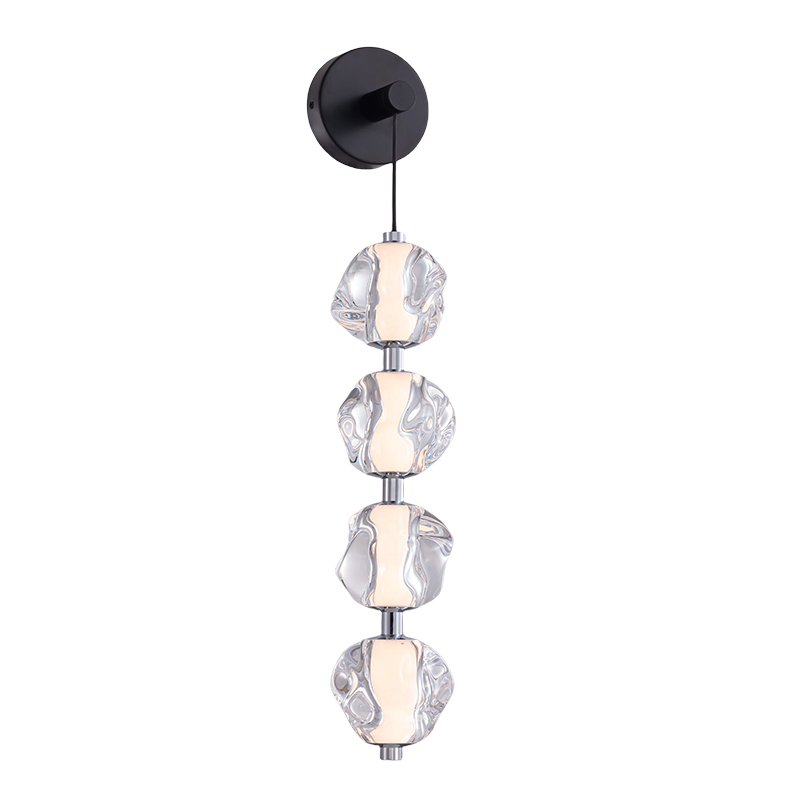
Traditional fixes fall short. A bigger bulb adds heat, not balance. A lower hang height helps the table but punishes the eyes. Cheap power converters may pass a test yet fail at dusk, when you dim and the flicker whispers back. What users want, but rarely say, is coherence: soft edges, stable dimming from task to mood, and color that tracks true from noon to night. Until those are tuned, even a beautiful pendant can feel wrong—close, but cold.
Comparative Insight: New Principles, Clear Gains
What’s Next
Let’s compare the old stack to the new. Old: broad-beam shades, generic optics, drivers that clip at low levels. New: tuned optical diffusers, high-frequency drivers, and smart pairing with wall controls. The principle is simple—control the beam, stabilize the current, match the dim curve. When that happens, luminous flux feels even, not loud, and the room breathes. In kitchens, the difference is striking: modern led pendant lighting for kitchen island can now run smoother at 5% without shimmer, hold color under heat, and spread light without hot spots—funny how that works, right? The tech behind it, while quiet, is not trivial: better power stage design, tighter firmware on the driver, and optics that shape light like fabric.
Forward-looking systems go one step more. They align dimmer protocols with fixture firmware, so low-end trim is real, not guessed. They use edge computing nodes in smart hubs to keep scenes stable—no cloud lag, no surprise jumps. And they measure heat at the core to protect life without choking light. In practice, that means pendants that hold their tone across a week of cooking, reading, or late-night talk. The summary is short: design the cone, calm the current, tame the control. From our earlier points—glare, color drift, poor spread—we move to a set of checks that give you certainty.
If you’re choosing a solution, weigh three things: 1) Dimming stability from 1–100% with clear low-end trim and no visible ripple; 2) Optical control that spreads light where people sit, not where ceilings echo; 3) Color integrity (high CRI and tested thermal management) that stays true when the room warms or cools. With those in hand, the rest is taste and height. And in the hush after you switch off, the room will thank you—softly, like it should. For deeper, grounded options, you can begin with kinglong.