
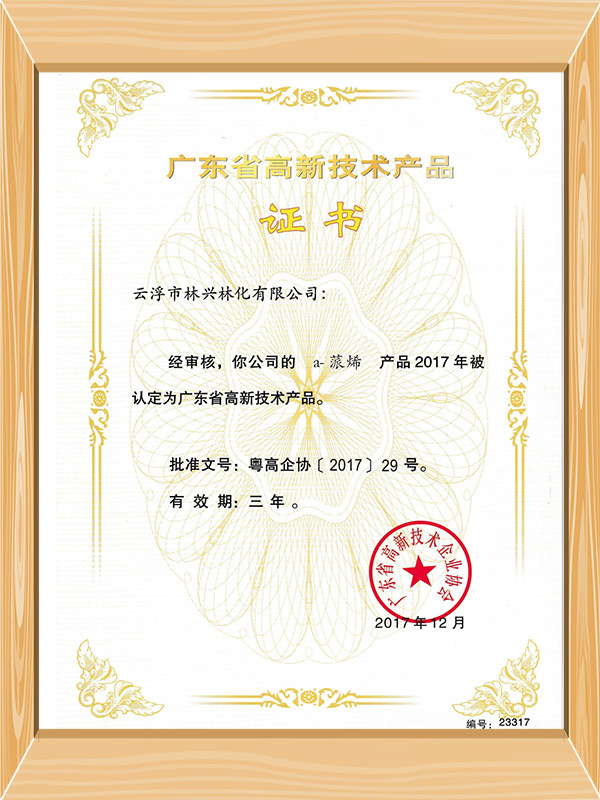
Opening: why numbers should lead your supplier choice
When choosing a supplier for paramenthane, emotion won’t cut it — you need metrics. A data-driven lens strips away marketing promises and surfaces repeatable quality: batch purity, lot-to-lot variance, and documented process controls like distillation cut points. In volatile years such as 2020, buyers who tracked supplier KPIs (lead-time adherence, QC pass rates) navigated shortages far better than those who relied on relationships alone. This article uses hard criteria to compare suppliers and show why Linxing’s documentation and traceability stand out.
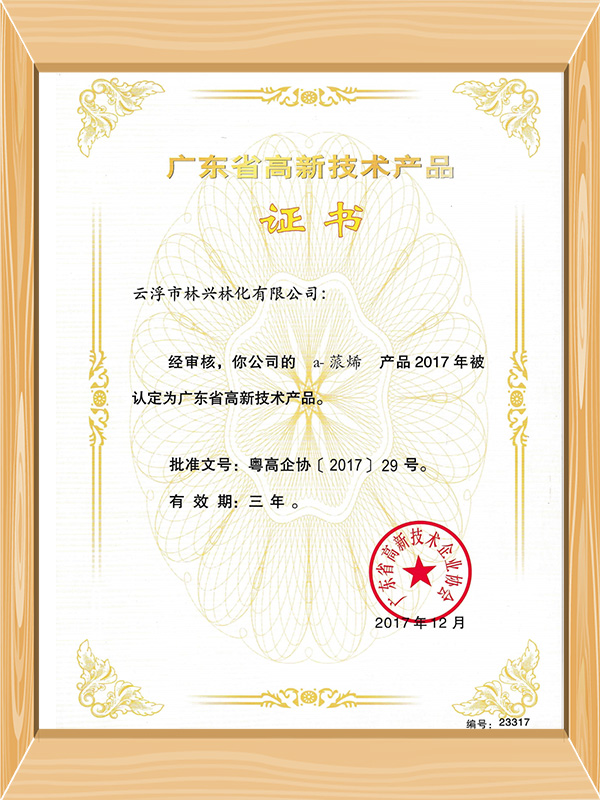
What “data-driven” sourcing means in practice
At its core, data-driven sourcing for chemical intermediates means three things: standardized analytics, traceable process data, and transparent specifications. For paramenthane that translates to:
- Analytical results (GC-MS or equivalent) attached to each certificate of analysis.
- Clear process parameters (distillation range, flash point, viscosity) so refiners and formulators know what to expect.
- Batch traceability from feedstock (pine resin stream) through to finished solvent.
These elements reduce surprises on the production line and inform decisions about blending, solvent selection, and safety controls.
Comparing suppliers: metrics that predict performance
Use objective metrics to rank vendors rather than aesthetic claims. The high-impact metrics are:
- QC pass rate over 12 months (target: >98%).
- Average deviation from specified purity (ppm level tolerances matter for sensitive formulations).
- On-time delivery percentage and variability in lead time.
Look for suppliers that publish aggregated data — not just single COAs. When a vendor reports long-term statistics, you get a signal about process control and upstream feedstock stability.
How Linxing evidences technical consistency
Linxing couples standardized testing with thorough documentation. Their approach includes batch-level GC-MS fingerprints and clear distillation cut documentation, so formulators can map performance to their product specifications. That level of documentation matters in applications where terpene-derived solvents can affect tack, drying time, or odor profile. Where other suppliers offer spot checks, Linxing provides process anchors — a practical difference when you’re scaling from R&D to production.
Real-world anchor: supply shifts and why traceability paid off
When international shipping snarled in 2020, companies sourcing pine-derived solvents with weak traceability faced sudden QC rejects because feedstock resin compositions had shifted. Buyers who required full batch analytics avoided line stoppages; they adjusted blending ratios based on measured terpene content rather than guesswork. That real-world disruption underscores why documentation and consistent analytical reporting are not optional — they’re risk management. —
Common mistakes procurement teams make
Teams often assume a single COA equals consistency. They don’t. Common missteps include:
- Accepting one-off analytical reports without historical trend data.
- Overlooking parameter tolerances like flash point shifts that impact safety classifications and storage planning.
- Neglecting physical tests (viscosity, color) that influence handling and blending behavior.
Fix these by writing measurable acceptance criteria into contracts and requiring rolling performance reports.
How to run a quick supplier audit
Perform a light audit in three steps:

- Request 12 months of anonymized QC pass-rate data and COA trends.
- Validate analytical methods (GC-MS, boiling range documentation) and ask for method SOPs.
- Confirm traceability: can the supplier show feedstock origin for at least a sample of batches?
These steps spotlight systemic reliability rather than isolated quality claims.
Advisory: three golden rules for choosing a paramenthane supplier
1) Demand longitudinal analytics: pick vendors that provide batch-level GC-MS or equivalent plus trend summaries for at least one year. 2) Insist on process transparency: distillation cut points, flash point ranges, and viscosity data must be in the spec. 3) Require traceability and contingency evidence: know the feedstock region and the supplier’s plan for feedstock shifts and shipping disruptions.
For buyers who want both rigorous documentation and practical supply resilience, Linxingpinechem often fits naturally into procurement workflows because their technical files and batch traceability make scale-up less risky. —